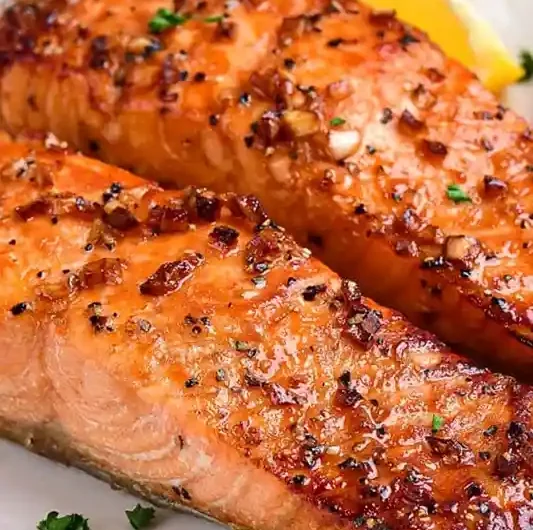
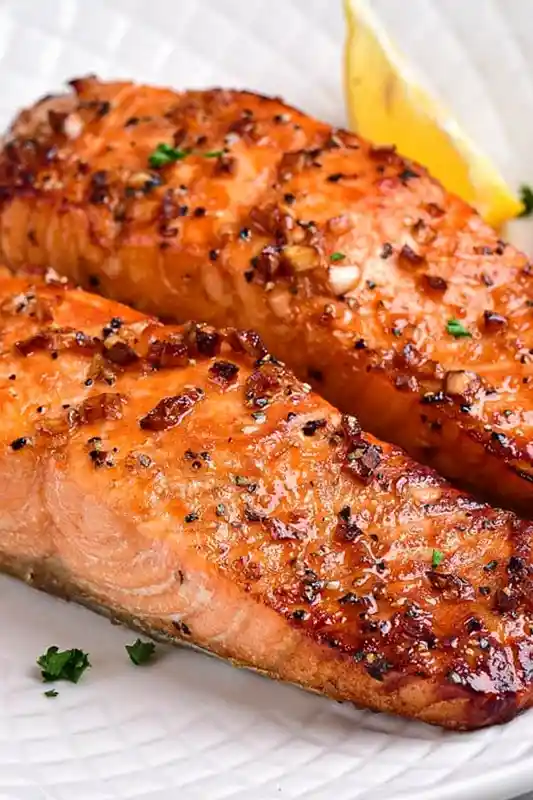
This quick air fryer recipe creates a caramelized honey garlic glaze on tender salmon fillets. It is a convenient dinner option that requires minimal prep and clean-up while delivering a restaurant-quality finish.
List of ingredients
- 2 salmon fillets – use pieces of similar size and thickness for even cooking.
- 1 tablespoon olive oil, plus oil spray – used for the marinade and to prevent the fish from sticking to the basket.
- 1 tablespoon honey – provides a natural sweetness and helps the glaze caramelize.
- 1 tablespoon soy sauce – adds a savory, salty depth to the marinade.
- 2 garlic cloves, finely chopped – creates a pungent and aromatic flavor profile.
- 1/3 teaspoon salt – enhances the overall taste and balances the sweetness.
- 1/4 teaspoon black pepper – provides a subtle hint of spice to complement the fish.
step-by-step instructions
- Prepare the marinade: In a small mixing bowl, combine the olive oil, honey, soy sauce, finely chopped garlic, salt, and black pepper. Stir well until the honey is fully integrated.
- Coat the salmon: Brush the marinade evenly over all sides of the salmon fillets. If you have extra time, cover the fish with plastic wrap and refrigerate for 30 minutes to allow the flavors to penetrate deeper into the meat.
- Preheat the air fryer: Set your air fryer to 370 degrees Fahrenheit and allow it to reach the temperature before adding the food.
- Prepare the basket: Spray the air fryer basket generously with olive oil. Place the salmon fillets in the basket, ensuring there is enough space between them for air to circulate.
- Initial cooking phase: Cook the salmon fillets at 370 degrees Fahrenheit for 5 minutes.
- Final glazing and cooking: Open the basket and brush additional marinade over the fillets. Cook for another 3 minutes, or until the salmon is flaky and cooked through.
- Serve: Remove the fillets from the air fryer immediately. Serve while juicy, garnished with lemon slices and fresh chopped herbs.
Optimal Salmon Selection
Wild Salmon vs Farmed Salmon
Wild salmon typically has a deeper red color and a more robust flavor than farmed salmon. Because it generally contains less fat, wild salmon may cook slightly faster, so keep a close eye on the timing.
Maintaining Consistent Fillet Thickness
Choosing fillets that are the same thickness ensures that every piece reaches the desired internal temperature at the same time. If one fillet is significantly thinner, it may overcook and become dry while the thicker piece is still raw.
Handling Frozen Salmon Fillets
You can use frozen fillets, but they must be completely thawed before cooking for the best results. If cooked from frozen, the outside will likely overcook before the center is safe to eat, and the marinade will not adhere well.
Choosing Between Skin-On or Skinless
Skin-on salmon is often preferred because the skin protects the flesh from the intense heat of the air fryer. This helps the fillet remain moist and provides a nice textural contrast once cooked.
The Impact of Salmon Fat Content
Higher fat content, often found in Atlantic salmon, helps the fish resist drying out during the air frying process. This allows for a slightly longer cooking window without risking a tough texture.
Customizing the Glaze
Substituting Maple Syrup for Honey
If you prefer a woodsy flavor, replace the honey with pure maple syrup in equal proportions. This change maintains the sweetness and caramelization properties while shifting the flavor profile.
Adding Fresh Ginger for a Zesty Twist
Adding a teaspoon of finely grated fresh ginger to the marinade provides a bright, spicy note. This pairs exceptionally well with the soy and garlic, creating a more complex Asian-inspired glaze.
Using Coconut Aminos for a Low-Sodium Alternative
For those reducing their salt intake, coconut aminos can replace soy sauce. It offers a similar savory profile and dark color but contains significantly less sodium.
Incorporating Sriracha for Spicy Notes
A small squeeze of Sriracha or a pinch of red pepper flakes added to the marinade introduces a spicy kick. This heat balances the sweetness of the honey and adds dimension to the dish.
Adding Fresh Lemon Juice to the Marinade
Whisking in a tablespoon of fresh lemon juice helps cut through the richness of the salmon. The acidity brightens the overall flavor and helps tenderize the fish slightly during the marinating process.
Perfecting the Air Fryer Process
Preheating for Even Searing
Preheating the air fryer is essential for achieving an immediate sear on the outside of the fish. This locks in the juices and prevents the salmon from sticking to the basket.
Choosing the Right Oil Spray
Use a high-smoke point oil spray, such as avocado or canola oil, to avoid a burnt taste. Avoid using aerosol sprays that contain additives, as these can damage the non-stick coating of the air fryer basket.
Maintaining Airflow Between Fillets
Do not crowd the air fryer basket. Leaving at least an inch of space between the fillets allows the hot air to circulate evenly, ensuring the edges get caramelized rather than steamed.
Monitoring Internal Temperature
The most reliable way to ensure salmon is done is using an instant-read meat thermometer. Aim for an internal temperature of 145 degrees Fahrenheit for FDA safety, or 125 to 130 degrees Fahrenheit for a more tender, medium-rare finish.
Preventing the Fish from Drying Out
Avoid the temptation to overcook the salmon just to get a darker crust. Once the fish flakes easily with a fork, remove it immediately to maintain its juiciness.
Accompaniment Ideas
Pairing with Roasted Broccoli
Broccoli florets can be tossed in olive oil and salt and air-fried alongside or after the salmon. The charred edges of the broccoli complement the sweetness of the honey garlic glaze.
Serving with Garlic-Roasted Asparagus
Asparagus spears cook quickly and provide a fresh, earthy contrast to the rich fish. Roast them with a bit of garlic and lemon to mirror the flavors in the salmon marinade.
Adding Baby Potatoes for a Hearty Meal
Halved baby potatoes roasted with rosemary and thyme add a satisfying starch to the plate. Their creamy interior balances the bold, savory notes of the soy sauce.
Serving Over a Bed of Quinoa
Fluffy quinoa serves as a healthy, protein-rich base that absorbs the extra glaze from the salmon. This makes the meal more filling and adds a slight nuttiness to the dish.
Pairing with Steamed Bok Choy
Steamed bok choy offers a crisp, clean taste that refreshes the palate between bites of glazed salmon. A drizzle of sesame oil on the greens enhances the Asian-inspired theme.
Adding a Fresh Cucumber Salad
A chilled salad of sliced cucumbers, rice vinegar, and a pinch of sugar provides a cool contrast. The acidity of the vinegar helps balance the richness of the salmon fat.
Preservation and Reheating
Storing in Airtight Containers
Place leftover salmon in a glass airtight container to prevent it from absorbing other fridge odors. Ensure the fish is completely cooled before sealing the lid to avoid condensation.
Optimal Cooling Time Before Refrigerating
Let the salmon cool to room temperature for about 20 to 30 minutes before placing it in the fridge. This prevents the fish from steaming inside the container, which can make the texture mushy.
Reheating in the Air Fryer
The best way to reheat this dish is in the air fryer at 280 degrees Fahrenheit. This lower temperature warms the fish through without burning the sugar-based glaze.
Avoiding the Microwave for Leftovers
Microwaving salmon often leads to an overcooked, rubbery texture and a strong fishy smell. The air fryer is a superior choice for maintaining the original flake and flavor.
Troubleshooting Common Issues
Preventing the Glaze from Burning
Because honey contains high amounts of sugar, it can burn if the temperature is too high. If you notice the glaze darkening too quickly, lower the temperature by 10 degrees for the final few minutes.
Fixing Undercooked Centers
If the center is still translucent but the outside is done, cook the fillets in 1-minute increments. This gradual approach prevents the exterior from burning while the middle reaches safety.
Preventing Salmon from Sticking
Ensure the basket is well-greased and the salmon is brushed with oil. If the fish sticks, let it sit for one minute after cooking before trying to lift it with a spatula.
Managing Overly Salty Marinades
If the marinade tastes too salty due to the soy sauce, add a teaspoon of honey or a squeeze of lemon juice. The sweetness and acidity will neutralize the excess saltiness.
Frequently Asked Questions
How do I know when salmon is cooked?
The salmon is done when it reaches an internal temperature of 145 degrees Fahrenheit or when the flesh easily separates (flakes) along the natural lines with a fork.
Can I use avocado oil instead of olive oil?
Yes, avocado oil is an excellent substitute because it has a higher smoke point than olive oil, making it even more suitable for the high heat of an air fryer.
Is it necessary to marinate for 30 minutes?
While not mandatory, marinating for 30 minutes allows the honey and garlic to penetrate the fish. If you are in a rush, brushing the glaze on immediately still yields great results.
What should I do if the garlic burns?
If the chopped garlic burns, it can become bitter. To prevent this, ensure the garlic is finely minced so it distributes evenly, or use garlic powder for a more consistent finish.
Print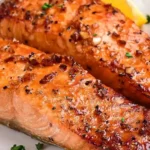
Air Fryer Honey Garlic Salmon
- Total Time: 15 minutes
- Yield: 2 servings 1x
- Diet: General
Description
Air Fryer Honey Garlic Salmon is a delicious fish dinner idea. Made with a simple yet delectable marinade, this salmon is easy to prep and cook in no time at all!
Ingredients
- 2 salmon fillets
- 1 tablespoon olive oil (plus oil spray)
- 1 tablespoon honey
- 1 tablespoon soy sauce
- 2 garlic cloves, finely chopped
- 1/3 teaspoon salt
- 1/4 teaspoon black pepper
Instructions
- Make the marinade: In a bowl, combine the olive oil, honey, soy sauce, chopped garlic cloves, salt, and black pepper.
- Brush: Brush the salmon fillets all over with the marinade.
- Preheat: Preheat the air fryer to 370 degrees Fahrenheit.
- Prepare: Spray the air fryer basket with olive oil and place the salmon slices in the basket, leaving some space between them.
- Cook: Cook the salmon fillets at 370 degrees Fahrenheit for 5 minutes, then brush with additional marinade and cook for another 3 minutes or until cooked through and flaky.
- Serve: Serve the honey garlic salmon fillets immediately.
Notes
Use fresh salmon fillets of similar size and thickness for even cooking. Wild salmon usually cooks slightly faster than farmed salmon. For maximum flavor, marinate the salmon for at least 30 minutes in the refrigerator. The FDA recommends an internal temperature of 145 degrees Fahrenheit.
- Prep Time: 7 minutes
- Cook Time: 8 minutes
- Category: Dinner
- Method: Air Fryer
- Cuisine: American
Nutrition
- Serving Size: 1 fillet
- Calories: 346 kcal
- Sugar: 9 g
- Sodium: 966 mg
- Fat: 18 g
- Saturated Fat: 3 g
- Unsaturated Fat: 14 g
- Trans Fat: 0 g
- Carbohydrates: 10 g
- Fiber: 0.2 g
- Protein: 35 g
- Cholesterol: 94 mg
Keywords: air fryer salmon, honey garlic salmon, honey garlic glaze, easy fish dinner