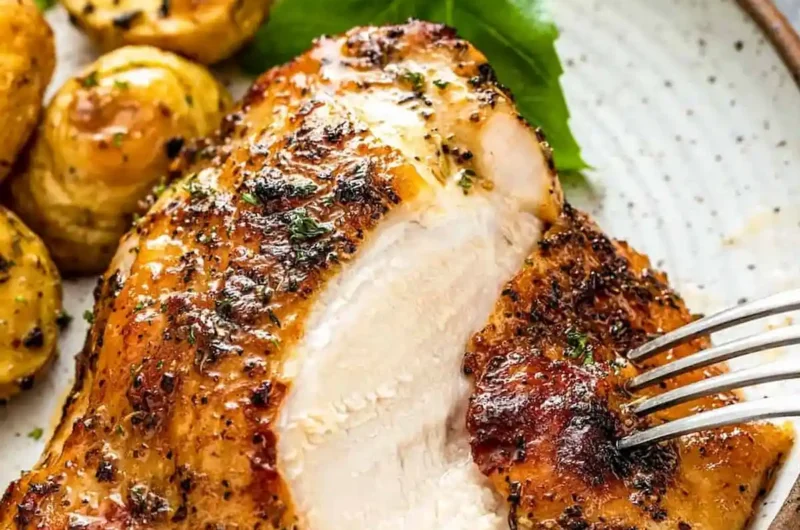
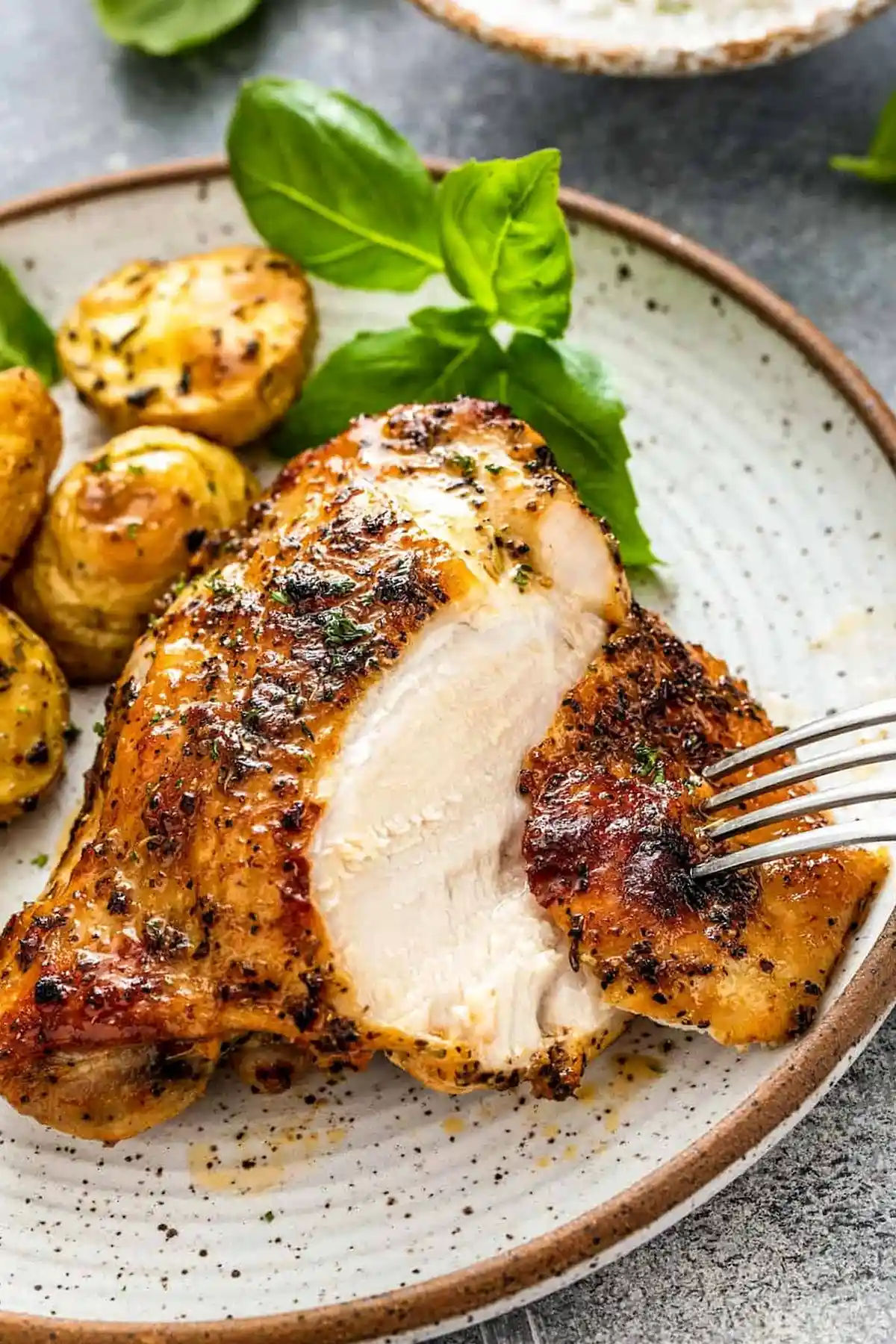
This method produces exceptionally juicy chicken with crisp skin using a balanced citrus and garlic marinade. It is an efficient way to prepare bone-in breasts or thighs for a high-quality weeknight dinner.
List of ingredients
- 2 tablespoons olive oil – provides a base for the marinade and helps brown the skin.
- juice from 1 orange – adds a natural sweetness and acidity.
- juice from 1 lemon – provides bright citrus notes to tenderize the meat.
- 1 1/2 teaspoons Italian seasoning (divided) – a blend of herbs for savory depth.
- 1 teaspoon salt – enhances all other flavors in the marinade.
- 1 teaspoon freshly cracked black pepper – adds a mild pungent heat.
- 1/2 teaspoon paprika (or smoked paprika) – contributes color and a hint of smokiness.
- 3 cloves fresh garlic (minced) – gives a strong, aromatic base.
- 1.5 lbs chicken breasts and/or thighs (bone-in and skin on) – ensures the meat stays moist during baking.
step-by-step instructions
- Prepare the marinade: Mix together the olive oil, orange juice, lemon juice, 1 teaspoon of the Italian seasoning, salt, black pepper, paprika, and minced garlic in a large bowl or sealable plastic bag.
- Coat the chicken: Add the bone-in, skin-on chicken pieces to the mixture and toss thoroughly to ensure every piece is fully coated.
- Marinate: Cover the bowl or seal the bag and refrigerate for 1 hour. For deeper flavor, you may marinate for up to 6 hours, but avoid going longer to prevent the meat texture from changing.
- Heat the oven: Preheat your oven to 375°F to ensure the chicken begins searing immediately upon entry.
- Arrange the pan: Line a baking pan with parchment paper and place the chicken on the pan with the bone side facing down. Ensure there is space between pieces to allow for even airflow and cooking.
- Final seasoning: Spoon a small amount of extra marinade over each piece of chicken. Sprinkle the remaining 1/2 teaspoon of Italian seasoning along with extra salt and pepper to taste.
- Bake: Cook in the preheated oven for 45 to 55 minutes. Check that the chicken is no longer pink at the bone and that the juices run clear.
- Verify temperature: Use an instant-read thermometer to ensure chicken breasts reach 165°F. While thighs are safe at 165°F, they reach peak tenderness and texture between 175°F and 190°F.
- Rest the meat: Cover the chicken loosely with aluminum foil and let it rest for 5 minutes. This allows juices to redistribute, ensuring the meat remains tender.
Preparation Mastery and Techniques
Patting Chicken Dry for Better Skin
Before adding the chicken to the marinade, use paper towels to remove all surface moisture. Removing excess water allows the oil and citrus marinade to adhere more effectively to the skin. This step is critical for achieving a crispier exterior during the roasting process.
Optimal Marinating Windows
The ideal marination time is between 1 and 4 hours for maximum flavor penetration. While 30 minutes is sufficient for a quick meal, extending the time beyond 6 to 8 hours can be counterproductive. Excessive exposure to citrus acids can break down the muscle proteins too much, resulting in a mushy texture.
Ensuring Full Oven Preheating
Always wait for the oven to reach the full 375°F temperature before sliding in the baking pan. Placing chicken in a lukewarm oven prevents the skin from searing and can lead to meat that is steamed rather than roasted. A hot start locks in juices and promotes a golden-brown finish.
Ingredient Selection Guide
Advantages of Bone-In and Skin-On Cuts
Using chicken with the bone and skin intact provides a natural buffer against the oven’s dry heat. The bone helps conduct heat more evenly to the center of the meat, while the skin prevents moisture from evaporating. This combination results in a significantly juicier piece of meat compared to boneless cuts.
Sourcing Fresh Citrus Juices
Freshly squeezed orange and lemon juices contain volatile oils and acids that bottled versions lack. These fresh components provide a cleaner, more vibrant flavor profile and better tenderizing properties. For an even more intense citrus punch, grate a small amount of zest from the fruit into the marinade.
Fresh Garlic versus Jarred Options
Freshly minced garlic cloves offer a sharp, pungent flavor that stands up well to the roasting process. Jarred minced garlic often contains preservatives and citric acid that can alter the taste of the glaze. Using fresh cloves ensures the aromatic profile remains bold and natural.
Choosing High-Smoke Point Oils
Olive oil is a great choice for this recipe due to its flavor and health benefits. However, avocado oil is an excellent alternative because it has a higher smoke point. This makes avocado oil particularly useful if you decide to increase the oven temperature or use the broiler.
Italian Seasoning Substitutions
If you do not have a pre-mixed Italian seasoning, you can create a similar blend using dried oregano and dried thyme. Use equal parts of both herbs to mimic the savory, earthy profile of the original seasoning. This combination works well with the citrus and garlic elements of the marinade.
Advanced Cooking Modifications
Implementing a Wire Cooling Rack
Instead of placing the chicken directly on parchment paper, set a wire rack inside your baking sheet. This elevates the meat, allowing hot air to circulate around the bottom and sides of the chicken. This technique eliminates soggy spots and ensures a uniform golden crust on all sides.
Achieving a Charred Finish with Broiling
If you prefer a darker, more caramelized top, turn on the broiler for the last 2 to 3 minutes of cooking. Watch the chicken closely during this time to prevent the sugars in the orange juice from burning. This brief blast of high heat creates a professional, restaurant-style char.
Using a Meat Thermometer for Precise Doneness
Relying on visual cues or timing alone can lead to overcooked, dry meat. Insert a digital meat thermometer into the thickest part of the breast or thigh, making sure the probe does not touch the bone. This ensures you pull the meat out exactly when it reaches the safe and optimal temperature.
Allowing Meat to Rest for Juice Redistribution
Resting the chicken for 5 minutes under a loose foil tent is a non-negotiable step for juiciness. During cooking, juices are pushed toward the center of the meat; resting allows them to flow back toward the edges. Cutting into the meat too early causes the juices to spill out, leaving the meat dry.
Flavor and Variation Ideas
Adding Fresh Herb Garnishes
Stirring in freshly minced rosemary or thyme during the marinating process adds a layer of woody, earthy flavor. These herbs complement the citrus glaze and enhance the overall aroma of the dish. Add them toward the end of the marinating period to keep their flavor bright.
Increasing Heat with Red Pepper Flakes
For those who enjoy a spicy kick, add a pinch of crushed red pepper flakes to the marinade mixture. The heat of the peppers balances the sweetness of the orange juice and the acidity of the lemon. You can also sprinkle them on top just before baking for added visual appeal.
Adjusting the Citrus Balance
Depending on the ripeness of your fruit, you may want to adjust the juice ratios. If the orange is very sweet, add an extra squeeze of lemon to maintain the acidic balance. This ensures the glaze is zesty and bright rather than overly sweet.
Storage and Longevity
Proper Refrigeration Methods
Once the chicken has cooled completely, place it in an airtight container to prevent it from drying out. Store the chicken in the main body of the refrigerator rather than the door to maintain a consistent temperature. Leftovers will remain safe and flavorful for up to 4 days.
Freezer Storage Guidelines
Cooked chicken can be frozen for up to 3 months without significant loss of quality. Wrap individual pieces tightly in aluminum foil and then place them in a heavy-duty freezer bag to prevent freezer burn. This is an excellent way to prepare bulk meals for future use.
Safe Thawing Processes
When preparing to eat frozen chicken, thaw it slowly in the refrigerator overnight. Avoid thawing meat on the kitchen counter, as this can allow the surface to reach unsafe temperatures. Refrigerator thawing preserves the texture and ensures food safety.
Optimal Reheating Methods
To maintain the moisture of the meat, reheat leftovers in the oven at 350°F, covered loosely with foil. Alternatively, use a microwave in short 30-second bursts, adding a teaspoon of water to the plate to create steam. This prevents the chicken from becoming rubbery or tough.
Troubleshooting Common Issues
Fixing Dry Chicken Meat
Dry chicken is usually the result of overcooking or using boneless cuts without adjusting the time. Always use a thermometer to avoid exceeding 165°F for breasts. If you find your chicken is consistently dry, try increasing the marination time to 4 hours to help the acids tenderize the proteins.
Solving Rubbery Skin Issues
Rubbery skin occurs when moisture is trapped against the meat or the oven temperature is too low. Ensure the oven is fully preheated and that the chicken pieces are not crowded on the pan. If the skin is still too soft, use the broiler for the final 2 minutes of cooking.
Managing Uneven Cooking
Uneven cooking often happens when chicken pieces are of significantly different sizes or are touching each other. Separate the pieces by at least an inch to allow heat to flow freely. For pieces of varying sizes, remove the smaller breasts first while letting the larger thighs continue to cook.
Frequently Asked Questions
Can I use boneless skinless chicken breasts?
Yes, but you must reduce the cooking time significantly, usually by 15 to 20 minutes. Because there is no bone or skin to protect the meat, boneless breasts dry out much faster. Check the internal temperature starting at the 25-minute mark.
Can I marinate the chicken overnight?
It is not recommended to marinate this specific recipe overnight. The combination of lemon and orange juice is highly acidic and will begin to chemically “cook” the meat. This can lead to a mealy or mushy texture rather than a tender one.
How do I prevent the skin from burning?
If you notice the skin browning too quickly before the internal temperature is reached, tent the pan with foil. This reflects some of the direct heat away from the surface while allowing the interior to continue cooking. Ensure your oven rack is in the center position.
Is this marinade suitable for chicken wings?
Yes, this marinade works exceptionally well for wings due to their high fat content. Since wings are smaller, reduce the baking time to 25 to 35 minutes. Toss them in the marinade and bake at 375°F until they reach an internal temperature of 165°F.
Print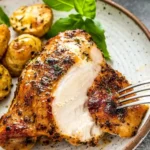
Juicy Oven Baked Citrus Garlic Chicken
- Total Time: 1 hour 50 minutes
- Yield: 6 servings 1x
- Diet: Gluten Free, Low Carb
Description
Oh-so-juicy with perfectly crisp skin, this Oven Baked Chicken recipe is our favorite easy dinner! Chicken breasts (or thighs!) are marinated in a garlicky, citrus glaze and roasted to perfection.
Ingredients
- 2 tablespoons olive oil
- juice from 1 orange
- juice from 1 lemon
- 1 1/2 teaspoons Italian seasoning (divided)
- 1 teaspoon salt
- 1 teaspoon freshly cracked black pepper
- 1/2 teaspoon paprika (or smoked paprika)
- 3 cloves fresh garlic (minced)
- 1.5 lbs chicken breasts and/or thighs (bone-in and skin on)
Instructions
- Marinate: Mix together all ingredients (using only 1 teaspoon of the Italian seasoning) except the chicken in a large bowl or large ziplock bag. Add the chicken and toss to coat. Cover bowl or seal ziplock bag and place in fridge to marinade for 1 hour.
- Prepare: Preheat the oven to 375°F. Line a baking pan with parchment paper and place the chicken bone side down on the pan. Leave a little room between each piece of chicken for even cooking.
- Season: Spoon a little extra marinade on top of each piece of chicken and then toss remaining marinade. Sprinkle chicken with the remaining 1/2 teaspoon Italian seasoning, and a little more salt and pepper to taste.
- Bake: Bake in preheated oven until chicken is no longer pink at the bone and the juices run clear, about 45 to 55 minutes.
- Rest: Cover chicken loosely with foil and allow to rest for 5 minutes, then serve.
Notes
Store cooled leftover chicken in an airtight container and refrigerate for up to 4 days. Reheat covered in foil in the oven at 350°F or in a microwave. Freeze cooked chicken for up to 3 months.
- Prep Time: 5 minutes
- Cook Time: 45 minutes
- Category: Chicken, Dinner Ideas
- Method: Baking
- Cuisine: American
Nutrition
- Serving Size: 1 serving
- Calories: 338 kcal
- Sugar: 12 g
- Sodium: 623 mg
- Fat: 12 g
- Saturated Fat: 3 g
- Unsaturated Fat: 9 g
- Trans Fat: 0 g
- Carbohydrates: 16 g
- Fiber: 2 g
- Protein: 41 g
- Cholesterol: 124 mg
Keywords: baked chicken, chicken breast, chicken thighs, citrus marinade, easy dinner