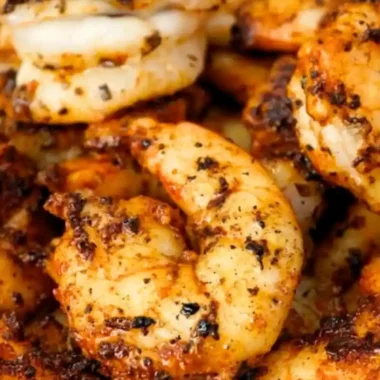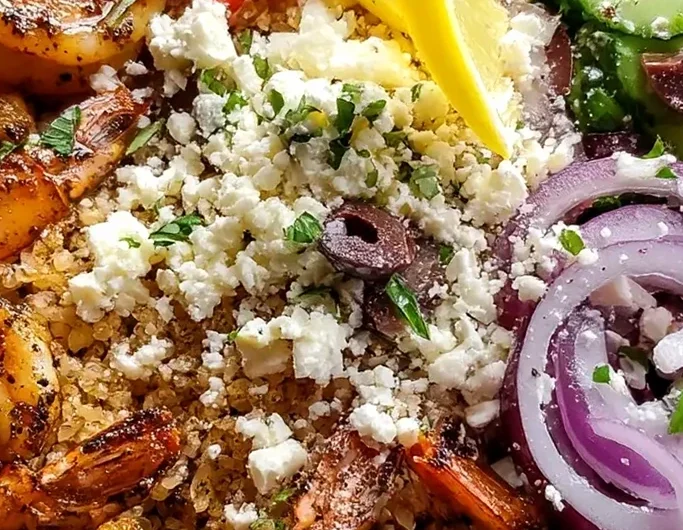
This Greek Shrimp Mediterranean Bowl is a nutrient-dense meal combining lean protein, complex carbohydrates, and fresh vegetables. It provides a balanced flavor profile that is perfect for high-protein lunches or quick dinners.
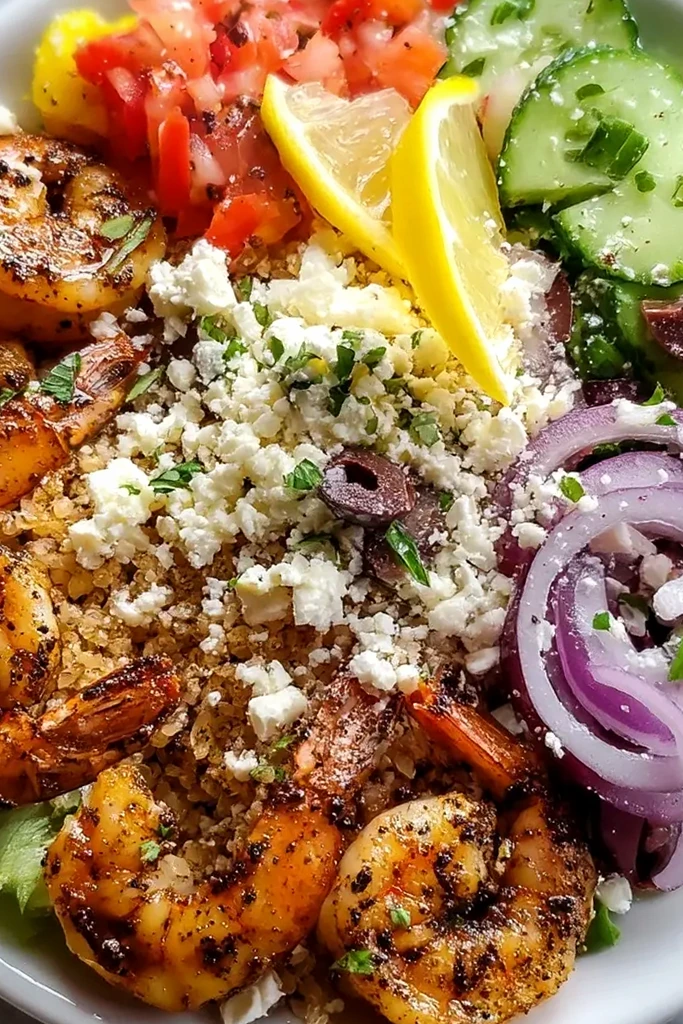
List of ingredients
- 1 pound shrimp, peeled and deveined – the primary protein source.
- 1 tablespoon olive oil – used for searing the shrimp.
- 2 cloves garlic, minced – adds aromatic depth.
- 1 teaspoon paprika – provides a mild smoky flavor and color.
- 1 teaspoon dried oregano – gives the classic Mediterranean herb profile.
- 1/2 teaspoon salt – enhances all flavors in the dish.
- 1/4 teaspoon black pepper – adds a subtle spicy bite.
- 1 cup quinoa, uncooked – the hearty, nutty grain base.
- 2 cups water – for simmering the quinoa.
- 4 cups romaine lettuce, chopped – provides a crisp, fresh foundation.
- 1 cucumber, sliced – adds a refreshing crunch.
- 1 cup tomatoes, diced – contributes sweetness and juiciness.
- 1/2 red onion, thinly sliced – adds a sharp, piquant contrast.
- 1/2 cup kalamata olives, sliced – provides a salty, briny element.
- 3/4 cup feta cheese, crumbled – adds creamy tanginess.
- 1 lemon, cut into wedges – used for a bright, acidic finish.
- 2 tablespoons fresh parsley, chopped – adds a fresh herbal note.
step-by-step instructions
- Cook the quinoa: Rinse the quinoa thoroughly, then cook it with water until tender and fluffy. Set it aside and fluff with a fork to prevent clumping.
- Season the shrimp: Pat the shrimp dry with paper towels. Toss them in a bowl with olive oil, minced garlic, paprika, oregano, salt, and black pepper until evenly coated.
- Sear the shrimp: Heat a skillet over medium-high heat. Cook the shrimp for 2 to 3 minutes per side until they turn pink and are lightly golden.
- Prepare the toppings: While the shrimp are cooking, chop the romaine lettuce and slice the cucumber, tomatoes, red onion, olives, and parsley.
- Base assembly: Divide the chopped romaine lettuce and the cooked quinoa evenly among four serving bowls.
- Layer the bowl: Arrange the sliced cucumber, diced tomatoes, red onion, olives, and seared shrimp on top of the base.
- Final touches: Sprinkle crumbled feta and chopped parsley over each bowl, then finish with a fresh squeeze of lemon juice.
Optimizing Ingredient Selection
Choosing the Right Shrimp
For this recipe, medium or large shrimp work best to ensure they do not overcook during the searing process. Use peeled and deveined shrimp to save preparation time and ensure a better eating experience.
Selecting High-Quality Quinoa
White quinoa is the most common choice for its mild flavor, but red or tri-color quinoa can be used for added texture. Ensure the quinoa is thoroughly rinsed to remove saponins, which can cause a bitter taste.
Picking the Best Feta Cheese
Feta stored in brine typically has a creamier texture and a more authentic salty tang than pre-crumbled varieties. Crumble it by hand just before serving to maintain its moisture and structure.
Freshness of Produce
Use firm cucumbers and ripe but firm tomatoes to prevent the bowl from becoming too watery. Romaine lettuce should be crisp and chilled to provide the best temperature contrast against the warm shrimp.
Advanced Cooking Techniques
The Importance of Drying Shrimp
Always pat shrimp completely dry before adding oil and spices. Excess moisture creates steam in the pan, which prevents the shrimp from developing a golden-brown sear and can lead to a rubbery texture.
Managing Pan Temperature
Use a heavy-bottomed skillet and maintain medium-high heat to achieve a quick sear. If the pan is too cold, the shrimp will release juices and boil; if it is too hot, the garlic will burn before the shrimp are cooked.
Identifying the Perfect Doneness
Shrimp are finished when they curl into a ‘C’ shape and become opaque. If they curl tightly into an ‘O’ shape, they are likely overcooked and will be tough to chew.
Fluffing Quinoa Correctly
After the water is absorbed, remove the quinoa from heat and let it sit covered for 5 minutes. Use a fork to gently lift and separate the grains rather than a spoon, which can mash them.
Grain and Base Substitutions
Using Rice as a Base
Brown rice or basmati rice are excellent alternatives to quinoa if you prefer a different texture. Ensure the rice is cooked according to package directions and cooled slightly before adding to the lettuce.
Low-Carb Grain Alternatives
Cauliflower rice is a suitable substitute for those seeking a lower-calorie or grain-free option. Sauté the cauliflower rice briefly in a pan with a teaspoon of olive oil before adding it to the bowl.
Alternative Leafy Greens
While romaine provides a classic crunch, baby spinach or a spring mix can be used. Arugula is another great option if you prefer a more peppery flavor profile in your base.
Using Farro or Couscous
Farro offers a chewier, heartier texture that pairs well with the briny olives. Pearl couscous provides a softer, pasta-like consistency that absorbs the lemon juice and shrimp juices efficiently.
Customizing Flavor Profiles
Increasing the Spice Level
To add heat, replace the paprika with smoked paprika or add a pinch of cayenne pepper to the shrimp seasoning. You can also add sliced jalapeños to the vegetable toppings for a fresh kick.
Enhancing the Herbaceous Notes
In addition to parsley, adding fresh mint or dill can elevate the Mediterranean feel. These herbs pair exceptionally well with the feta and cucumber components.
Adjusting the Acidity
If you prefer a tangier bowl, increase the amount of lemon juice or add a splash of red wine vinegar to the quinoa after cooking. This brightens the overall flavor and cuts through the richness of the feta.
Alternative Salty Elements
If Kalamata olives are unavailable, green olives or capers provide a similar briny punch. Ensure you rinse capers under cold water to manage the salt level.
Serving and Presentation Ideas
Creating a Platter Style
Instead of individual bowls, arrange the quinoa and lettuce on a large platter and place the toppings in distinct sections. This allows guests to customize their own portions and creates a visually appealing centerpiece.
Complementary Side Dishes
Serve this bowl with warm pita bread and a side of hummus for a more substantial meal. A side of tzatziki sauce can also be used as a dip for the shrimp or a dressing for the vegetables.
Visual Zoning in the Bowl
To make the bowl look professional, place the quinoa in the center and arrange the vegetables in colorful clusters around the perimeter. Place the seared shrimp on top of the quinoa for height.
Using Garnish for Contrast
Fresh parsley not only adds flavor but provides a vibrant green contrast to the red tomatoes and white feta. Sprinkle it evenly across the top just before the bowl hits the table.
Storage and Meal Prep Strategies
Preventing Soggy Ingredients
When prepping for the week, store the components in separate containers. Keep the dressed shrimp and quinoa together, but store the lettuce, cucumber, and tomatoes in a separate airtight container.
Managing Refrigeration Lifespan
Cooked shrimp and quinoa generally stay fresh for 3 to 4 days in the refrigerator. Freshly chopped vegetables are best consumed within 2 to 3 days to maintain their crispness.
Proper Reheating Methods
To reheat, gently warm the shrimp and quinoa in a microwave for 45-60 seconds or in a skillet over low heat. Always add the cold vegetables and feta after reheating to preserve their texture.
Freezing Component Options
While the assembled bowl cannot be frozen, cooked quinoa freezes exceptionally well. Store it in freezer-safe bags and thaw overnight in the refrigerator before assembly.
Troubleshooting Common Issues
Dealing with Rubbery Shrimp
If your shrimp turn out rubbery, it is usually due to overcooking or overcrowding the pan. Cook them in batches to ensure there is enough space for each piece to sear without steaming.
Fixing Watery Quinoa
If the quinoa is too wet, simmer it uncovered for an additional 2-3 minutes to evaporate excess moisture. Ensure the water-to-grain ratio is strictly 2:1 for the best results.
Reducing Onion Sharpness
If the red onion is too pungent, soak the slices in cold water for 10 minutes before adding them to the bowl. This removes the harsh sulfur compounds while keeping the crunch.
Balancing Over-Salted Feta
If the feta is too salty, soak the crumbled cheese in cold water for a few minutes and then pat it dry. This mellows the saltiness and prevents it from overpowering the other ingredients.
Frequently Asked Questions
Can I use frozen shrimp for this recipe?
Yes, frozen shrimp are perfectly suitable. Ensure they are completely thawed and patted dry with paper towels before seasoning to ensure a proper sear.
What is the best substitute for feta cheese?
Goat cheese is a great alternative for a similar creamy and tangy flavor. For a dairy-free option, use marinated tofu cubes or a plant-based feta alternative.
Can I make this dish vegan?
To make it vegan, replace the shrimp with chickpeas or grilled tofu, and swap the feta for a cashew-based cheese or extra avocado for creaminess.
How do I stop the lettuce from wilting?
Avoid adding the lemon juice or any dressings to the lettuce until the moment of serving. Keep the lettuce chilled in the refrigerator until the warm components are ready.
Can I use different water for cooking quinoa?
Yes, substituting water with vegetable broth adds more depth and savory flavor to the grain base. Maintain the same 2:1 ratio of liquid to quinoa.
Print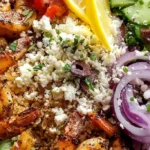
Greek Shrimp Mediterranean Bowl
- Total Time: 30 minutes
- Yield: 4 servings 1x
- Diet: Gluten Free
Description
This Greek Shrimp Mediterranean Bowl is a fresh, easy dinner packed with juicy seasoned shrimp, fluffy quinoa, crisp vegetables, briny olives, and creamy feta. It is a colorful healthy bowl recipe that works beautifully for quick dinner nights, easy lunch prep, healthy food ideas, Mediterranean dinner ideas, and simple high-protein meals.
Ingredients
- 1 pound shrimp, peeled and deveined
- 1 tablespoon olive oil
- 2 cloves garlic, minced
- 1 teaspoon paprika
- 1 teaspoon dried oregano
- 1/2 teaspoon salt
- 1/4 teaspoon black pepper
- 1 cup quinoa, uncooked
- 2 cups water
- 4 cups romaine lettuce, chopped
- 1 cucumber, sliced
- 1 cup tomatoes, diced
- 1/2 red onion, thinly sliced
- 1/2 cup kalamata olives, sliced
- 3/4 cup feta cheese, crumbled
- 1 lemon, cut into wedges
- 2 tablespoons fresh parsley, chopped
Instructions
- Step 1: Rinse the quinoa, then cook it with the water until tender and fluffy. Set it aside and fluff with a fork.
- Step 2: Pat the shrimp dry and toss them with olive oil, garlic, paprika, oregano, salt, and black pepper.
- Step 3: Heat a skillet over medium-high heat and cook the shrimp for 2 to 3 minutes per side until pink and lightly golden.
- Step 4: Prep the lettuce, cucumber, tomatoes, red onion, olives, feta, lemon, and parsley while the shrimp cooks.
- Step 5: Divide the lettuce and cooked quinoa among four bowls.
- Step 6: Arrange the cucumber, tomatoes, red onion, olives, and shrimp over each bowl.
- Step 7: Top with crumbled feta, fresh parsley, and a squeeze of lemon before serving.
Notes
Do not overcook the shrimp, because they can turn rubbery fast; pull them from the pan as soon as they are pink, opaque, and lightly firm.
- Prep Time: 15 minutes
- Cook Time: 15 minutes
- Category: Dinner
- Method: Stovetop
- Cuisine: Mediterranean
Nutrition
- Serving Size: 1 bowl
- Calories: 430 kcal
- Sugar: 4 g
- Sodium: 780 mg
- Fat: 18 g
- Saturated Fat: 6 g
- Unsaturated Fat: 10 g
- Trans Fat: 0 g
- Carbohydrates: 29 g
- Fiber: 4 g
- Protein: 35 g
- Cholesterol: 215 mg
Keywords: greek shrimp mediterranean bowl, shrimp bowl, quinoa bowl, healthy dinner, easy dinner, quick dinner, mediterranean recipe, lunch prep, healthy food ideas