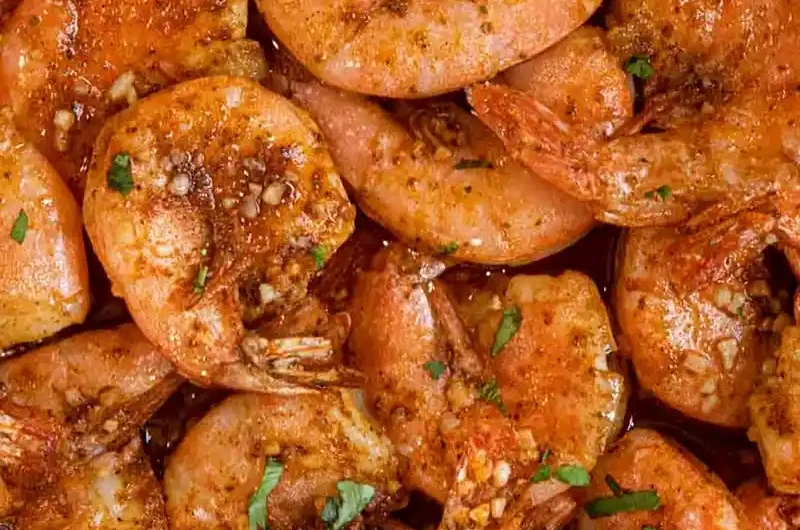
This quick roasted shrimp recipe delivers a bold, savory flavor in under 15 minutes. It is an ideal choice for a light dinner or a crowd-pleasing party appetizer.
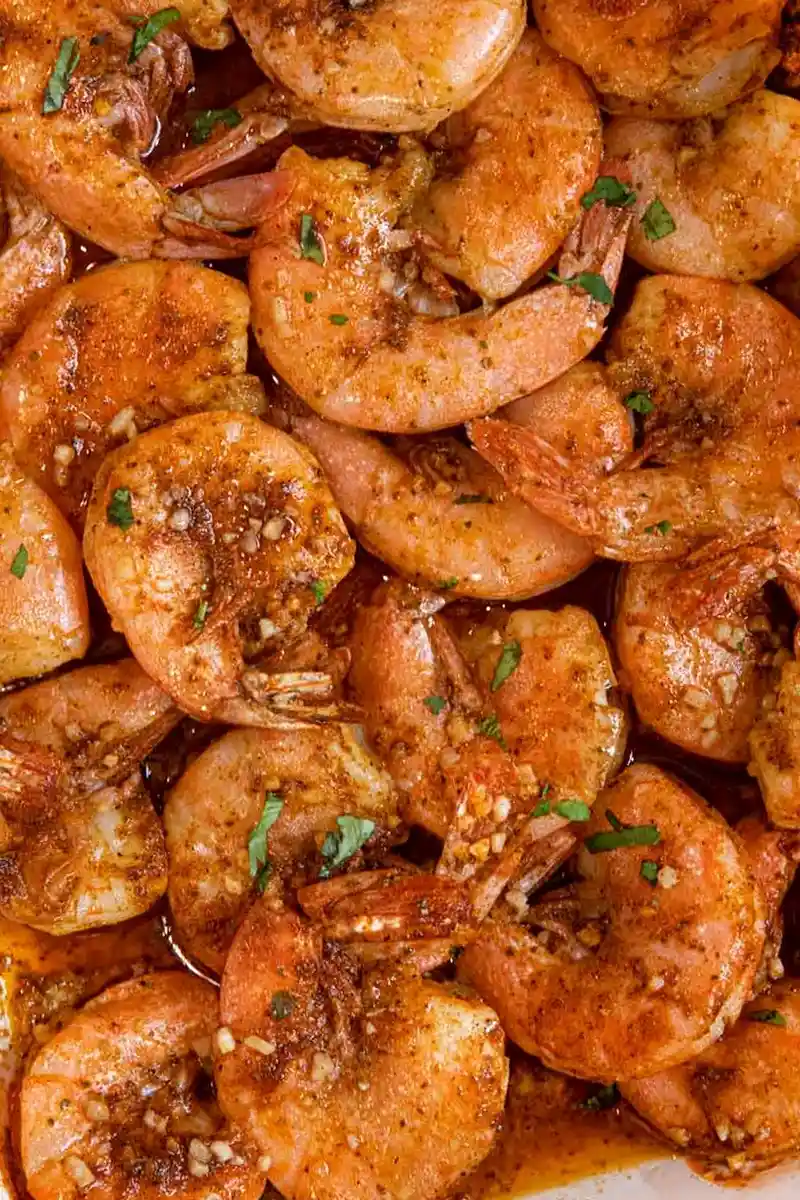
List of ingredients
- 1 tablespoon olive oil – used to prevent sticking and distribute seasoning.
- 1 pound large shrimp (shell on, deveined) – the shell helps keep the meat moist during roasting.
- 2 cloves garlic, minced – provides a fresh, aromatic punch.
- 1 1/2 teaspoons Old Bay seasoning – a classic blend of paprika, celery salt, and spices.
- 2 lemons, halved (optional) – used for roasting and fresh acidity.
step-by-step instructions
- Prepare the oven: Preheat the oven to 400 degrees. Ensure the oven rack is centered for consistent heat.
- Season the shrimp: Place the shrimp on a lightly greased baking sheet and toss with the 1 tablespoon olive oil and minced garlic. Ensure every shrimp is well coated.
- Arrange the pan: Sprinkle the Old Bay seasoning evenly over the shrimp and arrange them in a single layer. Place the lemon halves on the baking sheet if you are using them.
- Roast the seafood: Bake the shrimp for 8-10 minutes or until they are just pink and opaque throughout. Remove from the oven immediately to prevent overcooking.
- Finish and serve: Carefully squeeze the baked lemon halves over the shrimp to add a bright, citrusy garnish.
Pro Techniques for Perfect Roasting
Pat the Shrimp Dry Before Seasoning
Moisture on the surface of the shrimp can cause them to steam rather than roast. Use paper towels to pat the shrimp thoroughly dry after thawing and before adding the oil. This ensures the seasoning sticks better and the textures remain firm.
Avoid Overcrowding the Baking Sheet
If shrimp are piled on top of each other, they will release excess liquid and boil instead of roasting. Maintain a single layer with a small amount of space between each piece. This allows hot air to circulate, creating a more consistent cook.
Use a Parchment Paper Liner
While greasing the pan works, parchment paper provides a non-stick surface that makes cleanup effortless. It also prevents the minced garlic from sticking to the metal and burning too quickly. This ensures a cleaner flavor profile.
Monitor the Curl of the Shrimp
Shrimp are done when they curl into a ‘C’ shape. If they curl tightly into an ‘O’ shape, they are likely overcooked and will become rubbery. Start checking for doneness at the 8-minute mark.
Customizing the Flavor Profile
Increase the Heat with Spicy Additions
For a spicier kick, mix a teaspoon of hot sauce into the olive oil before tossing the shrimp. You can also sprinkle a pinch of red pepper flakes over the top before roasting. This adds a lingering warmth that complements the Old Bay seasoning.
Create a Garlic Parmesan Crust
Toss the seasoned shrimp with a half cup of finely grated Parmesan cheese just before baking. The cheese melts and crisps in the oven, adding a salty, umami layer to the shrimp. This variation transforms the dish into a richer appetizer.
Substitute with Cajun Seasoning
If you prefer a different regional flavor, replace the Old Bay with a high-quality Cajun spice blend. Cajun seasonings often have a heavier emphasis on cayenne and thyme. This gives the shrimp a bolder, more rustic taste.
Add a Crispy Breadcrumb Topping
Mix a quarter cup of panko breadcrumbs with the Old Bay seasoning and a drizzle of oil. Sprinkle this mixture over the shrimp during the last 5 minutes of roasting. This adds a textural contrast to the tender seafood.
Serving and Pairing Suggestions
Pair with Crusty Bread or Dinner Rolls
The olive oil and garlic juices left on the pan are highly flavorful. Serve the shrimp with warm dinner rolls or a sliced baguette to soak up the seasoning. This adds a satisfying carbohydrate element to the meal.
Choose the Right Dipping Sauce
While the roast shrimp are flavorful on their own, a side of cocktail sauce adds a classic tang. Alternatively, a garlic aioli or a lemon-butter dip can enhance the richness of the dish. These sauces provide a cooling contrast to the spices.
Combine with Hearty Side Dishes
For a full dinner, serve the roasted shrimp alongside creamy mashed potatoes or steamed corn on the cob. A crisp green salad with a light vinaigrette also balances the savory intensity of the Old Bay. These sides make the meal feel complete and balanced.
Turn the Recipe into Shrimp Tacos
Use the roasted shrimp as a filling for corn or flour tortillas. Top them with shredded cabbage, sliced avocado, and a drizzle of lime crema. This converts a simple appetizer into a fresh, handheld meal.
Storage and Preservation Guide
Keep Cooked Shrimp in Airtight Containers
Store any leftover shrimp in a sealed container in the refrigerator. They will remain fresh and safe to eat for up to 3 days. Ensure they are completely cooled before sealing to prevent moisture buildup.
Avoid Freezing Pre-Roasted Shrimp
Freezing and thawing cooked shrimp often results in a mushy, rubbery texture. If you must freeze them, peel the shells off first and store them in a freezer-safe bag. They will keep for about 2 months in the freezer.
Serving at Room Temperature
Roasted shrimp can be served at room temperature for up to 2 hours after cooking. This makes them a convenient option for buffet-style gatherings. Keep them covered to prevent the skins from drying out.
Chilling for Cold Appetizers
You can chill the shrimp completely and serve them on a platter over a bed of crushed ice. This keeps them cold and refreshing for about 2 hours. This presentation is particularly effective for summer garden parties.
Reheating Best Practices
Use a Low-Temperature Oven
To reheat, place the shrimp on a baking sheet and warm them in an oven set to 300 degrees. Heat them for only 3-5 minutes to avoid overcooking the proteins. This method preserves the texture better than high heat.
Reheat Carefully in the Microwave
Use a microwave-safe dish and heat the shrimp on medium power in short 30-second bursts. Stir them gently between intervals to ensure even warming. Be careful not to overheat, as this quickly makes shrimp tough.
Refresh with Fresh Citrus
Reheated shrimp can lose some of their brightness. Squeeze a fresh lemon wedge over the shrimp after reheating to wake up the flavors. A small drizzle of fresh olive oil can also restore the moisture.
Common Troubleshooting
Addressing Rubbery Shrimp Texture
Rubbery shrimp are almost always the result of overcooking. To prevent this, use a meat thermometer to check that the internal temperature reaches 145 degrees. Remove them from the heat as soon as they turn opaque.
Fixing Bland or Under-Seasoned Shrimp
If the shrimp taste bland, it is often because the shells blocked the seasoning from reaching the meat. In the future, toss them more vigorously in the oil and spices. You can fix under-seasoned shrimp by tossing them in melted butter and extra Old Bay after roasting.
Preventing Burnt Garlic Bits
Minced garlic can burn at 400 degrees if the pieces are too small or dry. Ensure the garlic is well-incorporated into the olive oil before adding it to the shrimp. The oil acts as a protective barrier against the direct heat.
Frequently Asked Questions
Can I use frozen shrimp for this recipe?
Yes, frozen shrimp work perfectly as long as they are fully thawed. Drain them in a colander and pat them dry with paper towels before adding oil. Using wet shrimp will prevent the roasting process and lead to steaming.
Should I remove the shells before roasting?
Keeping the shells on is recommended because they protect the delicate meat from the high heat. This prevents the shrimp from drying out and adds a traditional ‘peel and eat’ experience. However, the recipe still works with peeled shrimp; just reduce the cooking time by 2 minutes.
Is Old Bay seasoning too salty for some?
Old Bay contains celery salt, which can be quite prominent. If you are sensitive to sodium, you can reduce the amount of seasoning and add a pinch of paprika and black pepper. Always taste a small piece before serving to check the salt level.
Expanding into a Full Meal
Create a Sheet Pan Shrimp Boil
You can turn this recipe into a comprehensive meal by adding more ingredients to the pan. Double the oil and seasoning, then add thirds of corn on the cob and halved baby potatoes. Include thinly sliced beef sausage for a savory, protein-rich addition. Toss everything in the Old Bay mixture and roast at 400 degrees for 10-12 minutes until the vegetables are tender and the shrimp are pink.
Print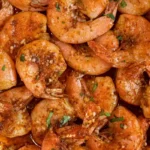
Roasted Old Bay Shrimp
- Total Time: 15 minutes
- Yield: 4 servings 1x
- Diet: General
Description
Roasted Old Bay Shrimp is the easiest summer appetizer that is baked in minutes and everyone is sure to enjoy. Ready in about 15 minutes!
Ingredients
- 1 tablespoon olive oil
- 1 pound large shrimp, shell on, deveined
- 2 cloves garlic, minced
- 1 1/2 teaspoons Old Bay seasoning
- 2 lemons, halved (optional)
Instructions
- Preheat: Preheat the oven to 400 degrees.
- Toss: Place the shrimp on a lightly greased baking sheet and toss with the 1 tablespoon olive oil and minced garlic.
- Season: Sprinkle evenly with the seasoning and arrange the shrimp in a single layer. Place the lemon halves (if using) on the baking sheet.
- Bake: Bake the shrimp for 8-10 minutes or until just pink and opaque throughout. Remove from oven.
- Garnish: Carefully squeeze baked lemon halves over shrimp for garnish.
Notes
Fresh shrimp is recommended, but thawed and patted dry frozen shrimp work well. Garlic powder can be used as a substitute for minced garlic.
- Prep Time: 5 minutes
- Cook Time: 10 minutes
- Category: Dinner
- Method: Baking
- Cuisine: American
Nutrition
- Serving Size: 1 serving
- Calories: 132 kcal
- Sugar: 1 g
- Sodium: 643 mg
- Fat: 5 g
- Saturated Fat: 1 g
- Unsaturated Fat: 4 g
- Trans Fat: 0.01 g
- Carbohydrates: 7 g
- Fiber: 2 g
- Protein: 16 g
- Cholesterol: 143 mg
Keywords: roasted shrimp, Old Bay seasoning, summer appetizer, peel and eat shrimp, American cuisine