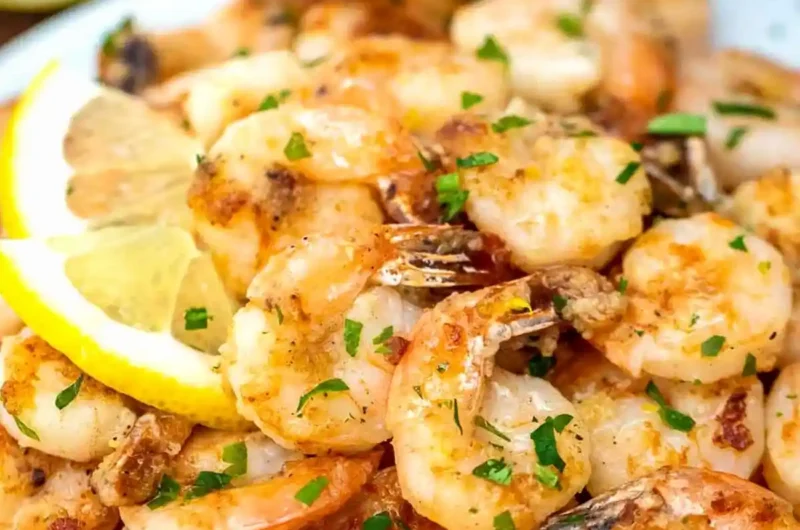
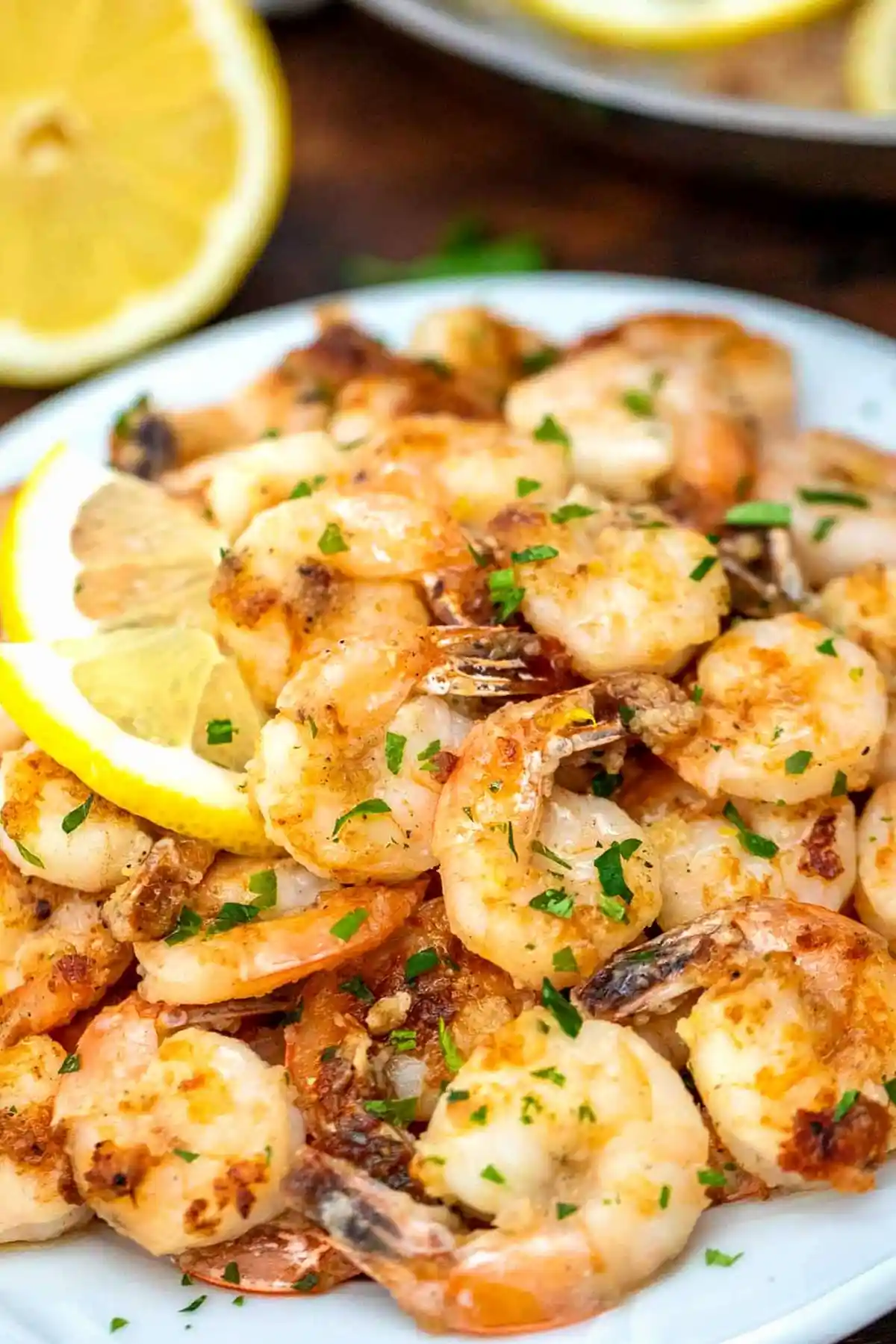
This quick one-pan meal combines zesty citrus and bold pepper for a fast, flavorful dinner. It takes only 20 minutes from start to finish, making it a practical choice for busy weeknights.
List of ingredients
- 1 1/2 pounds shrimp (medium size and deveined) – Use fresh or thawed frozen shrimp.
- 3 tablespoons all-purpose flour – Provides a light, crisp coating.
- 1 teaspoon white pepper – Adds a subtle, earthy heat.
- 1/2 teaspoon black pepper – Delivers a classic peppery bite.
- 1 teaspoon garlic powder – Ensures even flavor distribution without burning.
- 1/2 teaspoon onion powder – Adds a savory depth to the seasoning.
- salt to taste – Enhances the overall flavor profile.
- 2 tablespoons olive oil – Raises the smoke point of the cooking fat.
- 2 tablespoons unsalted butter – Adds a rich, buttery glaze.
- 2 tablespoons lemon juice – Provides bright, citrus acidity.
- 1 tablespoon lemon zest – Intensifies the fresh lemon aroma.
- Lemon slices and parsley – Used for a fresh final garnish.
step-by-step instructions
- Defrost and dry: If using frozen shrimp, defrost them under cold running water. Use paper towels to pat them completely dry so the coating adheres properly.
- Prepare the coating: In a large bowl, stir together the flour, white pepper, black pepper, garlic powder, onion powder, and salt. Add the shrimp and toss thoroughly until every piece is coated.
- Sear the shrimp: Heat a large skillet over medium-high heat and add the olive oil and butter. Once the butter is sizzling, add the shrimp in a single layer and cook for about 2 minutes per side until crisp and browned.
- Add citrus flavors: Pour in the lemon juice and stir in the lemon zest. Cook for one more minute to glaze the shrimp, then remove the pan from the heat.
- Finish and serve: Plate the shrimp immediately and garnish with fresh parsley and lemon slices.
Comprehensive Shrimp Preparation Guide
How to Properly Devein Shrimp
To devein fresh shrimp, first remove the legs and peel the shell from the belly. Use a small paring knife to make a shallow slit along the back of the shrimp to expose the dark vein. Gently pull the vein out with the tip of the knife or rinse it away under cold running water.
Choosing the Right Shrimp Size
Medium shrimp are ideal for this recipe because they cook quickly and evenly. If you use jumbo shrimp, you may need to increase the searing time by 1-2 minutes per side. Conversely, small shrimp cook very rapidly and can become rubbery if left in the pan too long.
Handling Frozen Seafood Safely
Always thaw frozen shrimp in the refrigerator overnight or under cold running water in a colander. Never thaw seafood at room temperature, as this increases the risk of bacterial growth. Once thawed, the shrimp must be dried thoroughly to prevent them from steaming in the pan.
Pro Techniques for a Perfect Sear
Avoiding Overcrowded Pans
Cooking shrimp in batches is essential if your skillet is not large enough. When too many shrimp are added at once, they release moisture that lowers the pan temperature. This causes the shrimp to steam instead of sear, resulting in a pale color and mushy texture.
Managing Heat with Butter and Oil
Combining olive oil with butter allows you to cook at a higher temperature than butter alone. The oil prevents the milk solids in the butter from burning too quickly. Ensure the mixture is sizzling before adding the shrimp to achieve a golden-brown crust.
Identifying the Perfect Doneness
Shrimp are cooked when they change from a translucent gray to an opaque white and pink color. They should curl into a gentle ‘C’ shape; if they curl tightly into an ‘O’ shape, they are overcooked. Remove them from the heat as soon as the edges are browned and the center is opaque.
Flavor Modifications and Variations
Creating a Spicy Cajun Version
For a bolder heat, stir one teaspoon of Cajun seasoning into the flour mixture. The added paprika and cayenne provide a smoky, spicy contrast to the lemon. This version pairs exceptionally well with corn on the cob or steamed cabbage.
Using Key Lime for a Tropical Twist
Replace the lemon juice and zest with fresh key lime juice and lime zest. Key limes offer a more aromatic and slightly sweeter citrus profile than standard lemons. This variation works well when serving the shrimp as an appetizer for summer gatherings.
Incorporating Fresh Vegetables
You can turn this into a complete meal by sautéing vegetables in the same pan. Add sliced bell peppers, snap peas, or halved baby red potatoes before the shrimp. Ensure the vegetables are fully cooked through before adding the shrimp to the pan.
Substituting with Other Seafood
This seasoning blend works well with sea scallops or lobster chunks. Scallops require a very hot pan and should be patted extremely dry to get a proper crust. Lobster pieces may require an extra minute of searing due to their density.
Serving and Pairing Ideas
Low-Carb Base Options
For a ketogenic or low-carb meal, serve the shrimp over cauliflower rice. Sautéed zucchini noodles or a bed of fresh baby spinach also work well. The butter-lemon sauce from the pan acts as a natural dressing for these vegetables.
Classic Grain Pairings
White jasmine rice or fluffy quinoa are excellent for absorbing the lemon butter sauce. For a southern-style meal, serve the shrimp over creamy stone-ground grits. The contrast between the zesty shrimp and the mild grits is highly satisfying.
Pasta Combination Ideas
Toss the finished shrimp with thin spaghetti, linguine, or angel hair pasta. If using pasta, reserve a small amount of pasta water to help the lemon butter sauce cling to the noodles. A sprinkle of fresh parmesan cheese can add a salty finish.
Using as a Taco Filling
Place the lemon pepper shrimp in warm corn or flour tortillas. Top them with a shredded cabbage slaw dressed in lime juice and a drizzle of chipotle crema. Fresh cilantro and diced avocado provide a cooling balance to the peppery shrimp.
Storage and Reheating Instructions
Refrigeration Guidelines
Store leftover shrimp in an airtight glass container in the refrigerator. They will remain fresh and safe to eat for up to three days. Keep them in the main body of the fridge rather than the door to maintain a consistent temperature.
Why Freezing Cooked Shrimp is Discouraged
Freezing shrimp after they have been cooked often ruins their texture. The freezing process creates ice crystals that rupture the delicate protein structures. When thawed, the shrimp often become mushy or excessively rubbery.
The Best Way to Reheat
Avoid the microwave, as it often overcooks the shrimp and makes them tough. Instead, reheat them in a skillet over medium heat with a tablespoon of olive oil or butter. Heat them just until they are warmed through to preserve the tenderness.
Common Shrimp Cooking Questions
Can I marinate shrimp in lemon juice?
No, you should not marinate shrimp in lemon juice for more than a few minutes. The citric acid denatures the proteins, effectively ‘cooking’ the shrimp chemically. This process, used in ceviche, makes the shrimp firm and can lead to a rubbery texture if overdone.
Why is my shrimp rubbery?
Rubbery shrimp are almost always the result of overcooking. Because shrimp are small and lean, they only need 2-3 minutes per side. Ensure you remove them from the heat as soon as they form a ‘C’ shape to maintain a juicy interior.
How do I keep shrimp from being mushy?
Mushiness is usually caused by excess moisture or low pan temperatures. Always pat the shrimp dry with paper towels before coating them in flour. Additionally, ensure the oil is shimmering and the butter is sizzling before adding the seafood to the pan.
Print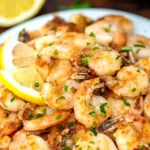
One-Pan Lemon Pepper Shrimp
- Total Time: 20 minutes
- Yield: 4 servings 1x
- Diet: General
Description
One-Pan Lemon Pepper Shrimp is a delicious dish full of fresh, citrusy, and peppery flavors that takes only 20 minutes to prepare.
Ingredients
- 1 1/2 pounds medium size and deveined shrimp
- 3 tablespoons all-purpose flour
- 1 teaspoon white pepper
- 1/2 teaspoon black pepper
- 1 teaspoon garlic powder
- 1/2 teaspoon onion powder
- salt to taste
- 2 tablespoons olive oil
- 2 tablespoons unsalted butter
- 2 tablespoons lemon juice
- 1 tablespoon lemon zest
- Lemon slices and parsley for garnish
Instructions
- Step 1: If the shrimp is frozen, defrost it under cold running water.
- Step 2: Pat dry with paper towels before cooking.
- Step 3: In a large bowl, stir together flour, white pepper, black pepper, garlic powder, onion powder, and salt. Add shrimp and toss to coat.
- Step 4: Heat a large skillet over medium-high heat, then add butter and oil. Once sizzling, add shrimp and cook until crisp and browned, about 2 minutes per side. If necessary, cook in batches and do not overcrowd the pan.
- Step 5: Add lemon zest and lemon juice to the shrimp, stir for 1 minute, and remove from the heat.
- Step 6: Serve with lemon slices and parsley.
Notes
Pat shrimp dry before cooking to help the coating stick better. For extra crispy shrimp, add a bit of cornstarch to the flour. Ensure shrimp stays very cold until ready to be cooked.
- Prep Time: 10 minutes
- Cook Time: 10 minutes
- Category: Appetizer, Main Course
- Method: Pan-frying
- Cuisine: American
Nutrition
- Serving Size: 1 serving
- Calories: 317 kcal
- Sugar: 1 g
- Sodium: 1373 mg
- Fat: 15 g
- Saturated Fat: 5 g
- Unsaturated Fat: 10 g
- Trans Fat: 0 g
- Carbohydrates: 8 g
- Fiber: 1 g
- Protein: 36 g
- Cholesterol: 444 mg
Keywords: Lemon Pepper Shrimp, One Pan Shrimp, Quick Shrimp Recipe, American Seafood