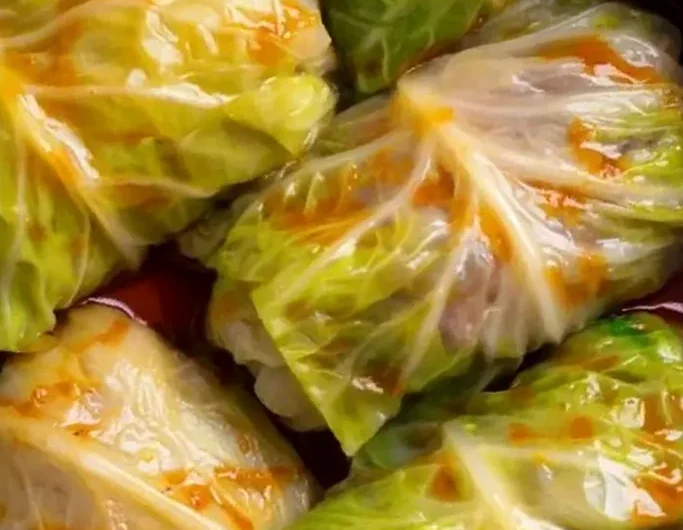
These hearty Polish cabbage rolls are filled with a savory blend of ground beef and rice, then simmered in a sweet and tangy tomato sauce. They provide a comforting, filling meal that is perfect for family dinners or healthy meal prepping.
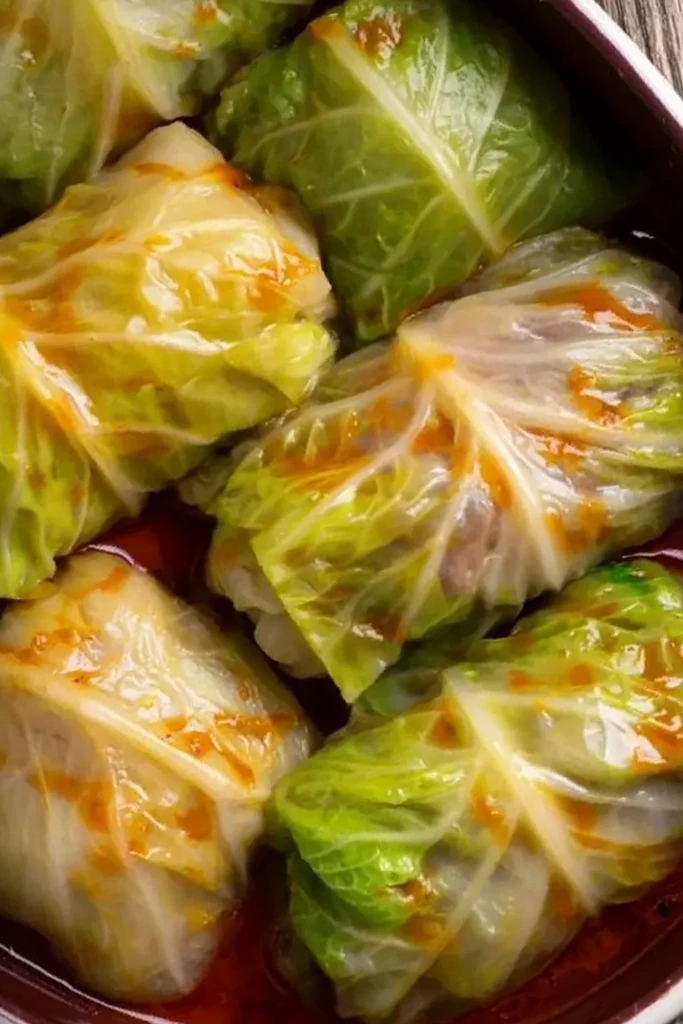
List of ingredients
- 1 medium head of cabbage – used for wrapping the filling.
- 1 pound ground beef – provides the rich protein base.
- 1 cup cooked rice – adds structure and heartiness to the filling.
- 1 can (10.5 oz) tomato soup – adds thickness and depth to the sauce.
- 1 onion, chopped – adds aromatic flavor to the meat mixture.
- 1 egg – acts as a binder to hold the filling together.
- Salt and pepper to taste – essential for seasoning the beef.
- 1 can (15 oz) tomato sauce – the primary base for the topping.
- 1 tablespoon brown sugar – balances the acidity of the tomatoes.
- 1 tablespoon vinegar – adds a bright, tangy note to the sauce.
step-by-step instructions
- Preheat the Oven: Set your oven to 350°F (175°C) to ensure it is ready for baking.
- Prepare the Cabbage: Bring a large pot of water to a boil and carefully remove the core from the cabbage.
- Blanch the Leaves: Place the cabbage leaves in boiling water for 2-3 minutes until they become pliable.
- Mix the Filling: In a large bowl, combine the ground beef, cooked rice, chopped onion, egg, salt, and pepper. Mix until well incorporated.
- Roll the Cabbage: Take a blanched cabbage leaf, place a portion of the meat mixture onto it, and roll it tightly, tucking in the ends to seal.
- Prepare the Sauce: In a separate bowl, mix the tomato sauce, tomato soup, brown sugar, and vinegar, adjusting seasonings as needed.
- Assemble the Dish: Pour a small amount of the sauce mixture into a baking dish. Arrange the cabbage rolls seam-side down and pour the remaining sauce over them.
- Bake the Rolls: Cover the dish with foil and bake for 1 hour. Uncover for the last 15 minutes to allow the tops to brown slightly.
- Serve: Serve the rolls warm, garnished with fresh parsley if desired.
Optimal Cabbage Preparation
Selecting the Best Cabbage Variety
While standard green cabbage is the most common choice for these rolls, Savoy cabbage is a wonderful alternative. Savoy cabbage has crinkled leaves that are naturally more tender and pliable. This variety often holds the filling better and requires slightly less blanching time.
Removing the Core Efficiently
To remove the core without damaging the leaves, use a sharp knife to cut a deep circle around the stem. Gently pry the core out with your fingers or a spoon. This ensures the center leaves remain intact for rolling.
Blanching for Maximum Flexibility
Blanching is essential because raw cabbage leaves are too stiff to roll and will crack. Ensure the water is at a rolling boil before adding the leaves. Only leave them in for a few minutes so they stay strong enough to hold the meat.
Cooling Leaves for Easier Handling
After blanching, immediately move the leaves to a colander or a bowl of cool water. This stops the cooking process and prevents the leaves from becoming mushy. Cooling them also makes it much easier to handle the leaves while rolling.
Enhancing the Filling Mixture
Choosing the Right Ground Beef Fat Ratio
For the best flavor, use ground beef with a fat content of about 80/20. This provides enough moisture so the filling doesn’t dry out during the hour of baking. If you use very lean beef, consider adding a tablespoon of olive oil to the mix.
Using Different Grain Varieties
While white rice is traditional, you can use brown rice for more fiber and a nuttier taste. Quinoa is another excellent substitute for those seeking a gluten-free or protein-rich alternative. Ensure the grains are fully cooked before adding them to the meat.
The Importance of the Egg Binder
The egg serves as the glue that keeps the beef and rice from crumbling once the rolls are sliced. Without it, the filling may fall out of the cabbage leaf during serving. Be sure to beat the egg slightly before mixing it with the beef.
Seasoning for Depth of Flavor
Do not be afraid to be generous with the salt and pepper in the meat mixture. Since the cabbage is relatively bland, the filling needs a bold flavor to stand out. You can also add a pinch of garlic powder for extra savoriness.
Mastering the Sauce Balance
Using Tomato Soup for Thickness
The inclusion of tomato soup provides a creamy consistency and a hint of sweetness that plain sauce lacks. It helps create a glaze-like coating on the rolls as they bake. If you prefer a less sweet sauce, you can substitute this with a thick tomato puree.
Balancing Acidity with Brown Sugar
Tomato products can be very acidic, which can sometimes overpower the beef. Brown sugar mellows out the sharpness of the tomatoes and creates a sweet-savory contrast. Start with one tablespoon and adjust based on your preference.
Adding Tang with Vinegar
Vinegar cuts through the richness of the beef and the sweetness of the sugar. Apple cider vinegar provides a fruity tang, while white vinegar offers a sharper, cleaner acidity. This small addition brightens the overall flavor profile of the dish.
Customizing the Sauce Seasoning
While the basic sauce is delicious, you can add a pinch of paprika or a dash of Worcestershire sauce for more complexity. Taste the sauce before pouring it over the rolls to ensure the balance is correct. Add a pinch of salt if the flavors feel muted.
Assembly and Rolling Techniques
Proper Meat Distribution
Place a handful of meat mixture in the center of the leaf, leaving about an inch of space around the edges. Avoid overfilling the leaves, as this will make them burst during the baking process. Aim for a uniform size for consistent cooking.
Tucking and Sealing the Ends
Start by folding the sides of the cabbage leaf over the meat mixture. Then, roll the leaf forward tightly from the bottom to the top. Tucking the ends inward ensures the filling stays trapped inside the roll.
Arranging Rolls for Stability
Always place the rolls in the baking dish with the seam side facing down. The weight of the roll and the sauce will press the seam against the pan, preventing them from unravelling. Pack them snugly but not too tightly.
Utilizing Excess Cabbage Leaves
If you have leftover leaves that were too small to roll, do not throw them away. Chop them up and scatter them across the bottom of the baking dish. They will soak up the sauce and become a delicious side component.
Baking and Cooking Precision
Ensuring Accurate Oven Temperature
Using an oven thermometer is recommended to ensure your oven is truly at 350°F. If the oven is too hot, the sauce may burn before the meat is cooked through. If it is too cold, the cabbage may become overly soft and lose its structure.
The Role of Foil in Steaming
Covering the dish with foil creates a steam chamber that tenderizes the cabbage. This moisture is critical for cooking the beef and rice evenly without drying them out. Keep the foil tight to prevent steam from escaping.
Timing the Uncovered Browning Phase
Removing the foil for the final 15 minutes allows the excess liquid to evaporate. This concentrates the flavors in the sauce and gives the tops of the rolls a slight golden-brown color. This step adds a necessary visual and textural appeal.
Verifying Internal Doneness
The cabbage rolls are done when the internal temperature of the meat reaches 165°F. You can also check by piercing a roll with a knife; the juices should run clear. If the sauce looks too thin, leave them uncovered for a few more minutes.
Serving Suggestions and Pairings
Traditional Potato Accompaniments
Creamy mashed potatoes are the most classic pairing for Polish cabbage rolls. The buttery texture of the potatoes complements the tangy tomato sauce perfectly. You could also serve them with boiled baby potatoes tossed in parsley.
Choosing the Right Crusty Bread
A piece of sourdough or dark rye bread is ideal for mopping up the leftover sauce. The acidity of rye bread mirrors the vinegar in the sauce, creating a harmonious flavor. Ensure the bread is toasted to provide a crunch against the soft rolls.
Fresh Herb Garnishing
Freshly chopped parsley adds a pop of color and a clean, peppery taste to the plate. Dill is another traditional Polish herb that works exceptionally well with cabbage and beef. Sprinkle the herbs just before serving to keep them vibrant.
Adding Creamy Toppings
A dollop of sour cream on top of each roll adds a cool, creamy contrast to the warm, acidic sauce. This is a common way to enjoy gołąbki in Eastern Europe. For a dairy-free version, a thick cashew cream works well.
Storage and Preservation Methods
Refrigeration Guidelines
Store leftover cabbage rolls in an airtight glass container to keep them moist. They will stay fresh in the refrigerator for up to four days. Ensure the rolls are completely cooled before sealing the lid to prevent condensation.
Freezing Assembled Raw Rolls
You can prepare the rolls and store them uncooked in the freezer for up to three months. Place them in a freezer-safe bag with a bit of the sauce to prevent freezer burn. Thaw them in the fridge overnight before baking.
Freezing Cooked Cabbage Rolls
Fully cooked rolls freeze very well and maintain their flavor. Place them in a container and cover them entirely with the remaining tomato sauce. This protects the cabbage from drying out during the freezing process.
Safe Thawing Procedures
Always thaw frozen rolls in the refrigerator rather than on the counter. This ensures the meat stays at a safe temperature and prevents the cabbage from becoming soggy. Allow at least 12 to 24 hours for complete thawing.
Effective Reheating Methods
Oven Reheating for Best Texture
For the best results, reheat the rolls in the oven at 325°F. Add a splash of water or extra tomato sauce to the dish and cover with foil. This restores the moisture and keeps the cabbage tender.
Microwave Reheating for Speed
If you are short on time, the microwave is a convenient option. Place the rolls on a plate and cover them with a damp paper towel to prevent drying. Heat in short bursts of 30 seconds until warmed through.
Simmering on the Stovetop
You can reheat the rolls in a wide skillet over low heat. Add a small amount of broth or sauce and cover with a lid. This method allows you to gently steam the rolls back to their original texture.
Preventing Meat Dryness
The biggest risk during reheating is drying out the beef filling. Always add a bit of liquid—whether it is sauce, water, or broth—before heating. This ensures the meat remains juicy and the rice stays soft.
Make-Ahead Strategy
Pre-Assembling the Rolls
You can roll the cabbage and fill them a day in advance. Once assembled, place them in the baking dish and cover them tightly with plastic wrap. This allows the flavors of the meat and seasonings to meld together.
Preparing Sauce in Advance
The tomato sauce can be mixed and stored in a jar in the fridge for several days. In fact, the sauce often tastes better after the sugar and vinegar have had time to integrate. Just shake the jar before pouring it over the rolls.
Chilling Before Cooking
Keeping the rolls chilled until the moment they go into the oven helps them hold their shape better. Cold rolls are slightly firmer, making them less likely to break during the transfer to the oven. Ensure the dish is well-covered.
Adjusting Timings for Cold Rolls
If you are baking rolls directly from the refrigerator, you may need to add 10 to 15 minutes to the total baking time. Check the internal temperature to ensure the centers are hot. Keep them covered with foil longer to ensure they heat evenly.
Troubleshooting Common Challenges
Preventing Cabbage Leaf Tears
If your leaves are tearing, you may be blanching them for too long or not long enough. If they are too stiff, they crack; if they are overcooked, they disintegrate. Aim for a texture that is flexible but still has some resistance.
Fixing Loose or Unravelling Rolls
If your rolls are coming apart, try using a toothpick to pin the seam in place. Alternatively, ensure you are pressing them firmly seam-side down in the pan. Adding a bit more cooked rice to the filling also helps it bind more tightly.
Adjusting Bland Meat Filling
If the filling tastes bland, you can add a teaspoon of soy sauce or a pinch of smoked paprika to the mix. These ingredients add umami and depth. Always taste a tiny bit of the raw mixture (if safe) or a cooked sample before rolling.
Thickening a Runny Sauce
If your sauce is too thin after baking, you can simmer it in a saucepan for a few minutes to reduce it. You can also mix a small amount of cornstarch with water and stir it into the boiling sauce. This will create a thick, glossy glaze.
Frequently Asked Questions
Can I use frozen cabbage?
Yes, you can use frozen cabbage, but it is already softened. You do not need to blanch it; simply thaw it and separate the leaves carefully before filling.
What if I don’t have tomato soup?
You can substitute the tomato soup with a combination of crushed tomatoes and a small amount of beef broth. Add a pinch of sugar to mimic the sweetness of the soup.
Are there gluten-free options?
This recipe is naturally gluten-free as long as you use a gluten-free tomato soup and sauce. You can also substitute the rice with quinoa or cauliflower rice for a lower-carb version.
How do I know when they’re done?
The rolls are done when the cabbage is tender and the internal temperature of the beef reaches 165°F (75°C). The sauce should also be bubbling around the edges.
Can I make these spicy?
Yes, you can add red pepper flakes or a diced jalapeño to the meat filling. Adding a dash of cayenne pepper to the tomato sauce also adds a nice warmth.
What’s the best way to reheat cabbage rolls?
The best way is in the oven with a bit of extra sauce and a foil cover. This prevents the cabbage from drying out and keeps the filling moist.
How long can leftovers last?
Leftovers are safe in the refrigerator for up to four days. In the freezer, they can last up to three months if stored in an airtight container.
Can I mix meats?
Absolutely. Mixing ground beef with ground turkey or lean ground veal can add different flavor profiles and textures. Just maintain the same total weight of meat.
What side dishes work best with this?
Mashed potatoes, sauerkraut, and a crisp green salad are traditional and complementary sides. Crusty rye bread is also highly recommended.
Is this recipe scalable?
Yes, you can easily double or triple the ingredients for a larger crowd. Just ensure you use a larger baking dish so the rolls aren’t overcrowded.
Print
Savory Polish Cabbage Rolls with Beef and Rice
- Total Time: 90 minutes
- Yield: 8 servings 1x
- Diet: Traditional
Description
Delicious and comforting Polish Cabbage Rolls, filled with seasoned ground beef and rice, wrapped in cabbage leaves, and baked in a sweet tomato sauce.
Ingredients
- 1 medium head of cabbage
- 1 pound ground beef
- 1 cup cooked rice
- 1 can (10.5 oz) tomato soup
- 1 onion, chopped
- 1 egg
- Salt and pepper to taste
- 1 can (15 oz) tomato sauce
- 1 tablespoon brown sugar
- 1 tablespoon vinegar
Instructions
- Step 1: Preheat your oven to 350°F (175°C).
- Step 2: Bring a large pot of water to a boil and carefully remove the core from the cabbage.
- Step 3: Blanch the cabbage leaves in boiling water for 2-3 minutes until pliable.
- Step 4: In a large bowl, combine ground beef, cooked rice, chopped onion, egg, salt, and pepper. Mix until well incorporated.
- Step 5: Take a blanched cabbage leaf, place a portion of the meat mixture onto it, and roll it tightly, tucking in the ends to seal.
- Step 6: In another bowl, mix tomato sauce, tomato soup, brown sugar, and vinegar, adjusting seasonings as desired.
- Step 7: Pour a small amount of the sauce mixture into a baking dish, arrange the cabbage rolls seam-side down, and pour the remaining sauce over the rolls.
- Step 8: Cover with foil and bake for 1 hour; uncover for the last 15 minutes to brown slightly.
- Step 9: Serve warm, garnished with fresh parsley if desired.
Notes
For added flavor, chop extra cabbage and add it to the bottom of the baking dish. Store leftovers in an airtight container for up to 4 days.
- Prep Time: 30 minutes
- Cook Time: 60 minutes
- Category: Main Course
- Method: Baking
- Cuisine: Polish
Nutrition
- Serving Size: 1 roll
- Calories: 250 kcal
- Sugar: 6 g
- Sodium: 500 mg
- Fat: 10 g
- Saturated Fat: 4 g
- Unsaturated Fat: 4 g
- Trans Fat: 0 g
- Carbohydrates: 30 g
- Fiber: 3 g
- Protein: 12 g
- Cholesterol: 50 mg
Keywords: cabbage rolls, Comfort Food, Polish cuisine, stuffed cabbage, traditional recipes