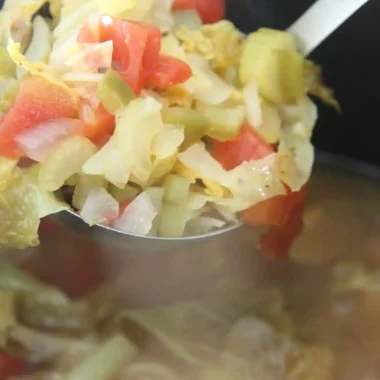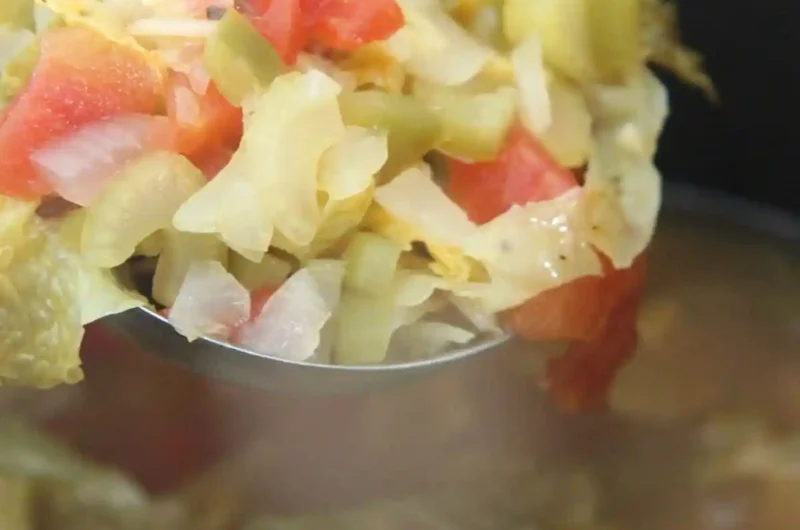
This nutrient-dense cabbage soup is a practical choice for those seeking a short-term dietary cleanse. It uses simple, whole-food ingredients to create a filling meal that is easy to prepare in a single pot.
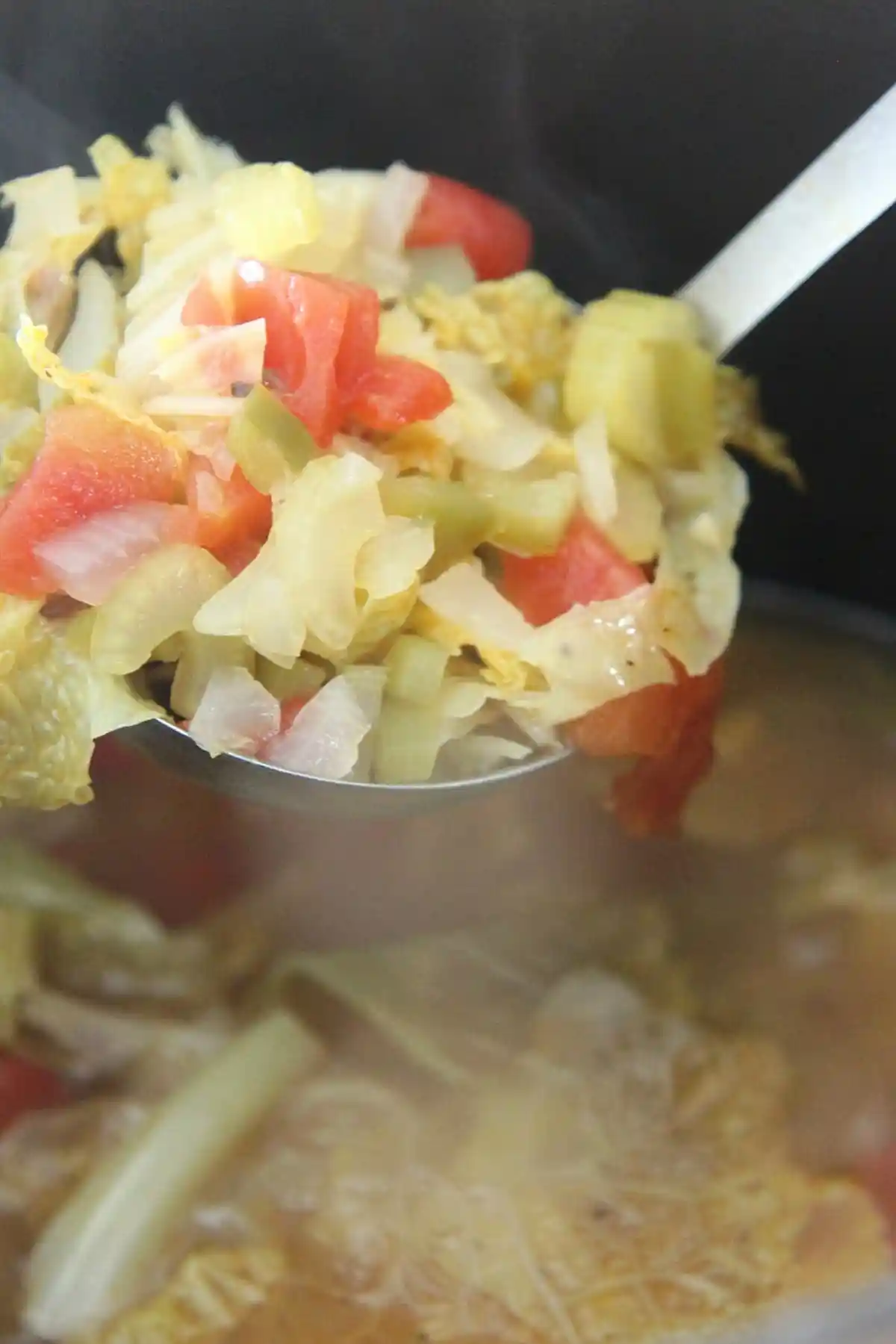
List of ingredients
- 1/2 head of cabbage – chopped into bite-sized pieces.
- 6 celery stalks – sliced thinly for consistent cooking.
- 1 large onion – diced to provide a savory base.
- 1 green bell pepper – chopped to add a mild bitterness.
- 5 garlic cloves – minced for aromatic depth.
- 1/2 tsp red pepper flakes (optional) – for a hint of spice.
- 1 tsp oregano – dried for an herbal flavor.
- 14 ounce can diced tomatoes – including the juice for body.
- 8 cups of chicken or vegetable stock – use low-sodium versions to control salt.
- Salt and pepper to taste – for final seasoning.
step-by-step instructions
- Sauté Aromatics: Warm up some oil in a large pot over medium high heat. Cook the onions, celery, and peppers until translucent.
- Add Seasoning: Add the red pepper flakes, oregano, and season with salt and pepper.
- Fragrant Garlic: Stir in the garlic and cook until fragrant, which usually takes about one minute.
- Combine Main Ingredients: Add the chicken stock, diced tomatoes, and cabbage to the pot.
- Simmer: Cook until the cabbage is tender, which typically takes between 10 and 15 minutes.
- Final Touch: Season with additional salt if desired and enjoy!
Vegetable Selection and Preparation
Choosing the Right Cabbage
Use a standard green cabbage for this recipe to achieve the best texture and flavor profile. Ensure the head is heavy for its size and the leaves are tightly packed and crisp. Avoid cabbage with brown spots or wilting outer leaves.
Preparing Celery Stalks
Wash the celery thoroughly to remove any grit or soil trapped in the ribs. Slice the stalks into uniform pieces about a half-inch thick to ensure they soften at the same rate as the other vegetables. This prevents some pieces from being mushy while others remain raw.
Selecting the Best Onion
A yellow onion is recommended for its balanced sweetness and pungency when sautéed. Finely dice the onion to ensure it integrates well into the broth. If you prefer a milder taste, a white onion is a suitable alternative.
Preparing the Green Bell Pepper
Remove the stem and all inner seeds and white membranes from the green bell pepper. Cut the pepper into small squares that match the size of the onion pieces. This creates a visually appealing soup and ensures a bit of every vegetable in each spoonful.
Mincing Garlic Cloves
Peel the garlic cloves and mince them as finely as possible using a sharp knife. Finely minced garlic distributes flavor more evenly throughout the broth than sliced garlic. Add the garlic last during the sauté phase to prevent it from burning and becoming bitter.
Optimizing Flavor and Texture
Managing the Spice Level
The red pepper flakes provide a gentle heat that cuts through the sweetness of the cooked cabbage. If you are sensitive to spice, start with a pinch and add more after tasting the finished soup. For a completely mild version, you can omit the flakes entirely.
Using Fresh vs. Dried Oregano
Dried oregano is used in the base recipe for a concentrated, earthy flavor. If you prefer fresh oregano, use three times the amount of dried herbs. Add fresh herbs at the very end of the cooking process to preserve their bright color and volatile oils.
Comparing Stock Options
Vegetable stock makes this soup vegan-friendly and offers a lighter, cleaner taste. Chicken stock provides a richer, more savory profile that adds depth to the vegetable base. Both options work well, but low-sodium versions are preferred to avoid over-salting the dish.
Adding Extra Nutrients
While the original diet recipe is specific, you can add diced carrots or chopped kale for extra vitamins. Carrots add a natural sweetness that complements the tomatoes. Kale should be added in the last two minutes of cooking to avoid over-processing.
Enhancing the Tomato Base
Using fire-roasted diced tomatoes can add a smoky depth to the soup without adding extra calories. Ensure you include the canning liquid, as it contains a significant amount of the tomato flavor. For a thicker consistency, you can stir in a tablespoon of tomato paste during the sauté step.
Professional Cooking Techniques
Sautéing for Maximum Flavor
Cook the onions, celery, and peppers over medium-high heat until they are translucent, not browned. This process, known as sweating, releases the natural sugars and moisture of the vegetables. It creates a sweet, aromatic foundation for the rest of the ingredients.
Preventing Overcooked Cabbage
The cabbage is the star of the soup and should retain a slight bite. Simmer the pot only until the cabbage is tender but not falling apart. If you overcook the cabbage, the soup may develop a strong sulfurous smell and a mushy texture.
Controlling the Simmer
Once all ingredients are added, bring the soup to a boil and then immediately reduce the heat to a simmer. A gentle bubble prevents the vegetables from breaking apart and ensures the broth doesn’t evaporate too quickly. This keeps the liquid level consistent.
Balancing Salt and Acid
Taste the soup before adding final salt, as the stock and canned tomatoes already contain sodium. If the soup tastes flat, add a small squeeze of fresh lemon juice or a teaspoon of apple cider vinegar. This acidity brightens the flavors of the cabbage and celery.
Storage and Preservation
Refrigerating the Soup
Allow the soup to cool completely before transferring it to an airtight container. Store it in the back of the refrigerator where the temperature is most stable. It will remain fresh and safe to eat for up to four days.
Freezing for Long Term
Divide the soup into individual portions in freezer-safe containers or heavy-duty freezer bags. Leave about an inch of headspace at the top to allow the liquid to expand as it freezes. The soup can be stored in the freezer for up to two months.
Safe Thawing Methods
The safest way to thaw the soup is to place the container in the refrigerator overnight. Alternatively, you can defrost it quickly by placing the sealed bag in a bowl of cold water. Avoid thawing the soup on the counter at room temperature to prevent bacterial growth.
Managing Freezer Texture
Note that the cabbage may become softer after the freezing and thawing process. To maintain the best quality, avoid boiling the soup aggressively during the reheating phase. Gently warm it until it reaches the desired temperature.
Reheating and Serving Advice
Stovetop Reheating Process
Pour the chilled soup into a small boiling pot over medium heat. Stir occasionally to ensure the vegetables are heated evenly and the broth doesn’t stick to the bottom. Once it reaches a simmer, remove it from the heat immediately.
Microwave Heating Tips
Transfer the soup to a microwave-safe bowl and cover it with a lid or a damp paper towel. Heat in one-minute intervals, stirring in between each session. This prevents hot spots and ensures the cabbage is heated through without overcooking.
Serving for Variety
To turn this detox soup into a more substantial meal, serve it with a side of whole-grain toast. For a different texture, you can stir in cooked brown rice or quinoa just before serving. These additions increase the satiety of the meal.
Adjusting Final Seasoning
Reheating can sometimes concentrate the salt in a soup. Taste the broth after warming and add a splash of water or more unsalted stock if it tastes too salty. A crack of fresh black pepper just before serving adds a sharp, fresh note.
Common Cooking Troubleshooting
Reducing Bitterness in Cabbage
If your cabbage tastes overly bitter, it may be due to the specific variety or age of the vegetable. You can neutralize this by adding a pinch of sugar or increasing the amount of diced tomatoes. Simmering the soup for an extra five minutes can also mellow the flavor.
Fixing a Watery Broth
If the soup is too thin, simmer it uncovered for 10 to 15 minutes to allow some of the liquid to evaporate. This concentrates the flavors and thickens the consistency of the broth. Alternatively, mash a few of the cooked vegetables against the side of the pot to thicken the liquid.
Correcting Over-Salting
If you accidentally add too much salt, add a peeled, halved raw potato to the pot and simmer for ten minutes. The potato acts as a sponge and absorbs some of the excess sodium. Remove the potato before serving the soup.
Frequently Asked Questions
Can this soup be made vegan?
Yes, simply replace the chicken stock with an equal amount of vegetable stock. All other ingredients in the recipe are naturally plant-based and vegan-friendly.
Is it okay to use frozen vegetables?
You can use frozen diced onions, celery, and peppers if fresh are unavailable. However, frozen vegetables release more water, which may make the broth thinner and alter the texture of the cabbage.
Can I use a slow cooker for this recipe?
Yes, place all ingredients except the garlic and oil in the slow cooker. Sauté the garlic separately and stir it in at the end. Cook on low for 6-8 hours or high for 3-4 hours.
Which type of cabbage is best for this soup?
Green cabbage is the best choice for its structure and classic flavor. While red cabbage can be used, it will turn the broth a purple or grey color and has a slightly different taste.
How do I keep the cabbage from getting mushy?
Avoid overcooking the soup beyond the recommended 10-15 minutes of simmering. If you are making a large batch to freeze, undercook the cabbage slightly so it finishes softening during the reheating process.
Print
Detox Cabbage Soup Recipe for Health and Wellness
- Total Time: 30 minutes
- Yield: 6 servings 1x
- Diet: Detox
Description
This cabbage soup is a go-to recipe for a 7-day detox diet. Customize it with noodles or spices for a delicious dinner.
Ingredients
- 1/2 head of cabbage
- 6 celery stalks
- 1 large onion
- 1 green bell pepper
- 5 garlic cloves
- 1/2 tsp red pepper flakes (optional)
- 1 tsp oregano
- 14 ounce can diced tomatoes
- 8 cups of chicken or vegetable stock
- Salt and pepper to taste
Instructions
- Step: Warm up some oil in a large pot over medium high heat.
- Step: Cook the onions, celery, and peppers until translucent.
- Step: Add the red pepper flakes, oregano, and season with salt and pepper.
- Step: Stir in the garlic and cook until fragrant.
- Step: Add the chicken stock, diced tomatoes, and cabbage.
- Step: Cook until the cabbage is tender (10-15 minutes).
- Step: Season with salt if desired and enjoy!
Notes
Store in an airtight container in the fridge for up to 4 days or freeze for up to 2 months.
- Prep Time: 10 minutes
- Cook Time: 20 minutes
- Category: Soup
- Method: Stovetop
- Cuisine: American
Nutrition
- Serving Size: 1 serving
- Calories: 62 kcal
- Sugar: 8 g
- Sodium: 1369 mg
- Fat: 1 g
- Saturated Fat: 0.2 g
- Unsaturated Fat: 0.8 g
- Trans Fat: 0 g
- Carbohydrates: 14 g
- Fiber: 3 g
- Protein: 2 g
- Cholesterol: 0 mg
Keywords: Cabbage Soup, Cabbage Soup for Weight Loss, Detox Cabbage Soup Diet