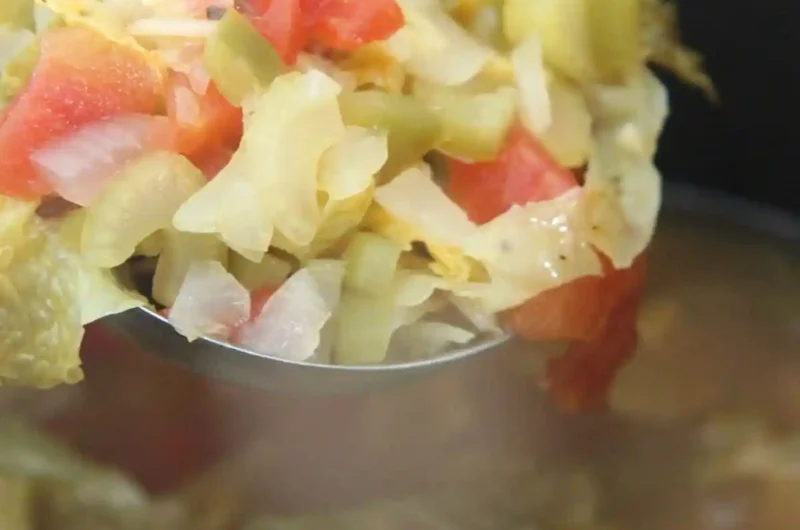
This vibrant cabbage soup serves as a foundational dish for those seeking a refreshing, nutrient-dense meal that highlights fresh vegetables. By combining earthy cabbage with aromatic herbs and a savory broth base, you create a satisfying soup that is both simple to prepare and remarkably light. It is an excellent choice for a quick, wholesome dinner that relies on wholesome pantry staples and garden-fresh produce to deliver maximum flavor with minimal effort.
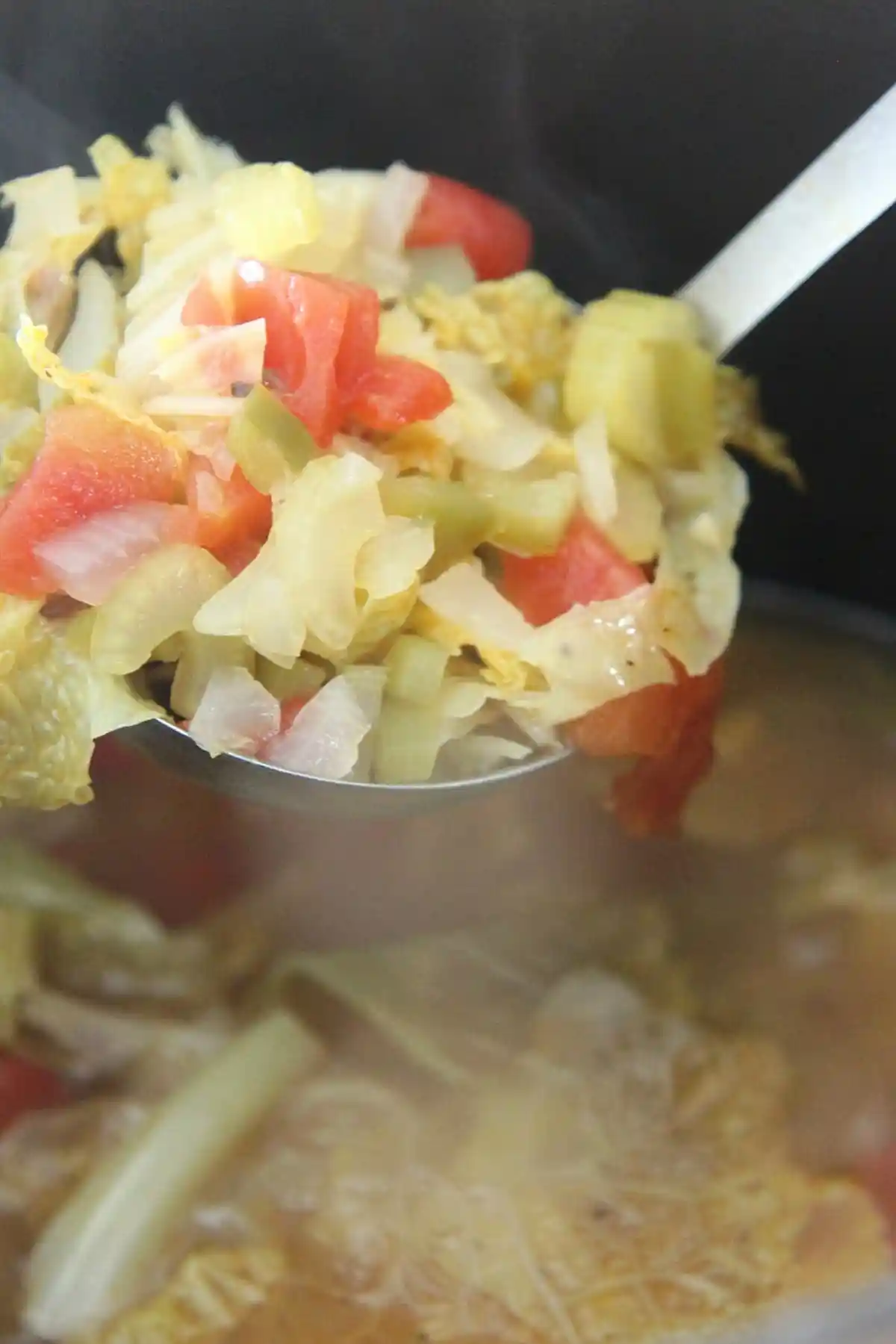
List of ingredients
- 1/2 head of cabbage
- 6 celery stalks
- 1 large onion
- 1 green bell pepper
- 5 garlic cloves
- 1/2 tsp red pepper flakes
- 1 tsp oregano
- 14 ounce can diced tomatoes
- 8 cups of vegetable stock
- Salt and pepper to taste
step-by-step instructions
- Step: Warm up some oil in a large pot over medium high heat.
- Step: Cook the onions, celery, and peppers until translucent.
- Step: Add the red pepper flakes, oregano, and season with salt and pepper.
- Step: Stir in the garlic and cook until fragrant.
- Step: Add the vegetable stock, diced tomatoes, and cabbage.
- Step: Cook until the cabbage is tender (10-15 minutes).
- Step: Season with salt if desired and enjoy!
Practical Preparation Strategies
Achieving the best results with this soup starts with consistent vegetable preparation. When slicing your cabbage, try to keep the ribbons uniform in thickness so they cook at the same rate; thick chunks of core can remain tough while the delicate leaves turn to mush. If you are preparing a large batch, keep the cabbage separate from the broth if you plan to eat the soup over several days, as cabbage can lose its structural integrity when stored in hot liquid for extended periods.
Enhancing the Aromatic Base
The secret to a deep, savory broth lies in the initial browning of the vegetables. Do not rush the process of sautéing the onions and peppers. You want the onions to reach a soft, translucent state where they begin to release their natural sugars, which provides the necessary depth to balance the acidity of the tomatoes.
Managing the Garlic Cook Time
Garlic has a tendency to burn quickly when it hits high heat. Always add your garlic toward the very end of the sautéing process, after the other vegetables have already softened. This ensures the garlic flavors the oil without introducing the acrid, bitter notes associated with burnt garlic pieces.
Substitutions and Adjustments
This recipe is highly adaptable depending on what you have in your pantry or your specific dietary goals. While the base ingredients are designed to be light and cleansing, you can modify the profile by swapping the aromatics or the liquid base. If you find the flavor of green bell pepper too intense, you can substitute it with zucchini or even chopped fennel for a slightly different, though still refreshing, herbaceous quality.
Selecting the Ideal Broth
Choosing the right stock changes the character of your soup significantly. A high-quality vegetable stock with roasted vegetable notes will provide a rich, complex background, while a light chicken stock adds a silky mouthfeel. If using a concentrated store-bought bouillon, be mindful of the sodium levels, as this can easily make the soup overly salty before you have even added your own seasoning.
Incorporating Diverse Vegetables
While the standard recipe focuses on a specific set of vegetables, you can easily increase the fiber content by adding sliced carrots, chopped kale, or baby spinach during the final few minutes of simmering. Leafy greens like spinach should only be stirred in right before serving, as they require mere seconds of heat to wilt perfectly into the soup.
Serving Ideas for Every Occasion
Presenting the soup in warmed bowls helps maintain the temperature throughout your meal. Because this is a very light dish, many people enjoy pairing it with a side that adds a bit of texture or crunch. A small side of toasted sourdough bread or a few whole-grain crackers can make the meal feel more substantial without detracting from the health benefits of the soup itself.
Garnishes to Elevate Flavor
Simple additions can transform the bowl instantly. A sprinkle of fresh parsley or cilantro adds a bright, grassy note that cuts through the savory tomato base. For those who enjoy a bit of zest, a light squeeze of fresh lemon or lime juice just before eating adds a bright acidity that wakes up the flavors and makes the soup taste freshly made.
Pairing With Protein
If you are looking to increase the protein content for a more balanced macro profile, you can add cooked beans or lentils. White cannellini beans or chickpeas blend well with the cabbage and tomatoes, adding a creamy texture that contrasts beautifully with the tender, shredded cabbage ribbons.
Storage and Reheating Guidelines
Proper storage is key to maintaining the texture of the vegetables. If you have leftovers, allow the soup to cool completely to room temperature before transferring it to an airtight container. Placing a hot soup directly into the refrigerator can cause the container to sweat, potentially affecting the quality of the surrounding food and raising the internal temperature of your fridge unnecessarily.
Freezing for Long-Term Use
This soup freezes remarkably well, making it an ideal candidate for meal prep. Store the cooled soup in individual serving-sized freezer bags or containers, leaving about an inch of space at the top to allow for liquid expansion during the freezing process. When you are ready to consume it, move the container to the refrigerator the night before to thaw it safely.
Maintaining Texture During Reheating
When reheating, avoid boiling the soup vigorously, as this will further break down the cabbage and turn the broth cloudy. Use the microwave on a medium setting or a small saucepan over low heat, stirring occasionally until just warmed through. This gentle approach ensures the vegetables retain some of their identity even after being reheated.
Frequently Asked Questions
Can I make this soup in a slow cooker?
Yes, you can adapt this for a slow cooker by sautéing the vegetables in a pan first, then adding everything to the slow cooker on low for four to six hours. This method allows the flavors to meld deeply without needing constant supervision.
How long will this stay fresh in the refrigerator?
Properly stored in an airtight container, the soup will remain fresh for up to four days. Always use a clean spoon each time you dish out a portion to prevent the introduction of bacteria that could spoil the batch prematurely.
What is the best way to adjust the consistency?
If you prefer a thicker, heartier soup, you can blend about one cup of the cooked vegetables with a small amount of the broth and stir it back into the pot. This creates a slightly creamy, thickened base without the need for flour or cornstarch.
Is it necessary to use specific tomatoes?
While canned diced tomatoes are standard for their convenience and consistent acidity, you can use fresh, peeled tomatoes if they are in season. Simply chop them finely and account for a slightly longer cooking time to ensure they fully break down into the broth.
Can I add dried beans to the soup?
If you wish to add dried beans, you must soak and cook them separately before adding them to the soup. Do not add raw dried beans to the pot, as the acidity from the tomatoes and the short cooking time of the soup will prevent them from softening properly.
How can I make the soup spicier?
Beyond the red pepper flakes, you can add diced fresh jalapeños or serrano peppers when you sauté the onions. For a smoky heat, consider adding a pinch of smoked paprika, which pairs exceptionally well with the sweetness of the cabbage and the savory nature of the tomatoes.
Why does the soup taste different the next day?
As the soup sits in the refrigerator, the flavors from the herbs, garlic, and onions continue to permeate the cabbage and the broth. Many people find the taste improves significantly after sitting for twenty-four hours, as the ingredients have more time to harmonize and develop a more rounded flavor profile.
Print
Detox Cabbage Soup Diet Recipe
- Total Time: 30 minutes
- Yield: 6 servings 1x
- Diet: Vegan
Description
This cabbage soup is a go-to recipe for a 7-day detox diet. Customize it with noodles or spices for a delicious dinner.
Ingredients
- 1/2 head of cabbage
- 6 celery stalks
- 1 large onion
- 1 green bell pepper
- 5 garlic cloves
- 1/2 tsp red pepper flakes
- 1 tsp oregano
- 14 ounce can diced tomatoes
- 8 cups of vegetable stock
- Salt and pepper to taste
Instructions
- Step: Warm up some oil in a large pot over medium high heat.
- Step: Cook the onions, celery, and peppers until translucent.
- Step: Add the red pepper flakes, oregano, and season with salt and pepper.
- Step: Stir in the garlic and cook until fragrant.
- Step: Add the vegetable stock, diced tomatoes, and cabbage.
- Step: Cook until the cabbage is tender (10-15 minutes).
- Step: Season with salt if desired and enjoy!
Notes
Store in an airtight container in the fridge for up to 4 days or freeze for up to 2 months. Reheat on the stove or in the microwave. This recipe is naturally vegan when using vegetable stock.
- Prep Time: 10 minutes
- Cook Time: 20 minutes
- Category: Soup
- Method: Stovetop
- Cuisine: American
Nutrition
- Serving Size: 1 serving
- Calories: 62 kcal
- Sugar: 8 g
- Sodium: 1369 mg
- Fat: 0.5 g
- Saturated Fat: 0.1 g
- Unsaturated Fat: 0.3 g
- Trans Fat: 0 g
- Carbohydrates: 14 g
- Fiber: 3 g
- Protein: 2 g
- Cholesterol: 0 mg
Keywords: Cabbage Soup, Cabbage Soup for Weight Loss, Detox Cabbage Soup Diet