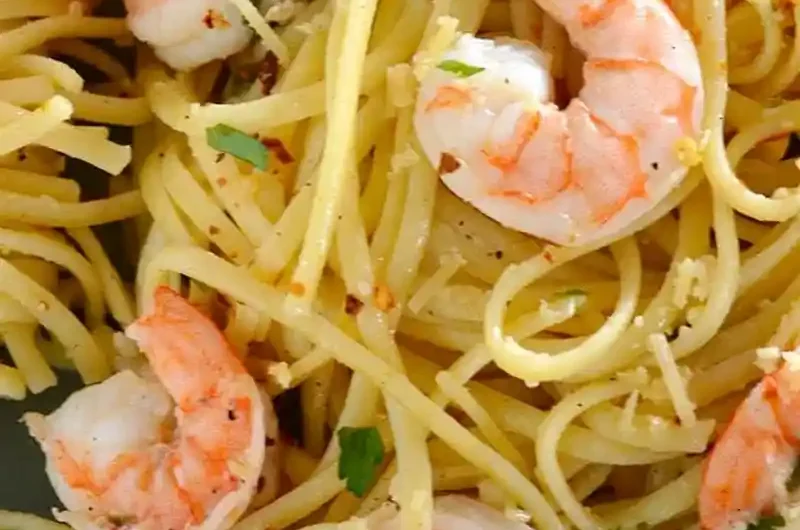
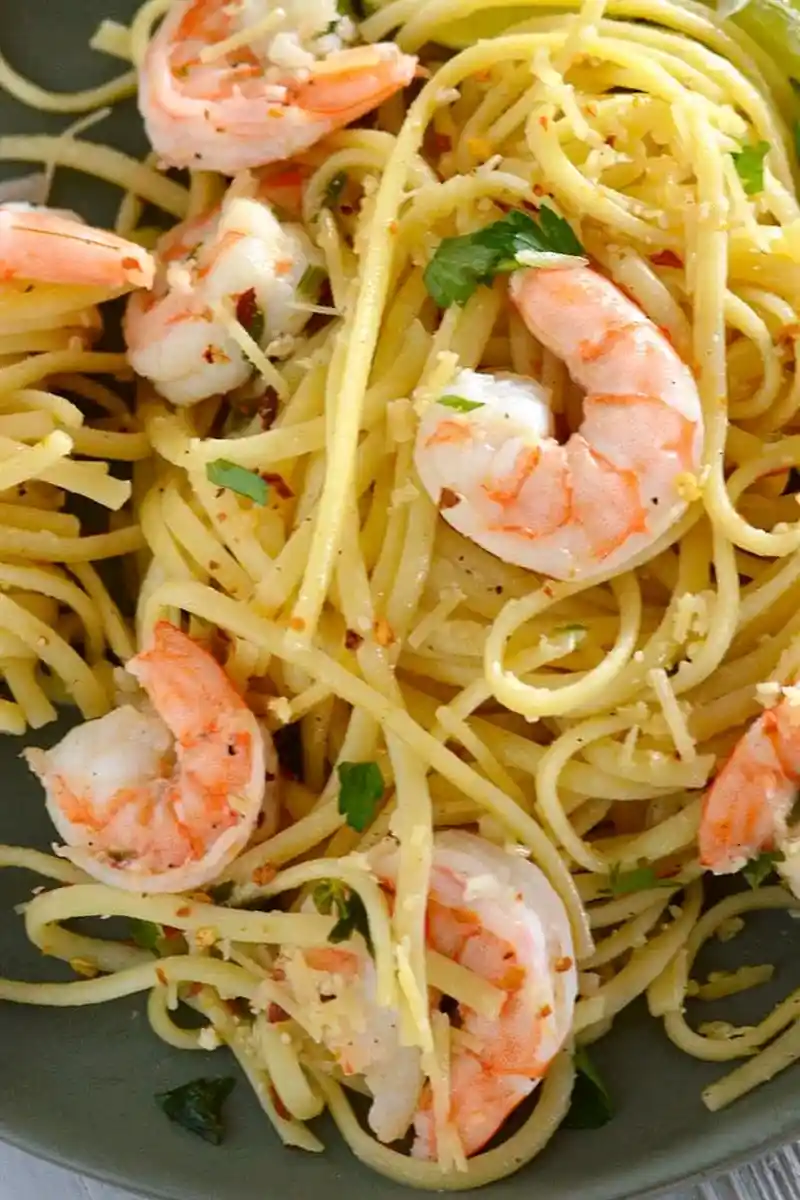
This vibrant shrimp scampi delivers a restaurant-quality meal in under thirty minutes, relying on fresh lemon and high-quality butter rather than traditional ingredients. It is an ideal weeknight dinner that pairs beautifully with perfectly al dente linguine and a bright, aromatic sauce. The combination of succulent shrimp and zesty citrus creates a refined flavor profile that is both light and incredibly satisfying for the whole family.
List of ingredients
- 1 lb linguine pasta
- 1/4 cup butter (divided)
- 1/4 cup olive oil
- 2 Tablespoons garlic, minced
- Salt and pepper to taste
- 1/4 cup lemon juice
- 1/2 cup chicken or shrimp stock
- 1/2 cup fresh parsley, finely chopped
- 1 teaspoon lemon zest
- 2 lb large shrimp, peeled and deveined
- Red chili flakes (optional)
- Parmesan cheese (for serving)
step-by-step instructions
- Step: Cook pasta in a large pot of salted water until al dente. Before draining, reserve 1 cup of starchy pasta water. Drain and set aside.
- Step: Pat the shrimp dry with paper towels to ensure proper cooking.
- Step: In a wide skillet, melt 2 tablespoons of butter with the olive oil over medium-high heat. Add the shrimp in a single layer and cook for 90 seconds until they turn pink.
- Step: Add minced garlic and red pepper flakes. Sauté for 60 seconds until fragrant.
- Step: Reduce heat to medium. Pour in lemon juice, lemon zest, and stock. Add 1/2 cup of the reserved pasta water. Simmer for 2 minutes to thicken.
- Step: Mix in chopped parsley, salt, and pepper, and check the seasoning.
- Step: If the sauce is too thin, stir in the remaining 2 tablespoons of cold butter.
- Step: Add the cooked pasta to the skillet and toss for 1–2 minutes over medium heat. Add more pasta water if the dish seems dry.
- Step: Serve garnished with fresh parsley, red pepper flakes, and parmesan cheese.
Refining Your Technique
Sourcing the Perfect Shrimp
When selecting your protein, look for large or jumbo shrimp that are firm to the touch and smell fresh like the ocean. If you are using frozen shrimp, ensure they are completely thawed in the refrigerator overnight before patting them dry with paper towels to prevent them from releasing excess water into your skillet. Using high-quality, sustainably sourced shrimp makes a significant difference in the final sweetness and texture of the dish.
Mastering the Emulsion Process
The secret to a glossy scampi sauce lies in the emulsification of the pasta water, butter, and stock. Adding the cold butter at the very end of the cooking process is a professional technique known as mounting the sauce, which prevents the oil from separating. Always use a wide-bottomed pan to give the liquid space to reduce efficiently without overcooking the delicate shrimp.
Practical Ingredient Adjustments
Selecting the Right Pasta Variety
While linguine is the traditional preference for this recipe due to its surface area, other long pasta shapes like spaghetti, fettuccine, or even capellini work exceptionally well. If you have dietary preferences, you can easily substitute the traditional wheat pasta with high-quality gluten-free varieties made from brown rice or corn. Just remember that gluten-free pasta may release more starch, so keep a little extra hot water on hand to adjust the sauce consistency.
Boosting the Umami Profile
Since this recipe omits traditional cooking liquids, you can boost the savory depth by using a high-quality vegetable or mushroom stock. Adding a small teaspoon of nutritional yeast or a drop of low-sodium soy sauce can also provide an additional layer of complexity to the lemon-butter sauce. These additions mimic the depth provided by traditional dry cooking liquids without the need for alcohol.
Serving and Presentation Strategies
Temperature Control for Perfect Plating
Shrimp scampi is best enjoyed the moment it is prepared, as the butter-based sauce can solidify quickly as it cools down. To keep your pasta warm during plating, run your serving bowls under warm water and dry them before adding the finished dish. Serving on pre-warmed plates ensures that the silky sauce remains pourable and glossy until the very last bite is consumed.
Balancing the Flavor Profile
The bright notes of the lemon zest and juice are intended to cut through the richness of the butter and olive oil, creating a balanced palate. If you prefer a more intense citrus punch, finish the plates with a final squeeze of fresh lemon wedges immediately before serving. This fresh burst of acidity at the table refreshes the taste buds and highlights the sweetness of the shrimp.
Storage and Handling
Managing Leftover Portions
Store any leftover shrimp and pasta in a shallow, airtight container in the refrigerator to ensure even cooling, which helps prevent bacterial growth. It is highly recommended to consume leftovers within 48 hours, as the shrimp texture will begin to deteriorate after being stored in the sauce for longer periods. Avoid keeping the shrimp and pasta separate if possible, as the pasta will act as a sponge for the sauce, keeping both components moist.
Revitalizing Your Leftovers
When you are ready to enjoy the dish again, avoid high heat, which will inevitably turn the shrimp tough and rubbery. Place the leftovers in a small pan with a tablespoon of water or a tiny knob of butter and heat gently over low heat, stirring occasionally until warmed through. Alternatively, microwave on a low power setting in thirty-second bursts, stirring in between to ensure the heat is distributed evenly throughout the pasta strands.
Common Kitchen Questions
Why does the sauce sometimes separate during cooking?
Sauce separation usually occurs when the heat is too high or the butter is added too quickly without enough agitation. Ensure the pan is at a gentle simmer when adding your cold butter, and use a pair of tongs to vigorously toss the pasta and sauce together. This constant motion binds the fat and the starchy liquid together, resulting in a stable, emulsified glaze.
Can I prepare the components in advance?
You can certainly prep your ingredients, such as peeling the shrimp, mincing the garlic, and measuring your liquids, several hours before you plan to cook. However, the final assembly should happen right before serving to maintain the best quality. Cooking the pasta ahead of time is not recommended, as it will lose its texture and clump together, even if you toss it with oil.
How do I handle a sauce that appears too thin?
If your sauce lacks body after simmering, you can stir in a small amount of finely grated Parmesan cheese, which works as an effective thickener. The starch from the cheese combined with the pasta water creates a creamy, clinging texture that coats the noodles beautifully. Avoid adding flour or cornstarch, as these can create a gummy texture that masks the delicate flavors of the lemon and butter.
Is it possible to make this recipe using frozen, pre-cooked shrimp?
While using pre-cooked shrimp is possible, it is generally discouraged because the shrimp have already been processed and will become extremely tough when heated in the sauce. If you must use pre-cooked shrimp, add them to the skillet only at the very end of the process, just long enough to warm them through. Do not sauté them with the garlic, or you will overcook them instantly.
What should I do if my pasta is clumping?
Pasta clumps when it sits in a colander for too long after draining. To avoid this, time your boiling process so the pasta finishes just as your shrimp and sauce are ready to receive it. If you must wait, toss the drained pasta with a very small amount of olive oil to keep the individual strands separate until they are needed in the final skillet step.
Print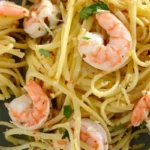
Classic Lemon Garlic Shrimp Scampi with Linguine
- Total Time: PT30M
- Yield: 6 servings 1x
- Diet: Pescatarian
Description
An easy and classic citrus-butter shrimp pasta dish that comes together in less than 30 minutes. This preparation relies on fresh lemon and savory stock for a bright, flavorful sauce that everyone will love.
Ingredients
- 1 lb linguine pasta
- 1/4 cup butter (divided)
- 1/4 cup olive oil
- 2 Tablespoons garlic, minced
- Salt and pepper to taste
- 1/4 cup lemon juice
- 1/2 cup chicken or shrimp stock
- 1/2 cup fresh parsley, finely chopped
- 1 teaspoon lemon zest
- 2 lb large shrimp, peeled and deveined
- Red chili flakes (optional)
- Parmesan cheese (for serving)
Instructions
- Step: Cook pasta in a large pot of salted water until al dente. Before draining, reserve 1 cup of starchy pasta water. Drain and set aside.
- Step: Pat the shrimp dry with paper towels to ensure proper cooking.
- Step: In a wide skillet, melt 2 tablespoons of butter with the olive oil over medium-high heat. Add the shrimp in a single layer and cook for 90 seconds until they turn pink.
- Step: Add minced garlic and red pepper flakes. Sauté for 60 seconds until fragrant.
- Step: Reduce heat to medium. Pour in lemon juice, lemon zest, and stock. Add 1/2 cup of the reserved pasta water. Simmer for 2 minutes to thicken.
- Step: Mix in chopped parsley, salt, and pepper, and check the seasoning.
- Step: If the sauce is too thin, stir in the remaining 2 tablespoons of cold butter.
- Step: Add the cooked pasta to the skillet and toss for 1–2 minutes over medium heat. Add more pasta water if the dish seems dry.
- Step: Serve garnished with fresh parsley, red pepper flakes, and parmesan cheese.
Notes
Do not discard shrimp shells; submerge them in 1/2 cup water and microwave for 2 minutes to create a concentrated, savory stock. Pasta is highly absorbent, so toss with the sauce immediately before serving to maintain a silky, glossy texture.
- Prep Time: PT10M
- Cook Time: PT20M
- Category: Main Course
- Method: Stovetop
- Cuisine: Italian-American
Nutrition
- Serving Size: 1 serving
- Calories: 483 kcal
- Sugar: 3 g
- Sodium: 875 mg
- Fat: 12 g
- Saturated Fat: 2 g
- Unsaturated Fat: 9 g
- Trans Fat: 0 g
- Carbohydrates: 60 g
- Fiber: 3 g
- Protein: 31 g
- Cholesterol: 192 mg
Keywords: shrimp scampi, pasta, lemon butter shrimp, seafood, Italian-style, dinner