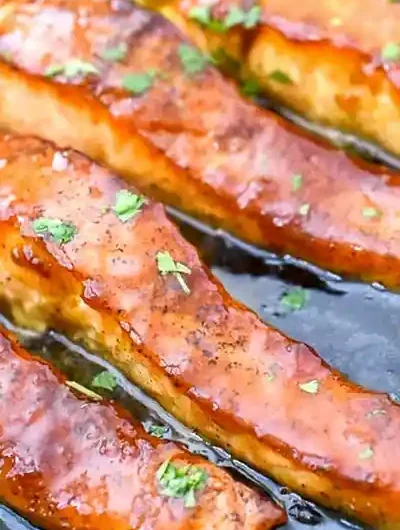
This sweet and tangy Apricot Glazed Salmon is a fast and flavor-packed meal ready in under 30 minutes. By utilizing a single oven-safe skillet, you can achieve a perfect sear and a caramelized finish with minimal cleanup.
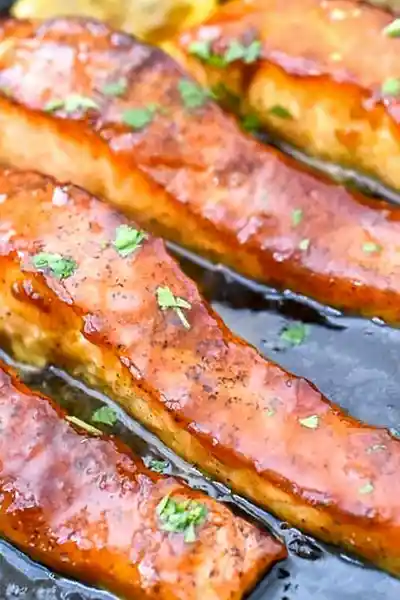
List of ingredients
- 1/2 cup apricot preserves – provides the base sweetness and thick texture for the glaze.
- 1 tablespoon soy sauce – adds a savory, salty depth to balance the fruit.
- 1 tablespoon honey – increases the glossiness and stickiness of the sauce.
- 1 teaspoon lemon juice – cuts through the sugar with a bright, acidic note.
- 1 tablespoon minced garlic (3 garlic cloves) – introduces a pungent, aromatic element.
- 1 lb salmon filet cut into 4 equal portions – the main protein, preferably skin-on for better moisture.
- 1/2 tsp kosher salt – enhances all the flavors in the fish and glaze.
- 1/4 tsp black pepper – provides a subtle, warm spice.
- 2 tablespoon olive oil – ensures the salmon does not stick to the pan during searing.
step-by-step instructions
- Set the broiler: Preheat your oven’s broiler to the Low setting to ensure a gentle caramelization.
- Prepare the skillet: Place an oven-safe skillet over medium heat and add the olive oil.
- Season the fish: Rub the salmon portions with salt and black pepper on all sides.
- Mix the glaze: In a small mixing bowl, combine the apricot preserves, soy sauce, honey, lemon juice, and minced garlic.
- First sear: Place the salmon fillets in the pan, flesh side down, and sear for 3 minutes until the meat releases easily.
- Second sear: Flip the fillets over and sear the other side for another 3 minutes.
- Apply the glaze: Pour the apricot mixture evenly over the top of each salmon fillet.
- Simmer the sauce: Continue to cook on the stovetop for 1 minute to let the glaze bubble.
- Broil to finish: Move the skillet under the broiler for 5 minutes until the glaze is bubbly and browned.
- Serve: Remove the pan from the oven and serve the salmon immediately while hot.
Professional Salmon Cooking Techniques
Using a Meat Thermometer for Precision
To ensure the salmon is cooked to your preferred level, use an instant-read thermometer. While the USDA recommends an internal temperature of 145 degrees Fahrenheit, many prefer 125 to 135 degrees for a more moist, medium-rare center. Insert the probe into the thickest part of the fillet for an accurate reading.
Identifying the Perfect Sear
You know the salmon is ready to flip when it releases naturally from the pan surface. If the fish sticks, it usually means the proteins have not yet formed a proper crust. Wait another 30 to 60 seconds before attempting to flip to avoid tearing the delicate flesh.
Selecting the Right Pan Material
A cast-iron skillet is ideal for this recipe because it retains heat exceptionally well and transitions seamlessly from the stove to the broiler. Stainless steel is also a great choice for creating a flavorful fond on the bottom of the pan. Avoid non-stick pans that cannot withstand the high heat of a broiler.
Managing Broiler Distance
The distance between the broiler element and the salmon determines how quickly the sugar in the glaze caramelizes. If your oven has multiple rack positions, place the rack in the upper third of the oven. Keep a close eye on the fish, as apricot preserves can go from caramelized to burnt very quickly.
Ingredient Substitutions and Alternatives
Swapping Apricot Preserves for Other Fruits
If you do not have apricot preserves, peach preserves or orange marmalade are excellent substitutes. These options provide a similar pectin-based thickness and a sweet-tart profile. Mango preserves can also be used for a more tropical flavor variation.
Using Coconut Aminos for a Soy Alternative
For those avoiding soy, coconut aminos provide a similar salty and umami flavor with a slightly sweeter undertone. Use a 1:1 ratio to replace the soy sauce. This keeps the glaze savory while making the dish compatible with different dietary needs.
Replacing Honey with Maple Syrup
Pure maple syrup is a great alternative to honey and adds a distinct woody sweetness. While honey is thicker and creates a stickier glaze, maple syrup blends easily into the preserves. Adjust the amount slightly if you prefer a less intense sweetness.
Substituting Lemon Juice with Lime or Vinegar
Fresh lime juice can be used to give the glaze a zesty, citrusy twist that pairs well with the apricot. If you lack fresh citrus, a teaspoon of apple cider vinegar provides the necessary acidity to balance the sugar. Avoid using white distilled vinegar, as it is too harsh for this recipe.
Using Garlic Powder Instead of Fresh Garlic
If fresh garlic is unavailable, you can use 1/2 teaspoon of garlic powder. While it lacks the punch of fresh cloves, it distributes more evenly through the glaze. Mix it thoroughly into the preserves before applying it to the salmon.
Serving Suggestions and Side Dish Pairings
Pairing with Grains and Green Vegetables
Steamed white or brown rice acts as a neutral base that absorbs the extra apricot glaze from the pan. Pair this with steamed broccoli or sautéed snap peas for a balanced meal. The bitterness of the greens complements the sweetness of the fish.
Serving with Creamy Starches
Mashed potatoes provide a rich, creamy contrast to the tangy glaze of the salmon. Roasted asparagus or sautéed spinach adds a fresh, earthy element to the plate. These sides turn a simple fillet into a complete, hearty dinner.
Incorporating Fresh Salad Components
A crisp arugula salad with a light lemon vinaigrette cuts through the richness of the salmon. Adding sliced cucumbers and radishes to the salad provides a refreshing crunch. This combination lightens the overall feel of the meal.
Trying Quinoa or Farro for Texture
Quinoa or farro offers a nuttier flavor and more chew than traditional rice. These ancient grains hold up well under the sauce and add significant protein and fiber to the dish. Toss them with fresh parsley for a colorful presentation.
Adding Roasted Root Vegetables
Carrots or parsnips roasted with a bit of olive oil and salt pair beautifully with the apricot notes. The natural sweetness of roasted root vegetables echoes the flavor of the preserves. This is especially effective during the autumn and winter months.
Storage and Preservation Guidelines
Refrigerating Leftover Salmon
Place any remaining cooked salmon in an airtight glass container to maintain freshness. It will stay safe to eat for up to 3 days when kept in the refrigerator. Ensure the fish is completely cooled before sealing the lid to prevent excess moisture buildup.
Preventing Freezer Burn
While cooked salmon can be frozen, it is generally better to eat it fresh to avoid a change in texture. If you must freeze it, wrap the fillets tightly in plastic wrap and place them in a freezer-safe bag. This minimizes air exposure and prevents the fish from drying out.
Storing the Extra Glaze
If you made an extra batch of the apricot glaze, store it in a small jar in the fridge. It can be used as a marinade for chicken or pork in the future. The glaze will typically stay fresh for about one week.
Reheating Instructions for Best Results
Using the Oven for Gentle Warming
To reheat without overcooking the fish, place the salmon on a baking sheet and cover it loosely with foil. Heat in a 275 degree Fahrenheit oven for 10 to 15 minutes. This slow process prevents the salmon from becoming rubbery or dry.
Microwaving for Quick Heat
If you are in a rush, use the microwave on a medium power setting. Heat the salmon in short 30-second bursts, checking the temperature in between. Adding a teaspoon of water to the plate helps create steam, which keeps the fish moist.
Using a Toaster Oven for Crispiness
A toaster oven can help restore some of the caramelized texture to the glaze. Place the salmon under the broiler for 2 to 3 minutes, watching closely to avoid burning. This is the best method for reviving the visual appeal of the glaze.
Troubleshooting Common Salmon Issues
Preventing the Glaze from Burning
Because the glaze contains honey and preserves, it can burn quickly under high heat. If you notice the sauce darkening too fast, move the oven rack down one level. You can also add a tablespoon of water to the glaze to slightly thin it out.
Solving the Sticking Problem
If the salmon sticks to the pan, it is usually because the oil wasn’t hot enough or the fish was flipped too soon. Ensure the oil is shimmering before adding the salmon. Use a thin metal spatula to gently lift the edges to check for release.
Fixing a Glaze That is Too Thick
If the apricot glaze is too thick to pour, whisk in a small amount of water or extra lemon juice. This reduces the viscosity and allows the sauce to coat the salmon more evenly. Do this before the fish goes into the broiler.
Correcting Overcooked Salmon
Once salmon is overcooked, it cannot be reversed, but you can mitigate the dryness. Serve the overcooked fish with an extra drizzle of the apricot glaze or a side of melted butter. This adds much-needed moisture back into the fillet.
Dealing with Excess Moisture
If the salmon releases too much water in the pan, it will steam rather than sear. Pat the salmon fillets very dry with paper towels before seasoning. This ensures the surface is dry enough to create a golden-brown crust.
Frequently Asked Questions
Can I use frozen salmon fillets for this recipe?
Yes, you can use frozen fillets, but they must be completely thawed before cooking. Thaw them slowly in the refrigerator overnight or use a cold-water bath. Cooking salmon from frozen will result in an uneven sear and a watery glaze.
How do I stop the fish from breaking apart when flipping?
The key is patience and a sharp spatula. Do not move the fish once it hits the pan; let the sear develop for the full 3 minutes. Once the crust has formed, the fillet will be structurally sound and easier to flip.
Can this recipe be adapted for an air fryer?
Yes, you can cook the salmon in an air fryer at 400 degrees Fahrenheit. Sear the fillets for 7 to 10 minutes, apply the glaze halfway through, and finish for another 3 to 5 minutes. Adjust the time based on the thickness of your fillets.
Is it better to use skin-on or skinless salmon?
Skin-on salmon is recommended because the skin acts as a barrier, protecting the meat from the direct heat of the pan. This results in a juicier fillet. If you prefer skinless, reduce the searing time by 30 seconds per side.
How do I know if my apricot preserves are too sweet?
If the glaze tastes overly sugary, increase the amount of lemon juice or add a pinch of salt. The acidity of the lemon and the salinity of the soy sauce are what balance the sweetness of the fruit preserves.
Can I prepare the glaze in advance?
Yes, the glaze can be made up to two days in advance and stored in the refrigerator. Simply whisk it again before using to ensure the ingredients are well combined. This is a great way to save time on a busy weeknight.
What other fish work with this glaze?
This glaze works well with other fatty fish like steelhead trout or arctic char. It can also be used on halibut, though you should reduce the cooking time slightly as halibut is leaner and dries out faster than salmon.
Should I remove the skin before serving?
Whether to remove the skin is a matter of personal preference. The skin is edible and contains healthy omega-3 fatty acids. Most people find that the skin slides off easily once the fish is plated.
Print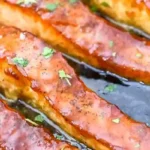
Apricot Glazed Salmon
- Total Time: 17 minutes
- Yield: 4 servings 1x
- Diet: General
Description
This Apricot Glazed Salmon is sweet, tangy, and delicious. You can put this recipe together in under 30 minutes and make it in just one pan.
Ingredients
- 1/2 cup apricot preserves
- 1 tablespoon soy sauce
- 1 tablespoon honey
- 1 teaspoon lemon juice
- 1 tablespoon minced garlic (3 garlic cloves)
- 1 lb salmon filet cut into 4 equal portions
- 1/2 tsp kosher salt
- 1/4 tsp black pepper
- 2 tablespoon olive oil
Instructions
- Preheat: Preheat the broiler on Low.
- Heat: Heat an oven safe skillet on medium-heat with olive oil.
- Season: Season salmon with salt and pepper.
- Combine: In a small bowl, combine all glaze ingredients and set aside.
- Sear: Place salmon flesh/meat side down and sear for 3 minutes.
- Flip: Sear on the other side for 3 minutes.
- Glaze: Pour glaze on top of salmon.
- Cook: Cook for 1 minute.
- Broil: Put salmon in the broiler for 5 minutes.
- Serve: Serve.
Notes
The Salmon should be able to release and flip easily when flipping from the flesh/meat side.
- Prep Time: 5 minutes
- Cook Time: 12 minutes
- Category: Dinner
- Method: Pan-Searing and Broiling
- Cuisine: American
Nutrition
- Serving Size: 1 portion
- Calories: 415 kcal
- Sugar: 26 g
- Sodium: 580 mg
- Fat: 21 g
- Saturated Fat: 4 g
- Unsaturated Fat: 17 g
- Trans Fat: 0 g
- Carbohydrates: 31 g
- Fiber: 1 g
- Protein: 27 g
- Cholesterol: 65 mg
Keywords: apricot glaze for salmon, apricot glazed salmon, apricot recipe, broiled salmon, pan seared salmon, salmon recipe