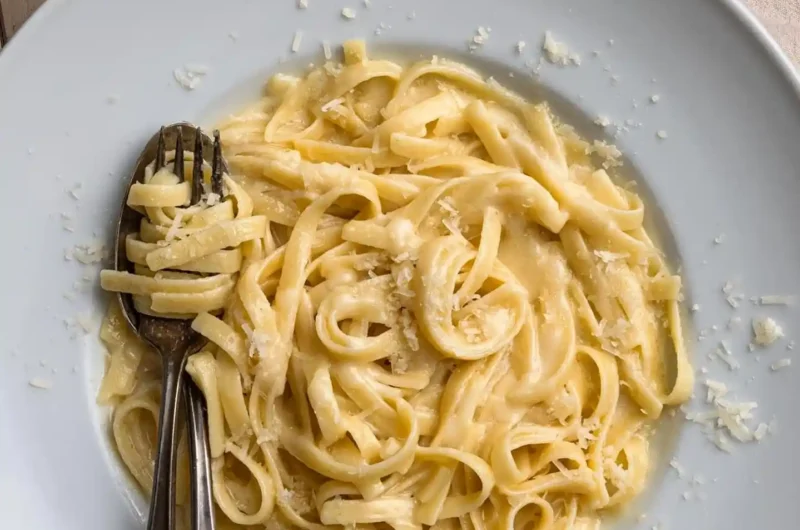
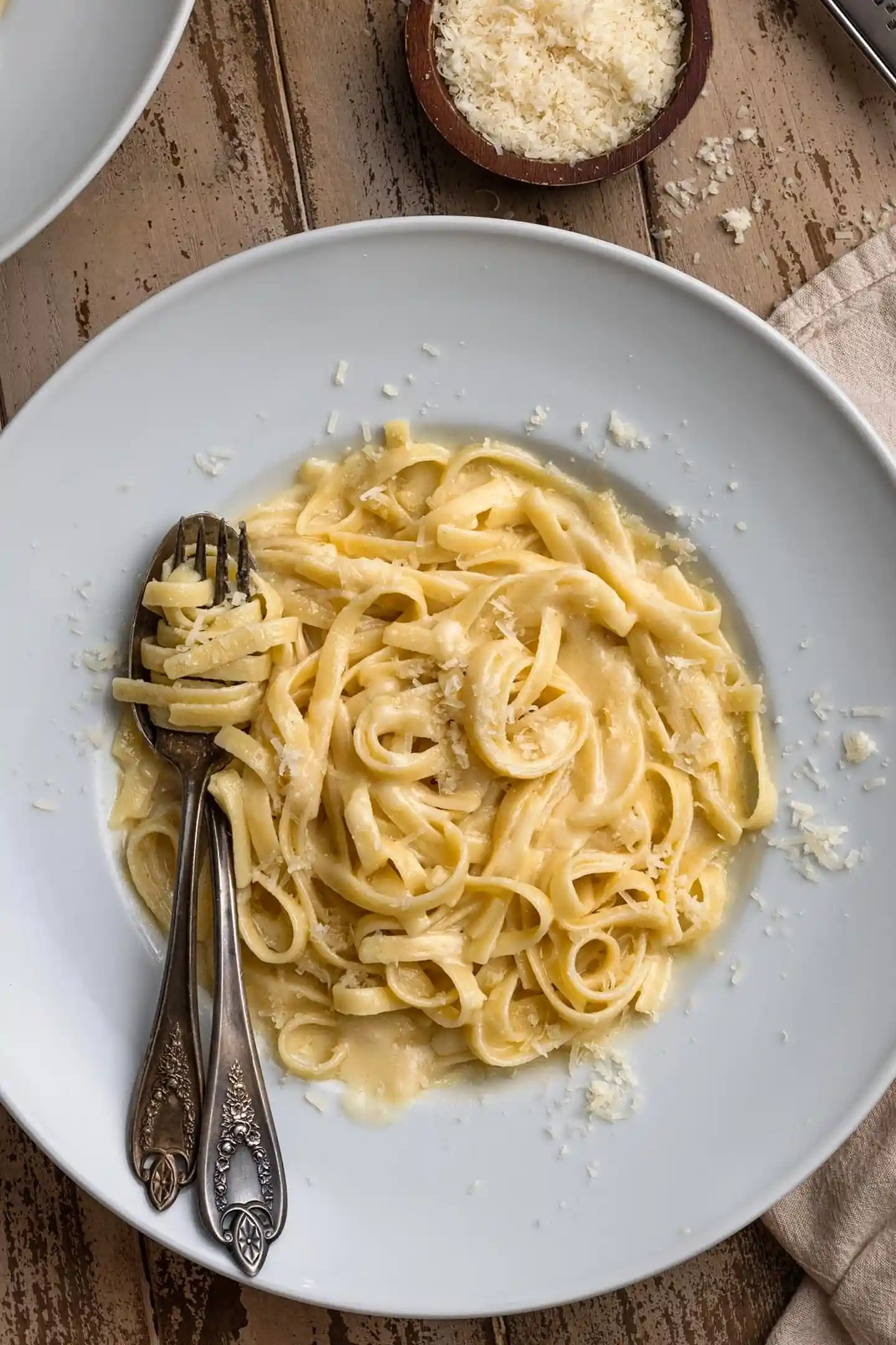
Prepare a rich and creamy pasta dish using only a few high-quality ingredients. This method focuses on creating a natural emulsion between butter and cheese for a luxurious texture.
List of ingredients
- 1 pound dried or fresh fettuccine pasta – wide ribbons provide the best surface area for the sauce.
- 1/2 pound (2 sticks) unsalted butter, room temperature and sliced – European style butter is recommended for higher fat content.
- 1/2 pound finely grated parmesan cheese – Parmigiano Reggiano is the best choice for authentic flavor.
- Kosher salt – used for seasoning the pasta water and the final dish to taste.
step-by-step instructions
- Boil the Pasta: Bring a large pot of water to a boil and add a generous amount of kosher salt. Cook the fettuccine according to the package directions until it reaches an al dente texture, stirring often during the first four minutes to prevent sticking.
- Reserve Pasta Water: Before draining the pasta, reserve at least 1 cup of the starchy cooking water. This liquid is essential for binding the sauce and ensuring a smooth consistency.
- Combine Initial Ingredients: Return the drained pasta to the pot while it is off the heat. Stir in the sliced butter, a small pinch of salt, half of the grated parmesan, and approximately 1/4 cup of the reserved pasta water.
- Emulsify the Sauce: Toss the pasta vigorously with tongs to combine the fats and water. Gradually add the remaining cheese and more pasta water as needed until the sauce is creamy and clings to the noodles.
- Adjust Heat and Serve: If the cheese does not melt quickly, place the pot over low heat for a short period, working quickly to avoid curdling. Serve immediately on warmed plates with additional parmesan and freshly ground black pepper.
Mastering the Emulsion Process
Use Starchy Pasta Water as a Binder
The cloudy water left over from boiling pasta is rich in starch, which acts as an emulsifier. When whisked with butter and cheese, it prevents the fats from separating and creates a creamy texture. Always reserve more water than you think you need to avoid a dry pasta.
Maintain Precise Temperature Control
Avoid boiling the sauce after the pasta is added, as excessive heat can cause the cheese to clump or the butter to break. The residual heat from the pot and the pasta is usually sufficient to melt the ingredients. If low heat is necessary, keep the flame at the lowest setting and stir constantly.
Implement Vigorous Tossing Techniques
Rapidly tossing the pasta with tongs incorporates air and ensures the butter and cheese are evenly distributed. This mechanical action helps the emulsion stabilize, creating a glossy coating rather than a greasy residue. Work quickly to keep the temperature consistent throughout the batch.
Selecting Premium Ingredients
Choose High-Fat European Butter
European-style butter typically contains a higher percentage of butterfat and less water than standard American butter. This results in a richer flavor and a more stable emulsion in the final sauce. Slicing the butter into small pieces also allows it to melt more evenly into the pasta.
Prioritize Parmigiano Reggiano
Using authentic Parmigiano Reggiano provides a complex, nutty flavor that pre-shredded cheeses lack. Finely grating the cheese yourself ensures it melts quickly and smoothly into the sauce without forming lumps. Avoid pre-grated cheeses, as they often contain anti-caking agents that hinder emulsification.
Select the Right Pasta Shape
Fettuccine is the traditional choice because its wide, flat shape is ideal for carrying heavy, creamy sauces. If fettuccine is unavailable, linguine or tagliatelle are excellent alternatives. Fresh pasta is an option, but it will require a shorter cooking time and may release more starch into the water.
Practical Serving and Plating Strategies
Preheat Your Serving Plates
Warm your plates or bowls in an oven at 150°F for about 15 minutes before serving. Because this sauce is butter-based, it can solidify quickly when it hits a cold surface. Warming the plates ensures the sauce remains fluid and creamy until the meal is finished.
Serve Immediately After Mixing
This dish is designed to be eaten the moment it is tossed, as the emulsion is most stable when hot. The longer the pasta sits, the more likely the sauce is to be absorbed by the noodles or to thicken too much. Prompt service is key to achieving the correct restaurant-style consistency.
Balance Richness with Seasoning
Finish the dish with a generous amount of freshly cracked black pepper to cut through the richness of the butter. While the cheese is salty, a small pinch of kosher salt during the mixing process enhances the overall flavor profile. Avoid adding salt to the final dish until you have tasted it, as the parmesan varies in saltiness.
Customizing Your Pasta Dish
Incorporate Fresh Vegetables
Steamed broccoli florets or sautéed asparagus spears add a fresh contrast to the rich sauce. Stir in baby spinach or kale during the final tossing stage so the residual heat wilts the greens. Frozen peas are another quick addition that provides a pop of color and sweetness.
Add Protein Options
Grilled chicken breast or sautéed shrimp are traditional additions that turn this side dish into a full meal. For a heartier option, top the pasta with thinly sliced steak or sautéed mushrooms. Ensure the proteins are cooked separately and added at the end to maintain the sauce’s integrity.
Experiment with Flavor Enhancements
Adding a small amount of lemon zest can brighten the dish and reduce the perceived heaviness of the butter. A pinch of nutmeg is a classic addition to creamy pasta dishes, adding a subtle depth of flavor. Roasted red peppers or sun-dried tomatoes can be folded in for a tangy, concentrated flavor.
Proper Storage and Reheating Methods
Refrigerate in Airtight Containers
Store any remaining pasta in an airtight container in the refrigerator for up to five days. Be aware that the sauce will solidify completely as it cools, and the noodles will absorb most of the liquid. This is normal and can be corrected during the reheating process.
Reheat Using the Stovetop Method
Avoid using the microwave, as it often heats unevenly and can cause the cheese to separate. Instead, place the leftovers in a saucepan over medium-low heat. Add a splash of water, milk, or reserved pasta water and a small knob of butter to loosen the sauce.
Avoid Freezing Butter-Based Pasta
Freezing this dish is not recommended because the emulsion breaks during the freezing and thawing process. Upon reheating, the sauce often becomes grainy or oily rather than creamy. It is better to make smaller batches that can be consumed within a few days.
Troubleshooting Common Issues
Fixing a Broken or Greasy Sauce
If the sauce separates and looks oily, it is usually because the heat was too high or there wasn’t enough starch. To fix this, remove the pot from the heat and whisk in a tablespoon of hot pasta water or a teaspoon of butter. Vigorously toss the pasta again to try and bring the emulsion back together.
Preventing Pasta Clumping
Fettuccine is prone to sticking together, especially during the first few minutes of boiling. Stir the pasta frequently as soon as it hits the water to ensure the strands stay separate. Using a large enough pot with plenty of water also helps provide the space needed for the noodles to move freely.
Adjusting Sauce Thickness
If the sauce is too thick or sticky, add the reserved pasta water one tablespoon at a time until the desired consistency is reached. If the sauce is too thin, continue tossing the pasta off the heat; the starch and cheese will naturally thicken the liquid as it cools slightly. Be patient with the process to avoid over-thinning.
Frequently Asked Questions
Can I use a food processor to grate the cheese?
You can use a food processor, but pulse it carefully to avoid over-processing. If the cheese is processed too long, it can become a paste or a powder, which will not melt as smoothly into the sauce as traditionally grated cheese.
Is heavy cream necessary for authentic Alfredo?
No, the authentic Italian version, known as fettuccine al burro, does not use cream. The creaminess comes entirely from the emulsion of high-quality butter, finely grated parmesan, and starchy pasta water.
What can I use if I don’t have fettuccine?
Any long, flat pasta will work well for this recipe. Linguine, tagliatelle, or even pappardelle are suitable substitutes. Avoid very thin pastas like angel hair, as they may overcook quickly and cannot hold the heavy sauce as effectively.
How do I prevent the pasta from sticking during boiling?
The key is to stir the noodles almost constantly during the first 3 to 4 minutes of cooking. This prevents the surface starches from bonding the strands together before they are fully hydrated.
Can I use salted butter instead of unsalted?
Yes, you can use salted butter, but you must be cautious with additional seasoning. Reduce or eliminate the pinch of salt added during the mixing stage and taste the final dish before adding any more salt.
Print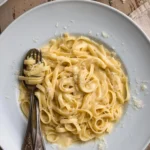
Authentic Butter and Parmesan Fettuccine
- Total Time: 17 minutes
- Yield: 4 servings 1x
- Diet: Vegetarian
Description
The original Fettuccine Alfredo – called fettuccine al burro in Italy – is a simple pasta dish consisting of fettuccine tossed with lots of butter and parmesan.
Ingredients
- 1 pound dried or fresh fettuccine pasta
- ½ pound (2 sticks) unsalted butter, room temperature and sliced
- ½ pound finely grated parmesan cheese (Parmigiano Reggiano)
- Kosher salt, to taste
Instructions
- Step 1: Bring a large pot of water to a boil, then salt generously with kosher salt. Cook the fettuccine, stirring often during the first 4 minutes and occasionally after that, according to package directions, until al dente.
- Step 2: Drain the pasta, reserving 1 cup of pasta water.
- Step 3: Return the pasta to the pot, off heat, and stir in the sliced butter, a small pinch of salt, half the cheese and a splash of the reserved pasta water (about ¼ cup). Toss the pasta vigorously, adding the rest of the cheese and more pasta water as needed for the sauce to emulsify. If you are having trouble getting the cheese to melt quickly, turn the heat on low under the pot.
- Step 4: Serve on warmed plates with more parmesan cheese and a fresh grinding of black pepper.
Notes
To prevent the sauce from solidifying, warm your plates in the oven at 150ºF for 15 minutes or run them under hot water before plating. Store leftovers in an airtight container in the fridge for up to 5 days. Reheat in a saucepan over medium-low heat with extra butter and reserved pasta water.
- Prep Time: 5 minutes
- Cook Time: 12 minutes
- Category: Main Course
- Method: Stovetop
- Cuisine: Italian
Nutrition
- Serving Size: 1 serving
- Calories: 1064 kcal
- Sugar: 3 g
- Sodium: 938 mg
- Fat: 66 g
- Saturated Fat: 40 g
- Unsaturated Fat: 22 g
- Trans Fat: 2 g
- Carbohydrates: 83 g
- Fiber: 4 g
- Protein: 37 g
- Cholesterol: 256 mg
Keywords: Fettuccine Alfredo, fettuccine al burro, Italian pasta, comfort food, butter and parmesan