This recipe combines a citrus-based liquid marinade with a concentrated dry rub to ensure the beef remains tender and flavorful. It is an ideal choice for tacos, burrito bowls, or as a standalone grilled main course.
List of ingredients
- 2 pounds flank steak or skirt steak – look for well-marbled cuts for better flavor.
- 1 tablespoon ground cumin – adds an earthy, smoky base.
- 1 tablespoon smoked paprika – provides color and a deep wood-fire taste.
- 1 tablespoon garlic powder – ensures an even distribution of savory flavor.
- 2 teaspoons chili powder – adds a mild heat and traditional profile.
- 2 teaspoons onion powder – complements the garlic for a balanced savory taste.
- 1/2 teaspoon black pepper – provides a sharp, pungent kick.
- 1/4 cup soy sauce (not low-sodium) – used for umami and essential saltiness.
- 1/4 cup orange juice – adds sweetness and acidity to tenderize the meat.
- Juice from one lime – provides the bright, zesty citrus notes.
- 2 tablespoons olive oil – helps the marinade adhere and prevents sticking.
- 1 tablespoon brown sugar – balances the acidity and aids in caramelization.
step-by-step instructions
- Prepare the spice blend: In a small bowl, stir together the ground cumin, smoked paprika, garlic powder, chili powder, onion powder, and black pepper. Set this dry mixture aside for later use.
- Mix the marinade: In a medium bowl, stir together the soy sauce, orange juice, lime juice, olive oil, and brown sugar until the sugar is dissolved.
- Combine and marinate: Place the steak in a large ziplock bag or bowl. Add the liquid marinade and exactly 1 tablespoon of the dry seasoning mix, then seal the bag and shake well to coat the meat.
- Chill: Place the bag in the refrigerator to marinate for 2 to 12 hours. Longer marination times will result in deeper flavor penetration.
- Apply the dry rub: Discard the leftover liquid marinade and remove the steak from the bag. Rub the remaining dry seasoning mixture firmly onto both sides of the steak.
- Grill the beef: Preheat a gas grill to medium-high (450° F). Cook the steak for 4-5 minutes per side until seared and it reaches an internal temperature of at least 140° F.
- Alternative cooking: If you do not have a grill, you can broil the steaks on a foil-lined baking sheet in the oven using the same timing and temperature guidelines.
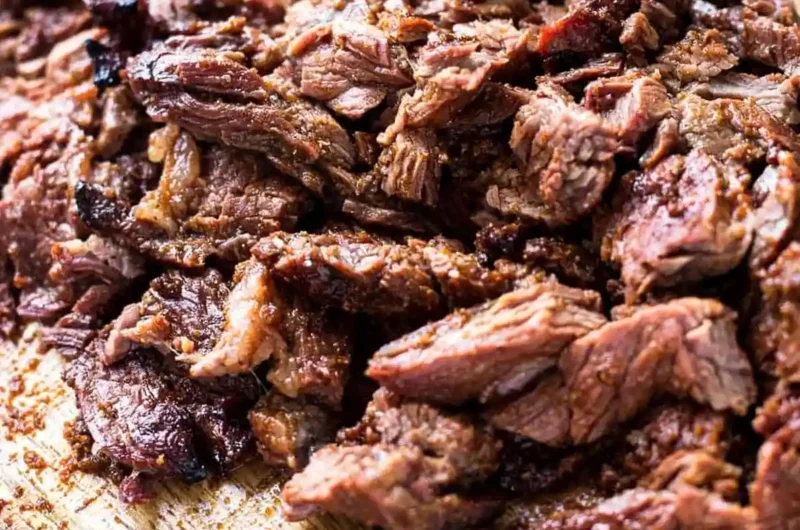
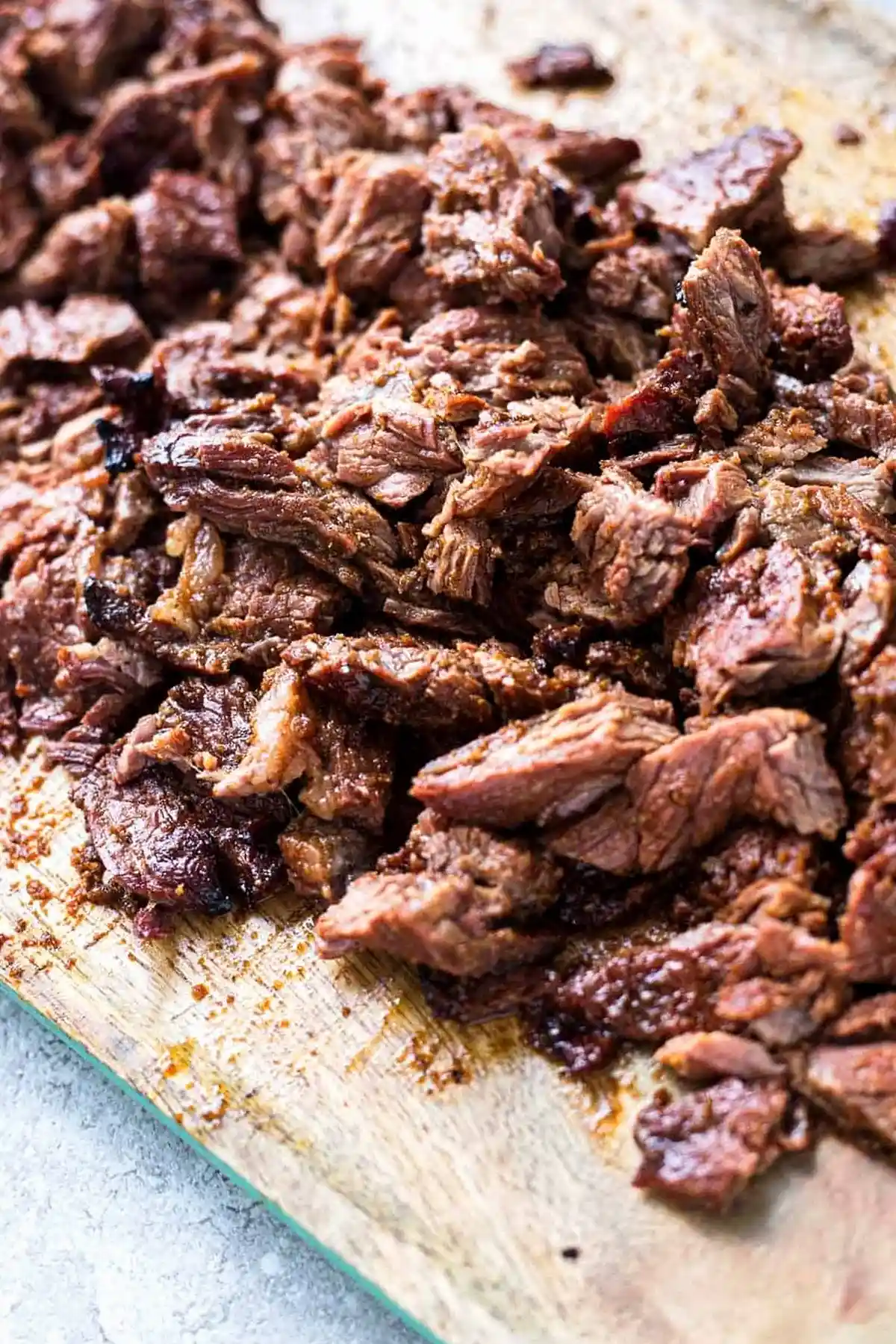
- Rest and serve: Remove the steak from the heat and let it rest for 5 minutes to lock in the juices. Chop the meat into small pieces with a knife and serve immediately.
Selecting the Ideal Cut of Beef
The Benefits of Skirt Steak
Skirt steak is often the preferred choice for carne asada because of its coarse grain and high fat content. This structure allows the marinade to penetrate deeper into the meat. It typically results in a more tender and flavorful bite when grilled at high temperatures.
Using Flank Steak for a Leaner Option
Flank steak is a leaner alternative that provides a more uniform shape, making it easier to slice. While it has less fat than skirt steak, it still absorbs flavors well. It is important to marinate flank steak for at least 8 hours to ensure it becomes tender.
Substituting with Hanger Steak
Hanger steak, also known as butcher’s steak, is an excellent substitute if you want a richer, more beefy flavor. It has a texture similar to skirt steak and responds well to high heat. Always ensure you remove the silver skin before marinating this cut.
Evaluating Meat Marbling
When shopping, look for meat with thin streaks of white intramuscular fat, known as marbling. This fat melts during the grilling process, basting the meat from the inside. Better marbling prevents the steak from drying out during the high-heat searing process.
Mastering the Grilling Process
Achieving the Perfect Sear
To get a professional char, the grill must be fully preheated to 450° F before the meat touches the grates. This high heat triggers the Maillard reaction, which creates the brown, flavorful crust. Avoid moving the steak too often to allow the crust to develop fully.
Managing Flare-Ups
The olive oil in the rub and the fat in the steak can cause flames to jump up on a gas grill. To manage this, keep a small area of the grill on medium heat. Move the meat to the cooler zone if the flames become too aggressive to avoid scorching the exterior.
Using an Internal Meat Thermometer
relying on time alone can lead to overcooked meat. Use a digital meat thermometer to check the internal temperature at the thickest part of the steak. Remove the meat at 140° F for medium-rare to medium, as the temperature will rise slightly during the resting phase.
The Importance of the Resting Period
Resting the meat for 5 minutes allows the muscle fibers to relax and reabsorb the juices. If you cut the steak immediately, the juices will run out onto the board, leaving the meat dry. This step is critical for maintaining the moisture levels of the carne asada.
Alternative Cooking Methods
Broiling in the Oven
Broiling uses direct heat from the top element, mimicking a grill. Place the steak on a baking sheet and set the rack 4 to 6 inches away from the broiler. Flip the steak every 4-5 minutes until a charred crust forms and the center is cooked.
Searing in a Cast-Iron Skillet
A cast-iron skillet is the best tool for indoor searing due to its high heat retention. Heat the pan with a small amount of oil until it begins to smoke. Sear the steak for 3 to 5 minutes per side to achieve a deep brown crust.
Oven Roasting for Large Batches
For those cooking for a crowd, oven roasting at 425° F is more efficient. Place the steaks on a roasting pan and cook for 10 to 12 minutes, turning halfway through. While you miss the char, the meat remains juicy and tender.
Using an Indoor Grill Pan
A ridged grill pan can create the characteristic grill marks without an outdoor setup. Brush the pan with oil and heat over medium-high. Press the meat down firmly with a spatula to ensure maximum contact with the ridges.
Advanced Slicing and Serving Techniques
Cutting Against the Grain
Locate the muscle fibers running through the steak and slice perpendicular to them. This shortens the fibers, making the meat much easier to chew. Cutting with the grain results in a stringy and tough texture, regardless of the marinade.
Preparing Carne Asada Tacos
Warm corn tortillas on a skillet until pliable and slightly charred. Fill them with a generous portion of chopped steak and top with diced white onion, fresh cilantro, and a squeeze of lime. This is the most traditional way to enjoy the dish.
Creating Carne Asada Fries
Layer crispy french fries on a platter and top them with the chopped grilled beef. Add melted queso, sliced jalapeños, and a dollop of sour cream for a hearty appetizer. This version is highly popular for game-day gatherings.
Pairing with Side Dishes
Serve the steak alongside Mexican red rice and slow-cooked pinto beans. A side of grilled spring onions (cebollitas) and charred jalapeños adds a complementary smoky flavor. Fresh guacamole or a pico de gallo salsa provides a necessary acidic balance.
Storage and Reheating Guidelines
Refrigeration and Shelf Life
Store leftover cooked carne asada in an airtight glass or plastic container. It will remain fresh in the refrigerator for three to four days. Keep the meat in the coldest part of the fridge to maintain quality.
Freezing Raw Marinated Meat
You can freeze the steak immediately after it has been placed in the marinade. Use a freezer-safe resealable bag and remove as much air as possible to prevent freezer burn. The meat can be stored this way for up to three months.
Freezing Cooked Steak
Allow the cooked meat to cool completely before transferring it to a freezer bag. Label the bag with the date and store it for up to one month. Thaw the meat overnight in the refrigerator before reheating to preserve the texture.
Best Reheating Methods
To avoid drying out the beef, avoid the microwave. Instead, wrap the steak in aluminum foil and heat it in the oven at 250° F until warmed through. This gentle heat prevents the proteins from tightening and becoming tough.
Troubleshooting Common Issues
Addressing Tough Meat
If the meat feels tough after cooking, it is likely due to slicing with the grain. Try slicing in the opposite direction. If it is still tough, increase the marination time to 12 hours to allow the citrus acids to break down more connective tissue.
Preventing Burnt Rubs
The brown sugar in the rub can burn if the heat is too high for too long. If you notice the meat charring too quickly, reduce the grill heat slightly. You can also move the steak to a lower-heat zone to finish cooking through.
Managing Overcooked Beef
Overcooked steak becomes dry and loses its flavor. If you accidentally overcook the meat, slice it very thinly across the grain. Serve it with a moist topping, such as avocado or a citrusy salsa, to add moisture back into each bite.
Frequently Asked Questions
Which cut of beef is best for carne asada?
Skirt steak is widely considered the best choice due to its fat content and flavor. Flank steak is a great alternative for those who prefer a leaner cut of meat.
How long should I marinate the steak?
For the best results, marinate the beef for 2 to 12 hours. While 2 hours is the minimum for basic flavor, an overnight soak produces the most tender and flavorful results.
Do I need to add salt to the rub?
No additional salt is needed because the soy sauce provides a significant amount of sodium. If you use low-sodium soy sauce, you may add a pinch of salt to the dry rub.
Can I use a different juice if orange juice is unavailable?
Pineapple juice is a suitable substitute for orange juice as it provides similar sweetness and acidity. However, be careful not to marinate too long with pineapple juice, as the enzymes can make the meat mushy.
Can I make this recipe in a skillet?
Yes, a cast-iron skillet is an excellent alternative to a grill. Ensure the pan is smoking hot to get a proper sear on the outside of the steak.
Print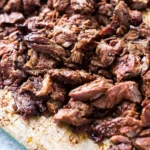
Authentic Juicy Grilled Carne Asada
- Total Time: 2 hours 20 minutes
- Yield: 8 servings 1x
- Diet: Gluten-Free, Keto
Description
This authentic carne asada recipe features both a liquid marinade and a dry rub mixture that yields perfectly spiced, juicy, and tender meat.
Ingredients
- 1 tablespoon cumin
- 1 tablespoon smoked paprika
- 1 tablespoon garlic powder
- 2 teaspoons chili powder
- 2 teaspoons onion powder
- ½ teaspoon black pepper
- ¼ cup soy sauce
- ¼ cup orange juice
- Juice from one lime
- 2 tablespoons olive oil
- 1 tablespoon brown sugar
- 2 pounds flank steak or skirt steak
Instructions
- Step 1: In a small bowl, stir together the ground cumin, smoked paprika, garlic powder, chili powder, onion powder, and black pepper; set aside.
- Step 2: In a medium bowl, stir together the soy sauce, orange and lime juice, olive oil, and brown sugar.
- Step 3: Place the steak in a large ziplock or bowl, add the liquid mixture and 1 tablespoon of the dry seasoning mix, and seal the bag.
- Step 4: Shake to coat, then marinate in the fridge for 2 to 12 hours.
- Step 5: Discard the liquid, remove the steak from the bag, and rub the remaining dry seasoning mixture onto both sides of the steak.
- Step 6: Preheat a gas grill to medium-high (450º F) and cook the steak for 4-5 minutes per side, until seared and at an internal temperature of at least 140º F.
- Step 7: Remove the steak, let it rest for 5 minutes, then chop into small pieces with a knife and serve.
Notes
For best results, allow the meat to sit at room temperature before cooking for more even heating. Marinating for 8 hours or overnight creates the best flavor and texture.
- Prep Time: 10 minutes
- Cook Time: 10 minutes
- Category: Dinner, Entree, Grilled
- Method: Grilling
- Cuisine: Mexican
Nutrition
- Serving Size: 4 ounces
- Calories: 224 kcal
- Sugar: 1 g
- Sodium: 491 mg
- Fat: 12 g
- Saturated Fat: 4 g
- Unsaturated Fat: 8 g
- Trans Fat: 0.4 g
- Carbohydrates: 3 g
- Fiber: 1 g
- Protein: 26 g
- Cholesterol: 71 mg
Keywords: Asada steak, Beef carne asada, Carne Asada Recipe, Carne Asada steak recipe, Carned Asada, grilled carne asada