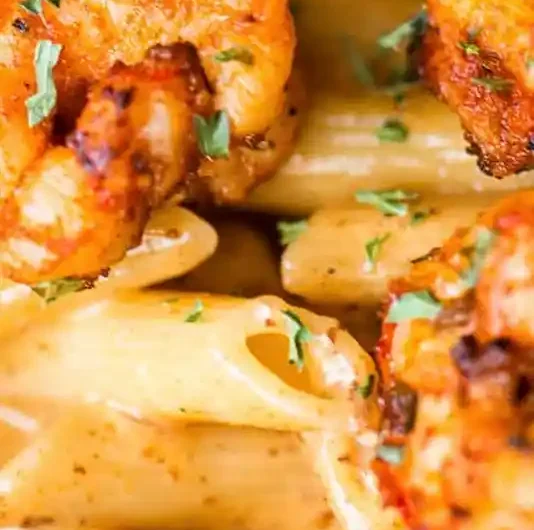
This Cajun Shrimp Pasta is a high-protein dinner that combines spicy seasoning with a velvety cream sauce. It is designed for quick preparation, making it an excellent choice for busy weeknights.
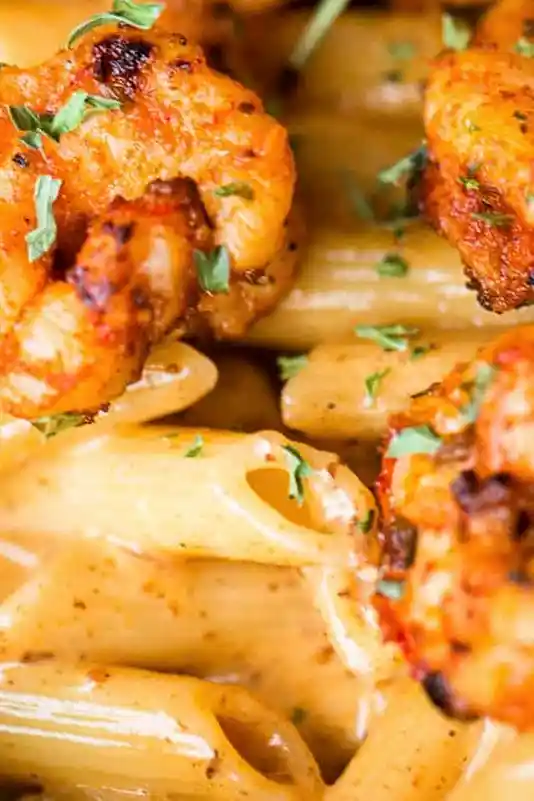
List of ingredients
- 1 tablespoon kosher salt – used specifically for seasoning the pasta boiling water.
- 8 ounces penne pasta – a sturdy shape that holds the creamy sauce well.
- 1 pound raw shrimp – deveined, cleaned, tail removed, and patted dry with paper towels.
- 2 tablespoons Cajun seasoning – used for coating the shrimp and flavoring the sauce.
- 1 tablespoon olive oil – prevents shrimp from sticking and aids in browning.
- 1 tablespoon butter – adds richness to the searing process and the final sauce.
- 1 cup heavy cream – the base for the rich, velvety sauce.
- 1/2 cup parmesan cheese – finely grated from a block for the best melting consistency.
step-by-step instructions
- Prepare ingredients: Organize all measurements and clean the shrimp before starting the heat to ensure a smooth process.
- Season the shrimp: In a mixing bowl, combine the 1 pound of raw shrimp with 2 tablespoons of Cajun seasoning and 1 tablespoon of olive oil. Toss thoroughly to coat every piece.
- Boil the pasta: Bring a pot of water to a boil and add 1 tablespoon of kosher salt. Add 8 ounces of penne pasta and cook until al dente.
- Save pasta water: Before draining the pasta, scoop out at least 1/2 cup of the starchy cooking water to use for thinning the sauce later. Drain the pasta and set it aside.
- Sear the shrimp: Heat a large skillet over medium-high heat and melt 1 tablespoon of butter. Add the seasoned shrimp in a single layer and cook until golden brown on each side, turning only once. Work in batches if the pan is too small.
- Remove shrimp: Once cooked, transfer the shrimp to a clean plate to prevent overcooking. Reduce the skillet heat to medium.
- Create the cream base: Pour 1 cup of heavy cream into the skillet. Use a flat wooden spoon to scrape the brown bits (fond) from the bottom of the pan to incorporate the seasoning into the sauce.
- Thicken the sauce: Allow the cream to bubble around the edges. Reduce the heat to low and stir in 1/2 cup of finely grated parmesan cheese until melted and smooth.
- Combine: Add the cooked pasta and seared shrimp back into the pan. Stir well to coat everything in the sauce.
- Adjust consistency: If the sauce is too thick, add the reserved pasta water one tablespoon at a time until the desired creaminess is reached.
- Final seasoning: Taste the dish and add additional salt if necessary based on your preference.
Pro Cooking Techniques for Best Results
Grating Parmesan from a Block
Use a Microplane or fine-hole grater to process your parmesan cheese. Pre-shredded cheeses often contain anti-clumping agents like cellulose, which prevent them from melting smoothly and can result in a grainy sauce texture.
Ensuring a Proper Shrimp Sear
Always pat your shrimp completely dry with paper towels before adding oil and seasoning. Excess moisture creates steam in the pan, which prevents the shrimp from developing a golden-brown crust and can lead to a rubbery texture.
Preventing Pan Crowding
Cook the shrimp in two batches if they do not fit in a single layer with space between them. Overcrowding the skillet drops the oil temperature, causing the shrimp to boil in their own juices rather than searing.
Utilizing Starchy Pasta Water
The reserved pasta water contains starch that acts as an emulsifier. Adding it to the cream sauce helps the fats and liquids bind together, creating a glossy finish that clings to the pasta instead of pooling at the bottom.
Managing Sauce Temperature
Reduce the heat to low before adding the parmesan cheese. High heat can cause the proteins in the cheese to tighten and separate, which may lead to an oily or broken sauce.
Customizing Protein and Pasta
Alternative Pasta Shapes
While penne is recommended, rigatoni or fusilli are excellent alternatives. These shapes have ridges and hollow centers that capture the heavy cream sauce and Cajun spices effectively.
Substituting with Other Proteins
You can replace shrimp with sliced chicken breast or sea scallops. For a heartier meal, consider adding sliced beef sausage, ensuring it is seared in the skillet before the cream is added.
Dairy-Free Cream Alternatives
Substitute heavy cream with full-fat coconut milk or cashew cream for a dairy-free version. These alternatives provide a similar thickness and richness, although the flavor profile will shift slightly.
Vegan Cheese Options
Use a vegan parmesan alternative or nutritional yeast to mimic the salty, nutty flavor of cheese. Mix it slowly into the plant-based cream to ensure it integrates without clumping.
Low-Sodium Modifications
If using store-bought Cajun seasoning, check the salt content first. You may need to reduce the amount of kosher salt added to the pasta water to prevent the final dish from becoming overly salty.
Flavor Enhancements and Variations
Adding Fresh Bell Peppers
Sauté diced red and green bell peppers in the butter before adding the shrimp. This adds a sweet crunch and a vibrant color that complements the spicy cream sauce.
Incorporating Baby Spinach
Stir in a handful of fresh baby spinach just before adding the pasta and shrimp. The residual heat from the sauce will wilt the spinach quickly, adding nutrients and a pop of green.
Using Diced Tomatoes
Add a small amount of canned fire-roasted diced tomatoes to the sauce. The acidity of the tomatoes cuts through the richness of the heavy cream and parmesan.
Increasing the Heat Level
For those who prefer a spicier kick, add a pinch of extra cayenne pepper or red pepper flakes to the cream sauce. This enhances the heat without changing the overall consistency of the dish.
Adding Aromatic Bases
Sauté minced garlic and finely diced onions in the butter before searing the shrimp. This creates a deeper savory foundation and adds complexity to the sauce’s flavor profile.
Suggested Pairings and Serving Ideas
Complementary Green Salads
Serve this pasta with a light arugula salad tossed in lemon vinaigrette. The bitterness of the greens and the acidity of the lemon balance the indulgence of the cream sauce.
Steamed Vegetable Sides
Steamed broccoli or roasted asparagus are excellent side dishes. These vegetables provide a fresh contrast to the rich pasta and can be tossed in a bit of garlic butter.
Bread for Sauce Dipping
Accompany the meal with toasted garlic bread or a warm baguette. This allows you to soak up any remaining creamy Cajun sauce from the plate.
Fresh Garnish Options
Top the finished dish with freshly chopped parsley or sliced green onions. These herbs add a fresh, bright note that lightens the heavy flavors of the cheese and cream.
Storage and Reheating Guidelines
Proper Refrigeration
Store leftovers in an airtight container in the refrigerator for up to 3 to 4 days. Ensure the pasta is cooled slightly before sealing the container to prevent excessive condensation.
Stovetop Reheating Method
Reheat the pasta in a skillet over low heat. Add a splash of milk or water to the pan to loosen the sauce, as the pasta will absorb moisture while sitting in the fridge.
Microwave Reheating Tips
Heat the pasta in short bursts of 30 to 60 seconds, stirring in between. This prevents the sauce from separating and ensures the shrimp do not overcook and become rubbery.
Why Freezing is Discouraged
Avoid freezing this dish because the heavy cream and parmesan sauce tend to separate upon thawing. This results in a grainy texture and a loss of the velvety consistency.
Common Cooking Troubleshooting
Addressing a Thick Sauce
If the sauce becomes too thick or tacky, stir in the reserved pasta water one tablespoon at a time. The starch and liquid will thin the sauce while maintaining its glossy appearance.
Fixing a Separated Sauce
If the sauce breaks and looks oily, lower the heat and whisk in a small amount of warm milk or water. Constant stirring on low heat can help re-emulsify the fats and liquids.
Preventing Rubbery Shrimp
Shrimp cook very quickly and can become tough if overdone. Remove them from the heat as soon as they turn opaque and form a C-shape; avoid letting them curl into a tight O-shape.
Reducing Excess Saltiness
If the dish tastes too salty due to the Cajun seasoning, stir in an extra tablespoon of heavy cream or add more steamed vegetables. This helps dilute the salt concentration without ruining the flavor.
Frequently Asked Questions
Can I use frozen shrimp?
Yes, frozen shrimp work well. Ensure they are completely thawed in the refrigerator and patted dry with paper towels before seasoning to ensure a proper sear.
How long does the dish stay fresh?
When stored in an airtight container in the refrigerator, the pasta will remain fresh for 3 to 4 days.
Can I make this in one pot?
While possible, it is not recommended to cook everything together. Searing the shrimp separately ensures a better crust and prevents the shrimp from overcooking while the sauce thickens.
How do I tell when the shrimp are cooked?
Cooked shrimp will change from translucent to an opaque white and pink color. They should be firm to the touch and curled into a gentle C-shape.
Can I use a different cream?
Half-and-half can be used, but the sauce will be thinner. You may need to simmer the sauce longer or add more parmesan cheese to achieve the same thickness as heavy cream.
Print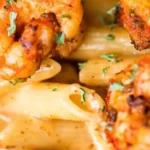
Cajun Shrimp Pasta with Creamy Spicy Sauce
- Total Time: 15 minutes
- Yield: 6 servings 1x
- Diet: General
Description
Cajun Shrimp Pasta with a spicy and rich cream sauce is a quick and easy dinner recipe with just the right amount of kick!
Ingredients
- 1 tablespoon kosher salt
- 8 ounces penne pasta
- 1 pound raw shrimp, deveined, cleaned, tail removed
- 2 tablespoons Cajun seasoning
- 1 tablespoon olive oil
- 1 tablespoon butter
- 1 cup heavy cream
- 1/2 cup parmesan cheese
Instructions
- Season: Combine the raw shrimp with the Cajun seasoning and the olive oil in a bowl.
- Boil: Add kosher salt to a pot of water and bring to a boil.
- Cook Pasta: Add penne pasta to the salted boiling water and cook to al dente doneness.
- Reserve: Before draining, scoop out at least 1/2 cup of the cooking water and drain the pasta.
- Sauté Shrimp: Melt butter in a large skillet over medium high heat; add shrimp in a single layer and cook until golden brown on each side, then transfer to a plate.
- Simmer Cream: Add heavy cream to the pan, scrape the bottom, and allow the cream to bubble around the edges.
- Melt Cheese: Reduce the heat to low and stir in the parmesan cheese to melt.
- Combine: Add the cooked pasta and shrimp and stir to coat.
- Adjust: If the sauce needs to be thinned, add the reserved pasta water, one tablespoon at a time.
- Finish: Taste and add additional salt, if desired.
Notes
Use a Microplane cheese grater for the parmesan to ensure it melts instantly into the sauce. If using store-bought Cajun seasoning, start with a small amount to control the salt level.
- Prep Time: 5 minutes
- Cook Time: 10 minutes
- Category: Main Course
- Method: Sautéing
- Cuisine: American
Nutrition
- Serving Size: 1 serving
- Calories: 429 kcal
- Sugar: 1 g
- Sodium: 1919 mg
- Fat: 22 g
- Saturated Fat: 12 g
- Unsaturated Fat: 10 g
- Trans Fat: 0 g
- Carbohydrates: 30 g
- Fiber: 2 g
- Protein: 24 g
- Cholesterol: 255 mg
Keywords: Cajun Shrimp Pasta, spicy cream sauce, quick dinner, seafood pasta, creamy penne