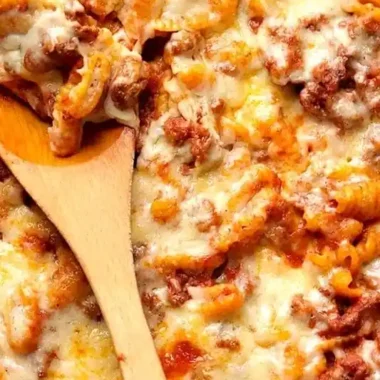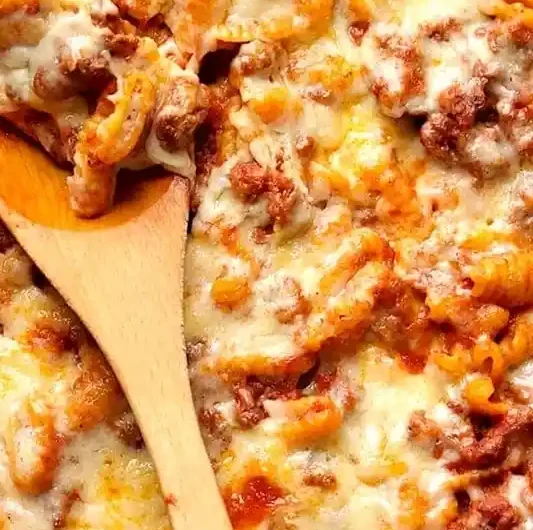
This hearty skillet meal combines savory ground beef with tender pasta and melted cheddar cheese. It is an efficient one-pan dinner solution that satisfies comfort food cravings quickly.
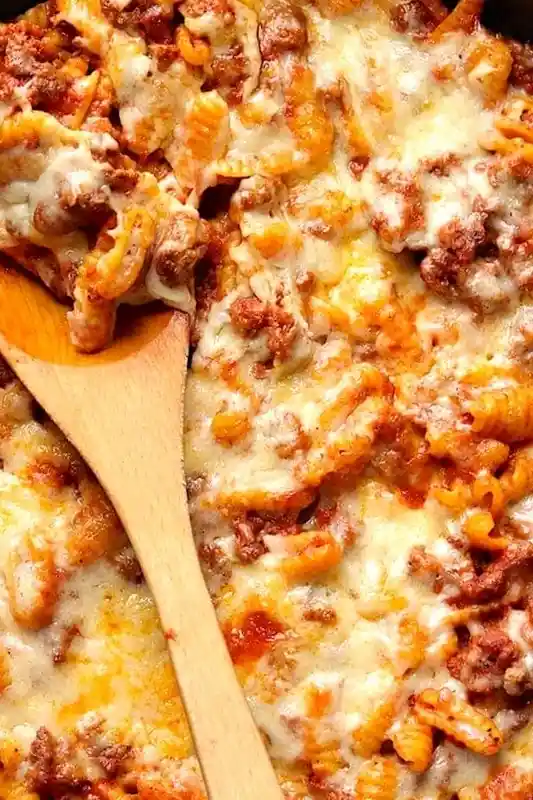
List of ingredients
- 8 ounces (1/2 a box) medium pasta, such as malloreddus, shells, or rotini – use a shape that holds sauce well.
- 1 to 2 tablespoons extra-virgin olive oil – used for searing the meat.
- 1 pound ground beef, preferably grass-fed – provides a rich, meaty base.
- 1 teaspoon garlic powder – adds an aromatic depth to the beef.
- 1/2 teaspoon crushed red pepper flakes – introduces a subtle spicy kick.
- Kosher salt and ground black pepper – used to taste for basic seasoning.
- One 20-ounce jar pasta sauce – use a natural, high-quality brand.
- 8 ounces (about 2 cups) shredded sharp cheddar cheese – freshly grated for superior melting.
step-by-step instructions
- Preheat: Heat the oven to 400°F.
- Boil Pasta: Cook the pasta according to the box instructions in a large pot of boiling salted water until al dente, then drain.
- Brown Beef: Heat the olive oil in a large cast-iron skillet over medium heat. Add the ground beef and season with garlic powder, crushed red pepper flakes, salt, and pepper; cook and break apart with a wooden spoon until fully cooked through, about 5 to 7 minutes.
- Simmer Sauce: Stir in the pasta sauce and simmer for 15 minutes, reducing the heat if necessary. Taste and adjust seasonings to your preference.
- Combine: Add the drained pasta and one-quarter (about 1/2 cup) of the cheese to the sauce and stir to combine.
- Bake: Sprinkle the remaining cheese on top and bake in the oven for about 15 minutes until the cheese has melted and the sauce is bubbling. Let it cool slightly before serving.
Cooking Tips for the Best Result
Selecting the Right Pasta Shape
Choose medium-sized shapes like rotini, shells, or malloreddus because they have ridges or cavities that trap the cheese sauce. Avoid very small pasta like orzo or very large shapes like rigatoni which may not distribute the beef evenly. Ensure the pasta is cooked just under al dente since it continues to cook in the oven.
Achieving a Perfect Beef Sear
Allow the skillet to get hot before adding the meat to ensure a proper sear. Use a wooden spoon to break the beef into small, uniform crumbles to maximize surface area for browning. Drain any excess fat if your beef is higher in fat content to prevent the sauce from becoming oily.
The Benefit of Grating Your Own Cheese
Buy a block of sharp cheddar and grate it yourself. Pre-shredded cheeses are often coated in cornstarch or cellulose to prevent clumping. Freshly grated cheese melts more smoothly and provides a more potent flavor profile.
Choosing the Best Skillet
A cast-iron skillet is ideal because it distributes heat evenly and can move from the stovetop to the oven. If you do not have one, use an oven-safe stainless steel pan. Ensure the handle is heat-resistant for safe removal from the oven.
Ingredient Substitutions
Lean Beef Alternatives
If you prefer a leaner meat, substitute ground turkey or ground chicken. These options reduce the overall fat content of the meal. You may need to add an extra tablespoon of olive oil if the meat is very lean to prevent sticking.
Alternative Pasta Options
Whole wheat pasta or chickpea pasta can be used for added fiber and protein. Be mindful that gluten-free pastas often cook faster and can become mushy more easily. Reduce the boiling time by one to two minutes for these alternatives.
Cheese Flavor Variations
While sharp cheddar is traditional, you can use Pepper Jack for more heat. A blend of Mozzarella and Parmesan provides a stretchier, saltier topping. Always choose a high-melting-point cheese for the final oven step.
Choosing Your Pasta Sauce
Use a high-quality marinara or traditional tomato sauce with minimal added sugars. If the sauce is too sweet, add a pinch of salt or a drop of lemon juice to balance the flavor. Avoid using pre-made meat sauces to prevent the dish from becoming too heavy.
Flavor Variations
Integrating Fresh Vegetables
Stir in diced bell peppers or onions while browning the beef. Spinach or kale can be added during the simmering phase until wilted. This increases the nutritional value and adds color to the meal.
Boosting the Spice Level
Increase the crushed red pepper flakes to one full teaspoon for a moderate heat. Adding a pinch of cayenne pepper or a dash of hot sauce can further intensify the spice. Balance the heat with a small amount of honey or sugar if desired.
Creating a Creamier Texture
Stir in two tablespoons of cream cheese or sour cream before adding the pasta. This transforms the red sauce into a creamy rose-style sauce. It pairs exceptionally well with the melted cheddar on top.
Adding Fresh Herb Accents
Stir in fresh chopped parsley or basil after the dish comes out of the oven. Dried oregano can be added during the simmering stage for a traditional Italian profile. Fresh herbs provide a bright contrast to the rich beef and cheese.
Serving Suggestions
Pairing with Fresh Salads
Serve this pasta alongside a crisp Caesar salad or a simple arugula salad. The acidity of a vinaigrette cuts through the richness of the cheese. This creates a balanced and refreshing meal.
Garlic Bread Accompaniments
Toasted baguette slices with garlic butter complement the skillet flavors. The crunch of the bread provides a textural contrast to the soft pasta. Use a grill or oven to toast the bread until golden brown.
Serving for Large Groups
For more guests, double the recipe and use two separate skillets. Divide the pasta and sauce equally to ensure even cooking. Bake both pans simultaneously on the middle rack of the oven.
Storage and Reheating
Refrigerator Storage Times
Store leftovers in an airtight container in the refrigerator. The pasta will stay fresh for three to four days. Ensure the dish is cooled slightly before sealing the lid to prevent condensation from making the pasta soggy.
Freezing the Skillet Pasta
This dish can be frozen for up to two months. Portion the pasta into freezer-safe bags or containers. Leave a small amount of space at the top of the container to allow for expansion during the freezing process.
Optimal Reheating Methods
Reheat portions in the microwave with a splash of water or beef broth to loosen the sauce. Alternatively, place the pasta in a small oven-safe dish and bake at 350°F until heated through. Avoid overcooking to prevent the pasta from becoming too soft.
Make-Ahead Strategies
Preparing the Sauce in Advance
Brown the beef and simmer the sauce up to two days before serving. Store this mixture in the fridge in a sealed container. When ready to eat, heat the sauce and add the freshly cooked pasta and cheese.
Pre-Cooking the Pasta
You can boil the pasta a day early and toss it with a bit of olive oil to prevent sticking. Store it in the refrigerator in a sealed bag. Add it to the sauce during the final assembly phase.
Common Troubleshooting
Correcting a Watery Sauce
If the sauce appears too thin, simmer it for an additional five to ten minutes without a lid. This allows more moisture to evaporate and thickens the consistency. Ensure the heat remains low to avoid burning the bottom.
Managing Excess Beef Grease
Use a spoon or a paper towel to remove excess fat after browning the beef. Too much grease can separate from the sauce and pool on top of the cheese. This ensures a cleaner flavor and better overall texture.
Fixing Overcooked Pasta
If the pasta is too soft, reduce the oven baking time by five minutes. This prevents the noodles from absorbing too much sauce and losing their structure. Always aim for a firm center when boiling the pasta.
Frequently Asked Questions
Can I use a different oven temperature?
Yes, you can bake at 375°F, but it may take 5 to 10 minutes longer to melt the cheese. Avoid going above 425°F as the cheese may burn before the sauce bubbles. Stick to the recommended 400°F for the best results.
Do I have to use a cast-iron skillet?
No, any oven-safe skillet or deep baking dish will work. If using a glass dish, ensure it is tempered to handle the heat. The key is that the vessel must be able to transition from the stove to the oven.
Can I use pre-shredded cheese?
You can use it for convenience, but the results are less creamy. Pre-shredded cheese is coated in potato starch or cellulose to prevent clumping. This interferes with the melting process and alters the texture.
How do I store leftovers?
Place them in a sealed plastic or glass container. Keep them in the coldest part of the refrigerator. Let the pasta cool to room temperature before sealing to avoid trapping steam.
Print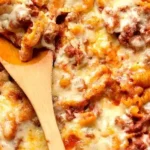
Cheesy Ground Beef Skillet Pasta
- Total Time: 50 minutes
- Yield: 4 servings 1x
- Diet: General
Description
With just a few simple ingredients, this recipe comes together with ease and is bound to bring a smile to everyone sitting around the dinner table.
Ingredients
- 8 ounces medium pasta, such as malloreddus, shells, or rotini
- 1 to 2 tablespoons extra-virgin olive oil
- 1 pound ground beef
- 1 teaspoon garlic powder
- 1/2 teaspoon crushed red pepper flakes
- Kosher salt and ground black pepper
- One 20-ounce jar pasta sauce
- 8 ounces shredded sharp cheddar cheese
Instructions
- Step 1: Heat the oven to 400°F.
- Step 2: Cook the pasta per the instructions on the box in a large pot of boiling salted water until al dente; drain.
- Step 3: Heat the oil in a large cast-iron skillet over medium heat. Add the ground beef and season with garlic powder, crushed red pepper flakes, and some salt and pepper, and cook, breaking apart with a wooden spoon, until the beef is cooked through, 5 to 7 minutes.
- Step 4: Add the pasta sauce and simmer, reducing the heat as needed, for 15 minutes. Taste and adjust the seasonings to your liking.
- Step 5: Add the cooked pasta along with one-quarter (about 1/2 cup) of the cheese to the sauce and stir to combine.
- Step 6: Sprinkle the remaining cheese on top and bake in the oven until the cheese has melted and the sauce is gently bubbling, about 15 minutes. Let cool slightly before serving.
Notes
For the best texture and flavor, shred the sharp cheddar cheese from a block yourself rather than using pre-shredded cheese.
- Prep Time: 10 minutes
- Cook Time: 40 minutes
- Category: Main Course
- Method: Skillet and Oven
- Cuisine: American
Nutrition
- Serving Size: 1 serving
- Calories: 780 kcal
- Sugar: 10 g
- Sodium: 1250 mg
- Fat: 37 g
- Saturated Fat: 15 g
- Unsaturated Fat: 22 g
- Trans Fat: 0 g
- Carbohydrates: 48 g
- Fiber: 4 g
- Protein: 41 g
- Cholesterol: 110 mg
Keywords: cheesy ground beef skillet pasta, cheeseburger pasta, comfort food, easy dinner, ground beef pasta