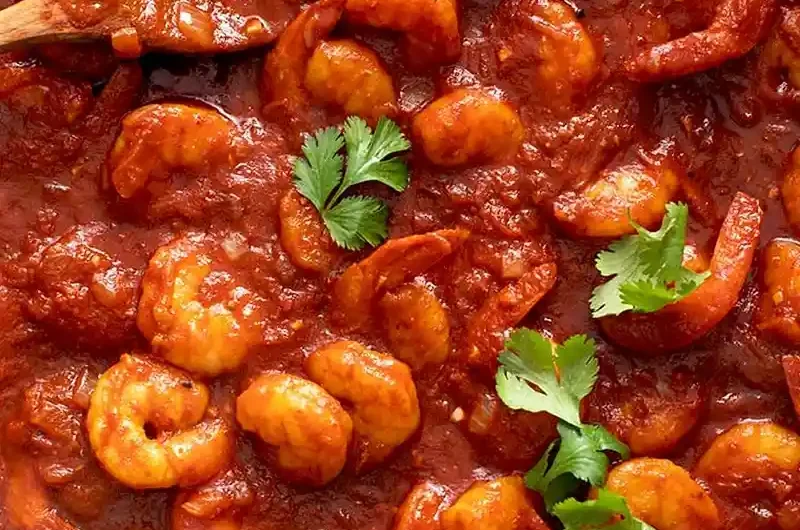
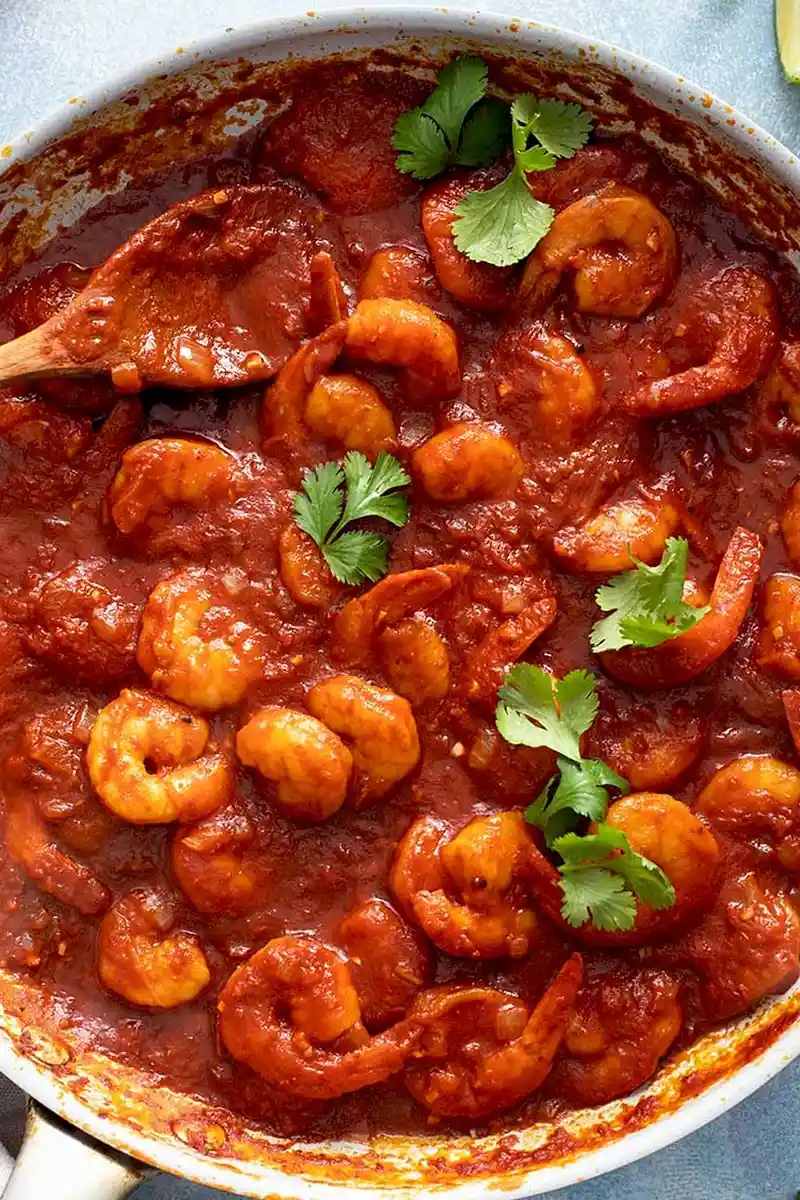
This vibrant dish features succulent shrimp simmered in a rich, spicy tomato and dried chile sauce. It is a quick-cooking meal that delivers an authentic Mexican flavor profile in under 30 minutes.
List of ingredients
- 3 Roma tomatoes – provides the base for the sauce.
- 6 dried guajillo chiles, stemmed and seeded – adds an earthy, mild heat.
- 3-4 dried chile de arbol, stemmed and seeded – provides the primary spicy kick.
- 1 1/2 – 2 cups water – used for rehydrating chiles and blending the sauce.
- 1-2 chipotle peppers in adobo sauce, plus 1 tablespoon adobo sauce (optional) – for added smokiness and heat.
- 1 1/2 pounds raw shrimp, peeled and deveined with tails on (large, 31/35) – main protein.
- Juice of 1/2 lime or lemon – adds acidity and brightness to the shrimp.
- Salt and ground black pepper, to taste – basic seasoning.
- 1 tablespoon butter – for rich sautéing (can be replaced with olive oil).
- 2 tablespoons olive oil, divided – used for sautéing shrimp and aromatics.
- 1/2 medium onion, finely chopped (brown, yellow, or white) – base aromatic.
- 2 garlic cloves, minced – adds pungent flavor.
- Chopped cilantro or parsley – for fresh garnish.
- Lime or lemon wedges – for serving.
- Sour cream – for serving to balance the heat.
- Rice and corn tortillas – for serving.
step-by-step instructions
- Rehydrate the chiles: Place the Roma tomatoes and dried chiles in a saucepan. Add enough water to cover everything, bring to a boil, then reduce heat to low and simmer for about 10 minutes until the chiles are soft. Remove from heat and let cool slightly.
- Marinate the shrimp: While the chiles simmer, toss the shrimp with lime or lemon juice, salt, and black pepper. Set them aside to let the flavors penetrate.
- Blend the sauce: Transfer the cooked tomatoes, chiles, about 1 cup of the cooking water, and the chipotle peppers (if using) into a blender. Process until completely smooth. If the consistency is too thick, blend in more of the cooking water. Taste the sauce and add a fresh tomato if the heat is too intense.
- Sear the shrimp: Melt butter with one tablespoon of olive oil in a large skillet over medium-high heat. Sauté shrimp for about one minute per side until they start changing color but remain translucent; do not cook them fully yet. Move shrimp to a plate.
- Sauté the aromatics: Add the remaining tablespoon of oil to the same skillet. Sauté the chopped onion for about 3 minutes until translucent, then stir in the minced garlic for 30 seconds until aromatic.
- Simmer and finish: Pour the blended sauce into the skillet and cook for 2 minutes, stirring often. Lower the heat and simmer for 4-5 minutes to thicken. Return the shrimp to the pan and cook for 2 more minutes until fully cooked through. Season with salt and pepper, then garnish with cilantro and lime wedges.
Managing the Heat Level
Reducing the Spice for Mild Palates
To create a milder version of this dish, reduce the number of dried chile de arbol to one or two. Omit the chipotle peppers and the adobo sauce entirely. If the sauce still tastes too spicy after blending, stir in one finely diced fresh Roma tomato to add sweetness and bulk, which neutralizes the capsaicin.
Increasing the Fire for Spice Lovers
For those who prefer a more intense heat, increase the chipotle pepper count to three and add an extra tablespoon of the adobo sauce. You can also leave a few seeds inside the chile de arbol during the rehydration process. For an extreme kick, add a pinch of cayenne pepper to the shrimp marinade.
Balancing Flavors with Acid
The heat of the chiles can be balanced by increasing the acidity in the dish. Add an extra squeeze of fresh lime juice just before serving. The citric acid cuts through the spicy oils of the chiles and brightens the overall flavor profile of the tomato sauce.
Technical Cooking Tips
Preventing Rubbery Shrimp
Shrimp overcook in seconds, turning from tender to rubbery. The key is the two-stage cooking process: a quick sear and a final simmer. Ensure the shrimp are only partially cooked during the first sauté; they should look translucent rather than opaque. The final two minutes in the simmering sauce are sufficient to finish the cooking process without toughening the protein.
Handling Dried Chiles Safely
Dried chiles, especially the chile de arbol, contain oils that can irritate the skin and eyes. Always wear disposable gloves when stemming and seeding the peppers. If you do not have gloves, avoid touching your face or eyes during the process and wash your hands thoroughly with soap and water immediately after handling.
Achieving a Smooth Sauce Texture
To ensure the sauce is velvety and free of skins, use a high-speed blender. If you find small pieces of chile skin remaining, pass the blended sauce through a fine-mesh strainer before adding it to the skillet. This results in a restaurant-quality consistency that coats the shrimp evenly.
Selecting the Right Shrimp Size
This recipe calls for large shrimp (31/35 count), which provides a good balance of meatiness and cooking speed. If using extra-large shrimp (26/30 count), you may need to increase the initial sauté time by 30 seconds per side. Avoid using very small shrimp, as they are more likely to overcook and shrink during the simmering stage.
Serving and Presentation
Traditional Mexican Side Dishes
Serve Camarones a la Diabla over a bed of steamed white rice or traditional Mexican red rice. The starch helps absorb the spicy sauce and prevents the heat from overwhelming the palate. Warm corn tortillas are also essential, allowing you to scoop up the shrimp and sauce in taco style.
Adding Cooling Elements
To contrast the fiery sauce, serve the dish with a generous dollop of cold sour cream or Mexican crema. Sliced avocado or a side of guacamole also provides a creamy texture and healthy fats that soothe the tongue. Freshly chopped cilantro adds a herbal note that cuts through the richness of the butter and oil.
Alternative Main Course Options
While traditionally served with rice, these shrimp can be used as a filling for spicy shrimp burritos or quesadillas. For a lower-carb option, serve the shrimp over sautéed zucchini noodles or a bed of fresh baby spinach. The sauce is flavorful enough to season the vegetables without additional condiments.
Storage and Reheating
Storing Leftover Shrimp
Place cooked shrimp and sauce in an airtight glass container and refrigerate for up to two days. Store the shrimp and sauce together to keep the protein moist. Avoid storing them for longer than 48 hours, as the seafood texture begins to degrade and the flavor of the chiles can become overly dominant.
Make-Ahead Sauce Preparation
The tomato-chile sauce can be made 3 to 4 days in advance. Blend the ingredients as directed and store the sauce in a sealed jar in the refrigerator. When ready to eat, simply sauté the shrimp and aromatics, then pour in the chilled sauce and simmer before returning the shrimp to the pan.
Proper Reheating Methods
To prevent the shrimp from becoming rubbery, reheat them low and slow. The best method is using a skillet over medium heat with a tablespoon of water or vegetable broth to loosen the sauce. Alternatively, use a microwave on 50% power in 30-second intervals, stirring gently between each session until heated through.
Frequently Asked Questions
Can I use frozen shrimp for this recipe?
Yes, frozen shrimp work perfectly. Ensure they are completely thawed in the refrigerator overnight or under cold running water before patting them dry. If the shrimp are not fully thawed, they will release excess water in the skillet, which will steam the shrimp instead of searing them.
What can I use if I cannot find guajillo chiles?
If guajillo chiles are unavailable, you can substitute them with a mix of New Mexico chiles or a combination of paprika and a small amount of cayenne pepper. However, the authentic earthy flavor comes from the guajillo, so it is recommended to search for them in a Mexican grocery store.
Is this recipe dairy-free?
The recipe is not naturally dairy-free due to the use of butter and the optional serving of sour cream. To make it dairy-free, replace the butter with an equal amount of olive oil or a plant-based butter alternative. Serve with a cashew-based cream or avocado instead of sour cream.
Why did my sauce separate?
Sauce separation usually happens if the heat is too high during the final simmering stage or if the emulsion was broken. To fix this, stir the sauce vigorously over medium-low heat or add a teaspoon of cold water and whisk quickly to bring the fats and liquids back together.
Can I use lemon instead of lime?
Yes, lemon juice is a suitable replacement for lime juice. While lime provides the traditional Mexican citrus profile, lemon offers a similar acidity that brightens the shrimp and balances the heat of the chiles.
Do I have to remove the tails from the shrimp?
Removing the tails is optional and mostly a matter of preference. Keeping the tails on provides a better visual presentation and makes the shrimp easier to handle if serving as an appetizer. If serving as a main course over rice, removing the tails makes the dish easier to eat.
Print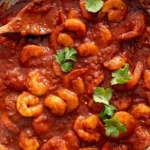
Spicy Mexican Deviled Shrimp
- Total Time: 30 minutes
- Yield: 4 servings 1x
- Diet: Gluten-free
Description
Camarones a la Diabla, Diablo Shrimp or Deviled Shrimp are some of the names given to this spicy and flavorful Mexican shrimp recipe featuring succulent shrimp simmered in a fiery and flavorful tomato-chile sauce
Ingredients
- 3 Roma tomatoes
- 6 dried guajillo chiles, stemmed and seeded
- 3–4 dried chile de arbol, stemmed and seeded
- 1 1/2 – 2 cups water
- 1–2 chipotle pepper in adobo sauce (plus about a tablespoon of the adobo sauce)
- 1 1/2 pounds raw shrimp, peeled and deveined with tails on (large, 31/35)
- Juice of 1/2 lime or lemon
- Salt, to taste
- Ground black pepper, to taste
- 1 tablespoon butter
- 2 tablespoons olive oil, divided
- 1/2 medium onion, finely chopped
- 2 garlic cloves, minced
- Chopped cilantro or parsley (garnish)
- Lime or lemon wedges for serving
- Sour cream, for serving
- Rice and corn tortillas for serving
Instructions
- Step: Place the tomatoes and dried chiles in a saucepan, add enough water to cover the chiles and tomatoes. Bring to a boil. Reduce the heat to low, and simmer for about 10 minutes or until the chiles have softened. Remove from the heat and cool slightly.
- Step: Meanwhile, season the shrimp with the lime or lemon juice, salt and ground black pepper to taste. Set aside.
- Step: Transfer the tomatoes, chiles, about 1 cup of the cooking water and the chipotle pepper (if using) to a blender. Blend until smooth. If the sauce seems too thick, add additional cooking water. Taste. You can add a fresh tomato if the sauce is too spicy for your taste.
- Step: In a large skillet, melt the butter with a tablespoon of olive oil over medium-high heat. Add the shrimp and sauté for about a minute per side or until the shrimp starts to change color but it’s not fully cooked (it will look a bit translucent and not fully pink). Transfer the shrimp to a plate. Set aside.
- Step: Add the remaining oil to the skillet and when hot, add the onion. Sauté, stirring occasionally for about 3 minutes or until the onions become translucent. Add the garlic and cook for about 30 seconds or until aromatic.
- Step: Pour the sauce into the skillet and cook for about 2 minutes, stirring frequently to prevent it from sticking to the bottom of the skillet. Reduce the heat and simmer for about 4-5 minutes. Stir in the shrimp and cook for about 2 minutes or until the shrimp is fully cooked. Season to taste with salt and ground black pepper. Garnish with chopped cilantro or parsley and lime or lemon wedges (optional).
- Step: Serve as an appetizer or over steamed rice or Mexican rice and sliced avocado, if desired.
Notes
For a less spicy dish, only use 1 Chile de arbol and omit the chipotle peppers and adobo sauce. Wear gloves when handling dried chiles. The sauce can be made 3-4 days in advance and stored in an airtight container in the refrigerator.
- Prep Time: 15 minutes
- Cook Time: 15 minutes
- Category: Main Course
- Method: Sautéing
- Cuisine: Mexican
Nutrition
- Serving Size: 1 serving
- Calories: 242 kcal
- Sugar: 4 g
- Sodium: 994 mg
- Fat: 12 g
- Saturated Fat: 3 g
- Unsaturated Fat: 7 g
- Trans Fat: 1 g
- Carbohydrates: 9 g
- Fiber: 2 g
- Protein: 24 g
- Cholesterol: 222 mg
Keywords: Camarones a la Diabla, shrimp diablo, Mexican shrimp, spicy shrimp, deviled shrimp