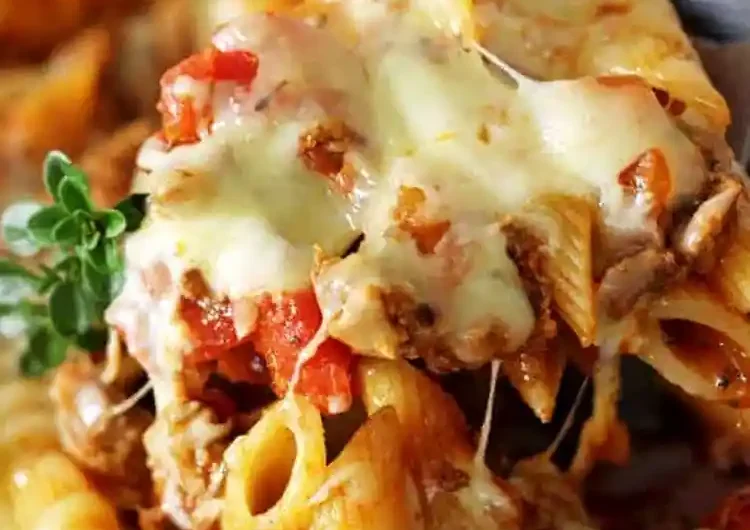
This streamlined meal allows you to cook the pasta directly in the sauce, reducing cleanup and concentrating the flavors. It is a practical solution for busy weeknights that requires only one skillet and about 30 minutes.
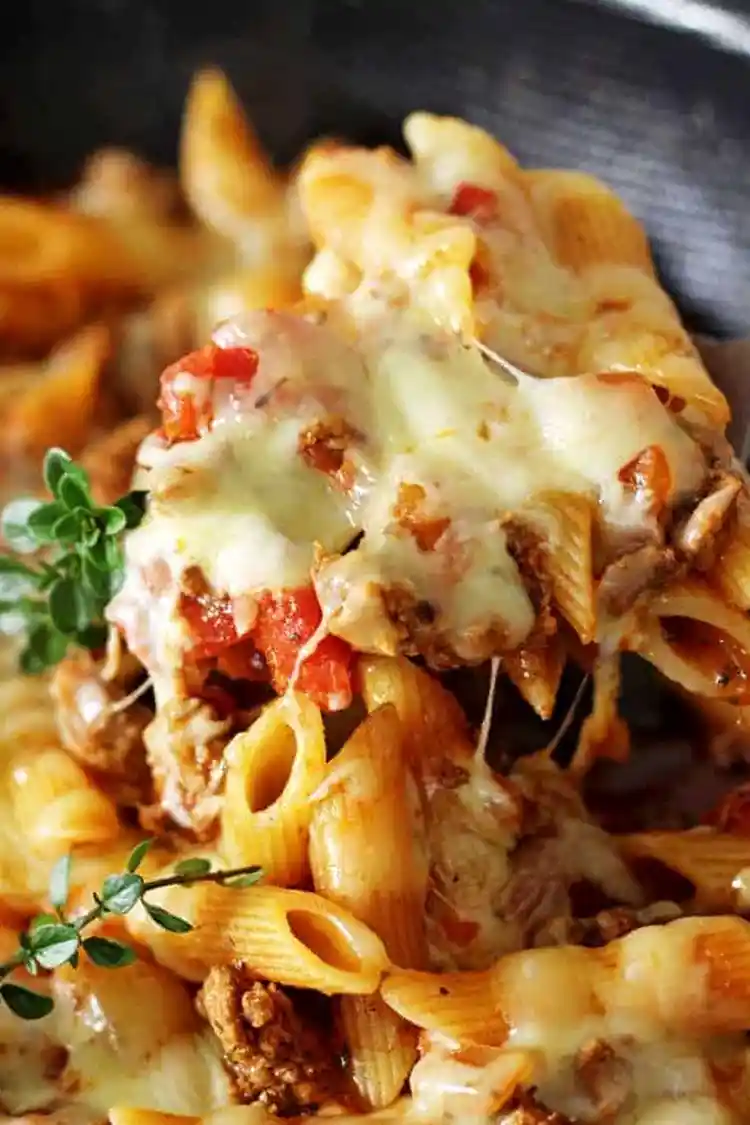
List of ingredients
- 1 Tablespoon olive oil – used for sautéing aromatics.
- 1/2 onion (chopped) – provides a savory base.
- 2 cloves garlic (crushed or finely chopped) – adds depth of flavor.
- 500 grams beef mince (ground beef) – the primary protein source.
- 1x 400 gram tin of chopped tomatoes – creates the sauce body.
- 1/4 cup tomato paste – thickens the sauce and intensifies the tomato taste.
- 1 1/2 cups beef stock – provides the necessary liquid for the pasta to absorb.
- 1 Tablespoon dried mixed herbs – adds aromatic seasoning.
- 1 Tablespoon worcestershire sauce – enhances the umami profile.
- 2 cups dried penne pasta – the main carbohydrate component.
- 1/2 cup grated mozzarella cheese (or any other cheese) – for the melty topping.
step-by-step instructions
- Sauté Aromatics: Heat the olive oil in a large frying pan over medium heat. Add the chopped onion and garlic, cooking for approximately 2 minutes until they become fragrant.
- Brown the Beef: Add the beef mince to the pan and cook for about 5 minutes, stirring occasionally, until the meat is browned.
- Build the Sauce: Stir in the chopped tomatoes, tomato paste, beef stock, dried mixed herbs, and worcestershire sauce until the mixture is well combined.
- Simmer the Pasta: Reduce the heat to medium-low. Stir in the dried penne pasta, cover the pan with a lid, and allow it to cook for 15 minutes. Stir the contents once halfway through the cooking time to prevent the pasta from sticking to the bottom.
- Check Texture: Remove the lid and verify that the pasta is tender. If it remains too firm, continue cooking for an additional 2 to 3 minutes.
- Melt the Cheese: Sprinkle the grated mozzarella evenly over the top. Cover the pan again for 2 minutes until the cheese is fully melted. Alternatively, if using an oven-proof skillet, place the pan under a grill for a few minutes to brown the cheese.
- Serve: Remove the pan from the heat and serve the pasta immediately.
Essential Cooking Techniques for One-Pot Pasta
Select a Heavy-Bottomed Skillet
Using a heavy-bottomed pan, such as cast iron or stainless steel, ensures that heat is distributed evenly across the base. This prevents the beef from scorching and stops the pasta from sticking in hot spots. A thick base helps maintain a steady simmer throughout the 15-minute cooking window.
Maximize the Maillard Reaction
When browning the beef, avoid overcrowding the pan or stirring too frequently at the start. Allowing the meat to sit undisturbed for a few minutes creates a brown crust, which significantly enhances the overall flavor of the sauce. Ensure the oil is shimmering before adding the meat to achieve this sear.
Control the Liquid Ratio
The balance between the beef stock and chopped tomatoes is critical because the dried pasta absorbs a significant amount of moisture. If the liquid is too low, the pasta will remain hard; if too high, the sauce will be watery. Stick to the measured quantities to ensure the starch from the pasta thickens the sauce to a creamy consistency.
Manage the Heat During Simmering
Once the lid is on, maintain a gentle simmer rather than a rolling boil. High heat can cause the liquid to evaporate too quickly, leaving the pasta undercooked while the sauce burns. A medium-low setting allows the pasta to hydrate slowly and evenly.
Customizing the Recipe and Substitutions
Incorporate Fresh Vegetables
To add nutrition, stir in finely diced carrots or celery during the onion and garlic sauté phase. For green vegetables like spinach or frozen peas, stir them in during the last 2 minutes of cooking. This ensures they retain their color and texture without becoming overcooked.
Explore Alternative Cheese Varieties
While mozzarella provides a classic stretch, a blend of sharp cheddar and parmesan adds a more pungent and salty flavor. For a creamier finish, consider using provolone or a small amount of cream cheese stirred in just before the final cheese topping. Ensure any cheese used is made with microbial rennet.
Substitute the Pasta Shape
Penne is ideal because its tubular shape captures the sauce, but fusilli or rotini work equally well for similar cook times. If using smaller shapes like macaroni, reduce the simmering time by 2-3 minutes. Avoid using very thick pasta shapes that require more than 15 minutes to soften.
Swap the Protein Source
Ground turkey or ground chicken can replace beef mince for a leaner profile. When using poultry, you may need to add an extra tablespoon of olive oil as these meats have less natural fat. For a plant-based version, use a soy-based mince and replace the beef stock with a rich vegetable broth.
Adjust the Seasoning Profile
If you prefer a spicier dish, add a teaspoon of crushed red pepper flakes along with the dried herbs. To deepen the acidity, add a splash of lemon juice or a teaspoon of apple cider vinegar at the end. If the sauce tastes too acidic from the tomatoes, a pinch of sugar can balance the flavors.
Serving and Presentation Ideas
Pair with a Crisp Side Salad
A fresh arugula or romaine salad with a lemon-olive oil vinaigrette cuts through the richness of the cheese and beef. The acidity of the dressing cleanses the palate between bites of the creamy pasta. Simple sliced cucumbers and cherry tomatoes also provide a refreshing contrast.
Prepare Accompaniments
Garlic bread or toasted sourdough slices are excellent for scooping up any remaining sauce on the plate. You can brush bread with melted butter and garlic powder, then toast it in the oven until golden brown. This adds a crunchy texture to the meal.
Finish with Fresh Garnishes
Top the finished dish with freshly chopped parsley or basil leaves to add a burst of color and freshness. A sprinkle of extra parmesan cheese or cracked black pepper right before serving enhances the visual appeal. These additions provide a professional finish to a simple home meal.
Storage, Reheating, and Meal Prep
Proper Refrigeration Methods
Store leftovers in an airtight container in the refrigerator for up to 3 to 4 days. Allow the pasta to cool slightly before sealing the lid to prevent excessive condensation. Keep the portions small to ensure the dish cools quickly and stays fresh.
Managing Pasta Texture During Storage
Pasta continues to absorb liquid even after it has cooled, which may result in a thicker, drier consistency the next day. To prevent this, you can stir in a tablespoon of water or beef stock before storing. This preserves some moisture for the reheating process.
Best Reheating Practices
For the best results, reheat the pasta in a skillet over medium heat with a splash of water or milk. This restores the saucy consistency and prevents the pasta from becoming gummy. If using a microwave, cover the dish with a damp paper towel to keep the moisture locked in.
Freezing Guidelines
While the beef and sauce freeze well, cooked pasta often changes texture and becomes mushy upon thawing. It is generally recommended to refrigerate rather than freeze this specific dish. If you must freeze it, undercook the pasta slightly before the initial freeze.
Troubleshooting Common Issues
Addressing Undercooked Pasta
If the pasta is still too firm after 15 minutes, add 1/4 cup of beef stock or water. Replace the lid and simmer for another 3 to 5 minutes. Ensure you stir gently to avoid breaking the pasta pieces.
Fixing a Watery Sauce
If the sauce is too thin after the pasta is cooked, remove the lid and simmer on medium heat for a few minutes. This allows the excess liquid to evaporate and the sauce to reduce. You can also stir in a teaspoon of cornstarch mixed with water if a quick thicken is needed.
Reducing Excess Grease
Some beef mince releases a significant amount of fat during the browning process. To avoid a greasy sauce, carefully spoon out the excess oil from the pan after browning the meat but before adding the tomatoes. This results in a cleaner, lighter taste.
Preventing Cheese from Burning
When using a grill or broiler to melt the cheese, stay close and watch the pan constantly. Cheese can go from melted to burnt in a matter of seconds. Remove the pan as soon as the cheese is bubbling and slightly golden.
Frequently Asked Questions
Can I use a different beef cut?
Ground beef with a fat content of 15-20% is recommended for the best flavor and moisture. If using extra-lean beef, you may need to add more olive oil to prevent the meat from becoming dry and crumbly.
Do I need to pre-boil the pasta?
No, the purpose of this recipe is to cook the pasta directly in the sauce. The liquid from the stock and tomatoes provides enough moisture to hydrate the pasta while incorporating the flavors of the beef and herbs into the noodles.
How do I prevent the beef from sticking to the pan?
Ensure the pan is sufficiently heated with oil before adding the meat. Avoid stirring the beef constantly; let it sear for a few minutes to release naturally from the surface of the pan.
Can I make this recipe in a slow cooker?
This specific recipe is designed for a stovetop pan to ensure the pasta doesn’t overcook. In a slow cooker, pasta often becomes too soft; it is better to follow the one-pan skillet method for the correct texture.
What if I don’t have a lid for my pan?
You can use a piece of heavy-duty aluminum foil to cover the pan tightly. This traps the steam inside, which is essential for cooking the dried pasta through to the center.
Print
Cheesy One Pan Beef Pasta
- Total Time: 30 minutes
- Yield: 4 servings 1x
- Diet: General
Description
This easy, cheesy one pan mince pasta is a quick weeknight meal, ready in 30 minutes with everything cooked in a single pan.
Ingredients
- 1 Tablespoon olive oil
- 1/2 onion, chopped
- 2 cloves garlic, crushed or finely chopped
- 500 grams beef mince
- 400 gram tin of chopped tomatoes
- 1/4 cup tomato paste
- 1 1/2 cups beef stock
- 1 Tablespoon dried mixed herbs
- 1 Tablespoon worcestershire sauce
- 2 cups dried penne pasta
- 1/2 cup grated mozzarella cheese
Instructions
- Step 1: Heat the oil in a large frying pan over a medium heat. Add the onion and garlic and cook for 2 minutes until fragrant.
- Step 2: Add the beef mince and brown for about 5 minutes.
- Step 3: Add tomatoes, tomato paste, beef stock, mixed herbs, and worcestershire sauce; stir to combine.
- Step 4: Reduce heat to medium/low, add the pasta and stir to combine. Cover and cook for 15 minutes, stirring once.
- Step 5: Remove the lid and check that the pasta is cooked; cook for an extra couple of minutes if needed.
- Step 6: Sprinkle the cheese on top and cover for a further 2 minutes until melted.
- Step 7: Take the pan off the heat and serve immediately.
Notes
Use a large frying pan with a lid or cover with tinfoil. For golden cheese, use an oven-proof pan and place under the grill.
- Prep Time: 5 minutes
- Cook Time: 25 minutes
- Category: Main Course
- Method: Stovetop
- Cuisine: New Zealand
Nutrition
- Serving Size: 1 serving
- Calories: 558 kcal
- Sugar: 6 g
- Sodium: 666 mg
- Fat: 32 g
- Saturated Fat: 12 g
- Unsaturated Fat: 20 g
- Trans Fat: 0 g
- Carbohydrates: 34 g
- Fiber: 3 g
- Protein: 32 g
- Cholesterol: 99 mg
Keywords: one pan pasta, beef mince, cheesy pasta, quick dinner, family meal