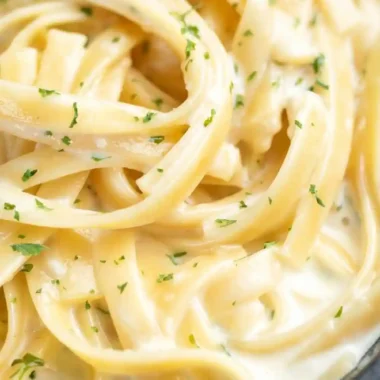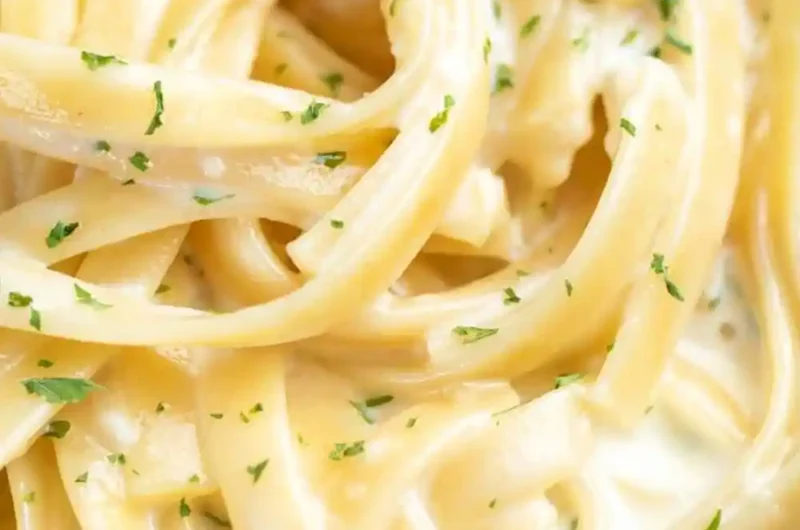
Creating a restaurant-quality Alfredo sauce in your own kitchen is surprisingly straightforward and requires only a few high-quality pantry staples. This rich, velvety white sauce relies on the harmonious balance of heavy cream, high-quality butter, and freshly grated hard cheese to achieve its signature texture. By preparing the sauce from scratch, you avoid the additives often found in store-bought jars and can control the intensity of the garlic and seasoning to suit your personal palate.
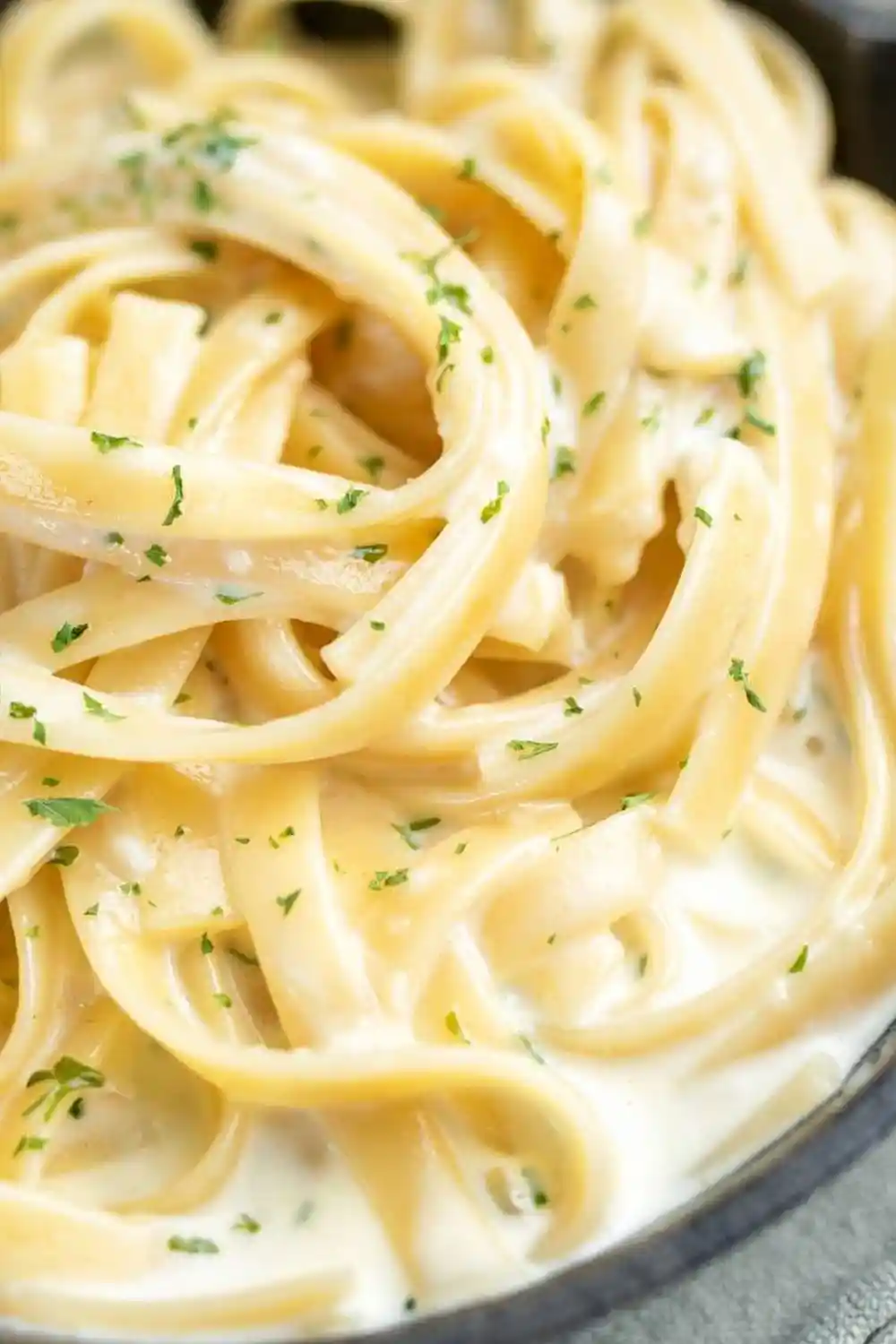
List of ingredients
- 1/2 cup butter (cut into large cubes or slices)
- 2 cups heavy whipping cream
- 1 clove garlic (minced)
- 3/4 teaspoon garlic powder
- 3/4 teaspoon Italian seasoning
- 1/4 teaspoon Kosher salt
- 1/4 teaspoon pepper
- 2 cups freshly grated Parmigiano-Reggiano cheese
- fettuccine noodles or your favorite pasta
step-by-step instructions
- Step: In a large nonstick skillet over medium-low heat, combine the butter and cream; whisk until the butter is melted.
- Step: Whisk in the minced garlic, garlic powder, Italian seasoning, salt, and pepper until smooth.
- Step: Bring to a low simmer (do not boil) and continue to stir for 3-4 minutes or until it begins to thicken.
- Step: Stir in the parmesan cheese until it is completely melted and the sauce is smooth.
- Step: Remove from the heat and throw in the cooked fettuccine noodles (or your favorite pasta.)
- Step: Allow the sauce to rest for 2-3 minutes before mixing it with the spaghetti if it isn’t thick enough.
Refining Your Technique
Importance of Fresh Grated Cheese
Using cheese that you grate yourself at home is the most important factor in achieving a smooth, professional-grade sauce. Pre-shredded cheese sold in bags is typically coated in cellulose powder or potato starch to prevent clumping, which directly interferes with the melting process. When you use these pre-packaged versions, the sauce often turns out grainy or gritty rather than luxurious and smooth. Always use a block of authentic Parmigiano-Reggiano for the best emulsification results.
Mastering the Gentle Simmer
The heat management during the reduction phase is essential for a stable emulsion. Because cream and butter are high in fat, they are sensitive to temperature spikes which can result in broken sauces where the fat separates from the solids. Keep your stove setting on the lower end of medium and use a thermometer if you are unsure, aiming for a gentle, bubbling simmer rather than a rolling boil. If you notice the sauce rising too rapidly in the pan, remove it from the burner immediately to lower the temperature.
Selecting the Right Pasta
While fettuccine is the traditional choice for this sauce, the shape of the pasta can significantly impact how much sauce you retain per bite. Longer, flatter noodles like fettuccine or linguine provide the surface area needed for the cream to grip the pasta. If you choose to use shorter pasta shapes like penne or rotini, you will find that the sauce hides inside the hollow tubes, which can be a delicious alternative when you want a higher ratio of sauce to dough in every mouthful.
Customization and Flavor Variations
Adding Protein Boosts
You can easily turn this side dish into a substantial main course by incorporating proteins like sautéed chicken breast or white fish. For the best flavor, season your chicken with additional Italian herbs and sear it until golden brown before slicing it into thin strips. Add the cooked protein to the pan during the final minute of tossing the pasta so that it absorbs the creamy goodness of the sauce without overcooking.
Enhancing with Earthy Vegetables
Incorporating vegetables adds a refreshing contrast to the richness of the Alfredo sauce. Thinly sliced asparagus, sautéed mushrooms, or blanched broccoli florets work particularly well with the creamy profile. To maintain the best texture, sauté your chosen vegetables in a separate pan with a small amount of olive oil before folding them into the finished pasta. This ensures that the vegetables retain a crisp-tender bite rather than becoming soggy in the simmering cream base.
Alternative Cheese Profiles
While Parmigiano-Reggiano is the gold standard for traditional recipes, you can experiment with other hard, aged cheeses to pivot the flavor. Asiago adds a nuttier, slightly sharper finish that cuts through the creaminess, while a young Pecorino provides a saltier punch. If you desire a milder, meltier experience, consider folding in a small amount of Fontina or young Gouda, which can create a silkier finish that appeals to those who prefer less sharp notes.
Common Questions and Solutions
Can I make this recipe for a large crowd?
Yes, this recipe scales very well for dinner parties or family gatherings. Simply double the ingredients as needed, but ensure you use a much larger skillet or a wide-bottomed Dutch oven to maintain an appropriate surface area for even evaporation. Remember that when scaling up, the time taken for the sauce to reach a simmer may increase slightly, so monitor the viscosity closely.
How do I handle sauce that is too thin?
If you find that your sauce is not reaching the desired thickness, refrain from adding more cheese, as this can make the dish overly salty. Instead, let the sauce continue to simmer on the lowest heat setting for an additional two minutes, or consider whisking in a small amount of heavy cream that has been thickened with a teaspoon of cornstarch. This slurry method is highly effective for adjusting texture without compromising the integrity of the flavor.
Why does the sauce separate upon reheating?
Cream-based sauces are notoriously difficult to reheat because the emulsion is delicate. When refrigerated, the fats solidify and the proteins can tighten, making the sauce appear broken when warmed up again. To successfully reheat, always use a low-heat setting on the stove and add a tablespoon of fresh cream or pasta cooking water while whisking vigorously to re-emulsify the sauce. Avoid using the microwave at all costs, as the concentrated heat will almost certainly cause the fats to separate instantly.
Can this be made dairy-free?
While this recipe relies on the properties of dairy for its classic texture, you can substitute the butter and cream with plant-based alternatives that have a high fat content. Full-fat coconut milk or cashew-based cooking creams can mimic the consistency, though the flavor profile will shift significantly. When using plant-based milks, you may need to add a thickener like arrowroot powder to achieve the same clingy viscosity associated with dairy-based Alfredo sauce.
Practical Storage and Preparation
Optimizing Storage for Leftovers
If you have leftovers, allow the sauce to cool completely at room temperature for no longer than thirty minutes before transferring it to an airtight glass container. Plastic containers can sometimes retain odors and may not provide as effective a seal against the cold air of the refrigerator. Stored correctly in the back of the fridge where the temperature is most stable, the sauce will maintain its quality for up to four days. Always perform a quick check for signs of separation or off-smells before reheating.
Smart Make-Ahead Strategies
You can prepare the base sauce ahead of time, but it is best to keep it separate from the pasta until you are ready to serve. If you mix the pasta and sauce together and store them, the noodles will soak up the cream over time, resulting in a dry, gummy texture the next day. To serve later, store the sauce in a container and boil fresh pasta at the last minute, tossing it with the reheated sauce right before it hits the plate.
Reviving the Texture
Sometimes the sauce may appear slightly thick after refrigeration due to the starch in the pasta or the solidification of the cream. When reheating, do not be afraid to add a small splash of warm water, milk, or extra cream to loosen it up. Whisking continuously during the reheating process is the secret to bringing back the glossy, emulsified finish that makes Alfredo sauce so comforting and appealing to guests.
Print
Classic Homemade Alfredo Sauce
- Total Time: 25 minutes
- Yield: 6 servings 1x
- Diet: Vegetarian
Description
This Pioneer Woman Alfredo Sauce recipe is created from scratch using only a handful of natural ingredients, it is really simple to make, it is ready in just a few minutes, and it will blow your pasta socks off! The Alfredo sauce you buy in the store is just not even comparable.
Ingredients
- 1/2 cup butter (cut into large cubes or slices)
- 2 cups heavy whipping cream
- 1 clove garlic (minced)
- 3/4 teaspoon garlic powder
- 3/4 teaspoon Italian seasoning
- 1/4 teaspoon Kosher salt
- 1/4 teaspoon pepper
- 2 cups freshly grated Parmigiano-Reggiano cheese
- fettuccine noodles or your favorite pasta
Instructions
- Step: In a large nonstick skillet over medium-low heat, combine the butter and cream; whisk until the butter is melted.
- Step: Whisk in the minced garlic, garlic powder, Italian seasoning, salt, and pepper until smooth.
- Step: Bring to a low simmer (do not boil) and continue to stir for 3-4 minutes or until it begins to thicken.
- Step: Stir in the parmesan cheese until it is completely melted and the sauce is smooth.
- Step: Remove from the heat and throw in the cooked fettuccine noodles (or your favorite pasta.)
- Step: Allow the sauce to rest for 2-3 minutes before mixing it with the spaghetti if it isn’t thick enough.
Notes
Fresh Parmigiano-Reggiano is crucial for a smooth texture. Whisk constantly to prevent separation and do not allow the sauce to boil to avoid curdling. Serve immediately for best consistency.
- Prep Time: 10 minutes
- Cook Time: 15 minutes
- Category: Main Course
- Method: Stovetop
- Cuisine: American
Nutrition
- Serving Size: 1 serving
- Calories: 539 kcal
- Sugar: 3 g
- Sodium: 774 mg
- Fat: 53 g
- Saturated Fat: 33 g
- Unsaturated Fat: 16 g
- Trans Fat: 1 g
- Carbohydrates: 4 g
- Fiber: 0.2 g
- Protein: 14 g
- Cholesterol: 153 mg
Keywords: alfredo sauce, pasta, homemade alfredo, cream sauce, quick dinner