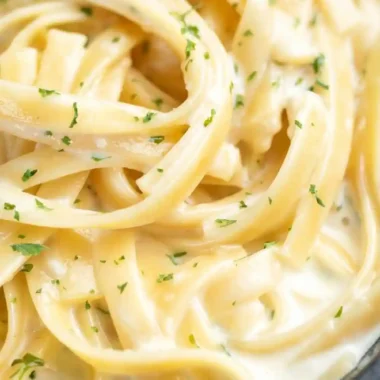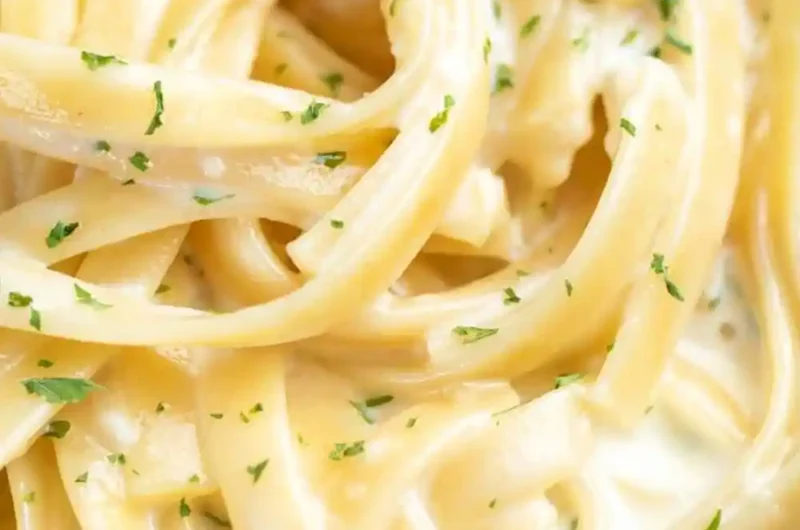
This creamy Alfredo sauce is a rich, smooth accompaniment that pairs perfectly with a variety of pasta shapes. It is made from simple pantry staples and comes together in under 30 minutes for a restaurant-quality meal.
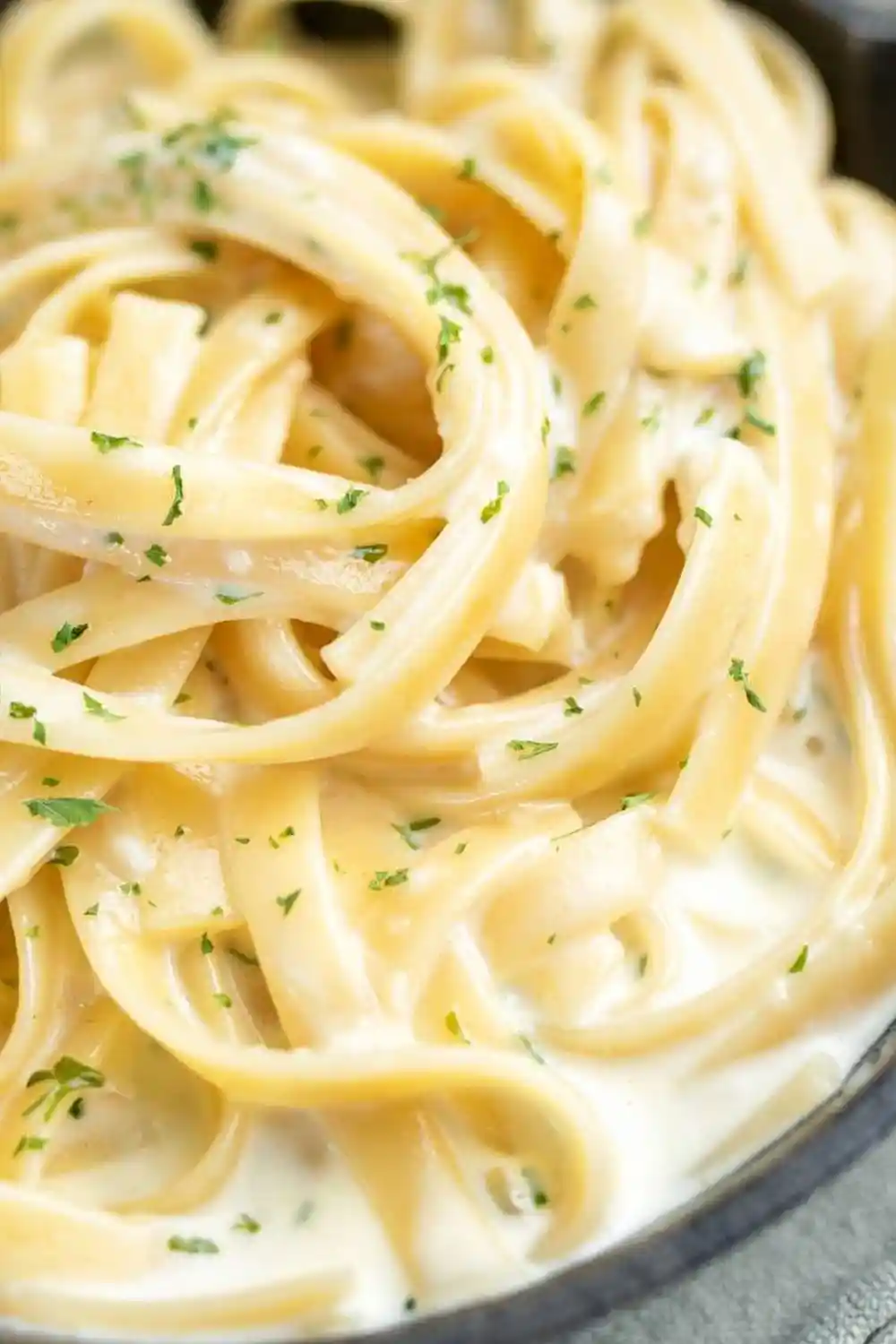
List of ingredients
- 1/2 cup butter – cut into large cubes or slices for even melting.
- 2 cups heavy whipping cream – provides the rich, creamy base.
- 1 clove garlic – finely minced for fresh flavor.
- 3/4 teaspoon garlic powder – adds a concentrated garlic depth.
- 3/4 teaspoon Italian seasoning – a blend of herbs for aromatic flavor.
- 1/4 teaspoon Kosher salt – used for seasoning (avoid table salt for better control).
- 1/4 teaspoon pepper – adds a slight spicy bite.
- 2 cups freshly grated Parmigiano-Reggiano cheese – essential for the authentic taste and texture.
- fettuccine noodles or your favorite pasta – cooked according to package directions.
step-by-step instructions
- Melt Base: Place a large nonstick skillet over medium-low heat and combine the butter and heavy whipping cream. Whisk the mixture continuously until the butter is completely melted.
- Season: Whisk in the minced garlic, garlic powder, Italian seasoning, salt, and pepper. Continue stirring until the ingredients are well incorporated and the sauce is smooth.
- Thicken: Bring the sauce to a low simmer, making sure it does not reach a full boil. Stir constantly for 3 to 4 minutes until the liquid begins to thicken.
- Combine Cheese: Stir in the freshly grated Parmigiano-Reggiano cheese. Keep stirring until the cheese is fully melted and the sauce is silky and smooth.
- Mix Pasta: Remove the skillet from the heat and add the cooked fettuccine or your preferred pasta. Toss gently to coat the noodles in the sauce.
- Final Rest: If the sauce appears too thin, let it rest for 2 to 3 minutes before mixing it finaly with the pasta to allow it to set further.
Pro Tips for the Perfect Texture
Grate Your Own Parmesan Cheese
Always use a block of Parmigiano-Reggiano and grate it yourself. Pre-shredded cheeses contain anti-caking agents like cellulose that prevent the cheese from melting smoothly, which can result in a gritty or lumpy sauce.
Use a Whisk Instead of a Spoon
Using a whisk helps emulsify the fat from the butter and cream with the cheese. This prevents the sauce from separating and ensures a uniform, creamy consistency throughout the cooking process.
Avoid Boiling the Sauce
Keep the heat at a low simmer and never let the sauce reach a rolling boil. High temperatures can cause the cream to curdle or the cheese to separate, leaving you with an oily residue rather than a smooth sauce.
Coordinate Pasta and Sauce Timing
Plan your cooking so that the pasta is finished exactly when the sauce is ready. Alfredo sauce is best served immediately; if it sits too long, it can thicken excessively or develop a skin on top.
Ingredient Substitutions and Swaps
Using Milk for a Lighter Version
If you prefer a less rich sauce, you can substitute the heavy whipping cream with whole milk or half-and-half. Note that these options have lower fat content and will result in a thinner sauce that may require more simmering to thicken.
Exploring Alternative Cheeses
While Parmigiano-Reggiano is traditional, you can experiment with other melting cheeses to change the flavor profile. Asiago, mozzarella, or a mild provolone can be mixed in to create a different taste while maintaining the creamy texture.
Adjusting the Garlic Intensity
For those who prefer a milder taste, reduce the amount of garlic powder or omit the fresh minced garlic. Conversely, if you enjoy a pungent flavor, adding an extra clove of fresh garlic will enhance the aromatic quality of the dish.
Ways to Customize Your Meal
Adding Grilled Protein
Grilled chicken breast or sautéed shrimp are classic additions to this dish. Cook the protein separately and toss it into the pasta and sauce just before serving to keep the meat juicy and tender.
Incorporating Fresh Vegetables
Add steamed broccoli, sautéed spinach, or peas for added nutrition and color. Sauté the vegetables in olive oil until tender-crisp before adding them to the final pasta mix.
Adding Sun-Dried Tomatoes
Use sun-dried tomatoes packed in oil for a burst of tangy flavor. Chop them finely and sauté them for two minutes in the pan before adding the garlic and cream to the skillet.
Creating a Vegetable Pasta Primavera
Turn this into a primavera dish by adding diced zucchini, bell peppers, and carrots. Sauté these vegetables first until they are softened, then proceed with the sauce ingredients to create a hearty, garden-style meal.
Storage and Reheating Guidelines
Storing Sauce in the Refrigerator
Pour leftover sauce into an airtight glass jar and allow it to cool completely before sealing. Store it in the refrigerator for up to four days to maintain freshness and quality.
Why You Should Avoid Freezing
Freezing this sauce is not recommended because the high dairy content changes during the freezing and thawing process. This often results in a grainy or broken texture that cannot be fully restored upon reheating.
Proper Stovetop Reheating Methods
Reheat the sauce in a small saucepan over low heat, stirring constantly. Avoid using the microwave, as uneven heating can cause the fats to separate and the sauce to become greasy.
Troubleshooting Common Issues
How to Thicken a Runny Sauce
If the sauce is too thin, you can create a small roux by melting butter and whisking in an equal amount of flour before adding it to the sauce. Alternatively, whisk in a cornstarch slurry made of cold water and cornstarch while the sauce is simmering.
Fixing a Separated Sauce
If the sauce breaks and looks oily, remove it from the heat immediately. Slowly whisk in a tablespoon of warm pasta water or a splash of cream to help bind the ingredients back together.
Frequently Asked Questions
Is this Alfredo sauce gluten-free?
Yes, this specific recipe is gluten-free because it does not use a flour-based roux for thickening. Just ensure that your chosen pasta is also a gluten-free variety.
Can I use salted butter instead of unsalted?
You can use salted butter, but you should taste the sauce before adding the kosher salt. The saltiness of the butter and the Parmesan cheese may be enough to season the dish fully.
What is the best pasta shape for this sauce?
Fettuccine is the traditional choice because its wide surface area holds the heavy sauce well. However, linguine, spaghetti, or even penne work well depending on your preference.
Print
Creamy Homemade Alfredo Sauce
- Total Time: 25 minutes
- Yield: 6 servings 1x
- Diet: Gluten-Free
Description
This Pioneer Woman Alfredo Sauce recipe is created from scratch using only a handful of natural ingredients, it is really simple to make, it is ready in just a few minutes, and it will blow your pasta socks off! The Alfredo sauce you buy in the store is just not even comparable.
Ingredients
- 1/2 cup butter, cut into large cubes or slices
- 2 cups heavy whipping cream
- 1 clove garlic, minced
- 3/4 teaspoon garlic powder
- 3/4 teaspoon Italian seasoning
- 1/4 teaspoon Kosher salt
- 1/4 teaspoon pepper
- 2 cups freshly grated Parmigiano-Reggiano cheese
- fettuccine noodles or your favorite pasta
Instructions
- Step: In a large nonstick skillet over medium-low heat, combine the butter and cream; whisk until the butter is melted.
- Step: Whisk in the minced garlic, garlic powder, Italian seasoning, salt, and pepper until smooth.
- Step: Bring to a low simmer (do not boil) and continue to stir for 3-4 minutes or until it begins to thicken.
- Step: Stir in the parmesan cheese until it is completely melted and the sauce is smooth.
- Step: Remove from the heat and throw in the cooked fettuccine noodles (or your favorite pasta).
- Step: Allow the sauce to rest for 2-3 minutes before mixing it with the spaghetti if it isn’t thick enough.
Notes
Use freshly-shaved Parmigiano-Reggiano to avoid a gritty sauce. Whisk the ingredients rather than stirring to prevent separation. Do not allow the sauce to boil, as it may split or boil over. Serve immediately for best results.
- Prep Time: 10 minutes
- Cook Time: 15 minutes
- Category: Main Course
- Method: Stovetop
- Cuisine: American
Nutrition
- Serving Size: 1 serving
- Calories: 539 kcal
- Sugar: 3 g
- Sodium: 774 mg
- Fat: 53 g
- Saturated Fat: 33 g
- Unsaturated Fat: 16 g
- Trans Fat: 1 g
- Carbohydrates: 4 g
- Fiber: 0.2 g
- Protein: 14 g
- Cholesterol: 153 mg
Keywords: Alfredo sauce, creamy pasta, homemade Alfredo, Parmigiano-Reggiano, pasta sauce