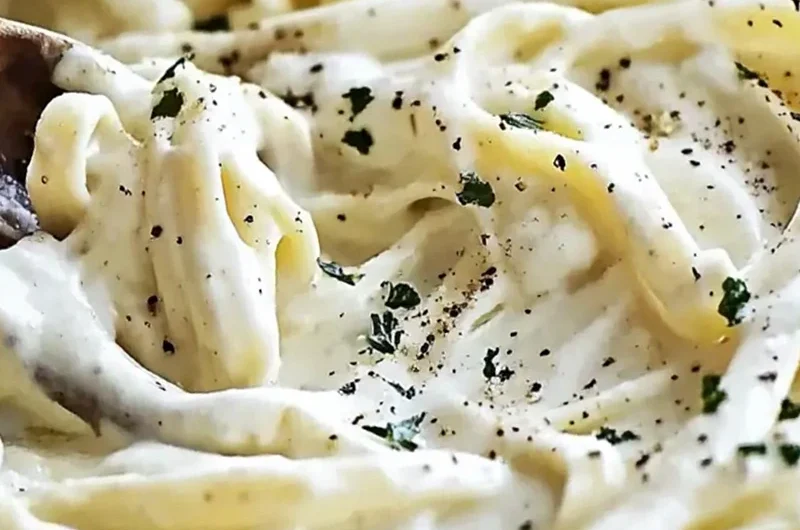
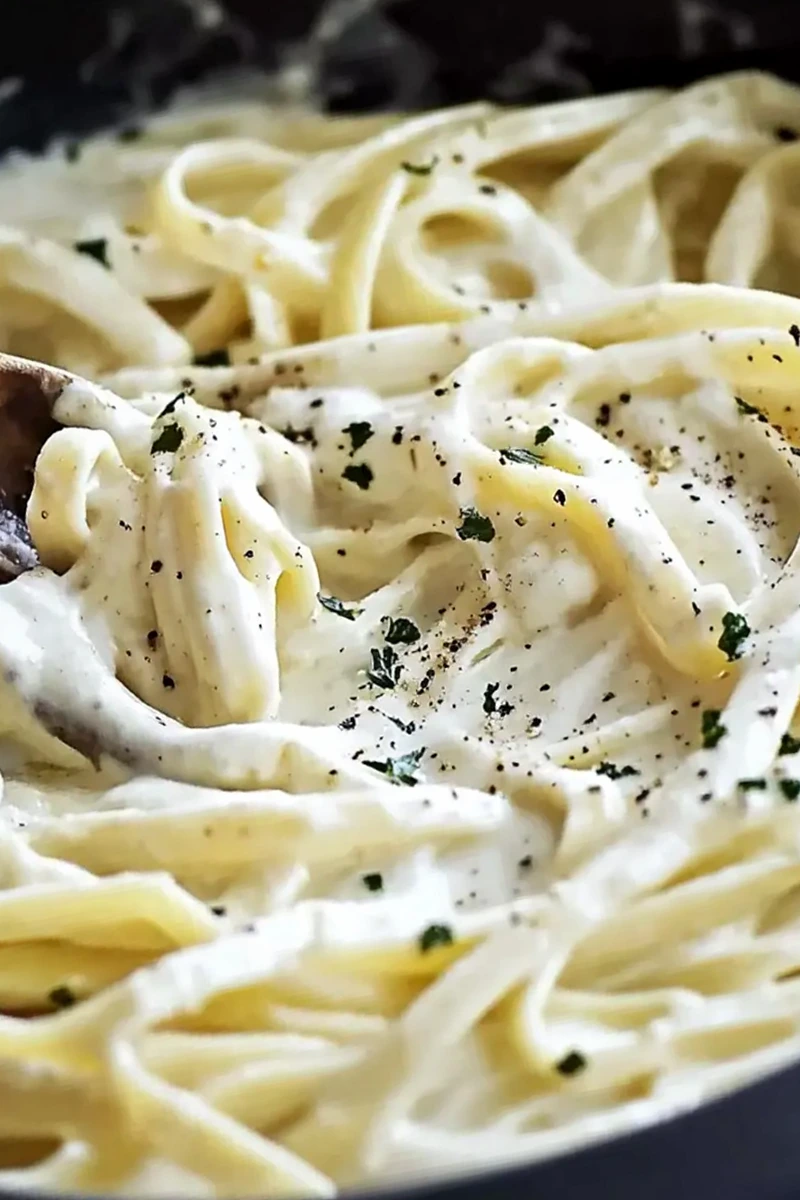
Creating a restaurant-quality Alfredo sauce from scratch is surprisingly straightforward when you have the right technique and high-quality ingredients. This simple method yields a velvet-smooth, indulgent sauce that clings perfectly to your favorite pasta shapes in just ten minutes. Perfect for those busy weeknights when you crave something comforting without spending hours in the kitchen.
List of ingredients
- 1/2 Cup Butter
- 1 1/2 Cups Heavy Whipping Cream
- 2 Teaspoons Garlic, Minced
- 1/2 Teaspoon Italian Seasoning
- 1/2 Teaspoon Salt
- 1/4 Teaspoon Pepper
- 2 Cups Freshly Grated Parmesan Cheese
step-by-step instructions
- Step 1: Add the butter and cream to a large skillet.
- Step 2: Simmer over low heat for 2 minutes.
- Step 3: Whisk in the garlic, Italian seasoning, salt, and pepper for one minute.
- Step 4: Whisk in the parmesan cheese until melted.
- Step 5: Serve immediately.
Essential Preparation Techniques
The Importance of Freshly Grated Cheese
Using pre-shredded cheese from a bag is the most common reason for a gritty or lumpy sauce. These products are coated in cellulose or starch to keep the shreds separate, which prevents them from fully emulsifying with the cream. For the creamiest result, always grate a block of Parmesan by hand or in a food processor using the finest setting.
Managing Heat for Emulsion
High heat causes the proteins in dairy and cheese to tighten and separate, which leads to an oily, broken sauce. By working over low heat and whisking constantly, you allow the butterfat and cheese solids to form a stable emulsion with the cream. If you notice the sauce getting too hot, pull it off the burner for a few seconds to let the temperature drop while you continue whisking.
Flavor Enhancements and Customizations
Building Depth with Aromatics
While the classic recipe relies on garlic, you can introduce subtle variations by adding a pinch of ground nutmeg or white pepper. Nutmeg pairs beautifully with cream-based dishes, adding a warm, almost imperceptible complexity. White pepper provides the same spicy kick as black pepper but keeps the sauce color uniform and visually clean.
Incorporating Additional Proteins
This sauce acts as a blank canvas for various proteins. Grilled chicken breast, sautéed shrimp, or even pan-seared scallops work beautifully when stirred into the finished sauce. To keep the texture balanced, ensure any protein is cooked separately and pat dry before adding it to the skillet to prevent excess moisture from thinning the Alfredo.
Adding Vegetables for Texture
For a more nutritious meal, consider incorporating sautéed vegetables like spinach, peas, or roasted bell peppers. Wilt the spinach directly into the sauce in the final minute of cooking or stir in peas that have been briefly blanched. These additions add color and texture that contrasts nicely with the creamy base.
Proper Storage and Restoration
Storing Leftovers Correctly
If you find yourself with extra sauce, store it in a clean, airtight glass container. It will keep in the refrigerator for up to three days. Note that the sauce will thicken significantly as it cools due to the high fat content and the nature of melted cheese.
Restoring Consistency When Reheating
When you are ready to use the refrigerated sauce, place it back in a skillet over very low heat. Do not use the microwave, as it tends to heat unevenly and causes the fat to separate from the cream. As the sauce warms, whisk in one or two tablespoons of milk or heavy cream to bring back its original, pourable consistency.
Solving Common Sauce Problems
Fixing a Grainy Texture
A grainy texture usually indicates that the cheese was added too quickly or the heat was too high during the melting process. You can often rescue this by whisking in a small amount of warm heavy cream vigorously. The extra liquid and constant agitation can sometimes force the broken emulsion back together.
Adjusting Sauce Thickness
The thickness of your Alfredo sauce depends heavily on the heat and the amount of cheese used. If the sauce is too thick, add a splash of the starchy water from your pasta pot, which helps bind the sauce to the noodles better than water alone. If it is too thin, continue to simmer on very low heat for another minute or add a tiny bit more freshly grated Parmesan.
Frequently Asked Questions
Can I use milk instead of heavy whipping cream?
While you can use whole milk, the final sauce will not be as thick or luxurious as the original version. The high fat content of heavy cream is what creates the velvety texture that coats pasta so effectively. If you must use milk, consider whisking in a small amount of flour or cornstarch to help thicken the mixture.
Why did my sauce become oily?
Oily sauce occurs when the heat is too high, causing the butterfat in the cream and cheese to separate. This is known as a broken emulsion. Always keep the heat at the lowest possible setting to prevent the fat from separating, and ensure your Parmesan is at room temperature before you start cooking.
Is this sauce freezer-friendly?
Dairy-based sauces, particularly those made with fresh cream and cheese, do not freeze well. Freezing often causes the water and fat to separate permanently, resulting in a clumpy, curdled texture upon thawing. It is best to prepare this sauce fresh, as it only takes ten minutes from start to finish.
Can I add fresh herbs?
Fresh herbs like parsley, basil, or chives make excellent additions for a burst of color and freshness. Always stir them in at the very last moment after taking the skillet off the heat to preserve their bright flavor. Dried herbs should be added during the cooking process to allow them to rehydrate and release their oils.
How does the sauce pair with different pasta shapes?
This sauce is classic with fettuccine, but it also clings beautifully to shorter shapes like penne, rigatoni, or fusilli. The deep ridges in these pasta shapes help hold the thick, creamy sauce, ensuring every bite is flavorful. If you are using thin noodles like angel hair, be prepared for a very coating-heavy dish as the sauce clings tightly to the finer strands.
Print
Classic Homemade Creamy Garlic Alfredo Sauce in Ten Minutes
- Total Time: PT10M
- Yield: 2 cups 1x
- Diet: Vegetarian
Description
This Easy Scratch Alfredo Sauce Recipe Ready in Just 10 Minutes combines simple ingredients for a rich, creamy sauce that impresses.
Ingredients
- 1/2 Cup Butter
- 1 1/2 Cups Heavy Whipping Cream
- 2 Teaspoons Garlic, Minced
- 1/2 Teaspoon Italian Seasoning
- 1/2 Teaspoon Salt
- 1/4 Teaspoon Pepper
- 2 Cups Freshly Grated Parmesan Cheese
Instructions
- Step 1: Add the butter and cream to a large skillet.
- Step 2: Simmer over low heat for 2 minutes.
- Step 3: Whisk in the garlic, Italian seasoning, salt, and pepper for one minute.
- Step 4: Whisk in the parmesan cheese until melted.
- Step 5: Serve immediately.
Notes
Feel free to customize your sauce by adding fresh herbs like basil or oregano, swapping out the Italian seasoning for a pinch of nutmeg, or mixing in some cooked chicken or shrimp for a heartier dish.
- Prep Time: PT5M
- Cook Time: PT5M
- Category: Dinner
- Method: Stovetop
- Cuisine: Italian
Nutrition
- Serving Size: 1 cup
- Calories: 535 kcal
- Sugar: 1 g
- Sodium: 850 mg
- Fat: 52 g
- Saturated Fat: 30 g
- Unsaturated Fat: 15 g
- Trans Fat: 0 g
- Carbohydrates: 10 g
- Fiber: 0 g
- Protein: 12 g
- Cholesterol: 165 mg
Keywords: Alfredo sauce, homemade, quick dinner, Italian, creamy, pasta sauce