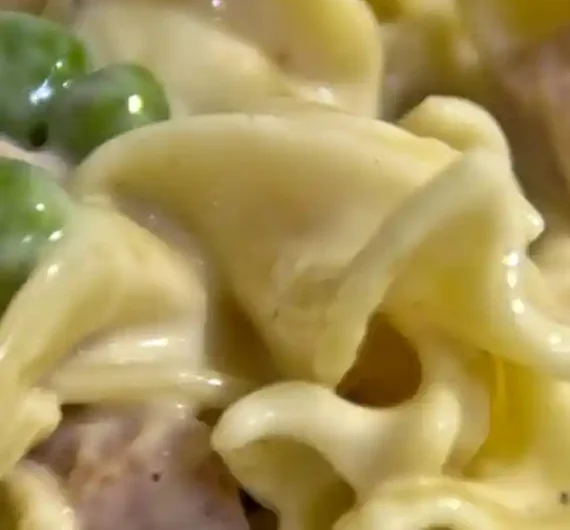
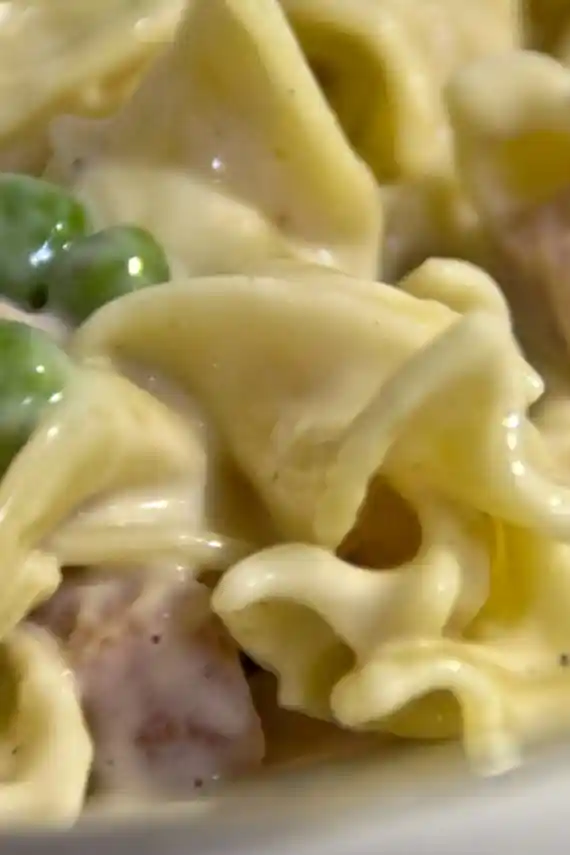
Creating a restaurant-quality Alfredo sauce in your own kitchen requires only a handful of premium ingredients and a careful hand with heat. This velvety, rich sauce is the perfect base for coating al dente noodles, topping grilled poultry, or even serving as a decadent foundation for gourmet pizzas. Follow this authentic method to achieve that signature emulsified texture and deep, nutty flavor that defines classic Italian cream sauces.
List of ingredients
- 1 ounce unsalted butter
- 6 ounces heavy cream
- Salt and freshly ground white pepper to taste
- 3 ounces grated Romano cheese
step-by-step instructions
- Step: Place a sauce pan over medium heat.
- Step: Add butter, salt and white pepper. Heat until butter has melted. Stir to mix.
- Step: Add heavy cream. Bring to a boil and reduce heat.
- Step: Add in Romano cheese and stir to incorporate.
- Step: Use immediately while hot in your favorite recipe.
Refining the Texture
The Role of Emulsification
The secret to a stable Alfredo sauce lies in the emulsification of the dairy fats and the proteins found in the cheese. By maintaining a gentle, consistent heat, you allow the fats to bind with the cream rather than separating into an oily layer. If the sauce begins to look greasy, it is likely that the heat was too high during the cheese incorporation stage.
Achieving the Perfect Consistency
Your sauce should have a napé consistency, meaning it is thick enough to coat the back of a wooden spoon. If you find the sauce is too thin, allow it to simmer for an additional minute, but be mindful of the temperature to prevent reducing it too far. Conversely, if it becomes too thick, a tiny splash of warm pasta water can help return it to its ideal flowing state.
Selecting the Best Cheese
Why Romano Matters
Romano cheese offers a sharper, saltier, and more robust profile than its milder counterparts like Parmesan. Because this recipe uses a small, focused list of ingredients, the quality of your Romano will dictate the final depth of flavor. Always grate your cheese freshly from a block, as pre-grated varieties are coated in anti-caking starches that interfere with smooth melting.
Balancing Salt Levels
Since Romano is naturally quite salty, always taste your sauce before adding additional salt. The saltiness will concentrate as the sauce reduces, so it is safer to season lightly at the beginning and finish with a final adjustment once the cheese has fully melted. This approach prevents the sauce from becoming overly saline during the cooking process.
Common Preparation Queries
How do I prevent the cream from curdling?
Curdling usually occurs if the cream is boiled too rapidly or if the heat is too intense when the cheese is added. Always switch to a low simmer before introducing the cheese, and never allow the sauce to return to a full, rolling boil once the cheese has been incorporated. Consistent, slow stirring is your best defense against broken sauces.
Can this sauce be prepared ahead of time?
While Alfredo is best served fresh, you can prepare the base up to 24 hours in advance. Store it in an airtight container in the refrigerator and reheat it very gently in a saucepan over low heat. If it thickens too much during storage, add a tablespoon of heavy cream or milk to restore the creamy texture during the reheating process.
What is the benefit of using white pepper?
White pepper is used primarily for aesthetic reasons, as it provides the necessary heat without leaving black specks in the ivory-colored sauce. If you do not have white pepper, black pepper is a perfectly fine substitute for flavor, though it will change the visual presentation. Use a light hand with black pepper to ensure the flavor profile remains balanced and not overly dominant.
Serving and Pairing Ideas
Enhancing Your Pasta Dishes
This sauce is traditional with fettuccine, but it also works beautifully with thicker shapes like pappardelle or rigatoni, which can hold the heavy cream coating well. Toss the hot pasta directly in the pan with the sauce for at least thirty seconds so the starch from the noodles helps the sauce cling more effectively. Top with extra freshly grated cheese or a pinch of fresh parsley for a professional presentation.
Incorporating Proteins
Grilled chicken breast, shrimp, or roasted vegetables are excellent additions to this sauce. For the best result, cook your protein separately and toss it into the sauce at the very end. This ensures the sauce stays emulsified and the protein remains tender rather than overcooking in the hot cream mixture.
Storing and Troubleshooting
Handling Leftovers
Leftover sauce should be cooled rapidly and placed in the refrigerator promptly to ensure safety. When reheating, avoid the microwave if possible, as it often heats unevenly and can cause the dairy to separate. Use a small saucepan and low heat, stirring constantly to bring the sauce back to its original velvety finish.
Fixing a Broken Sauce
If your sauce appears separated or ‘broken,’ you can sometimes save it by whisking in a tablespoon of cold cream or even a tiny amount of cold water. Remove the pan from the heat entirely while doing this to shock the emulsion back together. If the separation is severe, it is best to start over with a fresh base, as dairy once split is difficult to fully restore to its perfect state.
Commonly Asked Questions
Can I use milk instead of heavy cream?
While you can use whole milk, the final sauce will be significantly thinner and lack the characteristic richness of a true Alfredo. If you choose to use milk, you may need to simmer it for a longer duration to reach the desired consistency. For the best restaurant-style result, heavy cream is strongly recommended for its high fat content.
Is it necessary to add extra salt?
The Romano cheese provides a significant amount of the flavor and salinity required for the dish. Always taste the sauce after the cheese has fully melted before reaching for the salt shaker. You will often find that the cheese provides all the necessary seasoning for the final dish.
Should I add garlic to the sauce?
This specific recipe is a classic, traditional version that focuses on the harmony of butter, cream, and cheese. While many people enjoy adding garlic, it changes the profile significantly from this base version. If you choose to add garlic, sauté it in the butter before adding the cream, ensuring it is finely minced so it blends into the texture.
Print
Classic Restaurant-Style Alfredo Sauce
- Total Time: 20 minutes
- Yield: 4 servings 1x
- Diet: Vegetarian
Description
Make this creamy, straight-from-the-restaurant Alfredo sauce at home. It is delicious tossed with pasta, drizzled over chicken, or used as a base for white pizzas.
Ingredients
- 1 ounce unsalted butter
- 6 ounces heavy cream
- Salt and freshly ground white pepper to taste
- 3 ounces grated Romano cheese
Instructions
- Step: Place a sauce pan over medium heat.
- Step: Add butter, salt and white pepper. Heat until butter has melted. Stir to mix.
- Step: Add heavy cream. Bring to a boil and reduce heat.
- Step: Add in Romano cheese and stir to incorporate.
- Step: Use immediately while hot in your favorite recipe.
Notes
Ensure you use freshly grated Romano cheese for the best melting consistency. This sauce is best enjoyed immediately after preparation as it thickens upon cooling.
- Prep Time: 0 minutes
- Cook Time: 20 minutes
- Category: Sauce
- Method: Stovetop
- Cuisine: Italian
Nutrition
- Serving Size: 1/4 of recipe
- Calories: 285 kcal
- Sugar: 1 g
- Sodium: 450 mg
- Fat: 28 g
- Saturated Fat: 17 g
- Unsaturated Fat: 8 g
- Trans Fat: 0 g
- Carbohydrates: 2 g
- Fiber: 0 g
- Protein: 8 g
- Cholesterol: 95 mg
Keywords: Alfredo sauce, Italian sauce, pasta sauce, creamy sauce, Romano cheese sauce