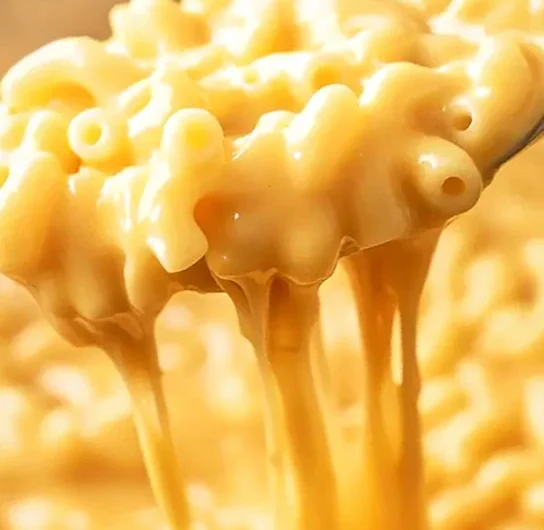
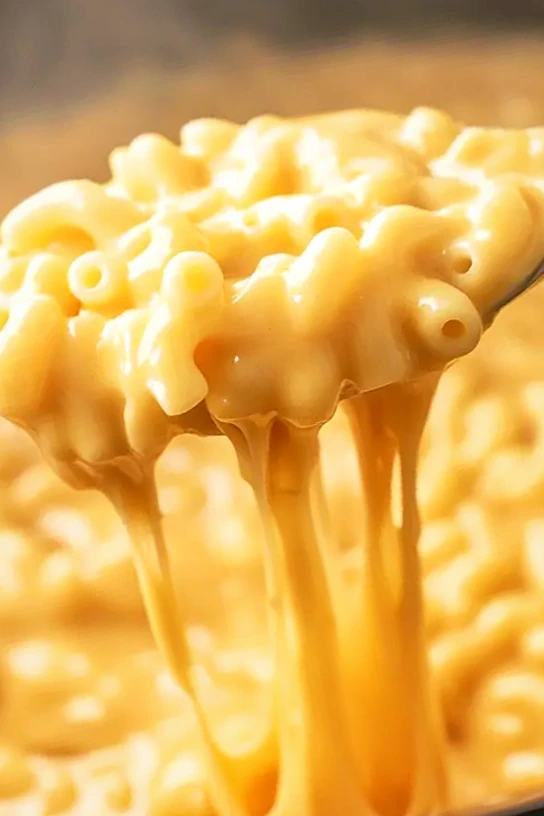
This method creates a rich and velvety macaroni and cheese using a slow cooker to simplify the process. By combining raw pasta with a specialized blend of cheeses and liquids, you achieve a consistent texture without boiling water. It is an efficient approach for preparing a large quantity of cheesy pasta for families or gatherings.
List of ingredients
- 16 ounces elbow macaroni (uncooked) – the base pasta for the dish.
- 4 cups shredded sharp cheddar cheese – provides the primary bold flavor.
- 1 cup shredded Monterey Jack cheese – adds creaminess and improves melt.
- 4 ounces cream cheese (cubed) – thickens the sauce and adds richness.
- 2 ½ cups whole milk – the primary liquid for the sauce.
- 1 12-ounce can evaporated milk – stabilizes the sauce and prevents separation.
- ½ cup unsalted butter (melted) – coats the pasta to prevent sticking.
- 1 teaspoon Dijon mustard or mustard powder – adds a subtle tang to balance the fats.
- ½ teaspoon garlic powder – enhances the savory profile.
- ½ teaspoon onion powder – adds depth to the cheese base.
- ½ teaspoon salt – adjust to taste based on cheese saltiness.
- ¼ teaspoon black pepper – provides a mild spice.
- ¼ teaspoon paprika (optional) – used primarily for a golden color.
- 1 teaspoon cornstarch – prevents the cheese from clumping.
step-by-step instructions
- Prepare the pot: Grease the interior of the crockpot with butter or a non-stick spray to ensure the pasta does not adhere to the sides.
- Add pasta: Pour the uncooked elbow macaroni directly into the prepared slow cooker.
- Prep the cheese: In a separate mixing bowl, toss the shredded sharp cheddar, Monterey Jack, and cornstarch together until the starch is evenly distributed.
- Layer ingredients: Pour the cornstarch-cheese mixture over the dry pasta in the crockpot.
- Combine liquids and seasonings: Add the cubed cream cheese, melted butter, whole milk, evaporated milk, Dijon mustard, garlic powder, onion powder, salt, black pepper, and paprika.
- Mix: Stir all ingredients thoroughly to ensure the pasta is submerged and seasonings are evenly distributed.
- Slow cook: Cover the pot and cook on the LOW setting for 2 to 3 hours. Stir the mixture once or twice during this period to prevent the pasta from clumping.
- Check doneness: Test the pasta at the 2-hour mark. The macaroni should be tender and the sauce should be creamy and well-integrated.
- Adjust consistency: If the sauce appears too thick, stir in an additional ¼ to ½ cup of warm milk before serving.
- Serve: Dish the macaroni and cheese immediately for the best texture.
- Maintain temperature: If serving at a party, switch the crockpot to the “Warm” setting to keep the dish at a safe temperature.
- Store: Place leftovers in an airtight container and refrigerate for up to 3 days.
- Reheat: Warm the leftovers with a splash of milk to restore the creamy emulsion.
Optimizing Cheese Selection and Preparation
Using Freshly Shredded Block Cheese
Pre-shredded cheeses are coated with cellulose or potato starch to prevent clumping in the package. These additives interfere with the melting process, often resulting in a grainy or oily sauce. Grating your own cheese from a block ensures a smoother emulsion.
Combining Multiple Cheese Varieties
Using a blend of sharp cheddar and Monterey Jack provides a balance of flavor and texture. Sharp cheddar offers a bold, traditional taste, while Monterey Jack has a higher moisture content that helps the sauce stay fluid. This combination prevents the dish from tasting one-dimensional.
Implementing Dual Shred Sizes
Shredding some cheese finely and some more coarsely creates a more dynamic texture. Fine shreds melt rapidly to create the base sauce, while thicker shreds melt more slowly. This results in small pockets of concentrated cheese throughout the macaroni.
The Function of Cornstarch in Cheese
Mixing cornstarch directly with the shredded cheese before adding it to the pot prevents the fats from separating. This simple step ensures that the sauce remains cohesive rather than breaking into an oily layer. It acts as a stabilizer during the slow heating process.
Technical Secrets for a Creamy Texture
The Role of Evaporated Milk
Evaporated milk has a higher concentration of milk solids and less water than regular milk. This concentration helps stabilize the cheese sauce and prevents it from breaking under the steady heat of a slow cooker. It creates a denser, more velvet-like consistency.
Using Full-Fat Dairy Products
Whole milk and full-fat cheeses contain the necessary lipids to create a smooth emulsion. Low-fat alternatives lack the fat content required to coat the pasta effectively, which often leads to a thinner or grainier sauce. Full-fat dairy ensures a rich mouthfeel.
How Cream Cheese Enhances Stability
Cubed cream cheese acts as a thickener and an emulsifier. As it melts, it integrates with the other cheeses to create a heavy, creamy base that clings to the noodles. It prevents the sauce from becoming too runny or separating during the cook time.
Managing the Butter Component
Melted butter serves two purposes: it prevents the dry pasta from sticking to the pot and adds a layer of fat to the sauce. This fat coats the starch of the macaroni, which helps maintain a slippery, creamy texture. It also contributes to the overall richness of the dish.
Evaluating the Best Pasta Shapes
Standard Elbow Macaroni
Elbow macaroni is the traditional choice because its small, curved shape is ideal for trapping sauce. The interior of the tube holds the liquid, while the exterior is coated in cheese. It holds its structure well during the slow cooking process.
Cavatappi for Maximum Sauce Grip
Cavatappi is a corkscrew-shaped pasta with ridges that hold a significant amount of sauce. The spirals create more surface area for the cheese to cling to. This shape is excellent for those who prefer a higher sauce-to-pasta ratio.
Medium Shells for Cheese Pockets
Shell pasta acts like small bowls that scoop up the cheese sauce. This ensures that every bite contains a concentrated amount of melted cheese. Shells are sturdy enough to withstand 2-3 hours of slow cooking without becoming mushy.
Penne for a Firmer Texture
Penne is a larger, tubular pasta that maintains a firmer “al dente” bite. It is a good alternative if you prefer more resistance when chewing. The hollow center still allows the sauce to penetrate the noodle.
Fusilli and Rotini Spirals
Twisted pastas like fusilli or rotini are highly effective at grabbing onto thick sauces. The tight curls ensure that the cheese does not simply slide off the pasta. These shapes are particularly useful when adding mix-ins like vegetables.
Troubleshooting Common Slow Cooker Issues
Preventing Mushy Pasta
Overcooking is the primary cause of mushy macaroni in a slow cooker. Check the pasta at the 2-hour mark and turn off the heat as soon as the noodles are tender. Avoid using the “High” setting, as it can cook the exterior of the pasta too quickly.
Correcting a Dry or Thick Sauce
Pasta continues to absorb liquid even after the cooking process is complete. If the dish appears dry, stir in a small amount of warm milk. This restores the fluidity of the sauce without cooling down the dish significantly.
Stopping Cheese Clumps
Clumping usually occurs when cheese is added in large blocks or when pre-shredded cheese is used. Ensure the cheese is shredded and mixed with cornstarch. Stirring the pot once or twice during the cooking cycle also helps distribute the cheese evenly.
Regulating Heat Settings
Always use the “Low” setting for cheese-based dishes. High heat can cause the proteins in the cheese to tighten and squeeze out the fat, leading to a grainy texture. Low and slow heat allows the emulsion to form gradually and stay stable.
Practical Customizations and Add-ins
Adding Smoked Plant-Based Protein
To add a smoky, salty element, stir in cooked smoked plant-based protein crumbles. This provides a flavor profile similar to traditional smoked meats without using pork. Add these during the last hour of cooking to maintain their texture.
Incorporating Cooked Chicken
Adding shredded or diced cooked chicken transforms the dish into a full meal. Ensure the chicken is pre-cooked and seasoned. Stir it in halfway through the cooking process so it warms through without overcooking.
Using Fresh Spinach
Fresh baby spinach can be stirred into the macaroni just before serving. The residual heat from the pasta is sufficient to wilt the spinach without overcooking it. This adds color and nutrients to the rich dish.
Adding Caramelized Onions
Sautéed caramelized onions add a deep, sweet flavor that contrasts with the salty cheese. For the best results, cook the onions separately until brown and then fold them into the finished macaroni. This prevents the onions from making the sauce watery.
Integrating Roasted Tomatoes
Small roasted cherry tomatoes can be added to provide a bright, acidic pop. The acidity helps cut through the heaviness of the cheese and butter. Stir them in gently at the end to avoid breaking the tomatoes.
Spicing with Jalapeños and Cayenne
For a spicy version, add diced fresh jalapeños or a pinch of cayenne pepper. Jalapeños provide a fresh heat, while cayenne offers a warm, lingering spice. These are best added at the beginning of the cooking process to infuse the sauce.
Adding Toppings for Texture
Toasted Breadcrumbs
Toasted panko or traditional breadcrumbs add a necessary crunch to the soft pasta. Toast the crumbs in a pan with butter before sprinkling them on top. This provides a textural contrast that enhances the eating experience.
Crushed Buttery Crackers
Crushed buttery crackers provide a salty, flaky topping. These can be applied just before serving or briefly broiled in the oven if the crockpot insert is oven-safe. They add a nostalgic, rich flavor to the crust.
Crispy Fried Onions
Store-bought or homemade crispy fried onions add a savory crunch. These should be added only at the moment of serving to prevent them from absorbing moisture from the sauce. They provide a strong, aromatic finish.
Serving, Storage, and Reheating
Maintaining Warmth for Events
Switch the slow cooker to the “Warm” setting once the pasta is tender. This prevents the macaroni from overcooking while keeping it at a food-safe temperature. Stir every 30 minutes to keep the sauce from settling.
Transporting to Potlucks
Keep the macaroni in the crockpot with the lid securely locked during transport. Once you arrive at the destination, plug it back in on the “Warm” setting. This ensures the cheese remains emulsified and fluid.
Safe Refrigeration Practices
Transfer leftovers to an airtight container once they have cooled slightly. Store them in the refrigerator for no more than 3 days. Using a sealed container prevents the pasta from absorbing fridge odors and drying out.
The Proper Reheating Method
When reheating, add a splash of milk to the pasta before microwaving or heating on the stove. Stir every minute to redistribute the fats. This prevents the sauce from becoming gluey or separating during the reheating process.
Planning and Make-Ahead Advice
The Undercooking Technique
If you plan to reheat the dish later, cook the pasta for only 1.5 to 2 hours. This leaves the noodles slightly underdone. The pasta will finish cooking during the reheating process, preventing it from becoming mushy.
Prepping Components in Advance
You can shred the cheese and measure the dry ingredients a day before. Store the cheese blend in a sealed bag and the liquids in a jar. This reduces the active preparation time on the day of cooking.
Avoiding the Freezer
Dairy-based sauces often separate and become grainy when frozen and thawed. It is not recommended to freeze this specific recipe. For long-term storage, it is better to make smaller batches frequently.
Frequently Asked Questions
Can I use pre-shredded cheese in this crockpot mac and cheese recipe?
You can, but it is not recommended. Pre-shredded cheese contains anti-caking agents that prevent it from melting smoothly, which can lead to a grainy texture in the final sauce.
Do I need to cook the pasta first?
No, the pasta is added dry. It cooks directly in the milk and cheese mixture, which allows it to absorb the flavors of the sauce rather than just being coated by it.
Why did my mac and cheese turn out dry?
This usually happens if the pasta is overcooked or left on the “Low” setting for too long. The macaroni continues to absorb liquid over time. Stirring in a bit of warm milk can fix this.
Can I make this without a slow cooker?
Yes, but you would need to boil the pasta separately and create a roux-based cheese sauce on the stove. The slow cooker method is designed to eliminate these extra steps.
Which dairy alternatives work best for this recipe?
For a similar result, use unsweetened cashew milk and a vegan cheese blend that is specifically designed for melting. You may need to increase the amount of cornstarch to ensure the sauce thickens properly.
Can I add meat or other mix-ins?
Yes, cooked shredded chicken, beef sausage, or plant-based protein crumbles work well. Just ensure the proteins are fully cooked before adding them to the slow cooker.
How do I reheat leftovers without ruining them?
Add a tablespoon or two of milk to the portion you are heating. Stir it halfway through the process to ensure the cheese re-emulsifies and the sauce becomes creamy again.
Print
Creamy Crockpot Macaroni and Cheese
- Total Time: 3 hours 10 minutes
- Yield: 8 servings 1x
- Diet: Vegetarian
Description
This crockpot mac and cheese recipe is rich, creamy, and effortless. No boiling, no extra dishes—just cheesy perfection in every bite.
Ingredients
- 16 ounces elbow macaroni (uncooked)
- 4 cups shredded sharp cheddar cheese
- 1 cup shredded Monterey Jack cheese
- 4 ounces cream cheese (cubed)
- 2 ½ cups whole milk
- 1 12-ounce can evaporated milk
- ½ cup unsalted butter (melted)
- 1 teaspoon Dijon mustard or mustard powder
- ½ teaspoon garlic powder
- ½ teaspoon onion powder
- ½ teaspoon salt
- ¼ teaspoon black pepper
- ¼ teaspoon paprika (optional)
- 1 teaspoon cornstarch
Instructions
- Grease: Grease the crockpot with butter or non-stick spray.
- Add Pasta: Add uncooked elbow macaroni to the crockpot.
- Mix Cheese: In a bowl, mix shredded cheddar, Monterey Jack, and cornstarch to prevent clumping.
- Layer: Pour the cheese mixture over the pasta in the crockpot.
- Combine: Add the cubed cream cheese, melted butter, whole milk, evaporated milk, Dijon mustard, garlic powder, onion powder, salt, black pepper, and paprika.
- Stir: Stir well to combine all ingredients evenly.
- Cook: Cover and cook on LOW for 2–3 hours, stirring once or twice to prevent sticking.
- Check: Check for doneness at the 2-hour mark; pasta should be tender, and sauce should be creamy.
- Adjust: If sauce is too thick, stir in an extra ¼ to ½ cup of warm milk before serving.
- Serve: Serve immediately for best texture.
- Keep Warm: Keep warm on the “Warm” setting if serving at a party.
- Store: Refrigerate leftovers in an airtight container for up to 3 days.
- Reheat: Reheat with a splash of milk to restore creaminess.
Notes
For the smoothest sauce, grate cheese from a block rather than using pre-shredded options. If adding mix-ins, consider turkey bacon or cooked chicken for extra heartiness.
- Prep Time: 10 minutes
- Cook Time: 3 hours
- Category: Main Dish
- Method: Slow Cooker
- Cuisine: American
Nutrition
- Serving Size: 1 serving
- Calories: 695 kcal
- Sugar: 12 g
- Sodium: 980 mg
- Fat: 42 g
- Saturated Fat: 26 g
- Unsaturated Fat: 14 g
- Trans Fat: 1 g
- Carbohydrates: 62 g
- Fiber: 3 g
- Protein: 31 g
- Cholesterol: 115 mg
Keywords: crockpot mac and cheese, slow cooker mac and cheese, creamy pasta, comfort food