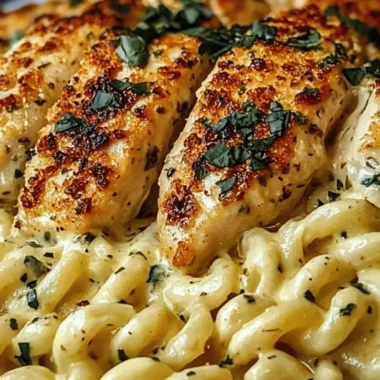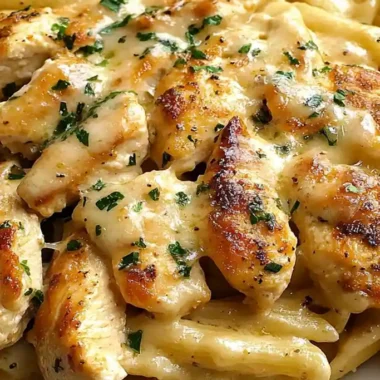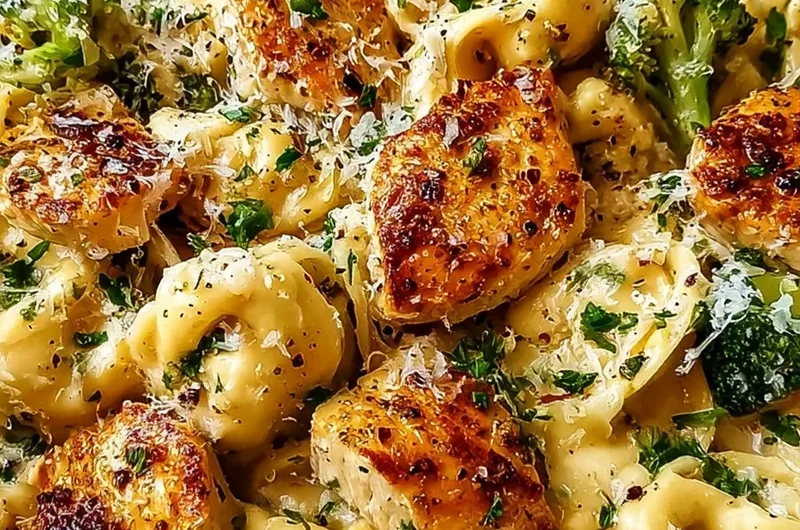
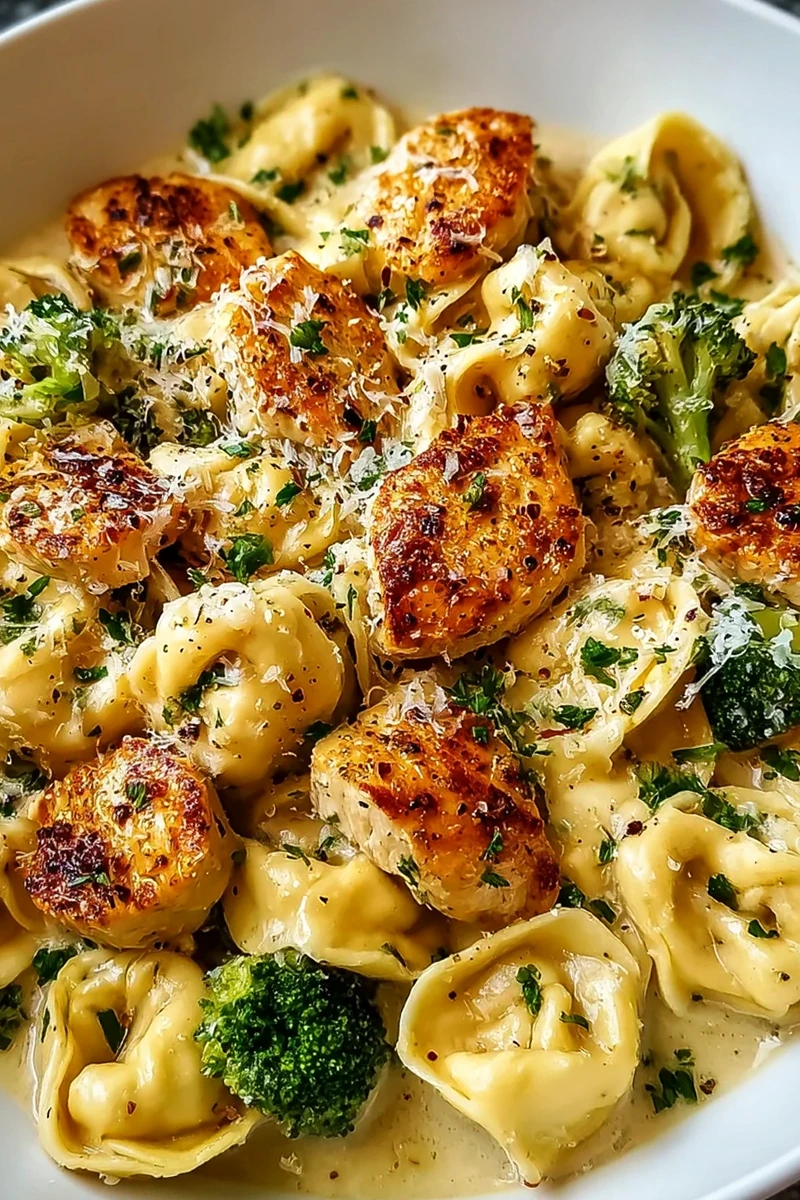
This efficient one-pan meal combines tender chicken and cheese-filled pasta in a rich, savory cream sauce. It is an ideal choice for busy weeknights when you need a satisfying, restaurant-quality dinner in under 40 minutes.
List of ingredients
- 12 ounces cheese tortellini – use refrigerated or frozen varieties.
- 2 chicken breasts – cut into uniform, bite-sized pieces for even cooking.
- 2 tablespoons olive oil – used for searing the chicken and sautéing aromatics.
- 4 garlic cloves – minced finely to distribute flavor throughout the sauce.
- 1 cup heavy cream – provides the rich, velvety base of the sauce.
- 1/2 cup chicken broth – adds depth and helps adjust the sauce consistency.
- 1 cup freshly grated Parmesan cheese – ensure it is made with microbial rennet.
- 2 cups broccoli florets – cut into small pieces to ensure they cook quickly.
- 1 teaspoon Italian seasoning – a blend of herbs for traditional flavor.
- Fresh parsley, chopped – used as a fresh garnish before serving.
- Salt and freshly ground black pepper – used to taste for seasoning.
step-by-step instructions
- Prepare the base: Season chicken breasts with salt and pepper. Cook the cheese tortellini according to the package directions, ensuring you reserve 1/2 cup of the starchy pasta water before draining.
- Sear the protein: Heat olive oil in a large skillet over medium-high heat. Sear the chicken pieces until they are fully cooked and browned on all sides, then remove them from the pan and set them aside.
- Sauté aromatics and vegetables: Reduce the skillet heat to medium and add the minced garlic, sautéing until fragrant. Stir in the broccoli florets and cook until they are bright green and tender-crisp.
- Create the cream sauce: Pour in the heavy cream and chicken broth, simmering for 2-3 minutes until the liquid thickens slightly. Gradually whisk in the Parmesan cheese until the sauce is smooth; add the reserved pasta water if the sauce is too thick.
- Combine and season: Stir in the Italian seasoning and add salt and pepper as needed. Return the cooked chicken to the skillet and stir to coat the meat in the sauce.
- Final assembly: Add the drained tortellini to the skillet and toss gently to combine and heat through. Garnish with fresh chopped parsley and serve immediately.
Advanced Cooking Techniques
Searing Chicken for Maximum Flavor
Searing the chicken on medium-high heat creates a brown crust known as the Maillard reaction. This process develops a deeper, more complex savory flavor that enhances the overall taste of the dish. Avoid crowding the pan to ensure the chicken sears rather than steams.
Achieving Al Dente Tortellini
Cook your pasta for one to two minutes less than the package suggests. Because the tortellini will simmer in the cream sauce at the end, undercooking them slightly prevents them from becoming mushy. This ensures the pasta maintains a firm, pleasant bite.
Cooking Broccoli to Maintain Texture
Add broccoli only after the garlic is fragrant to avoid overcooking the vegetable. Sautéing it quickly over medium heat keeps the florets bright green and provides a necessary textural contrast to the soft pasta. The goal is tender-crisp, not soft.
Utilizing Pasta Water for Emulsification
Reserved pasta water contains starch that acts as a natural emulsifier between the fats in the cream and the liquids. Adding a splash of this water helps the sauce cling to the tortellini and chicken more effectively. It prevents the sauce from separating or appearing greasy.
Sauce Customization and Mastery
Adjusting Sauce Consistency
If the sauce feels too thin, allow it to simmer for an additional two minutes before adding the cheese. If it becomes too thick after adding the Parmesan, stir in the reserved pasta water one tablespoon at a time. This allows you to reach a perfect velvety coating.
Using a Cornstarch Slurry for Extra Thickness
For an even thicker sauce, whisk one tablespoon of cornstarch into two tablespoons of cold water. Stir this slurry into the simmering cream and broth before adding the cheese. This method creates a very stable sauce that holds its shape well during plating.
Managing Salt Levels in the Sauce
Parmesan cheese and chicken broth both contain significant amounts of sodium. Taste the sauce only after the cheese has fully melted before adding extra salt. This prevents the dish from becoming overly salty.
Preventing Sauce Separation
To keep the sauce smooth, reduce the heat to low before stirring in the Parmesan cheese. Adding cheese to boiling liquid can cause the fats to separate, resulting in an oily texture. Whisk constantly until the cheese is fully incorporated.
Ingredient Substitutions
Alternative Pasta Selections
If cheese tortellini is unavailable, spinach and ricotta tortellini or cheese ravioli are excellent alternatives. These shapes hold the sauce similarly and maintain the cheesy profile of the dish. Always adjust boiling times based on the specific pasta type used.
Complementary Vegetable Options
While broccoli is classic, baby spinach or frozen peas can be stirred in during the final steps. Sautéed mushrooms added with the garlic also provide a rich, earthy flavor. These options keep the dish nutritious while varying the taste.
Dairy-Free Cream Alternatives
Replace heavy cream with full-fat coconut milk or a cashew-based cream for a dairy-free version. Use nutritional yeast or a vegan parmesan alternative to replicate the salty, nutty flavor of the cheese. Note that the thickening properties may differ slightly.
Low-Fat Protein Alternatives
Turkey breast cut into cubes can replace chicken breasts for a leaner protein option. Shrimp is another great substitute, though it should be seared quickly and added back at the very end to avoid overcooking. These options maintain the dish’s overall structure.
Storage and Make-Ahead Guidance
Proper Refrigeration Methods
Store leftovers in an airtight container in the refrigerator for up to three to four days. Keep the pasta and sauce together to prevent the tortellini from drying out. Ensure the food is cooled slightly before sealing the lid to avoid excessive condensation.
Guidelines for Freezing the Dish
Cream-based sauces can separate when frozen and thawed, making the texture grainy. If you must freeze the meal, undercook the pasta significantly and freeze the sauce separately. Thaw in the refrigerator overnight before reheating.
Best Practices for Reheating
Reheat the pasta in a skillet over low heat rather than in the microwave to maintain the sauce’s texture. Add a splash of milk or chicken broth to loosen the sauce as it warms. This restores the original creamy consistency.
Preparing Components in Advance
You can sear the chicken and chop the vegetables several hours before you plan to cook. Store them in separate containers in the fridge. This reduces the active cooking time to just the sauce preparation and final assembly.
Serving and Presentation Ideas
Complementary Side Dishes
Pair this rich pasta with a light, crisp green salad featuring a lemon vinaigrette. The acidity of the dressing cuts through the richness of the cream sauce. Toasted garlic bread or a focaccia also works well for soaking up leftover sauce.
Adding Fresh Flavor Elements
Freshly chopped parsley is the standard garnish, but fresh basil leaves also pair beautifully. A squeeze of fresh lemon juice over the finished plate adds a bright note that balances the heavy cream. These additions elevate the dish’s visual appeal.
Plating for Visual Appeal
Use shallow bowls to allow the sauce to spread and the ingredients to be visible. Place the chicken and broccoli on top of the tortellini rather than mixing them completely. Garnish with an extra sprinkle of Parmesan and a pinch of black pepper.
Troubleshooting Common Issues
Handling Burnt Garlic
If the garlic turns dark brown or black, discard it and start the sauté process over. Burnt garlic introduces a bitter taste that cannot be balanced by the cream or cheese. Always keep the heat at medium when adding minced garlic.
Fixing Overcooked Tortellini
If the pasta becomes too soft, avoid stirring it vigorously in the pan. Gently fold the tortellini into the sauce at the very last second and serve immediately. In the future, reduce the initial boiling time to compensate for the sauce simmer.
Balancing a Sauce That Is Too Salty
If you accidentally over-salt the dish, add a small amount of unsalted heavy cream or a splash of lemon juice. The fat in the cream and the acidity of the lemon help mask the excess salt. Avoid adding more water, as this may dilute the flavor too much.
Preventing Chicken from Drying Out
Ensure the chicken pieces are uniform in size so they cook at the same rate. Remove the chicken from the skillet as soon as it is cooked through and browned. Returning it only at the end prevents the meat from becoming tough and rubbery.
Frequently Asked Questions
Can I use frozen tortellini?
Yes, frozen tortellini can be used. Follow the package instructions for boiling, but be cautious as frozen varieties can sometimes soften faster than refrigerated ones. Reserve the pasta water as usual.
What is the best type of Parmesan cheese?
Freshly grated Parmesan is superior to pre-shredded versions. Pre-shredded cheeses often contain cellulose or anti-clumping agents that can prevent the sauce from becoming perfectly smooth.
How do I stop the chicken from sticking to the pan?
Ensure the olive oil is shimmering hot before adding the chicken. Avoid moving the chicken pieces too frequently; let them sear undisturbed for a few minutes to create a natural release from the pan surface.
Can I add other herbs or spices?
Yes, a pinch of red pepper flakes can add a subtle heat that complements the cream. A small amount of freshly grated nutmeg also works well in cream sauces to enhance the nuttiness of the Parmesan cheese.
Print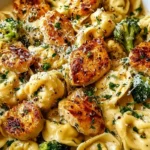
Creamy Garlic Parmesan Chicken and Tortellini with Broccoli
- Total Time: 40 minutes
- Yield: 4 servings 1x
- Diet: General
Description
A quick and delicious recipe for creamy garlic parmesan chicken tortellini with broccoli, perfect for a weeknight meal.
Ingredients
- 12 ounces cheese tortellini
- 2 chicken breasts, cut into bite-sized pieces
- 2 tablespoons olive oil
- 4 garlic cloves, minced
- 1 cup heavy cream
- 1/2 cup chicken broth
- 1 cup freshly grated Parmesan cheese
- 2 cups broccoli florets
- 1 teaspoon Italian seasoning
- Fresh parsley, chopped, for garnish
- Salt and freshly ground black pepper, to taste
Instructions
- Step 1: Season chicken breasts with salt and pepper. Cook tortellini according to package directions, reserving 1/2 cup pasta water before draining.
- Step 2: Heat olive oil in a skillet over medium-high heat. Sear chicken until cooked through, then remove and set aside.
- Step 3: Reduce heat to medium, add minced garlic to the skillet and sauté until fragrant. Add broccoli florets and cook until bright green and tender-crisp.
- Step 4: Pour in heavy cream and chicken broth. Simmer for 2-3 minutes until slightly thickened. Gradually stir in Parmesan cheese until smooth and creamy. Add reserved pasta water if needed.
- Step 5: Stir in Italian seasoning and season with salt and pepper to taste. Return cooked chicken to the skillet and stir to coat.
- Step 6: Add the drained tortellini to the skillet and toss gently to combine and heat through. Serve immediately, garnished with fresh parsley.
Notes
For a thicker sauce, you can let it simmer for a few extra minutes or create a slurry by whisking together a tablespoon of cornstarch with two tablespoons of cold water and stirring it into the simmering sauce.
- Prep Time: 15 minutes
- Cook Time: 25 minutes
- Category: Dinner
- Method: Stovetop
- Cuisine: Italian-American
Nutrition
- Serving Size: 1 serving
- Calories: 680 kcal
- Sugar: 7 g
- Sodium: 950 mg
- Fat: 36 g
- Saturated Fat: 19 g
- Unsaturated Fat: 14 g
- Trans Fat: 0 g
- Carbohydrates: 44 g
- Fiber: 5 g
- Protein: 38 g
- Cholesterol: 145 mg
Keywords: creamy garlic parmesan chicken tortellini, chicken pasta, broccoli pasta, weeknight meal, comfort food