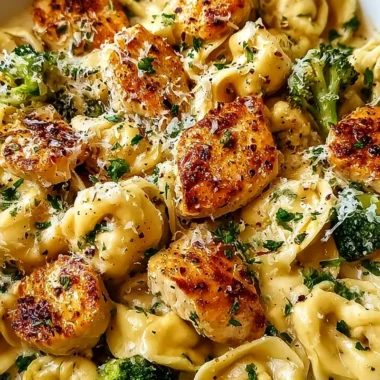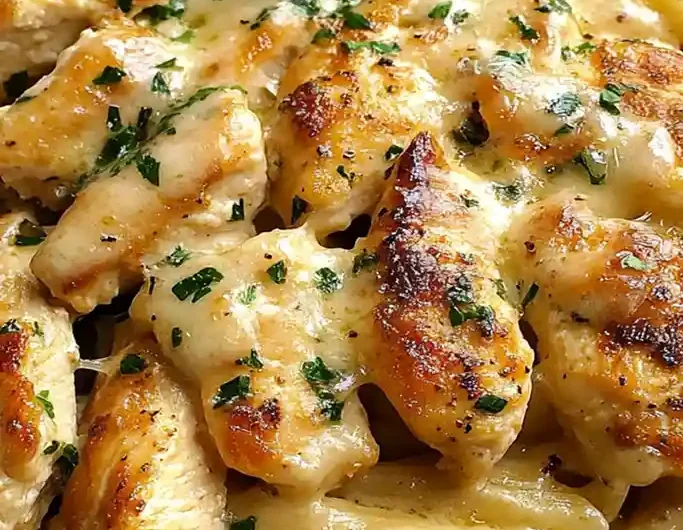
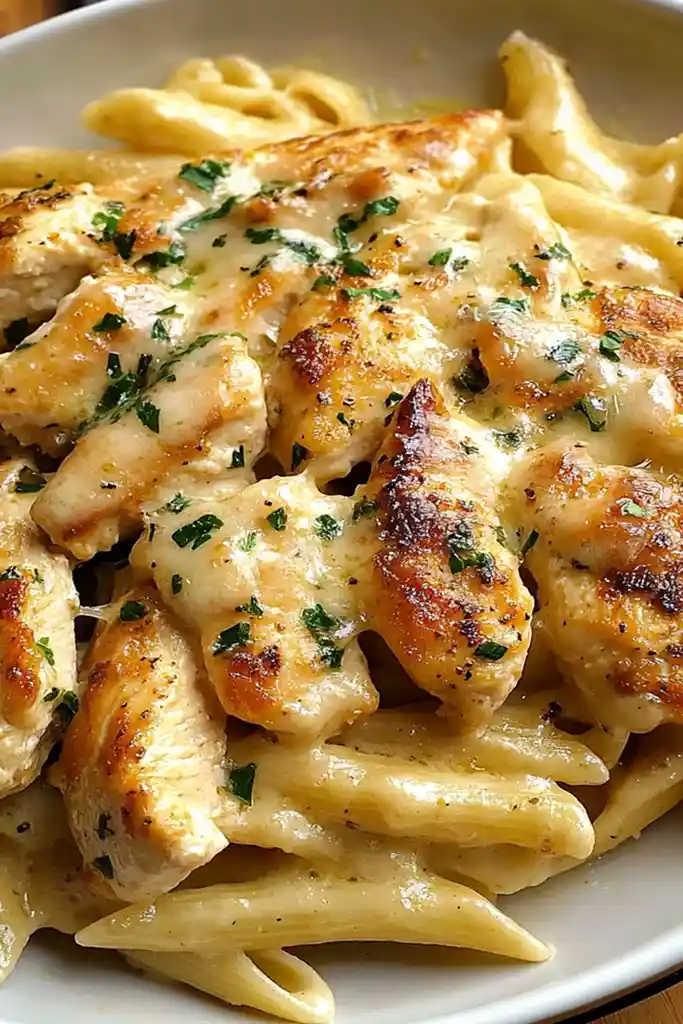
This one-pan recipe combines tender chicken, pasta, and a rich cheese sauce for an efficient weeknight dinner. It minimizes cleanup by cooking the pasta directly in the chicken broth and cream within a single skillet.
List of ingredients
- 4 boneless, skinless chicken breasts (about 680g) – cut into even portions for uniform cooking.
- 8 oz (225g) penne or rotini pasta – these shapes are ideal for holding thick sauces.
- 4 cloves fresh garlic, minced – provides a sharp, aromatic flavor base.
- 2 cups low-sodium chicken broth (480ml) – used as the primary braising liquid for the pasta.
- 1 cup heavy cream (240ml) – ensures a velvety, rich consistency in the sauce.
- 1 cup freshly grated Parmesan cheese (100g) – use a variety made with microbial rennet for suitability.
- 2 tbsp olive oil (30ml) – used for searing the chicken to develop a golden crust.
- 2 cups fresh spinach (optional, about 60g) – adds nutritional value and a pop of color.
step-by-step instructions
- Sear the Chicken: Heat olive oil in a large skillet over medium heat. Season chicken breasts with salt and pepper, then cook for approximately 6 minutes per side until golden brown; remove from the pan and let them rest on a plate.
- Sauté the Garlic: In the same skillet, using the remaining chicken drippings, sauté the minced garlic for about 1 minute until it becomes fragrant.
- Simmer the Pasta: Add the pasta and chicken broth to the skillet. Bring the mixture to a boil, cover with a lid, and simmer for about 10 minutes or until the pasta reaches an al dente texture.
- Create the Sauce: Lower the heat setting and stir in the heavy cream and grated Parmesan cheese. Continue stirring until the cheese is fully melted and the sauce is well combined.
- Final Assembly: Slice the rested chicken into strips and return them to the skillet. Add the fresh spinach if using and toss everything gently until the chicken is warmed and the spinach has just wilted.
- Serving: Plate the pasta immediately while warm. Garnish with additional Parmesan cheese or fresh herbs if desired.
Pro Tips for Perfect Results
Sear Chicken for Maximum Flavor
To achieve the best sear, pat the chicken breasts completely dry with paper towels before seasoning. This removes surface moisture, allowing the meat to brown quickly through the Maillard reaction rather than steaming in the pan. A deep golden crust adds a savory layer that enhances the entire dish.
Maintain Al Dente Pasta Texture
Avoid overcooking the pasta during the simmering stage. Start checking the texture a minute before the timer goes off to ensure it still has a slight bite. Remember that the pasta will continue to soften slightly when you stir in the heavy cream and cheese.
Prevent Sauce Separation
Keep the heat on low or medium-low when adding the heavy cream and Parmesan cheese. High heat can cause the fats in the dairy to separate, resulting in an oily sauce. Stirring constantly ensures the cheese emulsifies smoothly into the liquid.
Use Freshly Mince Garlic
Always use fresh garlic cloves rather than pre-minced jarred garlic. Fresh garlic contains volatile oils that provide a much more pungent and clean flavor profile. Mince the garlic immediately before cooking to preserve these aromatic compounds.
Ingredient Substitutions and Adjustments
Alternative Pasta Shapes
While penne and rotini are recommended, you can use farfalle or fusilli for a similar result. Avoid using very thin pastas like spaghetti or angel hair, as they may overcook or clump during the one-pan simmering process. Stick to sturdy, short-cut pasta varieties.
Replacing Heavy Cream
If you prefer a lighter sauce, you can substitute heavy cream with half-and-half, though the result will be less thick. For a dairy-free alternative, full-fat coconut cream works well, although it will introduce a slight coconut flavor. Adjust the simmering time slightly if using a thinner liquid.
Protein Swaps for Variety
You can replace chicken breasts with shrimp or firm tofu cubes. If using shrimp, sauté them quickly and remove them from the pan, then add them back at the very end to avoid overcooking. Tofu should be pressed and seared until crispy before starting the pasta steps.
Low Sodium Broth Alternatives
If you do not have low-sodium chicken broth, you can use homemade stock or water with a pinch of salt. Vegetable broth is also a suitable replacement and provides a clean, savory base. Be careful with salt additions if your broth is not low-sodium.
Flavor Variations
Adding a Spicy Kick
To introduce heat, stir in half a teaspoon of crushed red pepper flakes when sautéing the garlic. This infuses the olive oil with a spicy warmth that cuts through the richness of the Parmesan sauce. Adjust the amount based on your heat tolerance.
Incorporating Garden Vegetables
Beyond spinach, you can add sliced mushrooms, frozen peas, or diced bell peppers. Sauté mushrooms with the garlic, and add peas during the last two minutes of the pasta simmering stage. This increases the nutrient density and adds varied textures.
Adding a Citrus Twist
Stir in one tablespoon of fresh lemon juice and a pinch of lemon zest just before serving. The acidity of the lemon brightens the heavy cream and cheese, balancing the overall richness. This is particularly effective when using shrimp as the protein.
Infusing with Fresh Herbs
Garnish the final dish with freshly chopped Italian parsley, basil, or chives. Adding these herbs at the end preserves their bright color and fresh taste. For a deeper flavor, you can add a pinch of dried oregano during the simmering process.
Storage and Reheating Guide
Proper Refrigeration Methods
Store any leftovers in an airtight glass or BPA-free plastic container. Ensure the pasta is cooled slightly before sealing to prevent excessive condensation. The dish will remain fresh and safe to eat for up to three days in the refrigerator.
Best Reheating Techniques
The stovetop is the best method for reheating this pasta. Place the leftovers in a skillet over medium-low heat and stir gently. This allows the sauce to melt and integrate without overheating the chicken.
Maintaining Sauce Creaminess
Creamy sauces often thicken or separate when chilled. Add a tablespoon of milk, water, or chicken broth during the reheating process to loosen the sauce. This restores the original velvety texture and prevents the pasta from becoming dry.
Make-Ahead Advice
Prepping Ingredients in Advance
You can save time by mincing the garlic and slicing the chicken breasts the evening before. Store them in separate airtight containers in the fridge. This reduces the active prep time to just a few minutes on the day of cooking.
Freezing Guidelines
This recipe is not recommended for freezing. The high dairy content in the heavy cream and Parmesan cheese tends to break or grain when frozen and thawed. For the best quality, enjoy the meal fresh or refrigerated.
Troubleshooting Common Issues
Fixing a Sauce That Is Too Thick
If the sauce becomes too thick after adding the cheese, whisk in a tablespoon of chicken broth at a time. Continue this process until the sauce reaches your desired consistency. This usually happens if the broth evaporated too quickly during simmering.
Correcting Overcooked Pasta
If you find your pasta is too soft, reduce the simmering time by one or two minutes in your next batch. You can also use a lid that fits more tightly to trap steam, which cooks the pasta more efficiently. Always test a piece of pasta before adding the cream.
Preventing Burnt Garlic
Garlic burns quickly and becomes bitter if the heat is too high. Keep the skillet on medium-low when adding the garlic and stir it constantly. If the garlic begins to brown too quickly, immediately add the chicken broth to stop the cooking process.
Frequently Asked Questions
Can I use pre-grated Parmesan cheese?
It is highly recommended to grate your own cheese. Pre-grated cheeses often contain cornstarch or cellulose to prevent clumping, which can prevent the sauce from becoming perfectly smooth.
What is the best skillet for this recipe?
A large, deep skillet or a wide sauté pan is ideal. A pan with a tight-fitting lid is necessary to ensure the pasta simmers evenly in the broth without evaporating the liquid too quickly.
How do I know the chicken is fully cooked?
The best way to ensure safety is to use a meat thermometer. The internal temperature of the chicken breasts should reach 165°F (74°C) before they are removed from the pan.
Can I add the spinach earlier in the process?
Adding spinach during the simmering stage will cause it to overcook and lose its vibrant green color. For the best texture and appearance, stir it in at the very end so it wilts from the residual heat.
Print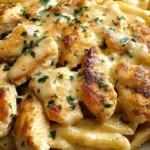
Creamy One Pan Garlic Parmesan Chicken Pasta
- Total Time: 30 minutes
- Yield: 4 servings 1x
- Diet: General
Description
One Pan Garlic Parmesan Chicken Pasta is a comforting dish that combines tender chicken, al dente pasta, and a creamy garlic parmesan sauce, all cooked in one skillet.
Ingredients
- 4 boneless, skinless chicken breasts (about 680g)
- 8 oz (225g) penne or rotini pasta
- 4 cloves fresh garlic, minced
- 2 cups low-sodium chicken broth (480ml)
- 1 cup heavy cream (240ml)
- 1 cup freshly grated Parmesan cheese (100g)
- 2 tbsp olive oil (30ml)
- 2 cups fresh spinach (optional, about 60g)
Instructions
- Step 1: Heat olive oil in a large skillet over medium heat. Season chicken with salt and pepper. Cook for about 6 minutes per side until golden brown; remove from pan and let rest.
- Step 2: In the same skillet, sauté minced garlic for about 1 minute until fragrant.
- Step 3: Add pasta and chicken broth; bring to a boil, cover, and simmer for about 10 minutes until pasta is al dente.
- Step 4: Lower heat and stir in heavy cream and Parmesan cheese until well combined.
- Step 5: Slice the rested chicken and return to the skillet along with spinach if using; toss gently to coat with sauce.
- Step 6: Serve warm, garnished with extra Parmesan if desired.
Notes
Store leftovers in an airtight container in the fridge for up to three days. To reheat, warm in a skillet over medium heat, adding a splash of water or broth to keep it creamy.
- Prep Time: 10 minutes
- Cook Time: 20 minutes
- Category: Main
- Method: One Pan
- Cuisine: Italian
Nutrition
- Serving Size: 1 plate (about 250g)
- Calories: 620 kcal
- Sugar: 3 g
- Sodium: 790 mg
- Fat: 35 g
- Saturated Fat: 18 g
- Unsaturated Fat: 15 g
- Trans Fat: 0 g
- Carbohydrates: 46 g
- Fiber: 3 g
- Protein: 42 g
- Cholesterol: 155 mg
Keywords: one pan chicken pasta, garlic parmesan chicken, creamy pasta, easy dinner