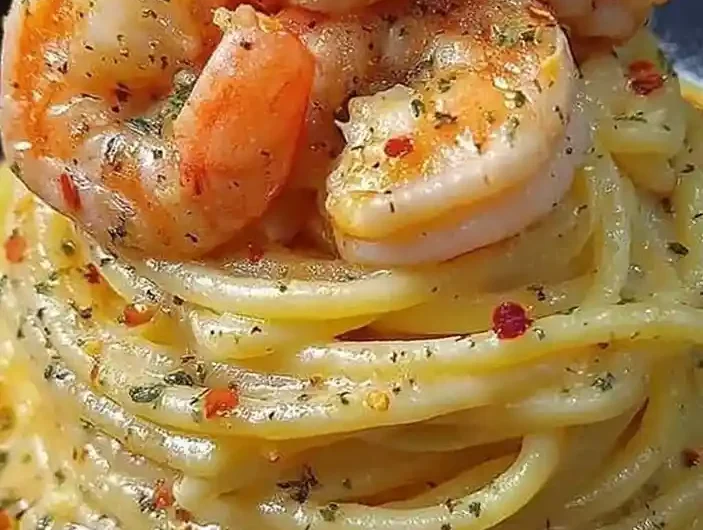
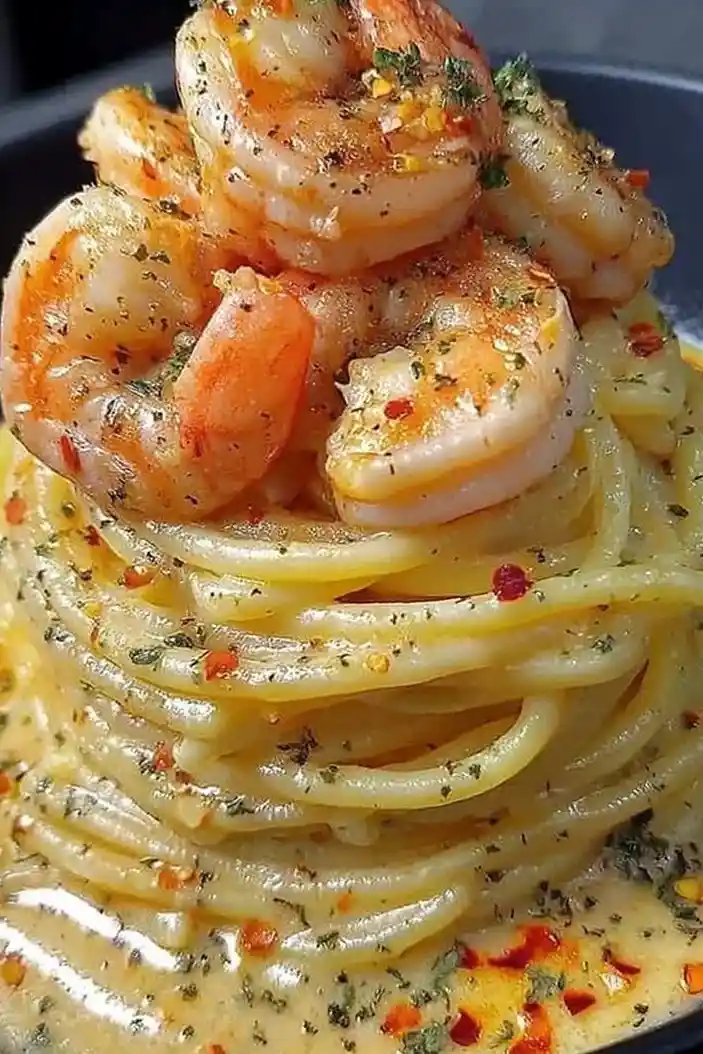
This elegant pasta dish combines succulent shrimp with a velvety garlic cream sauce for a restaurant-style dinner. It is a quick, high-impact meal that comes together in just 30 minutes using simple ingredients. Perfect for special occasions or a luxurious weeknight treat.
List of ingredients
- 1 lb linguine pasta – provides the base for the sauce.
- 1 lb large shrimp, peeled and deveined – the primary protein.
- 3 cloves garlic, minced – adds aromatic depth.
- 1 cup heavy cream – creates the rich, creamy texture.
- 1/2 cup grated Parmesan cheese – adds salty umami flavor.
- 2 tbsp butter – for sautéing and richness.
- 1 tbsp olive oil – prevents butter from burning.
- 1/4 cup fresh parsley, chopped – adds a fresh herbal finish.
- 1 lemon, juiced and zested – cuts through the richness with acidity.
- Salt and black pepper to taste – essential for seasoning.
- 1/4 tsp red pepper flakes (optional) – adds a hint of warmth.
step-by-step instructions
- Cook the Pasta: Bring a large pot of heavily salted water to a boil. Add linguine and cook until al dente according to package directions.
- Reserve Pasta Water: Before draining the pasta, scoop out about one cup of the starchy cooking water. Drain the noodles and set them aside.
- Sear the Shrimp: Heat olive oil and butter in a large skillet over medium-high heat. Add the shrimp in a single layer and cook until they turn pink and form a C-shape, then immediately remove them from the pan.
- Sauté Aromatics: In the same skillet, add the minced garlic and sauté for about one minute until fragrant, ensuring it does not brown or burn.
- Create the Sauce Base: Deglaze the pan with a splash of vegetable broth and lemon juice, scraping up the browned bits. Pour in the heavy cream and simmer gently for a few minutes.
- Incorporate Cheese: Remove the skillet from the heat and stir in the grated Parmesan cheese until melted and smooth.
- Combine Elements: Add the cooked linguine and seared shrimp back into the skillet. Toss everything together until the pasta is thoroughly coated.
- Final Touches: Stir in the lemon zest, remaining lemon juice, chopped parsley, and red pepper flakes. Adjust salt and pepper to taste.
Master Your Seafood Technique
Drying Shrimp for Better Searing
Always pat your shrimp dry with paper towels before adding them to the pan. Removing surface moisture ensures that the shrimp sear properly rather than steaming. This creates a golden-brown crust that enhances the overall flavor profile.
Recognizing Perfect Doneness
Shrimp cook very quickly and can become rubbery if overdone. Look for them to curl into a ‘C’ shape and turn opaque pink. Remove them from the heat the moment this happens, as they will warm through again in the sauce.
Preventing Overcrowding in the Pan
Avoid adding too many shrimp to the skillet at once, as this lowers the pan temperature. If the pan is too full, the shrimp will release moisture and boil instead of searing. Cook in batches if necessary to maintain a high heat.
Pasta Cooking Fundamentals
Importance of Heavily Salted Water
Salt the pasta water generously until it tastes like the sea. This is the only opportunity to season the pasta noodles themselves. Undersalted pasta will taste bland even when paired with a flavorful cream sauce.
Why You Should Never Rinse Pasta
Avoid rinsing your linguine after draining it from the pot. The surface starch remaining on the noodles is what allows the creamy sauce to cling to the pasta. Rinsing removes this starch and results in a watery sauce that slides off.
Achieving the Ideal Al Dente Texture
Cook the pasta for one to two minutes less than the package instructions. Because the noodles will continue to cook when tossed in the warm sauce, undercooking them slightly prevents mushiness. This ensures a firm, satisfying bite.
Creating the Perfect Creamy Emulsion
Managing Heat During Cheese Incorporation
Remove the pan from the burner before stirring in the Parmesan cheese. High heat can cause the cheese to clump or the cream to separate. Adding the cheese off-heat ensures a smooth, velvety emulsion.
Using Starchy Pasta Water for Binding
If the sauce appears too thick or separated, stir in a small amount of reserved pasta water. The starch in the water acts as a binder, helping the fats and liquids merge. This creates a glossy finish that coats every strand of pasta.
Sautéing Garlic Without Burning
Keep the heat at a medium level when sautéing minced garlic. Burned garlic develops a bitter taste that can ruin the entire sauce. Sauté only until the garlic is fragrant and translucent, usually about 60 seconds.
Ingredient Selection and Quality
Choosing Fresh vs Frozen Shrimp
Both fresh and frozen shrimp work well if handled correctly. If using frozen, thaw them completely in the refrigerator overnight and pat them dry. Ensure they have a mild sea scent and no ammonia odor.
Selecting the Right Parmesan
Use a wedge of authentic Parmesan or Parmigiano-Reggiano and grate it yourself. Pre-grated cheeses often contain anti-caking agents like cellulose. These additives prevent the cheese from melting smoothly into the cream sauce.
The Role of Heavy Cream
Ensure you use heavy cream with at least 36% milk fat for the best results. Lower-fat creams or half-and-half may break or curdle when simmered. Heavy cream provides the stability needed for a thick, luxurious consistency.
Flavor Variations and Adaptations
Adding a Spicy Kick
For those who prefer more heat, increase the red pepper flakes or add a teaspoon of Calabrian chili paste. You can also add a finely diced fresh serrano pepper during the garlic sauté. This adds a bright, sharp heat to the rich cream.
Incorporating Fresh Vegetables
Add a handful of baby spinach or frozen peas during the final tossing stage. Sliced mushrooms sautéed before the garlic also provide an earthy contrast. These additions increase the nutritional value and add color to the plate.
Making the Dish Gluten-Free
Substitute the linguine with a high-quality brown rice or corn-based gluten-free pasta. Be mindful that gluten-free noodles often have different boiling times and can become mushy quickly. Cook them slightly more underdone than wheat pasta.
Dairy-Free Sauce Alternatives
Replace the heavy cream with full-fat coconut milk or a homemade cashew cream. Use nutritional yeast or a vegan Parmesan substitute to replicate the salty, umami flavor. Note that these alternatives will slightly change the overall flavor profile.
Serving and Pairing Suggestions
Professional Plating Techniques
Use tongs to twist the pasta into a high nest in the center of a wide bowl. Arrange the shrimp artistically around the top and sides of the nest. Spoon a bit of extra sauce over the peak to create a polished, restaurant-style look.
Selecting the Right Garnishes
Finish the dish with a sprinkle of freshly chopped parsley and a pinch of lemon zest. The bright green and yellow colors contrast beautifully with the white sauce. A final dusting of Parmesan adds a professional touch.
Ideal Side Dishes
Pair this rich pasta with a crisp green salad tossed in a light lemon vinaigrette. The acidity of the salad cleanses the palate between bites of the creamy pasta. Garlic bread or a toasted baguette is also excellent for soaking up extra sauce.
Non-Alcoholic Beverage Pairings
Serve this meal with sparkling water infused with a slice of lemon or lime. An iced herbal tea with mint provides a refreshing contrast to the richness. For a more complex drink, try a non-alcoholic sparkling cider.
Storage and Maintenance
Proper Refrigeration Practices
Store leftover pasta in an airtight container and refrigerate within two hours. The sauce will naturally thicken and may appear stiff once chilled. It is best consumed within three days to maintain the quality of the shrimp.
Reheating Without Ruining Texture
Reheat the pasta slowly in a skillet over low heat. Add a tablespoon of cream or vegetable broth to loosen the sauce. Avoid the microwave, as it can easily overcook the shrimp and make them rubbery.
Freezing and Thawing Guidance
Freezing is not recommended for this dish as the cream sauce often separates upon thawing. If you must freeze it, do so in small portions and thaw slowly in the fridge. Use a whisk during reheating to try and re-emulsify the sauce.
Common Cooking Hurdles
Fixing a Sauce That Is Too Thin
If the sauce is too runny, simmer it for a few more minutes before adding the pasta to reduce the liquid. You can also stir in a small amount of extra Parmesan cheese. The cheese acts as a natural thickener as it melts.
Balancing Excessive Salt
If the dish becomes too salty, add a squeeze of fresh lemon juice or a splash more cream. The acidity and fat help neutralize the saltiness. Avoid adding more water, as this can dilute the flavors too much.
Managing Rubbery Shrimp
If your shrimp turned out rubbery, it is likely due to overcooking. In the future, remove them from the pan as soon as they change color. Once rubbery, they cannot be reversed, but adding extra sauce can help mask the texture.
Frequently Asked Questions
Can I use frozen shrimp for this recipe?
Yes, frozen shrimp work perfectly. Ensure they are fully thawed and patted dry before cooking to ensure they sear rather than steam.
What replaces the white wine?
Use vegetable broth mixed with a small amount of extra lemon juice. This provides the necessary acidity and depth without using alcohol.
Can I use fettuccine instead?
Yes, fettuccine is an excellent substitute. Any flat pasta like tagliatelle will work well because the surface area helps the cream sauce adhere.
How do I stop the sauce from separating?
Avoid boiling the sauce after adding the cheese. Always remove the pan from the heat before stirring in the Parmesan to keep the emulsion stable.
Print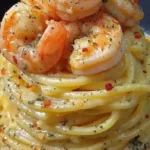
Creamy Garlic Shrimp Linguine
- Total Time: 30 mins
- Yield: 4 servings 1x
- Diet: General
Description
A rich and indulgent pasta dish featuring tender shrimp in a creamy garlic sauce with fresh herbs and a hint of lemon.
Ingredients
- 1 lb linguine pasta
- 1 lb large shrimp, peeled and deveined
- 3 cloves garlic, minced
- 1 cup heavy cream
- 1/2 cup grated Parmesan cheese
- 2 tbsp butter
- 1 tbsp olive oil
- 1/4 cup fresh parsley, chopped
- 1 lemon, juiced and zested
- Salt and black pepper to taste
- 1/4 tsp red pepper flakes (optional)
Instructions
- Step: Bring a large pot of salted water to a boil and cook linguine according to package directions until al dente. Reserve 1/2 cup pasta water before draining.
- Step: While pasta cooks, heat olive oil and butter in a large skillet over medium heat.
- Step: Add shrimp and season with salt and pepper. Cook 2-3 minutes per side until pink and opaque. Remove shrimp and set aside.
- Step: In the same skillet, add minced garlic and red pepper flakes (if using). Sauté for 1 minute until fragrant.
- Step: Pour in heavy cream and bring to a simmer.
- Step: Stir in Parmesan cheese until melted and smooth.
- Step: Add lemon juice and zest, then return shrimp to the skillet. Toss to coat in the sauce.
- Step: Add drained linguine to the skillet, tossing with the creamy sauce.
- Step: If needed, add reserved pasta water a little at a time to reach desired consistency.
- Step: Stir in fresh parsley and serve immediately.
Notes
You can customize the seasonings to taste.
- Prep Time: 15 mins
- Cook Time: 15 mins
- Category: Main Course
- Method: Sautéing
- Cuisine: Italian-American
Nutrition
- Serving Size: 1 serving
- Calories: 840 kcal
- Sugar: 6 g
- Sodium: 1200 mg
- Fat: 35 g
- Saturated Fat: 18 g
- Unsaturated Fat: 12 g
- Trans Fat: 0 g
- Carbohydrates: 80 g
- Fiber: 4 g
- Protein: 35 g
- Cholesterol: 210 mg
Keywords: shrimp linguine, creamy garlic pasta, seafood dinner, Italian-American