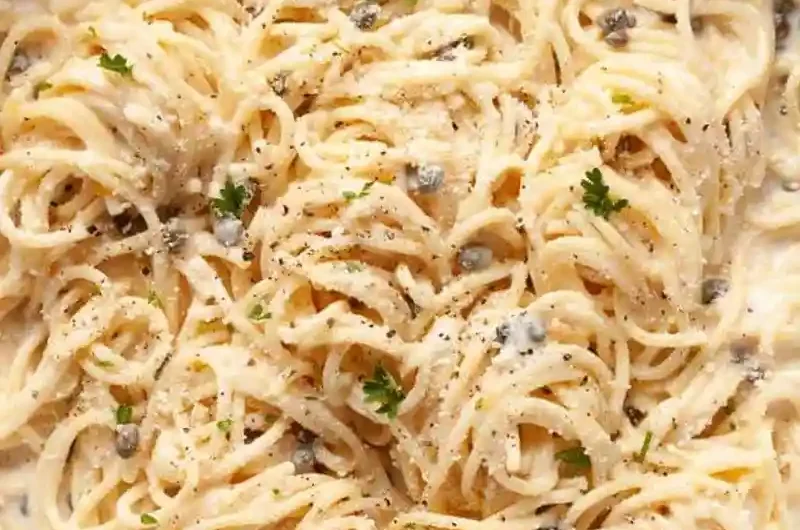
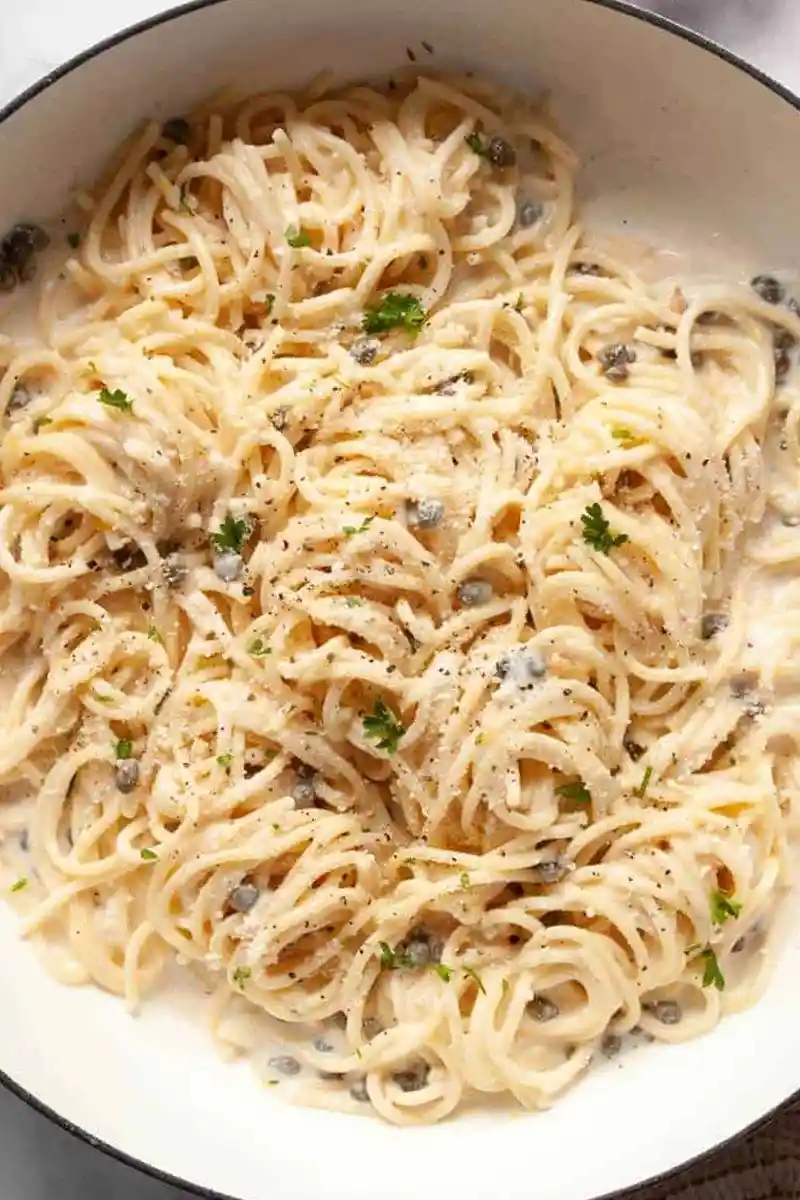
This quick, nutritious meal balances bright citrus notes with a smooth, creamy texture. It takes only 15 minutes to prepare, making it an ideal choice for a healthy weeknight dinner. The lightened-up sauce provides a rich taste without the need for heavy creams.
List of ingredients
- 10 oz pasta (spaghetti or angel hair) – provides the base for the sauce.
- 1 Tbsp unsalted butter or extra-virgin olive oil – used for sautéing garlic.
- 2 cloves garlic (minced) – adds aromatic depth to the sauce.
- 1 ½ tbsp arrowroot powder, tapioca starch or cornstarch – acts as a gluten-free thickening agent.
- 1 cup low-sodium vegetable or chicken broth – serves as the savory liquid base.
- ½ cup milk (skim or 2%) – contributes to the creamy consistency.
- ½ cup plain Greek yogurt (0% or 2%) – adds protein and creaminess.
- ¼ cup freshly grated parmesan cheese – provides a salty, nutty finish.
- 3 – 4 tbsp fresh lemon juice (1 – 2 lemons) – delivers essential acidity and brightness.
- ½ tsp fresh lemon zest – enhances the citrus aroma.
- 1 tsp salt (to taste) – balances the overall flavors.
- ½ tsp black pepper (to taste) – adds a subtle spicy kick.
- 2 – 3 tbsp capers (liquid drained) – brings a distinct salty and briny punch.
step-by-step instructions
- Cook the pasta: Bring a large pot of salted water to a boil and add the pasta. Cook until al-dente according to the package directions, then strain and run under cold water to stop the cooking process immediately.
- Prepare the thickener: In a small bowl or glass, whisk together the arrowroot powder (or alternative starch) and the vegetable broth until smooth. Zest one lemon and set it aside for later.
- Sauté the garlic: Heat a large saucepan with butter or olive oil over medium heat. Add the minced garlic and stir for 30 to 60 seconds until fragrant.
- Thicken the sauce: Pour in the arrowroot-broth mixture and the milk. Whisk continuously to prevent lumps and increase heat to medium-high, simmering for 2 – 4 minutes until the sauce thickens, whisking every 20 seconds.
- Combine creamy elements: Reduce the heat to medium-low. Whisk in the Greek yogurt, parmesan cheese, lemon juice, and lemon zest. Season with salt and black pepper to taste.
- Add the briny notes: Once the sauce is fully combined and smooth, gently stir in the drained capers.
- Toss and serve: Add the cooked spaghetti to the pan and use tongs to toss the noodles thoroughly in the sauce. Garnish with fresh parsley, extra capers, or additional parmesan cheese if desired.
Optimizing the Sauce Texture
Preventing Greek Yogurt Curdling
It is critical to reduce the heat to medium-low before adding the Greek yogurt. High temperatures can cause the proteins in the yogurt to break down and separate, leading to a curdled appearance. Stirring it in at a lower temperature ensures a smooth, homogenous emulsion.
Creating a Lumps-Free Starch Slurry
Always whisk the arrowroot powder or cornstarch into the broth while the liquid is cold or at room temperature. Adding starch directly to a hot pan causes it to clump instantly, which creates small pockets of raw flour. A pre-mixed slurry guarantees a silky texture throughout the sauce.
Managing the Simmering Process
Maintain a steady simmer rather than a rolling boil when thickening the sauce. Excessive heat can burn the milk solids at the bottom of the pan, which alters the flavor of the dish. Whisking every 20 seconds prevents scorching and ensures even heat distribution.
Controlling the Sauce Thickness
The viscosity of the sauce depends on the simmering time and the type of starch used. If the sauce becomes too thick, stir in a tablespoon of pasta water or milk to loosen it. If it is too thin, allow it to simmer for another minute before adding the yogurt.
Pasta Base Alternatives
Using Gluten-Free Pasta Options
This recipe is naturally adaptable for those avoiding gluten. Brown rice pasta or chickpea pasta works well, though these versions may require slightly different boiling times. Ensure you cook them strictly al-dente to prevent them from falling apart when tossed in the sauce.
Substituting with Zucchini Noodles
For a low-carb or keto-friendly version, replace traditional pasta with spiralized zucchini. Sauté the zucchini noodles separately for 2-3 minutes before tossing them with the sauce. Avoid boiling zucchini noodles, as they release too much water and can dilute the cream sauce.
Selecting the Best Pasta Shapes
While spaghetti and angel hair are traditional, shapes like linguine or fettuccine are excellent for holding heavier sauces. For a more rustic feel, try bowtie or rigatoni. These shapes allow the sauce and capers to get trapped in the ridges, providing more flavor per bite.
Ingredient Substitutions and Swaps
Dairy-Free Milk Alternatives
You can replace cow’s milk with unsweetened plain almond milk or cashew milk for a lighter version. Avoid sweetened versions, as they will clash with the savory capers and lemon. Cashew milk is particularly effective because it mimics the creaminess of dairy more closely than almond milk.
Using Olive Oil Instead of Butter
Extra-virgin olive oil is a great substitute for butter, offering a fruitier flavor profile and a heart-healthy fat source. The substitution ratio is 1:1. Use a high-quality oil to ensure the garlic sautéing process doesn’t produce a bitter taste.
Alternative Thickening Agents
If arrowroot powder is unavailable, cornstarch or tapioca starch can be used in a 1:1 ratio. For a non-starch option, a small amount of all-purpose flour can be whisked in, though this removes the gluten-free benefit. Potato starch is another viable alternative that provides a similar glossy finish.
Varying the Cheese Type
While parmesan is the standard, Pecorino Romano offers a sharper, saltier taste that complements the lemon. If using Pecorino, reduce the amount of added salt in the recipe. You can also use a blend of both cheeses for a more complex savory profile.
Flavor Enhancement Strategies
The Importance of Fresh Lemon
Always use freshly squeezed lemon juice rather than bottled alternatives. Bottled juice often contains preservatives and has a metallic aftertaste that can overpower the delicate balance of the sauce. Fresh zest provides the essential oils that give the dish its characteristic aromatic brightness.
Balancing Salt with Capers
Capers vary in saltiness depending on whether they are salt-cured or brined. Always drain and rinse your capers before adding them to the pan. Taste the sauce after adding the capers before deciding if additional salt is necessary to avoid over-salting the dish.
Adding Fresh Herbal Garnishes
Freshly chopped parsley is the ideal garnish as it adds a grassy contrast to the rich sauce. Fresh basil or chives can also be used for a different flavor profile. Adding herbs at the very end preserves their color and volatile oils.
Protein Pairing Suggestions
Adding Grilled Chicken Breast
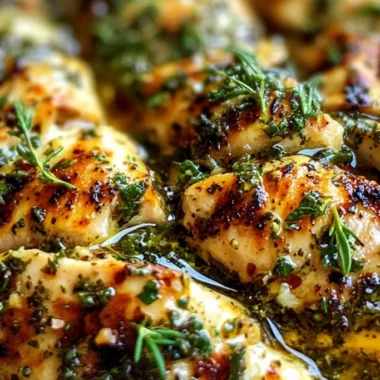
Grilled chicken is a classic companion for lemon caper pasta. Season chicken breasts with salt, pepper, and a hint of garlic powder, then grill until cooked through. Slice the chicken and place it on top of the plated pasta for a high-protein meal.
Sautéing Shrimp for a Seafood Twist
Shrimp pairs exceptionally well with the citrus and briny elements of this dish. Sauté peeled and deveined shrimp in a separate pan with a touch of olive oil and garlic for 2 minutes per side. Fold the shrimp into the pasta during the final tossing stage.
Incorporating Flaky White Fish
Cod, tilapia, or halibut can be pan-seared or baked and served alongside the pasta. The mild flavor of white fish does not compete with the bold lemon-caper sauce. Flake the fish gently over the pasta to ensure every bite has a bit of protein.
Vegetable Add-ins for Nutrition
Using Roasted Broccoli Florets
Roasted broccoli adds a charred, nutty flavor and a satisfying crunch. Toss broccoli florets in olive oil and roast at 400°F until the edges are browned. Stir them into the pasta just before serving to maintain their texture.
Incorporating Sautéed Spinach
Fresh baby spinach can be stirred into the sauce during the final minute of cooking. The residual heat will wilt the spinach without overcooking it. This adds a boost of iron and a vibrant green color to the dish.
Adding Steamed Asparagus Tips
Asparagus and lemon are a natural pairing. Lightly steam asparagus tips until tender-crisp, then fold them into the pasta. This addition provides a refined aesthetic and a fresh, earthy taste that balances the richness of the yogurt.
Storage and Reheating Guidelines
Refrigeration and Shelf Life
Store any leftover pasta in an airtight container in the refrigerator for up to three days. Because the sauce contains Greek yogurt and milk, it is important to cool the pasta quickly and keep it chilled. Ensure the container is completely sealed to prevent the pasta from absorbing fridge odors.
Preventing Pasta from Drying Out
Pasta tends to absorb the sauce as it sits in the fridge, which can lead to a dry consistency. When storing, consider adding a tiny splash of extra milk or water to the container. This helps maintain some moisture for the reheating process.
Microwave Reheating Technique
To reheat in the microwave, place the pasta in a microwave-safe dish and cover it with a damp paper towel. This creates a steam chamber that prevents the sauce from breaking or the noodles from becoming rubbery. Heat in 30-second intervals, stirring in between.
Stovetop Reheating Method
For the best results, reheat the pasta in a saucepan over low heat. Add 1-2 tablespoons of water or milk to emulsify the sauce again. Stir gently to avoid breaking the noodles, heating only until the dish is warmed through.
Troubleshooting Common Issues
Fixing a Sauce That Is Too Thick
If the sauce becomes overly thick or pasty, it is likely due to over-reduction or the type of starch used. Stir in a tablespoon of warm milk or reserved pasta water. Continue to stir over low heat until the desired creamy consistency returns.
Correcting a Sauce That Is Too Thin
A thin sauce usually means the starch didn’t simmer long enough or the yogurt was added too quickly. Return the pan to medium heat and simmer for an additional minute. You can also whisk in a tiny bit more parmesan cheese to help bind the sauce.
Balancing Overly Tart Lemon Flavors
If the lemon juice makes the dish too acidic, you can balance the flavor with a small amount of fat or sweetness. Stir in an extra tablespoon of parmesan cheese or a tiny pinch of sugar. The fat in the cheese neutralizes the sharpness of the citric acid.
Frequently Asked Questions
Can you taste the yogurt in the pasta sauce?
No, the Greek yogurt is used primarily for texture and protein. Because it is balanced with lemon juice, garlic, and parmesan, the distinct tangy taste of yogurt blends into the background, resulting in a creamy flavor similar to a light alfredo.
Is this recipe meal-prep friendly?
Yes, it is excellent for meal prep. It stays stable in the refrigerator for several days. Just be sure to follow the reheating instructions using moisture (water or milk) to ensure the sauce remains creamy.
Can I use different types of Greek yogurt?
Yes, you can use 0%, 2%, or 5% fat Greek yogurt. Higher fat percentages will result in a richer, more velvety sauce, while 0% fat is best for those looking to minimize calories.
} Print
Creamy Lemon Caper Pasta
- Total Time: 15 minutes
- Yield: 4 servings 1x
- Diet: Vegetarian
Description
This quick, easy 15-minute creamy lemon caper pasta recipe is the perfect healthy weeknight dinner. The pasta is tossed in a simple, light cream sauce made with skim milk, Greek yogurt, fresh lemon, garlic, and parmesan cheese.
Ingredients
- 10 oz pasta (spaghetti or angel hair)
- 1 Tbsp unsalted butter or extra-virgin olive oil
- 2 cloves garlic (minced)
- 1 ½ tbsp arrowroot powder, tapioca starch or cornstarch
- 1 cup low-sodium vegetable broth
- ½ cup milk (skim or 2%)
- ½ cup plain Greek yogurt (0% or 2%)
- ¼ cup freshly grated parmesan cheese
- 3 – 4 tbsp fresh lemon juice (1 – 2 lemons)
- ½ tsp fresh lemon zest
- 1 tsp salt (to taste)
- ½ tsp black pepper (to taste)
- 2 – 3 tbsp capers (liquid drained)
Instructions
- Boil Pasta: Bring a large pot of salted water to a boil and add pasta. Cook al-dente according to the package instructions, strain, then run under cold water to stop it from cooking further. Set to the side.
- Prepare Mixture: In a bowl or glass, whisk together the arrowroot powder and vegetable broth. Set to the side. Then, zest one lemon and set to the side.
- Sauté Garlic: Meanwhile, heat a large saucepan with the butter over medium heat. Add in the minced garlic, stir, and cook until fragrant. This should only take 30 seconds – 1 minute.
- Thicken Sauce: Add in the arrowroot vegetable broth mixture and milk. Continuously whisk to combine, making sure there are no lumps. Raise heat to medium-high and let simmer for 2 – 4 minutes, or until the sauce thickens. Whisk every 20 seconds.
- Mix Creamy Elements: Reduce heat to medium-low, then whisk in the greek yogurt, parmesan cheese, lemon juice, and lemon zest, and season with salt and pepper to taste.
- Add Capers: Once fully combined, gently stir in the capers.
- Combine and Serve: Add cooked spaghetti and use tongs to toss with the sauce. Top with fresh parsley, extra capers, and/or parmesan cheese, if desired. Enjoy!
Notes
Use fresh lemon instead of bottled lemon juice. Lower the heat before adding Greek yogurt to prevent the sauce from curdling. Store leftovers in airtight containers in the fridge for 2-3 days.
- Prep Time: 5 minutes
- Cook Time: 10 minutes
- Category: Dinner
- Method: Stovetop
- Cuisine: Italian
Nutrition
- Serving Size: 1 serving
- Calories: 368 kcal
- Sugar: 5 g
- Sodium: 597 mg
- Fat: 6 g
- Saturated Fat: 3 g
- Unsaturated Fat: 3 g
- Trans Fat: 0 g
- Carbohydrates: 52 g
- Fiber: 3 g
- Protein: 16 g
- Cholesterol: 9 mg
Keywords: creamy lemon caper pasta, healthy dinner, 15 minute pasta, lemon alfredo alternative, greek yogurt pasta