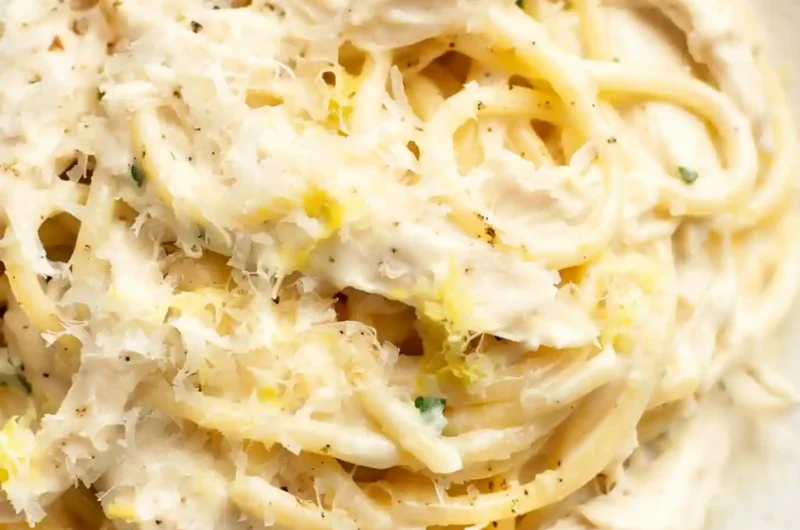
This quick pasta dish uses rotisserie chicken to save time on busy weeknights. It features a bright, citrusy cream sauce that comes together in just 30 minutes.
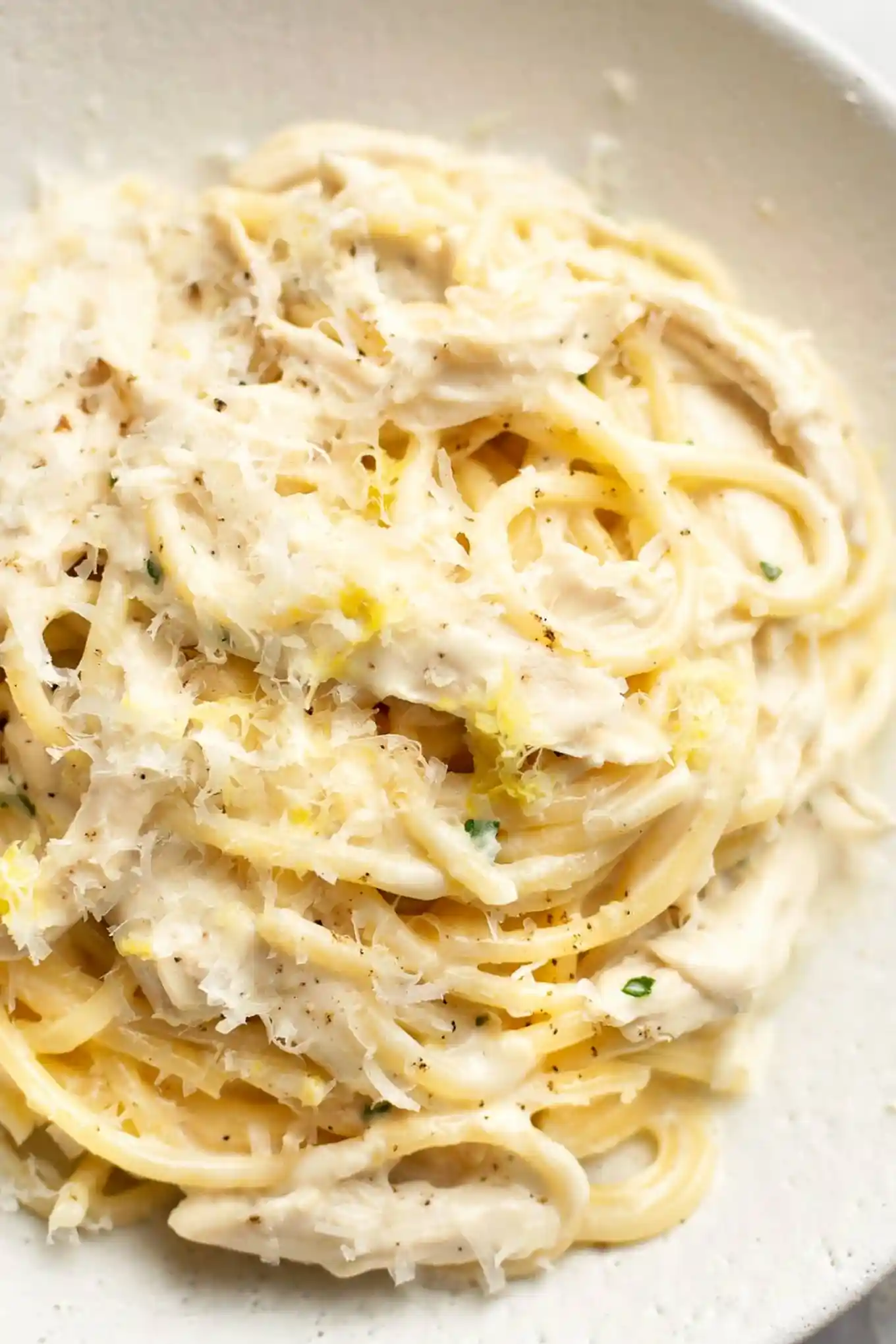
List of ingredients
- 8 ounces uncooked pasta – use spaghetti or your favorite shape.
- 2 tablespoons butter – for the base of the roux.
- 1/2 tablespoon flour – used to thicken the sauce.
- 1 clove garlic – minced finely for aromatic flavor.
- 1/4 cup chicken broth or vegetable broth – provides depth to the sauce.
- 1/2 tablespoon lemon juice and zest of 1/2 lemon – adds brightness and acidity.
- 1 cup heavy or whipping cream – creates a luxurious, rich texture.
- 2 cups cooked or rotisserie chicken – shredded for easy mixing.
- 1/3 cup freshly grated parmesan cheese – for salty, nutty flavor.
- Salt and pepper – to taste for seasoning.
- Fresh parsley and extra parmesan – optional for garnish.
step-by-step instructions
- Cook the pasta: Boil a salted pot of water and cook the pasta until it is al dente according to the package directions.
- Make the roux: About 10 minutes before the pasta is finished, melt butter in a skillet over medium-high heat. Sprinkle in the flour and cook for one minute, stirring frequently.
- Build the base: Stir in the minced garlic, then add the chicken or vegetable broth along with the lemon juice and zest. Allow the mixture to bubble for one minute.
- Thicken the sauce: Whisk in the heavy cream and stir in the shredded chicken. Cook for several minutes until the sauce reaches your desired thickness.
- Finish the sauce: Stir in the parmesan cheese and remove the skillet from the heat. Season generously with salt and pepper.
- Combine and serve: Add the drained pasta to the skillet and toss until coated. If the sauce is too thick, stir in a tablespoon of reserved pasta water before serving. Garnish with parsley and extra parmesan if desired.
Expert Techniques for the Perfect Sauce
Create a Stable Roux with Butter and Flour
The combination of butter and flour creates a roux, which acts as a thickening agent. Cooking the flour for one minute removes the raw grain taste while ensuring the sauce stays smooth and doesn’t separate.
Utilize Fresh Lemon Zest for Maximum Aroma
Zesting the lemon provides essential oils that offer a more intense citrus aroma than juice alone. Always zest the lemon before juicing it to make the process easier and more efficient.
Ensure the Use of High-Fat Heavy Cream
Heavy cream is essential because its high fat content prevents the sauce from curdling when the acidic lemon juice is added. Lower fat alternatives like milk or half-and-half lack the stability needed to maintain a smooth emulsion.
Control the Broth Reduction Process
Allowing the broth and lemon juice to bubble for one minute reduces the liquid and concentrates the flavor. This step ensures the sauce has a robust taste before the cream is introduced.
Ingredient Substitutions and Variations
Adding Fresh Baby Spinach for Nutrition
Stir in two cups of fresh baby spinach during the final two minutes of simmering. The residual heat will wilt the leaves perfectly without overcooking them, adding color and nutrients to the dish.
Incorporating Frozen Peas for Texture
Adding half a cup of frozen peas along with the chicken provides a sweet contrast to the salty parmesan. There is no need to thaw the peas beforehand; they will heat through quickly in the simmering sauce.
Using Different Pasta Shapes for Sauce Adhesion
While spaghetti is traditional, shapes like penne or fusilli are excellent for capturing the thick cream sauce in their ridges. This ensures every bite is evenly coated with the lemon mixture.
Swapping Rotisserie Chicken for Other Proteins
You can replace the shredded chicken with sautéed shrimp or grilled tofu for a different protein profile. If using shrimp, add them toward the end of the cooking process to avoid overcooking.
Serving and Pairing Ideas
Pairing with Toasted Garlic Bread
Serve this pasta with a slice of warm, buttery garlic bread to soak up any remaining sauce. A crusty French baguette toasted with garlic butter provides a satisfying crunch that complements the creamy pasta.
Complementing with a Fresh Side Salad
A crisp green salad with a light vinaigrette balances the richness of the cream sauce. Use a simple mix of arugula, cherry tomatoes, and a lemon-olive oil dressing to mirror the flavors in the main course.
Adding Finishing Garnishes for Presentation
Freshly chopped parsley adds a pop of color and a clean, herbal finish to the plate. A final dusting of high-quality parmesan cheese enhances the saltiness and visual appeal of the dish.
Storage and Proper Reheating
Storing Leftovers in Airtight Containers
Keep leftover pasta in a sealed container in the refrigerator for 3 to 4 days. Ensure the pasta is completely cooled before sealing to prevent excess moisture from building up inside the container.
Using a Low-Heat Reheating Method
Reheat the pasta slowly in a small saucepan over low heat. High heat can cause the fats in the cream sauce to separate, resulting in an oily texture rather than a creamy one.
Reviving the Sauce Texture
If the sauce has thickened too much during refrigeration, stir in a splash of extra cream or a tablespoon of water while reheating. This restores the original silky consistency of the lemon cream.
Avoiding the Freezer for Creamy Pastas
It is not recommended to freeze this dish because cream-based sauces often break during the thawing process. The texture becomes grainy and the sauce may separate, regardless of the reheating method used.
Troubleshooting Common Issues
Preventing the Sauce from Curdling
Curdling typically occurs if the heat is too high or the cream has too low a fat content. Keep the heat at a gentle simmer and ensure you are using heavy cream to maintain a stable emulsion.
Correcting an Overly Thick Sauce
If the sauce becomes too thick, add a small amount of reserved pasta water. The starch in the water helps emulsify the sauce and loosens the consistency without diluting the flavor.
Balancing Excessive Lemon Acidity
If the lemon flavor is too overpowering, stir in an additional tablespoon of parmesan cheese or a small knob of butter. The extra fat helps neutralize the sharp acidity of the citrus.
Ensuring the Chicken is Heated Through
Since the recipe uses pre-cooked chicken, it only needs to be warmed. Simmering the chicken in the sauce for a few minutes ensures it is hot throughout without becoming tough or dry.
Frequently Asked Questions
Can I use milk instead of heavy cream?
It is not recommended to use milk because it lacks the fat necessary to prevent the lemon juice from curdling the sauce. If you must use milk, you will need to increase the amount of flour in the roux to help stabilize the liquid.
How do I store the leftovers safely?
Store the pasta in an airtight container in the refrigerator for up to four days. Always reheat the portions you plan to eat rather than heating the entire batch multiple times.
Can I use raw chicken instead of rotisserie?
Yes, you can use raw chicken breast, but you must sauté the diced chicken in the butter until fully cooked before adding the flour to start the roux. Ensure the internal temperature reaches 165 degrees Fahrenheit.
What is the best type of parmesan cheese?
Freshly grated Parmesan Reggiano is the best choice because it melts more smoothly than pre-shredded options. Pre-shredded cheeses often contain anti-clumping agents that can make the sauce feel grainy.
Can I make this recipe without garlic?
You can omit the garlic or replace it with a pinch of garlic powder. However, fresh garlic provides a depth of flavor that complements the lemon and cream most effectively.
How do I keep the sauce from separating?
Avoid boiling the sauce vigorously once the cheese has been added. Removing the pan from the heat before stirring in the parmesan ensures the cheese melts without breaking the sauce emulsion.
Print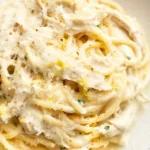
Creamy Lemon Chicken Pasta
- Total Time: 30 minutes
- Yield: 4 servings 1x
- Diet: General
Description
Using rotisserie or leftover chicken makes this easy creamy lemon chicken pasta recipe perfect for busy weeknights! It comes together quickly with no fancy ingredients.
Ingredients
- 8 ounces uncooked pasta
- 2 tablespoons butter
- 1/2 tablespoon flour
- 1 clove garlic (minced)
- 1/4 cup chicken or vegetable broth
- 1/2 tablespoon lemon juice
- zest of 1/2 lemon
- 1 cup heavy cream
- 2 cups cooked shredded chicken
- 1/3 cup freshly grated parmesan cheese
- Salt to taste
- Pepper to taste
- fresh parsley (optional garnish)
- extra parmesan (optional garnish)
Instructions
- Step: Boil a salted pot of water for the pasta and cook it al dente according to package directions.
- Step: When the pasta is approx. 10 minutes away from being done, add the butter to a skillet over medium-high heat. Once it melts, sprinkle the flour in and cook for about a minute, stirring fairly often.
- Step: Add in the garlic, followed by the broth and lemon juice + zest. Let it bubble for one minute.
- Step: Whisk in the cream, then stir in the chicken, and cook it for a few minutes until the sauce has thickened up to your liking.
- Step: Stir in the parmesan cheese and take the skillet off the heat. Season with salt & pepper as needed.
- Step: Add the drained pasta to the skillet and toss until coated (add a tablespoon or so of the pasta water to the sauce prior to draining it, especially if the sauce has become a little too thick). Serve immediately with more parmesan and a bit of chopped parsley if desired.
Notes
I do NOT recommend subbing the heavy cream for anything with a lower fat content (e.g. half-and-half or milk) because the lemon in the sauce is very likely to curdle it, and you’ll have to add more flour to thicken the sauce.
- Prep Time: 10 minutes
- Cook Time: 20 minutes
- Category: Main Course
- Method: Stovetop
- Cuisine: American
Nutrition
- Serving Size: 1 serving
- Calories: 624 kcal
- Sugar: 2 g
- Sodium: 310 mg
- Fat: 36 g
- Saturated Fat: 20 g
- Unsaturated Fat: 16 g
- Trans Fat: 0 g
- Carbohydrates: 45 g
- Fiber: 2 g
- Protein: 30 g
- Cholesterol: 156 mg
Keywords: creamy lemon chicken pasta, quick dinner, 30-minute meal, lemon chicken