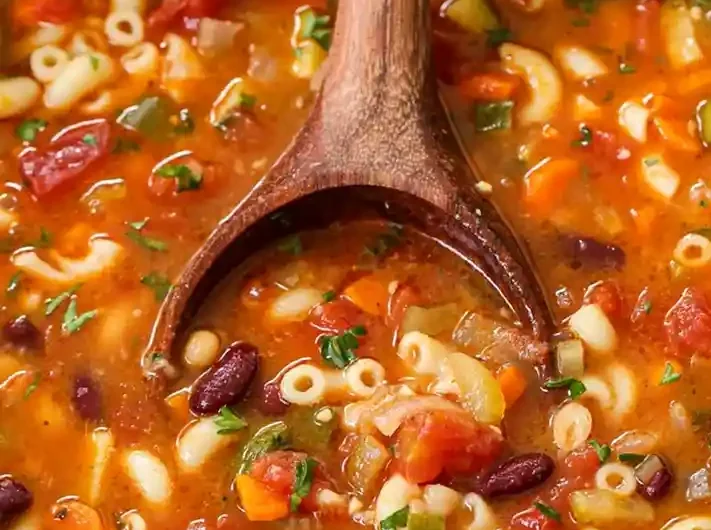
This hearty vegetable soup is a satisfying meal that works perfectly as a standalone main dish. It features a rich tomato broth packed with nutrient-dense beans and fresh garden vegetables for a comforting experience.
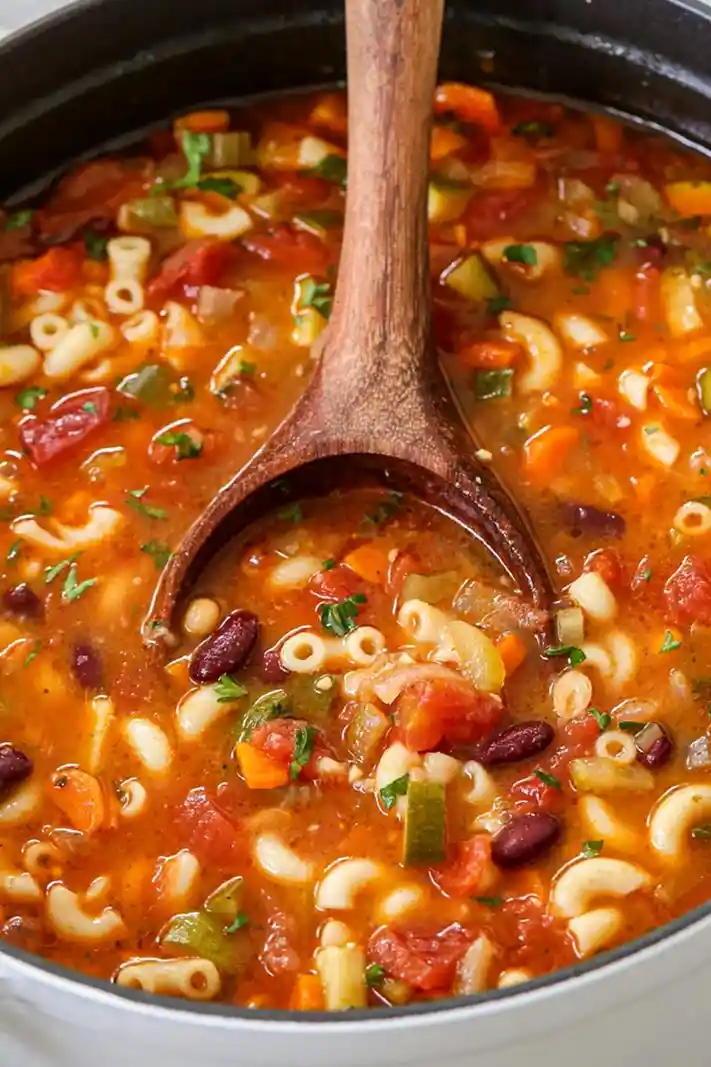
List of ingredients
- 2 medium carrots – diced into small cubes for uniform cooking.
- 2 small zucchinis – diced into small cubes to maintain texture.
- 1/2 large onion – diced into small cubes for a flavor base.
- 6 celery ribs – diced into small cubes to add aromatic depth.
- 2 cloves of garlic – minced finely for maximum flavor release.
- 28 oz canned diced tomatoes – provides the acidic tomato base.
- 32 oz vegetable broth – used for a savory, plant-based liquid.
- 15 oz canned great Northern beans – drained and rinsed for creaminess.
- 15 oz canned kidney beans – drained and rinsed for heartiness.
- 1 tbsp Italian seasoning – a blend of classic Mediterranean herbs.
- 1 tbsp dry basil – adds a sweet, peppery herbal note.
- 1/2 cup pasta – small shapes like ditalini work best.
- 1 tbsp olive oil – used for sautéing the aromatic vegetables.
- 2 cups water – used to adjust the final thickness of the soup.
step-by-step instructions
- Sauté Vegetables: Preheat the pot with olive oil, add zucchini, carrots, celery and onions. Sautee for about 10 minutes, until vegetables soften. Tip: Stir frequently to ensure an even brown on all sides.
- Add Aromatics: To the pot, add canned diced tomatoes. Season with Italian seasoning and dry basil. Tip: Use a wooden spoon to scrape any browned bits from the bottom of the pot.
- Simmer with Grains and Beans: Add vegetable broth, pasta, kidney and Great Northern beans. Simmer for about 10 minutes. Depending on the thickness of the soup, you can add 2 more cups of water to the mix. Tip: Stir occasionally to prevent the pasta from sticking to the bottom.
- Infuse Garlic: Press garlic into the mixture and let it simmer for about 10 minutes. Tip: Adding garlic toward the end preserves its pungent aroma and prevents bitterness.
- Finish and Serve: Serve while the minestrone soup is still warm. Tip: Bowl the soup immediately to keep the pasta from overcooking in the residual heat.
Ways to Customize Your Vegetable Selection
Incorporate Butternut Squash or Pumpkin
Adding cubed butternut squash or pumpkin introduces a subtle sweetness that balances the acidity of the tomatoes. These vegetables should be diced small to match the carrots. Simmer them along with the other root vegetables until tender.
Add Fresh Kale or Spinach
Stir in a handful of chopped kale or baby spinach during the final few minutes of simmering. The heat of the broth will wilt the greens quickly without overcooking them. This adds a vibrant green color and a boost of iron to the meal.
Use Parsnips or Turnips
For a more earthy and peppery flavor profile, replace some of the carrots with diced parsnips or turnips. These root vegetables hold their shape well during the simmering process. They provide a unique texture that differentiates the soup from standard versions.
Add Frozen Peas at the End
Frozen peas are a great way to add a pop of color and sweetness. Add them in the last two minutes of cooking to ensure they stay bright green. Avoid boiling them for too long, as they can become mushy and lose their flavor.
Alternative Grains and Pasta Choices
Substitute White Pasta with Brown Rice
Brown rice is an excellent alternative for those seeking more fiber and a nuttier taste. To avoid the rice absorbing all the broth, cook it separately and add it to each bowl. This ensures the soup remains liquid rather than turning into a porridge.
Use Chickpea or Corn-Based Pasta
For a gluten-free version, utilize pasta made from chickpeas or corn. Be mindful that these pastas often cook faster or release more starch than wheat pasta. Check the doneness frequently to prevent them from disintegrating in the pot.
Add Quinoa for Extra Protein
Quinoa serves as a complete protein source and integrates well into the tomato-based broth. Stir in pre-rinsed quinoa during the broth-simmering stage. It will puff up and add a slightly grainy, pleasant texture to the soup.
Utilize Pearled Barley for Heartiness
Pearled barley creates a much thicker, chewier soup that is exceptionally filling. Because barley takes longer to cook than small pasta, you may need to simmer the soup for an additional 20 minutes. It is ideal for cold winter days when a heavier meal is desired.
Flavor Enhancements for a Deeper Taste
Add Red Pepper Flakes for a Spicy Kick
If you prefer a bit of heat, stir in a pinch of crushed red pepper flakes when sautéing the onions. This infuses the oil with a spicy warmth that permeates the entire pot. Adjust the amount based on your personal heat tolerance.
Use Fresh Parsley and Basil
While dried herbs provide a steady base, fresh parsley and basil added at the end offer a brighter, more aromatic finish. Finely chop the leaves and stir them in just before serving. This mimics the fresh taste found in authentic Italian kitchens.
Balance Flavor with Fresh Lemon Juice
A teaspoon of fresh lemon juice stirred in at the end can brighten the heavy flavors of the beans and broth. The acidity cuts through the starch and enhances the natural taste of the vegetables. It provides a zesty contrast to the savory herbs.
Balance Tomato Acidity with Sugar
If the canned tomatoes are too acidic for your taste, add a small pinch of granulated sugar. This doesn’t make the soup sweet but instead rounds out the harsh edges of the tomato paste. It creates a more balanced and mellow flavor profile.
Suggested Serving and Pairing Ideas
Garnish with Aged Parmesan Cheese
Freshly grated Parmesan or Pecorino Romano adds a salty, nutty finish to every spoonful. Sprinkle the cheese directly onto the hot soup so it melts slightly into the broth. This is the signature finishing touch for a restaurant-style experience.
Serve Alongside Toasted Garlic Bread
Hearty garlic bread or a warm piece of focaccia is the perfect accompaniment for soaking up the leftover broth. Brush sliced baguette with garlic butter and toast until golden brown. The crunch of the bread complements the softness of the vegetables.
Pair with a Crisp Side Salad
A light Caesar salad or a simple arugula salad with balsamic vinaigrette balances the richness of the minestrone. The freshness of the raw greens cleanses the palate between bites of the dense soup. Use a light dressing to keep the meal from feeling too heavy.
Top with Chiffonade Basil
Cut fresh basil leaves into thin ribbons to create a chiffonade garnish. Place a small pile of these ribbons in the center of the bowl just before serving. This adds a professional visual appeal and a burst of fresh herbal aroma.
Storing and Maintaining Freshness
Store in an Airtight Container
Transfer cooled soup into airtight glass containers to maintain the best flavor and quality. Ensure the lid is sealed tightly to prevent the soup from absorbing other smells in the refrigerator. It will stay fresh and safe for consumption for up to one week.
Add Extra Broth Before Reheating
Pasta and beans continue to absorb liquid even after the soup has cooled. You will likely find that the soup is much thicker when you open the container the next day. Add a splash of vegetable broth or water during reheating to restore the original consistency.
Avoid Freezing to Maintain Texture
Freezing minestrone is generally discouraged because the vegetables and pasta can become mushy upon thawing. The cell walls of the zucchini and carrots break down during the freezing process. If you must freeze it, consider leaving the pasta out and adding it fresh during reheating.
Use Glass Jars for Freshness
Storing the soup in Mason jars is a great way to portion out meals for the week. Glass is non-reactive and keeps the tomato-based broth tasting clean. Simply label the jars with the date they were prepared to track freshness.
Effective Reheating Methods
Reheat Slowly on Low Heat
The best way to reheat minestrone is in a small pot on the stovetop over medium-low heat. Stir gently to avoid breaking the beans or overcooking the pasta. Heating slowly ensures the soup is warmed evenly throughout.
Use Microwave-Safe Bowls and Stir
For a quick lunch, heat the soup in a microwave-safe bowl in 1-minute intervals. Stir the soup between each interval to distribute the heat and avoid cold spots. Cover the bowl with a lid or paper towel to prevent splattering.
Thin the Soup with Water or Broth
As mentioned, the liquid levels will drop during storage. Add about 1/4 cup of water or vegetable broth per serving during the reheating process. This returns the soup to its intended liquid-to-solid ratio.
Add Fresh Herbs After Reheating
Reheating can dull the flavor of the herbs. After the soup is hot, stir in a few fresh basil leaves or a pinch of fresh parsley. This restores the “just-cooked” aroma and taste to the dish.
Preparation and Meal Planning Tips
Prep Vegetables in Advance
Save time on busy weeknights by dicing your carrots, celery, and onions a few days early. Store the chopped vegetables in a sealed container or freezer bag. This turns the active cooking time into a simple process of adding prepped ingredients to the pot.
Cook Pasta Separately for Better Texture
If you plan to eat the soup over several days, cook the pasta in a separate pot and add it to individual servings. This prevents the pasta from becoming overcooked and soggy in the main pot. It also prevents the broth from thickening too quickly.
Prepare Large Batches for Meal Prep
Minestrone is an ideal candidate for batch cooking because the flavors often deepen and improve after a day in the fridge. Double the recipe to ensure you have enough for multiple lunches. This reduces the amount of time spent in the kitchen throughout the week.
Set Up a Mise en Place
Organize all your measured ingredients on the counter before you turn on the heat. Having your beans drained and herbs measured prevents the vegetables from over-sautéing while you search for a missing ingredient. A clean workspace leads to a more relaxing cooking experience.
Common Cooking Troubleshooting
Fixing an Overly Thick Consistency
If the soup becomes too thick due to the pasta and beans, simply stir in a bit more water or vegetable broth. Add the liquid in small increments until the desired consistency is reached. Avoid adding too much at once, as this can dilute the flavor.
Correcting Under-Seasoned Soup
If the broth tastes bland, increase the amount of salt or add a splash of soy sauce for umami. A small amount of tomato paste can also deepen the flavor of the broth. Taste the soup frequently during the final simmer to adjust seasonings.
Preventing Mushy Vegetables
To prevent vegetables from becoming too soft, avoid over-sautéing them in the first step. Ensure you are using a medium heat and not a high heat that could burn the outside while leaving the inside raw. Add the most delicate vegetables, like zucchini, slightly later if you prefer a firmer bite.
Reducing Excessive Saltiness
If you accidentally over-salt the soup, add a peeled, halved potato and simmer it for 10 minutes. The potato acts as a sponge and absorbs some of the excess salt from the liquid. Remove the potato before serving the soup.
Frequently Asked Questions
Can I Use Dried Beans instead of Canned?
Yes, but you must soak dried beans overnight and boil them separately until tender before adding them to the soup. Dried beans take much longer to cook than the vegetables and pasta. Adding raw dried beans directly to the soup would result in hard beans and overcooked vegetables.
Which Pasta Shape is Best for Minestrone?
Small shapes like ditalini, macaroni, or orzo are the best choices for this soup. These shapes fit easily on a spoon along with the diced vegetables and beans. Avoid using large noodles like fettuccine or linguine, as they are impractical for a chunky soup.
How Do I Make the Soup Creamier?
For a creamier texture without adding dairy, take a small amount of the cooked beans and mash them into a paste. Stir this paste back into the pot to thicken and enrich the broth. This method adds body and a velvety feel to the soup while keeping it plant-based.
Can I Use Different Types of Vegetable Broth?
Any high-quality vegetable broth will work, whether it is store-bought or homemade. If using a bouillon cube, be careful with additional salt, as bouillon is often very salty. Low-sodium broth is recommended so you can control the seasoning yourself.
Print
Hearty Minestrone Soup (Restaurant Style)
- Total Time: 50 minutes
- Yield: 10 servings 1x
- Diet: Vegetarian
Description
Minestrone soup is so hearty it can stand on its own as the main dish! This is a close attempt at copying the classic Italian soup from Olive Garden.
Ingredients
- 2 medium carrots, diced into small cubes
- 2 small zucchinis, diced into small cubes
- 1/2 large onion, diced into small cubes
- 6 celery ribs, diced into small cubes
- 2 cloves of garlic, minced
- 28 oz canned diced tomatoes
- 32 oz vegetable broth
- 15 oz canned great Northern beans, drained
- 15 oz canned kidney beans, drained
- 1 tbsp Italian seasoning
- 1 tbsp dry basil
- 1/2 cup pasta
- 1 tbsp olive oil
- 2 cups water
Instructions
- Step: Preheat the pot with olive oil, add zucchini, carrots, celery and onions. Sautee for about 10 minutes, until vegetables soften.
- Step: To the pot, add canned diced tomatoes. Season with Italian seasoning and dry basil.
- Step: Add vegetable broth, pasta, kidney and Great Northen beans. Simmer for about 10 minutes. Depending on the thickness of the soup, you can add 2 more cups of water to the mix.
- Step: Press garlic into the mixture and let it simmer for about 10 minutes.
- Step: Serve while the minestrone soup is still warm.
Notes
To make this gluten-free, substitute pasta for wild or white rice. For a spicy version, add red pepper flakes. Store in an airtight container in the refrigerator for up to a week.
- Prep Time: 20 minutes
- Cook Time: 30 minutes
- Category: Soup
- Method: Simmering
- Cuisine: Italian-American
Nutrition
- Serving Size: 1 serving
- Calories: 152 kcal
- Sugar: 6 g
- Sodium: 599 mg
- Fat: 2 g
- Saturated Fat: 1 g
- Unsaturated Fat: 1 g
- Trans Fat: 0 g
- Carbohydrates: 27 g
- Fiber: 9 g
- Protein: 7 g
- Cholesterol: 0 mg
Keywords: minestrone soup, olive garden copycat, vegetable soup, Italian soup