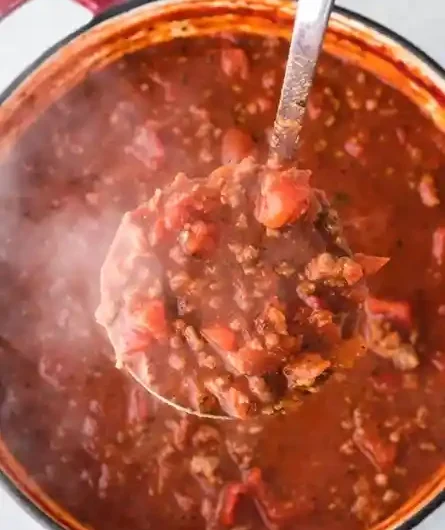
This rich and savory meat sauce is designed for slow simmering to develop a deep, traditional flavor. It is a versatile base that pairs perfectly with various pasta shapes or serves as a hearty dipping sauce for crusty bread.
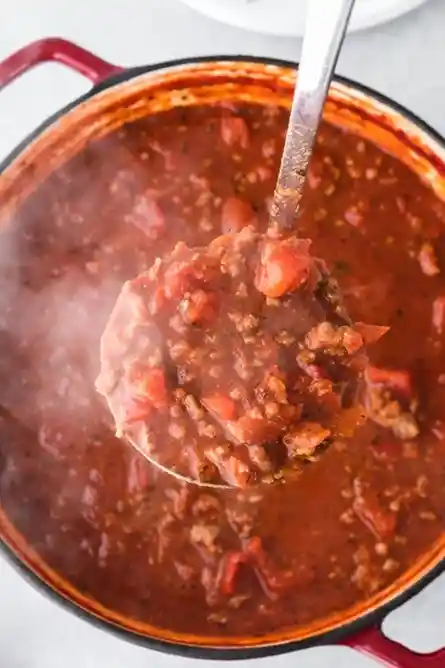
List of ingredients
- 1 pound beef sausage, casings removed – provides a seasoned meat base.
- 1 pound ground beef – adds heartiness and texture.
- 1 small onion, chopped – provides a savory aromatic foundation.
- 3 cloves garlic, crushed – adds pungent, deep flavor.
- 1 (12 ounces) can tomato paste – thickens the sauce and intensifies the tomato taste.
- 1 (28 ounces) can petite diced tomatoes – adds small, tender tomato chunks.
- 1 (28 ounces) can regular diced tomatoes – adds larger, rustic tomato pieces.
- 2 (15 ounce) cans tomato sauce – creates a smooth, cohesive liquid base.
- 2 cups water – adjusts the consistency for long simmering.
- 3 teaspoons dried basil – adds a classic herbal sweetness.
- 2 teaspoons dried parsley flakes – provides a mild, earthy note.
- 1 teaspoon salt – enhances all existing flavors.
- 1/4 teaspoon ground black pepper – adds a subtle spicy warmth.
- 1/4 cup beef broth – adds depth and richness without alcohol.
- 1 Tablespoon brown sugar – balances the acidity of the tomatoes.
- 2 Tablespoons olive oil – used for browning the meat.
- Additional salt and pepper to taste – for final seasoning adjustments.
step-by-step instructions
- Brown the Meat: Heat olive oil in a large pot or Dutch oven over medium heat. Add the ground beef and beef sausage, breaking the meat apart with a spoon as it cooks until fully browned.
- Drain and Return: Remove the pot from the heat to drain the excess grease, then return the meat to the heat source.
- Sauté Aromatics: Stir in the chopped onions and continue cooking, stirring occasionally, until the onions become translucent and softened.
- Combine Tomato Bases: Pour in the petite diced tomatoes, regular diced tomatoes, tomato paste, and tomato sauce, stirring well to combine.
- Season the Sauce: Mix in the dried basil, dried parsley, salt, black pepper, brown sugar, and crushed garlic.
- Add Liquids: Bring the mixture to a boil, then stir in the beef broth and water.
- Initial Simmer: Reduce the heat to low and simmer for one hour, stirring frequently to prevent the bottom from sticking.
- Extended Simmer (Optional): For a deeper, more blended flavor profile, continue simmering on low for an additional 3 to 4 hours.
Meat Selection and Preparation
Choosing the Right Beef Ratio
For the best balance of flavor and texture, use an 80/20 lean-to-fat ratio for the ground beef. The fat carries the flavor of the herbs and spices, but excessive grease can make the sauce oily. If using leaner beef, you may need a small amount of extra olive oil to prevent sticking.
Selecting a Beef-Based Sausage
Ensure you use a beef or turkey-based Italian sausage to avoid pork products. Remove the casings completely before adding the meat to the pot to ensure the sausage integrates evenly with the ground beef. This creates a consistent meat texture throughout the sauce.
Maximizing the Maillard Reaction
When browning the meat, allow it to sear without stirring constantly for a few minutes. This creates a brown crust known as the Maillard reaction, which adds significant savory depth to the final sauce. Avoid overcrowding the pan if you are working in batches to prevent the meat from steaming instead of searing.
Tomato Product Optimization
Using Fresh Tomatoes as a Substitute
To replace the canned diced tomatoes, use approximately 20 to 24 medium, peeled whole tomatoes. Wash the tomatoes and place them in a food processor for a few pulses to achieve a diced consistency. Blanching them in boiling water for 30 seconds makes peeling them much faster.
The Role of Tomato Paste
Tomato paste is essential for achieving a thick, restaurant-style consistency. It concentrates the tomato flavor and acts as a natural thickening agent as the water evaporates during the simmer. Stir it in thoroughly with the other tomato products to avoid clumps.
Difference Between Petite and Regular Diced
Using both petite and regular diced tomatoes provides a varied texture in every bite. The petite dice melts into the sauce more easily, while the regular dice provides chunky, hearty pieces of fruit. This combination mimics the texture of hand-crushed garden tomatoes.
Simmering and Texture Control
The Benefit of a Low-Heat Simmer
Simmering on low heat allows the flavors of the garlic, basil, and parsley to penetrate the meat deeply. A rapid boil can break down the tomato solids too quickly and may lead to a burnt taste at the bottom of the pot. Keep the heat just high enough to maintain small, occasional bubbles.
How to Thicken a Thin Sauce
If your sauce is too thin after the initial hour, continue simmering without a lid to allow more moisture to evaporate. This naturally reduces the liquid and concentrates the flavors. Stir more frequently during this stage as the sauce becomes denser and more prone to scorching.
Adjusting Sauce if it Becomes Too Thick
If the sauce reduces too much and becomes a paste, stir in an additional 1/2 cup of water or beef broth. Add the liquid gradually and simmer for another 10 minutes to integrate. This ensures the sauce remains pourable while keeping the rich flavor profile.
Flavor Balance and Adjustments
Balancing Acidity with Brown Sugar
Tomatoes are naturally acidic, which can sometimes create a sharp or sour taste. The addition of brown sugar neutralizes this acidity and brings out the natural sweetness of the tomatoes. Start with the recommended tablespoon and adjust based on the brand of canned tomatoes used.
Incorporating Heat and Spice
For those who prefer a spicier profile, add a pinch of crushed red pepper flakes during the aromatic sauté phase. Adding the spice to the oil helps distribute the heat evenly throughout the sauce. You can also add a pinch of cayenne pepper for a more direct heat.
Using Fresh Herbs for Finishing
While dried herbs are used for the long simmer, stirring in a handful of freshly chopped basil at the very end adds a bright, peppery note. Fresh herbs can lose their flavor if cooked for hours, so adding them just before serving provides a professional finish.
Serving and Pairing Ideas
Selecting the Best Pasta Shapes
Because this is a heavy meat sauce, use sturdy pasta like Rigatoni, Pappardelle, or thick Spaghetti. These shapes have the structural integrity to hold the meat chunks without breaking. Toss the pasta in the sauce for one minute before plating to ensure every strand is coated.
Preparing Garlic Bread Accompaniments
Serve this dish with a toasted baguette topped with garlic butter and parsley. The crunch of the bread provides a textural contrast to the soft pasta and rich sauce. Use the bread to scoop up any remaining sauce left on the plate.
Vegetable-Based Alternatives
For a lighter meal, serve the sauce over roasted spaghetti squash or spiralized zucchini noodles. Sauté the zucchini noodles quickly for 2-3 minutes before adding the sauce to prevent them from releasing too much water. This maintains the integrity of the sauce’s thickness.
Storage and Preservation
Refrigeration Guidelines
Store leftover sauce in airtight glass containers in the refrigerator for up to four days. The flavor often improves after 24 hours as the spices continue to meld. Allow the sauce to cool completely before sealing the container to prevent condensation.
Freezing for Long-Term Use
This sauce freezes exceptionally well for up to six months. Portion the sauce into freezer-safe bags or plastic containers, leaving about half an inch of space at the top for expansion. Thaw the sauce in the refrigerator overnight before reheating on the stove.
Pressure Canning Procedures
To can this sauce, pour hot sauce into sterilized pint or quart jars, leaving exactly one inch of headspace. Process in a pressure canner at 10 pounds of pressure for 60 minutes for pints or 75 minutes for quarts. Ensure the lids are properly sealed before storing them in a cool, dark place.
Alternative Cooking Methods
Converting to a Slow Cooker
To use a slow cooker, brown the meat and onions in a pan first, then transfer them to the crockpot. Add all other ingredients and cook on low for 8 hours or high for 4 hours. This method eliminates the need for constant stirring and provides a very tender meat texture.
Using an Oven Braise
You can transfer the combined sauce into a heavy Dutch oven and bake it in the oven at 300 degrees Fahrenheit. Cover with a tight lid and bake for 3 to 4 hours. The ambient heat of the oven provides a more even simmer than a stovetop burner.
Making a Meatless Version
To create a vegetarian version, replace the ground beef and sausage with a mix of finely chopped mushrooms and lentils. Sauté the vegetables in olive oil until browned before adding the tomato components. Use vegetable broth instead of beef broth for the liquid base.
Troubleshooting Common Issues
Handling an Overly Acidic Taste
If the sauce tastes too sharp despite the brown sugar, try adding a small knob of unsalted butter at the end. The fats in the butter coat the tongue and mellow out the acidic notes of the canned tomatoes. Alternatively, a tiny pinch of baking soda can neutralize the pH level.
Fixing a Grainy Meat Texture
Graininess usually occurs if the meat is not broken up sufficiently during the browning stage. To fix this, use a potato masher or a whisk to break down large clumps while the sauce is still simmering. This creates a more uniform consistency.
Preventing Oil Separation
If you see beads of oil floating on the surface, it means too much grease was left after browning. You can gently skim the oil off the top with a large spoon during the final simmer. Using a leaner meat blend next time will prevent this occurrence.
Frequently Asked Questions
How many fresh tomatoes do I need for this recipe?
You will need approximately 20 to 24 whole tomatoes, peeled and chopped, to replace the two 28-ounce cans. A food processor is the fastest way to achieve the correct consistency for these fresh tomatoes.
Can I use a food processor for the vegetables?
Yes, you can pulse the onion and garlic in a food processor to save time on chopping. Be careful not to over-process them into a paste, as you still want small pieces of onion for the best texture.
How do I store the sauce without it spoiling?
Keep the sauce in an airtight container in the fridge for 4 days or freeze it for up to 6 months. For shelf-stable storage, follow the pressure canning instructions mentioned in the preservation section.
What can I use instead of beef broth?
Vegetable broth is an excellent substitute that maintains the depth of flavor. If you have neither, you can use a combination of water and a teaspoon of soy sauce or Worcestershire sauce for added umami.
Print
Hearty Homemade Meat Spaghetti Sauce
- Total Time: 5 hours
- Yield: 8 servings 1x
- Diet: General
Description
An authentic and hearty Italian-style spaghetti sauce passed down through generations, perfect for kids and families.
Ingredients
- 1 pound beef Italian sausage, casings removed
- 1 pound ground beef
- 1 chopped small onion
- 3 crushed cloves of garlic
- 1 (12 ounces) can tomato paste
- 2 (28 ounces) cans diced tomatoes
- 2 (15 ounce) cans tomato sauce
- 2 cups water
- 3 teaspoons dried basil
- 2 teaspoons dried parsley flakes
- 1 teaspoon salt
- 1/4 teaspoon ground black pepper
- 1/4 cup beef broth
- 1 Tablespoon brown sugar
- 2 Tablespoons olive oil
- salt and pepper to taste
Instructions
- Step 1: Heat olive oil in a large pot or Dutch oven over medium heat.
- Step 2: Brown meat and beef Italian sausage in the hot oil, breaking it up as you stir. Once browned, remove from heat, drain the grease, and then return to the heat.
- Step 3: Add chopped onions to the meat mixture and continue cooking, stirring occasionally until softened.
- Step 4: Add diced tomatoes, tomato paste, and tomato sauce.
- Step 5: Mix in the spices, brown sugar, and garlic.
- Step 6: Once the sauce reaches a boil, add beef broth and water.
- Step 7: Simmer on low, stirring often, for one hour. For deeper flavor, simmer for an additional 3-4 hours.
Notes
You can use a slow cooker if you prefer not to stir constantly. To thicken the sauce, simmer for an extra 5-20 minutes. To thin it, add 1/2 cup of water.
- Prep Time: 1 hour
- Cook Time: 1 hour
- Category: Kid Friendly Recipes
- Method: Simmering
- Cuisine: Italian
Nutrition
- Serving Size: 1 serving
- Calories: 340 kcal
- Sugar: 12 g
- Sodium: 1495 mg
- Fat: 22 g
- Saturated Fat: 8 g
- Unsaturated Fat: 14 g
- Trans Fat: 0 g
- Carbohydrates: 18 g
- Fiber: 4 g
- Protein: 20 g
- Cholesterol: 55 mg
Keywords: spaghetti sauce, homemade pasta sauce, Italian sauce, kid-friendly dinner