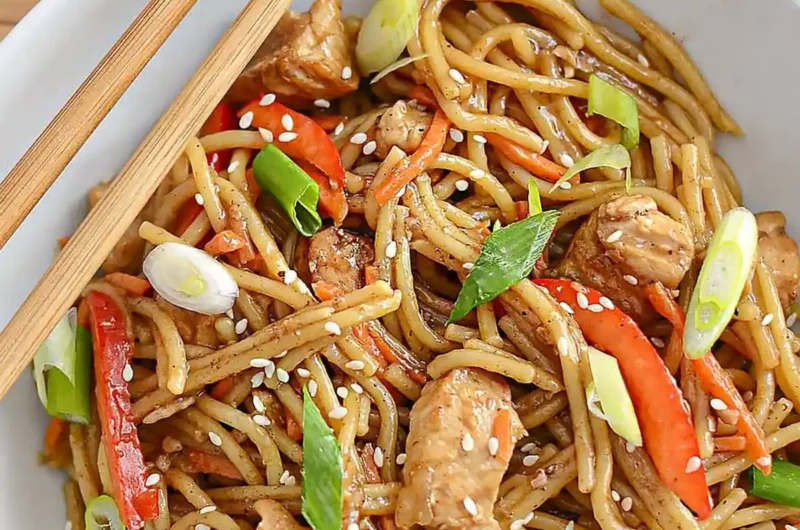
This Instant Pot Chicken Lo Mein is a fast, one-pot meal perfect for busy weeknights. It combines tender chicken and savory noodles in a rich sauce for a quick alternative to takeout.
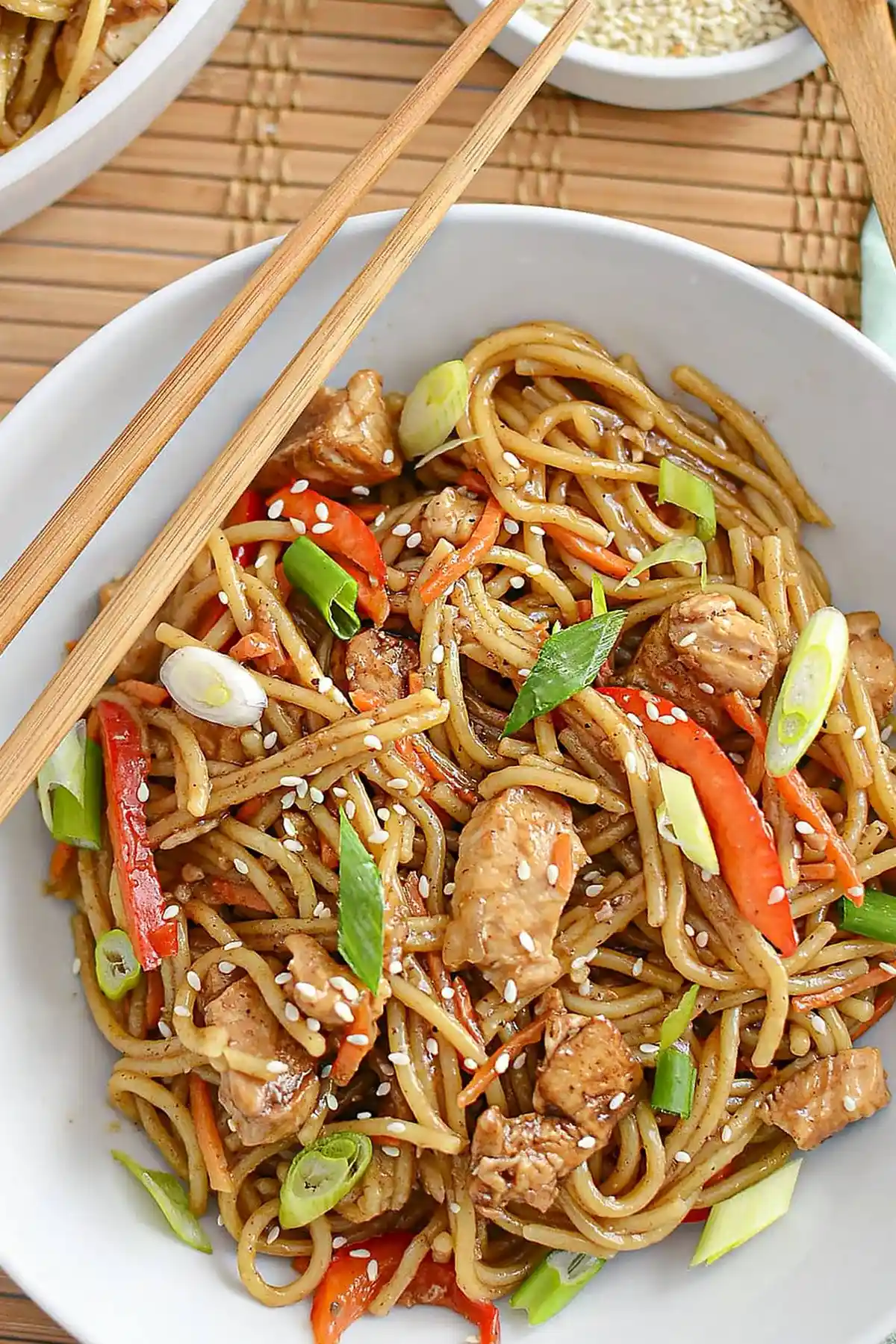
List of ingredients
- 1 tbsp vegetable oil or sesame oil – used for cooking the chicken and adding flavor.
- 1 lb boneless, skinless chicken breasts, diced – you can also use boneless skinless chicken thighs for more tenderness.
- 4 garlic cloves, minced – provides a strong aromatic base for the sauce.
- 2 1/2 cups chicken broth – acts as the primary cooking liquid for the pasta.
- 2 tbsp soy sauce – adds a salty, savory umami profile.
- 2 tbsp hoisin sauce – provides a thick, sweet, and savory element.
- 1 lb spaghetti noodles, broken in half – serves as a practical substitute for traditional lo mein noodles.
- 2 tbsp cornstarch – used to create a thickening slurry for the sauce.
- 2 tbsp water – used to dissolve the cornstarch.
- 1 cup carrots, matchsticks – adds crunch and bright color.
- 1 red pepper, sliced – provides a mild sweetness and visual appeal.
- 1/2 cup green onions, chopped – used as a fresh garnish at the end.
- sesame seeds, optional – adds a nutty finish to the dish.
step-by-step instructions
- Combine Base Ingredients: Add the vegetable oil, diced raw chicken, minced garlic, chicken broth, soy sauce, hoisin sauce, and uncooked spaghetti noodles to your instant pot. Ensure the noodles are as submerged in the liquid as you can get them to prevent clumping.
- Seal the Pot: Place the lid on the Instant Pot and ensure the pressure valve at the top is set to the sealing position.
- Pressure Cook: Set the pot to cook on manual high pressure for 4 minutes. Once the timer ends, perform a quick release of the pressure.
- Prepare Slurry: While the pot is depressurizing, combine the water and cornstarch in a small bowl and stir until smooth.
- Thicken Sauce: Pour the cornstarch mixture into the Instant Pot and stir well to incorporate the sauce and break up any pasta clumps.
- Steam Vegetables: Add the matchstick carrots and sliced red peppers. Place the lid back on the Instant Pot and let the dish rest for about 10 minutes to allow the residual heat to soften the vegetables.
- Final Garnish: Remove the lid and stir in the chopped green onions and sesame seeds.
- Serve: Dish the lo mein into bowls. For additional heat, you can drizzle sriracha sauce on top before serving.
Pressure Cooker Optimization Tips
Ensure Full Noodle Submersion to Avoid Burn Notices
When adding spaghetti to the Instant Pot, avoid layering the noodles in a heap. Push them down into the liquid and arrange them in a crisscross pattern if possible. This ensures the liquid reaches all surfaces and prevents the bottom from scorching, which triggers the burn warning.
Execute a Prompt Quick Release
The timing of the pressure release is critical for the texture of the pasta. Performing a quick release immediately after the 4-minute timer prevents the spaghetti from overcooking. If left to natural release, the noodles may become mushy and lose their structure.
Utilize a Non-Stick Pot Liner
Using a stainless steel or non-stick liner can make the cleanup process significantly easier. It also helps distribute heat more evenly across the bottom of the pot. This reduces the likelihood of the cornstarch or soy sauce sticking to the base during the resting phase.
Maintain Precise Dicing of Chicken
Cut the chicken breasts into uniform 1-inch cubes. Consistent sizing ensures that every piece of meat cooks through at the same rate as the pasta. Overly large chunks may remain undercooked, while very small pieces might become tough.
Customizing Your Lo Mein Ingredients
Using Shrimp or Beef as a Protein Alternative
To use shrimp, stir them in during the 10-minute resting phase so they do not overcook. For beef, use thinly sliced flank steak or sirloin and follow the same pressure cooking time as the chicken. Ensure the meat is cut against the grain for maximum tenderness.
Incorporating Cabbage, Snow Peas, and Broccoli
You can expand the nutrient profile by adding shredded cabbage or snow peas during the resting step. For broccoli, cut the florets into very small pieces so they steam through in 10 minutes. These vegetables add a traditional stir-fry texture to the one-pot meal.
Adjusting the Sweetness with Brown Sugar
If you prefer a sweeter sauce similar to some restaurant versions, stir in one tablespoon of brown sugar. This balances the saltiness of the soy sauce and complements the hoisin. Add the sugar during the cornstarch slurry step for easy integration.
Making a Vegetarian or Vegan Version
Replace the chicken broth with a high-quality vegetable broth and omit the chicken. Use extra-firm tofu cut into one-inch cubes, adding them after the pressure cooking cycle is complete. Stir the tofu in during the resting phase to warm it through without breaking the cubes.
Ingredient Substitutions and Alternatives
Replacing Hoisin Sauce with Oyster Sauce
If hoisin sauce is unavailable, oyster sauce is an excellent substitute as it provides a similar savory depth. While oyster sauce is slightly saltier and less sweet, it maintains the desired viscosity. You may want to add a pinch of sugar to mimic the hoisin flavor profile.
Choosing the Best Pasta Shape
Standard spaghetti is the ideal substitute for lo mein noodles because it holds the sauce well. Linguine or fettuccine also work effectively if you prefer a wider noodle. Avoid using egg noodles or traditional lo mein noodles in the pressure cooker, as they often turn mushy.
Selecting Different Cooking Oils
While vegetable oil is standard, sesame oil adds a distinct toasted aroma common in Asian cuisine. For a middle ground, use vegetable oil for the cooking process and drizzle a teaspoon of toasted sesame oil over the finished dish. This preserves the delicate flavor of the sesame oil.
Using Low-Sodium Soy Sauce Alternatives
To reduce the salt content, use low-sodium soy sauce or coconut aminos. Coconut aminos provide a slightly sweeter taste and are a great option for those avoiding soy. Adjust the amount of added salt in other components if the sauce feels under-seasoned.
Storage and Reheating Guidelines
Refrigerating Leftovers Safely
Allow the lo mein to cool completely before transferring it to an airtight container. Store the dish in the refrigerator for up to five days. Keep the container tightly sealed to prevent the noodles from drying out or absorbing other fridge odors.
Freezing for Long-Term Storage
This meal can be frozen for up to three months. Place portions in freezer-safe bags and press out as much air as possible to prevent freezer burn. Be aware that the vegetables may lose some of their crispness upon thawing.
Reheating to Restore Texture
When reheating in the microwave, add two to three tablespoons of warm water to the noodles. Stir every minute to ensure the heat is distributed evenly and the sauce re-emulsifies. This prevents the spaghetti from becoming clumpy or dry during the heating process.
Troubleshooting Common Lo Mein Issues
Preventing Clumped Spaghetti Noodles
If the noodles clump together after cooking, use a fork or tongs to gently lift and separate them while adding the cornstarch slurry. Stirring vigorously during the thickening phase helps break up the pasta. If they remain clumped, adding a splash of extra broth can help loosen them.
Fixing a Sauce That Is Too Thin
If the sauce does not thicken enough after the resting period, you can simmer the dish on the SAUTE setting for two to three minutes. This evaporates excess moisture and concentrates the flavors. Stir constantly to prevent the bottom from burning during this high-heat phase.
Managing Excess Saltiness
If the final dish tastes too salty, stir in a teaspoon of rice vinegar or a squeeze of fresh lime juice. The acidity cuts through the sodium of the soy and hoisin sauces. Adding extra steamed vegetables can also dilute the salt concentration per bite.
Serving and Presentation Ideas
Adding Spicy Garnishes for Heat
Drizzle sriracha or chili garlic sauce over individual portions for a customizable spice level. For a more traditional touch, add a few slices of fresh red chili or a sprinkle of crushed red pepper flakes. This provides a sharp contrast to the sweet hoisin base.
Pairing with Complementary Side Dishes
Serve the chicken lo mein with a side of steamed edamame or a fresh Asian-style slaw. A simple cucumber salad with rice vinegar and sesame oil also provides a refreshing, cool contrast to the warm, savory noodles. These sides turn the one-pot meal into a complete feast.
Frequently Asked Questions
What is the difference between Lo Mein and Chow Mein?
The primary difference is the cooking method. Lo mein noodles are boiled and then tossed with sauce and ingredients, resulting in a softer texture. Chow mein noodles are typically stir-fried in oil after boiling, giving them a crispier, fried finish.
Can I use frozen vegetables instead of fresh?
Yes, frozen Asian vegetable medleys are a great time-saver. Add them during the 10-minute resting phase just like the fresh carrots and peppers. Since frozen vegetables release more water, you may need to simmer the sauce on SAUTE for an extra minute.
How do I make this without an Instant Pot?
Boil the noodles separately according to package directions. Sauté the chicken and garlic in a pan, then add the vegetables. Once the vegetables are tender, stir in the cooked noodles and the sauce ingredients (excluding the broth), tossing until thickened.
Can I use egg noodles in the pressure cooker?
It is not recommended to use egg noodles or pre-made lo mein noodles in the Instant Pot. These noodles have a higher fat and egg content that causes them to break down and become mushy under high pressure. Stick to dried wheat pastas like spaghetti.
Print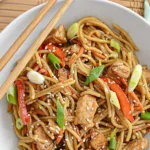
Instant Pot “Better Than Takeout” Chicken Lo Mein
- Total Time: 19 minutes
- Yield: 6 servings 1x
- Diet: General
Description
A quick and easy one-pot dinner featuring tender chicken, savory vegetables, and flavorful noodles, made conveniently in an Instant Pot for a fast weeknight meal.
Ingredients
- 1 tbsp vegetable oil
- 1 lb boneless, skinless chicken breasts, diced
- 4 garlic cloves, minced
- 2 1/2 cups chicken broth
- 2 tbsp soy sauce
- 2 tbsp hoisin sauce
- 1 lb spaghetti noodles, broken in half
- 2 tbsp cornstarch
- 2 tbsp water
- 1 cup carrots, matchsticks
- 1 red pepper, sliced
- 1/2 cup green onions, chopped
- sesame seeds, optional
Instructions
- Step 1: Add the vegetable oil, diced raw chicken, minced garlic, chicken broth, soy sauce, hoisin sauce, and uncooked spaghetti noodles to your instant pot, ensuring noodles are as submerged in the liquid as possible.
- Step 2: Place lid on Instant Pot and ensure valve at top is in sealing position.
- Step 3: Cook manual high pressure for 4 minutes, followed by a quick release.
- Step 4: In a small bowl, combine the water and cornstarch.
- Step 5: Pour mixture into Instant Pot and stir to incorporate and break up pasta.
- Step 6: Add in the carrots and red peppers and place lid back onto Instant Pot to allow to rest for about 10 minutes.
- Step 7: Remove lid and stir in the green onions and sesame seeds.
Notes
Boneless chicken thighs can be used for extra tenderness. To make this vegetarian, replace chicken broth with vegetable broth and substitute chicken with tofu added after the pressure cooking process.
- Prep Time: 5 minutes
- Cook Time: 4 minutes
- Category: Main Course
- Method: Pressure Cooking
- Cuisine: American
Nutrition
- Serving Size: 1 serving
- Calories: 275 kcal
- Sugar: 4 g
- Sodium: 814 mg
- Fat: 5 g
- Saturated Fat: 2 g
- Unsaturated Fat: 3 g
- Trans Fat: 0 g
- Carbohydrates: 33 g
- Fiber: 3 g
- Protein: 22 g
- Cholesterol: 49 mg
Keywords: Instant Pot, Chicken Lo Mein, One Pot Meal, Easy Dinner, Asian-inspired