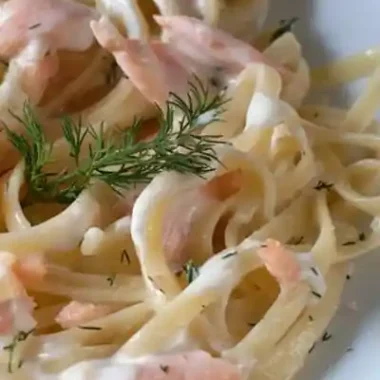
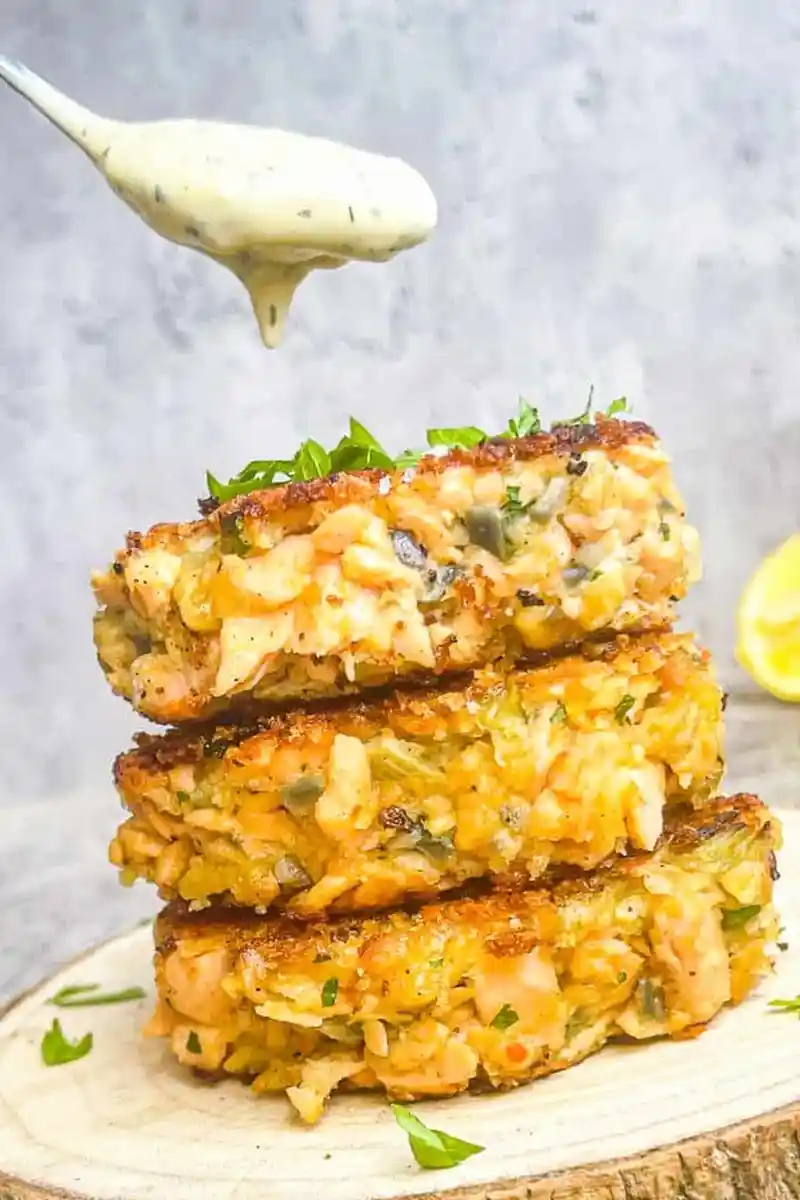
This bright and creamy lemon dill sauce provides a zesty contrast to rich seafood cakes and grilled fish. It takes only five minutes to prepare and serves as a versatile condiment for various seafood applications.
List of ingredients
- 1/2 cup mayonnaise – serves as the rich, creamy base for the sauce.
- 1/4 cup fresh dill (or 1 tablespoon dried dill) – provides a fresh, herby aroma and flavor.
- 2 tablespoons freshly squeezed lemon juice – adds essential acidity and citrus brightness.
- 1 tablespoon Dijon mustard – introduces a sharp tang and helps emulsify the sauce.
- 1 large clove of garlic, grated – adds a savory, pungent depth to the mixture.
- Salt and pepper, to taste – used to balance and enhance the overall flavor profile.
step-by-step instructions
- Combine Ingredients: Place the mayonnaise, dill, lemon juice, Dijon mustard, and grated garlic into a small mixing bowl.
- Mix and Emulsify: Stir the mixture thoroughly until all ingredients are well combined and the sauce is smooth.
- Adjust Seasoning: Taste the sauce and add salt and pepper as needed to suit your preference.
- Garnish and Serve: Plate the sauce or serve it in a ramekin, topping it with additional fresh dill fronds for a professional finish.
Ingredient Substitutions and Alternatives
Replacing Mayonnaise with Greek Yogurt
For a tangier, lower-calorie alternative, use plain Greek yogurt instead of mayonnaise. Since yogurt is naturally more acidic than mayo, replace the lemon juice with one teaspoon of lemon zest to maintain citrus flavor without increasing the tartness.
Using Sour Cream for a Richer Texture
Sour cream can be used as a substitute for mayonnaise to achieve a thicker, more velvety consistency. This version is slightly less tangy than the yogurt alternative but provides a similar creaminess that pairs well with fried seafood.
Substituting Fresh Dill with Other Herbs
If fresh dill is unavailable, fresh parsley or chives can be used to provide a different herbaceous note. Fresh tarragon is also an excellent choice as it has a slight anise flavor that complements salmon and other white fish.
Garlic Powder as a Fresh Garlic Alternative
When fresh garlic is not on hand, garlic powder is the most effective replacement. Use a scant 1/4 teaspoon of garlic powder to replace one large fresh clove, ensuring the powder is whisked in thoroughly to avoid clumps.
Using Onions Instead of Garlic
For those who prefer a milder aromatic, grate a tablespoon of yellow onion into the sauce instead of using garlic. This provides a sweet, savory undertone that does not overpower the delicate flavor of the salmon.
Creating a Tartar-Style Variation
To transform this recipe into a homemade tartar sauce, stir in a few tablespoons of finely chopped dill pickles. This adds a crunch and a vinegary punch that is traditional for fish-based condiments.
Flavor Customization and Enhancements
Adding Heat with Dried Spices
Introduce a spicy kick by adding a pinch of cayenne pepper or red pepper flakes to the mix. This creates a warm contrast to the cool creaminess of the mayonnaise and the brightness of the lemon.
Incorporating Liquid Hot Sauces
A few dashes of Tabasco, Texas Pete, or a Portuguese peri-peri sauce can add complexity and acidity. Start with a few drops and taste frequently to ensure the spice does not mask the flavor of the dill.
Increasing the Citrus Intensity
To amplify the lemon flavor without making the sauce too liquid, add finely grated lemon zest. This captures the aromatic oils of the lemon peel, providing a more concentrated citrus scent and taste.
Adjusting the Tangy Balance
If the sauce feels too heavy, increase the amount of Dijon mustard or add a splash of white wine vinegar. This increases the acidity, which helps cut through the richness of fried salmon patties.
Optimal Seafood Pairings
Serving with Salmon Patties
This sauce is specifically designed to cut through the oil and richness of pan-fried salmon cakes. The lemon juice acts as a palate cleanser, making each bite of the savory patty feel fresh.
Complementing Crab Cakes
The herbaceous notes of the dill and the sharpness of the Dijon mustard make this an ideal topper for crab cakes. It provides a sophisticated alternative to standard cocktail sauce or remoulade.
Enhancing Blackened Fish Sandwiches
When using this sauce on a blackened grouper or tilapia sandwich, it provides a cooling effect. The creaminess balances the intense heat and smokiness of the blackened seasoning.
Pairing with Grilled Salmon Fillets
Spoon the sauce over a seared or grilled salmon fillet to add moisture and brightness. The cold sauce against the hot fish creates a temperature contrast that enhances the dining experience.
Using as a Cold Shrimp Dip
This mixture works exceptionally well as a dipping sauce for chilled poached shrimp. The garlic and lemon profiles are classic pairings for shrimp, providing a clean and refreshing taste.
Topping Baked Fish and Chips
For a twist on traditional fish and chips, ladle this lemon dill sauce over baked white fish. It replaces the need for a separate tartar sauce while adding a modern, herby flavor profile.
Storage and Preservation Tips
Refrigerator Storage Duration
Store the sauce in the refrigerator for up to six days. Because it contains mayonnaise and fresh aromatics, it must be kept chilled to maintain food safety and flavor integrity.
Selecting the Right Storage Container
Transfer the sauce to an airtight glass jar or cover a bowl tightly with plastic wrap. This prevents the sauce from absorbing other odors in the fridge and stops the surface from drying out.
Identifying Signs of Spoilage
Check the sauce for any discoloration or a sour, fermented smell before using it. If the sauce separates significantly or changes color, it should be discarded.
Professional Preparation Tips
Chilling for Flavor Development
While this sauce can be eaten immediately, letting it chill in the fridge for 30 minutes allows the garlic and dill to infuse into the mayonnaise. This results in a more cohesive and rounded flavor.
Using a Microplane for Garlic
Use a microplane or a fine zester to grate the garlic clove directly into the bowl. This creates a paste-like consistency that distributes evenly, avoiding large, raw chunks of garlic in the final sauce.
Techniques for Garnishing
To make the presentation more appealing, use only the delicate fronds of the dill for the final garnish. Place them centrally on top of the sauce or scatter them around the rim of the serving bowl.
Converting Sauce to a Salad Dressing
This recipe can be used as a dressing for a chilled seafood salad. Simply flake cooked salmon into a bowl with mixed greens and drizzle this sauce over the top, thinning it with a teaspoon of water if needed.
Frequently Asked Questions
Can I freeze this sauce?
No, this sauce should not be frozen. The mayonnaise base is an emulsion that will break during the freezing and thawing process, resulting in a separated, oily texture.
Is it possible to make this vegan?
Yes, you can make this sauce vegan by substituting the mayonnaise with a plant-based, vegan-certified mayonnaise. All other ingredients are naturally vegan, so the flavor profile will remain almost identical.
How do I fix a sauce that is too tart?
If the lemon juice makes the sauce too acidic, stir in an additional tablespoon of mayonnaise. A tiny pinch of sugar or a drop of honey can also neutralize excessive tartness without making the sauce sweet.
Can I use bottled lemon juice instead of fresh?
Bottled lemon juice can be used in a pinch, but fresh juice is highly recommended. Freshly squeezed lemon provides a bright, clean acidity that bottled concentrates often lack.
Why is my sauce too thin?
If the sauce is too runny, it is likely due to too much lemon juice or a low-viscosity mayonnaise. You can thicken it by adding a small amount of Greek yogurt or a bit more mayonnaise until the desired consistency is reached.
Print
Creamy Lemon Dill Salmon Patty Sauce
- Total Time: 5 minutes
- Yield: 4–6 servings 1x
- Diet: General
Description
Creamy, lemony and herbaceous – this is the sauce you want to keep on hand for all your seafood dipping, topping and spreading needs.
Ingredients
- 1/2 cup mayonnaise
- 1/4 cup fresh dill (or 1 tablespoon dried dill)
- 2 tablespoons freshly squeezed lemon juice
- 1 tablespoon Dijon mustard
- 1 large clove of garlic, grated
- Salt and pepper, to taste
Instructions
- Step 1: Combine all ingredients in a small bowl. Mix well and taste test. Adjust seasoning.
- Step 2: Serve with additional fresh dill fronds as garnish.
Notes
This is the perfect sauce for so many kinds of seafood, including salmon patties, blackened fish sandwiches and simple grilled salmon!
- Prep Time: 5 minutes
- Cook Time: 0 minutes
- Category: Sauce
- Method: No cook
- Cuisine: American
Nutrition
- Serving Size: 2 tablespoons
- Calories: 130 kcal
- Sugar: 1 g
- Sodium: 110 mg
- Fat: 13 g
- Saturated Fat: 2 g
- Unsaturated Fat: 11 g
- Trans Fat: 0 g
- Carbohydrates: 2 g
- Fiber: 0 g
- Protein: 1 g
- Cholesterol: 15 mg
Keywords: salmon patty sauce, lemon dill sauce, seafood sauce, creamy dipping sauce