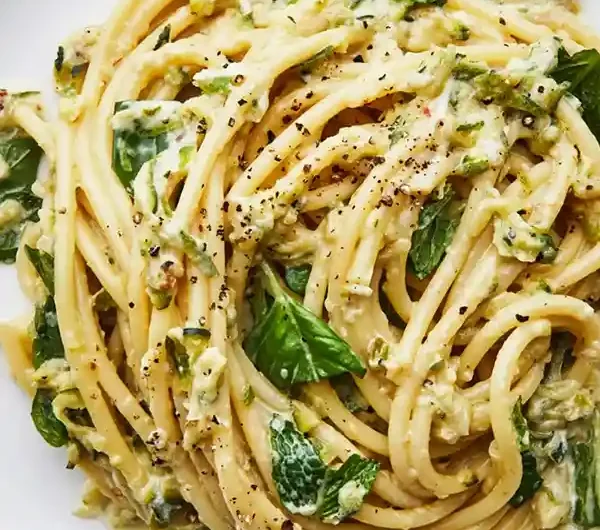
This recipe transforms fresh zucchini into a rich, jammy sauce that clings perfectly to long noodles. It is a practical way to utilize seasonal squash while achieving a creamy texture without relying solely on heavy fats.
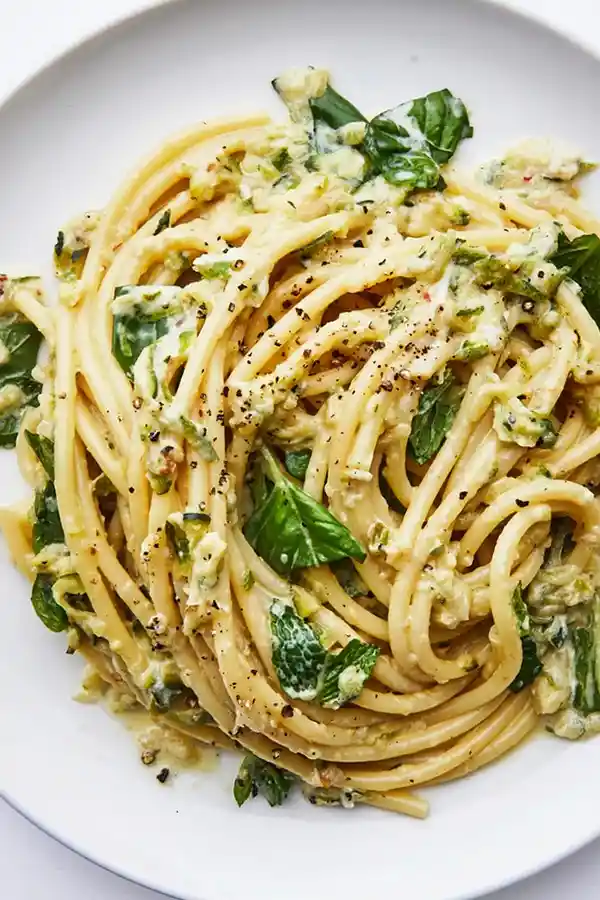
List of ingredients
- 2 lb. zucchini or summer squash (4–6 medium zucchini) – grated to create the sauce base.
- 1 large shallot or ½ small onion – finely grated for aromatic depth.
- 4 large garlic cloves – grated on small holes for a smooth distribution.
- 3 Tbsp. extra-virgin olive oil – used for sautéing and caramelizing.
- ¼ tsp. crushed red pepper flakes – adds a subtle heat.
- 2 tsp. Diamond Crystal or 1¼ tsp. Morton kosher salt – for seasoning.
- Freshly ground black pepper – to taste.
- 12 oz. spaghetti, linguine, bucatini, or other long pasta – the vehicle for the sauce.
- 1 lemon – used for fresh juice to brighten the dish.
- ½ oz. Parmesan (microbial-rennet) – plus more for serving.
- ½ cup (lightly packed) basil or mint leaves (or a combination) – for fresh herbal notes.
- ½ cup heavy cream – creates the final creamy emulsion.
step-by-step instructions
- Prepare water: Bring a large pot of water to a boil and salt it heavily.
- Grate vegetables: Place a clean kitchen towel in a large bowl or on a cutting board. Trim the zucchini and grate it using the large holes of a box grater into the towel. Peel the shallot and grate it into the towel using the large holes. Peel the garlic cloves and grate them into the towel using the small holes.
- Extract moisture: Gather the ends of the towel and squeeze firmly over a bowl or sink to remove as much liquid as possible. Discard the extracted zucchini liquid.
- Sauté aromatics: Heat 3 Tbsp. olive oil in a medium Dutch oven or large skillet over medium-high heat. Add ¼ tsp. red pepper flakes and stir for about 30 seconds until fragrant.
- Caramelize zucchini: Add the squeezed zucchini mixture and 2 tsp. Diamond Crystal (or 1¼ tsp. Morton) salt to the pot. Season with freshly ground black pepper and stir to coat. Cook, stirring occasionally, for 15–20 minutes until the mixture becomes jammy and thick.
- Cook pasta: When the zucchini has cooked for 5–10 minutes, add 12 oz. of long pasta to the boiling water and cook until al dente.
- Prepare finishing touches: Juice one lemon into a small bowl. Grate ½ oz. of Parmesan cheese. Coarsely chop or tear ½ cup of basil or mint leaves.
- Emulsify sauce: Reserve 2 cups of pasta cooking water. Transfer the cooked pasta to the zucchini pot using tongs. Reduce heat to medium-low, then stir in ½ cup of pasta water and ½ cup of heavy cream.
- Thicken and bind: Add the grated cheese and another ½ cup of pasta water. Stir vigorously for 2–3 minutes, adding more pasta water if necessary, until a creamy sauce forms.
- Final seasoning: Remove the pot from heat and stir in 2 Tbsp. of lemon juice. Taste and adjust with additional salt, black pepper, or another 1 Tbsp. of lemon juice. Stir in most of the chopped herbs.
- Serve: Plate the pasta and top with additional grated Parmesan and the remaining herbs.
Optimizing Zucchini Preparation
Extracting Maximum Moisture from Zucchini
Squeezing the grated zucchini in a kitchen towel is the most critical step to prevent a watery sauce. Removing the excess liquid allows the vegetables to sauté and caramelize rather than steam. This ensures the final texture is jammy and concentrated.
Using the Correct Grater Holes
Use the large holes for zucchini and shallots to ensure they break down into a consistent paste during cooking. The small holes are reserved for garlic to prevent large chunks of raw garlic from remaining in the sauce. This creates a uniform texture throughout the dish.
Selecting the Right Summer Squash
Firm, medium-sized zucchini are preferable as they often contain less water than oversized squash. If using summer squash, the process remains identical, though the flavor is slightly milder. Ensure the skin is bright green or yellow to maintain visual appeal.
Handling Shallots for Better Flavor
Grating the shallot directly into the towel ensures it integrates fully with the zucchini. This method prevents the shallots from burning independently in the oil. It allows them to soften and sweeten as part of the vegetable paste.
Mastering the Sauté Process
Blooming Red Pepper Flakes in Oil
Adding the red pepper flakes to the hot oil before the vegetables releases the fat-soluble flavors of the spice. This distributes the heat evenly throughout the entire sauce. Stirring for 30 seconds prevents the flakes from scorching.
Achieving a Jammy Consistency
Cook the zucchini mixture for the full 15 to 20 minutes, even if it seems done earlier. The goal is for the moisture to evaporate and the sugars to caramelize. The mixture should start to stick slightly to the bottom of the pan to indicate deep flavor development.
Managing Heat Levels
Keep the heat at medium-high during the initial caramelization phase to drive off moisture. Once the pasta and cream are added, immediately drop the heat to medium-low. This prevents the cream from separating or the cheese from clumping.
Timing the Pasta Boil
Start boiling the pasta only after the zucchini has had about 5 to 10 minutes of cook time. This ensures the pasta is finished at the exact moment the zucchini paste is ready. Cooking the pasta al dente prevents it from becoming mushy during the final emulsion phase.
Sauce Emulsification Techniques
The Role of Pasta Cooking Water
Pasta water contains starch released from the noodles, which acts as a binding agent. Adding this water gradually helps the heavy cream and Parmesan create a cohesive emulsion. Without it, the sauce may split or remain too thin.
Incorporating Heavy Cream Correctly
Stir the cream in over medium-low heat to ensure it integrates smoothly with the zucchini paste. Avoid boiling the sauce once the cream is added to maintain a velvety texture. Vigorous stirring with tongs helps incorporate air and starch for a glossier finish.
Integrating Parmesan Cheese
Add the finely grated cheese toward the end of the cooking process. Stirring vigorously ensures the cheese melts into the sauce rather than forming strings. Using a fine grater allows the cheese to dissolve more quickly into the emulsion.
Preventing Sauce Separation
If the sauce looks broken or greasy, add a small splash of additional pasta water and whisk quickly. The starch in the water helps re-bind the fats from the cream and cheese. Keeping the heat low prevents the dairy from curdling.
Final Flavor Balancing
Preserving Lemon Brightness
Stir the lemon juice in only after removing the pan from the heat. High heat can dull the fresh, volatile citrus notes of the lemon. Adding it at the end ensures a sharp, bright acidity that cuts through the richness of the cream.
Adding Fresh Herbs at the End
Basil and mint are delicate herbs that lose their flavor and color when cooked too long. Stirring them in at the final stage preserves their aromatic properties. Using a combination of both adds a complex, refreshing layer to the dish.
Adjusting Salt and Pepper
Taste the pasta once the sauce is fully emulsified before adding final seasonings. The Parmesan cheese adds significant salt, so additional salt should be added cautiously. Freshly ground black pepper adds a necessary pungent contrast to the sweet zucchini.
Using Different Herb Combinations
While basil and mint are traditional, flat-leaf parsley can provide a cleaner, more neutral finish. A small amount of chervil can add a slight anise note that complements the lemon. Always chop herbs coarsely to maintain some texture.
Ingredient Substitutions and Variations
Substituting Heavy Cream for Dairy-Free Options
To make this recipe plant-based, replace the heavy cream with full-fat coconut milk or a cashew cream. Cashew cream is made by blending soaked cashews with water and a pinch of salt. This provides a similar thickness and neutrality to dairy cream.
Using Alternative Long Pastas
While spaghetti is standard, bucatini provides a hollow center that captures more sauce. Linguine offers a wider surface area for the zucchini paste to cling to. Ensure the pasta is long to match the shred-like texture of the zucchini.
Replacing Parmesan with Vegan Alternatives
Nutritional yeast or a store-bought vegan Parmesan alternative can be used for a dairy-free version. For a more traditional salty punch, use a small amount of miso paste stirred into the pasta water. This replicates the umami flavor of aged cheese.
Using Onion Instead of Shallots
If shallots are unavailable, a small yellow or white onion can be used. Finely grate the onion to ensure it doesn’t create large chunks in the sauce. Onions are slightly more pungent, so you may want to sauté them for an extra minute.
Adding Complementary Ingredients
Integrating Fresh Peas or Spinach
Stir in a handful of frozen peas or fresh baby spinach during the last 2 minutes of sauce emulsification. The residual heat will cook the greens without making them mushy. This adds more color and nutritional value to the meal.
Adding Halved Cherry Tomatoes
Fold in halved cherry tomatoes at the very end for a burst of acidity and color. The raw tomatoes provide a fresh contrast to the cooked zucchini paste. Sauté them briefly if you prefer a softer texture.
Pairing with Grilled Shrimp
Grilled shrimp seasoned with lemon and garlic complement the flavors of this pasta. Place the shrimp on top of the plated pasta to keep them succulent. The sweetness of the shrimp balances the acidity of the lemon.
Combining with Pan-Seared Chicken
Sliced chicken breast seasoned with salt and pepper is a practical protein addition. Sear the chicken separately in a skillet to ensure it gets a golden brown crust. Serve the chicken alongside or on top of the zucchini noodles.
Storage and Reheating Advice
Storing Leftovers in the Fridge
Store the pasta in an airtight container in the refrigerator for up to three days. The sauce may thicken significantly as it cools due to the starch and cheese. To prevent the pasta from drying out, press a piece of parchment paper directly onto the surface.
The Best Method for Reheating
Reheat the pasta in a skillet over medium heat rather than in a microwave. Add a splash of water or a teaspoon of cream to loosen the sauce. Stir gently to avoid breaking the noodles while the sauce returns to a creamy state.
Microwaving Leftover Pasta
If using a microwave, add a tablespoon of water and cover the dish with a damp paper towel. Heat in 30-second intervals, stirring in between. This helps steam the pasta and prevents the edges from becoming hard.
Freezing Considerations
This dish is not recommended for freezing due to the heavy cream and zucchini content. The cream may separate upon thawing, and the zucchini can become watery. For best results, consume the pasta within a few days of preparation.
Troubleshooting and FAQs
Why is my sauce too thin?
A thin sauce usually results from not squeezing enough water out of the zucchini or adding too much pasta water. To thicken it, simmer the sauce for an extra two minutes without the lid. Stirring vigorously also helps the starch and fats bind more tightly.
How do I prevent the garlic from burning?
Ensure the garlic is finely grated and added along with the zucchini mixture rather than sautéing it alone for too long. The moisture from the zucchini protects the garlic from overheating. Keep the pan stirring constantly during the initial phase.
Can I use frozen zucchini?
Frozen zucchini is not recommended because it releases excessive water and loses its structural integrity. This would make it impossible to achieve the jammy, caramelized texture required for the sauce. Always use fresh squash for this specific method.
What if I don’t have a box grater?
A food processor can be used to pulse the zucchini and shallots into small pieces. However, be careful not to over-process them into a puree. You will still need to use a towel to squeeze out the excess moisture.
How to stop the cream from curdling?
Curdling happens when dairy is exposed to high heat or strong acids too quickly. Always lower the heat before adding the cream and add the lemon juice only after the pan is removed from the heat. This preserves the stability of the emulsion.
Why did my zucchini not turn jammy?
If the zucchini remains watery, the heat may be too low or the pan may be overcrowded. Ensure you are using a wide skillet or Dutch oven to allow moisture to evaporate. Continue cooking until the zucchini sticks slightly to the pan.
Print
Creamy Lemon Zucchini Pasta
- Total Time: 35 minutes
- Yield: 4 servings 1x
- Diet: Vegetarian
Description
This creamy summer zucchini pasta recipe tastes like Italy in summer. The pesto-ish caramelized zucchini mixture is also a great spread for toast.
Ingredients
- 2 lb. zucchini or summer squash (4–6 medium zucchini)
- 1 large shallot or ½ small onion
- 4 large garlic cloves
- 3 Tbsp. extra-virgin olive oil
- ¼ tsp. crushed red pepper flakes
- 2 tsp. kosher salt
- Freshly ground black pepper
- 12 oz. spaghetti, linguine, bucatini, or other long pasta
- 1 lemon
- ½ oz. Parmesan cheese (microbial-rennet), plus more for serving
- ½ cup (lightly packed) basil or mint leaves (or a combination!)
- ½ cup heavy cream
Instructions
- Step 1: Bring a large pot of water to a boil and salt heavily.
- Step 2: Trim 2 lb. zucchini or summer squash, then grate on the large holes of a box grater directly into a clean kitchen towel. Peel 1 large shallot and grate on the large holes into towel. Peel 4 large garlic cloves and grate on the small holes into towel.
- Step 3: Gather ends of towel together, then squeeze over bowl or the sink to extract water from the zucchini until it’s hard to get out any more liquid.
- Step 4: Heat 3 Tbsp. extra-virgin olive oil in a medium Dutch oven or very large skillet over medium-high. Add ¼ tsp. crushed red pepper flakes and cook, stirring, until fragrant, about 30 seconds. Add zucchini mixture, 2 tsp. kosher salt, and freshly ground black pepper. Cook, stirring occasionally, until zucchini mixture is jammy, thick, and starting to stick to bottom of pot, 15–20 minutes.
- Step 5: When the zucchini has been cooking 5–10 minutes, add 12 oz. pasta to pot of boiling water and cook until al dente.
- Step 6: Juice 1 lemon into a small bowl. Grate ½ oz. Parmesan on the small holes of grater. Very coarsely tear or chop ½ cup basil or mint leaves.
- Step 7: Scoop out 2 cups pasta cooking water and set aside. Using tongs, transfer pasta to pot with zucchini. Reduce heat to medium-low, add ½ cup pasta cooking liquid and ½ cup heavy cream, and stir to combine. Add cheese, pour another ½ cup pasta cooking liquid over top, and cook, stirring vigorously, until a creamy sauce that coats pasta forms, 2–3 minutes.
- Step 8: Remove pasta from heat and stir in 2 Tbsp. lemon juice. Taste and season with more salt and black pepper and add more lemon juice if needed. Stir in most of the herbs.
- Step 9: Serve pasta topped with more grated Parmesan and remaining herbs.
Notes
The caramelized zucchini mixture can also be used as a spread for toast or stirred into scrambled eggs.
- Prep Time: 10 minutes
- Cook Time: 25 minutes
- Category: Dinner
- Method: Sauté
- Cuisine: Italian
Nutrition
- Serving Size: 1 serving
- Calories: 615 kcal
- Sugar: 8 g
- Sodium: 800 mg
- Fat: 25 g
- Saturated Fat: 12 g
- Unsaturated Fat: 13 g
- Trans Fat: 0 g
- Carbohydrates: 60 g
- Fiber: 6 g
- Protein: 18 g
- Cholesterol: 60 mg
Keywords: creamy lemon zucchini pasta, summer squash pasta, Italian dinner, vegetarian pasta