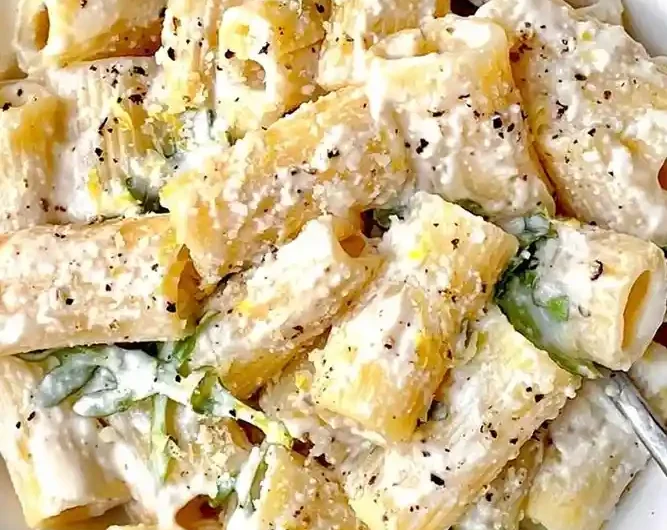
This quick and creamy pasta dish combines bright citrus notes with rich ricotta for a refreshing meal. It is a perfect one-pot solution for a fast weeknight dinner that feels sophisticated yet simple.
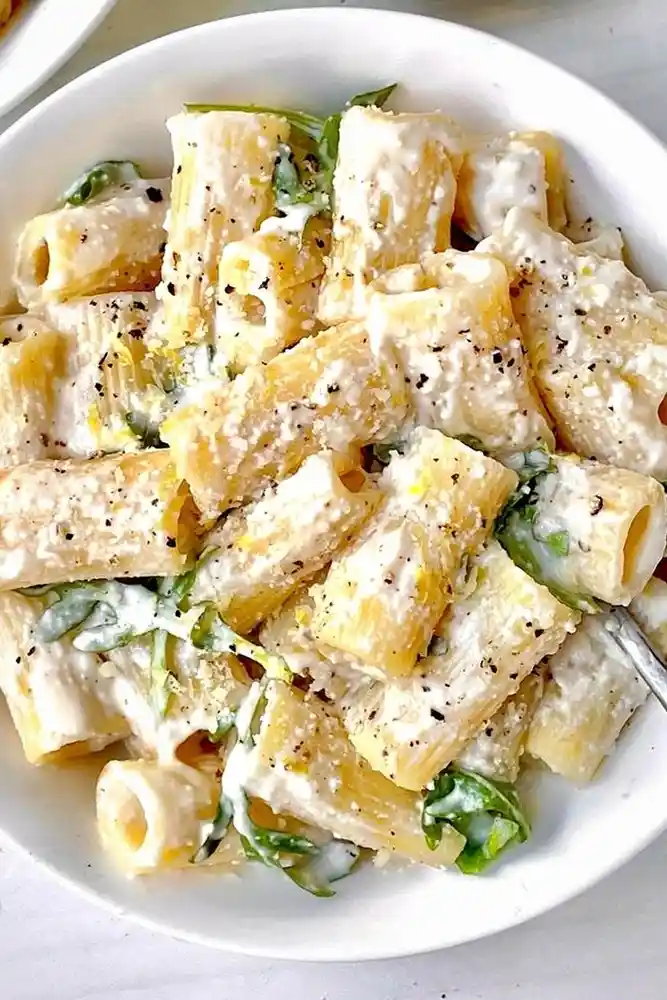
List of ingredients
- 1 cup Rigatoni, or your favorite short pasta – ensures a hearty texture.
- 1 cup whole-milk ricotta – provides the creamy base for the sauce.
- 1 cup fresh grated parmesan, plus more for serving – adds a salty, nutty depth.
- 1 tablespoon grated lemon zest – brings intense citrus aroma.
- 1/4 cup lemon juice – provides a bright, acidic balance.
- 2 cups arugula – adds a peppery freshness to the finish.
- Chili flakes, to taste – introduces a subtle heat.
- Handful basil leaves – adds aromatic herbal notes.
step-by-step instructions
- Boil Pasta: Cook pasta according to package directions until al dente, reserving 1 cup of the cooking water; drain pasta.
- Create Sauce Base: Make the sauce in the same pot: add ricotta, parmesan, lemon zest and juice, salt and pepper to taste and stir well.
- Emulsify: Stir in 1/2 cup pasta water until smooth.
- Combine: Add pasta and stir vigorously until pasta is well coated. continue adding pasta water as needed, until smooth.
- Finish and Garnish: Stir in the arugula and serve immediately topped with remaining sauce from pan, extra parmesan, red-pepper flakes, and torn basil.
Professional Pasta Preparation Tips
The Importance of Al Dente Texture
Cooking the rigatoni until it is al dente ensures the pasta retains a slight bite and does not become mushy. Since the pasta is stirred into the sauce at the end, any overcooking during the boiling phase will result in a loss of structure. Always test the pasta a minute before the package suggests.
Maximizing Starch in Pasta Water
The reserved pasta water is essential for creating a silky emulsion between the ricotta and the pasta. The starch released from the noodles acts as a binding agent, preventing the sauce from separating. Using this water instead of plain water ensures the sauce clings perfectly to each piece of rigatoni.
Proper Lemon Zesting Techniques
Use a microplane or a fine grater to obtain only the yellow part of the lemon skin. Avoid grating into the white pith, as this contains a bitter flavor that can overpower the creamy ricotta. Zesting the lemon fresh right before adding it to the pot preserves the volatile oils and maximizes aroma.
Managing Heat to Avoid Ricotta Separation
Ricotta can separate if exposed to excessive heat for too long. To maintain a smooth texture, mix the cheese ingredients into the pot after the pasta has been drained and the heat is low. Stirring vigorously helps emulsify the fats and liquids into a cohesive, creamy sauce without curdling.
Ingredient Alternatives and Customizations
Replacing Rigatoni with Other Short Pasta
While rigatoni is ideal for trapping sauce inside the tubes, other shapes work equally well. Penne is a great substitute for a similar mouthfeel, while fusilli or rotini offer more surface area for the sauce to adhere to. Ensure the pasta size is consistent to maintain even cooking times across the batch.
Using Baby Spinach Instead of Arugula
If you prefer a milder flavor, baby spinach is an excellent alternative to arugula. Spinach will wilt faster and provides a sweeter, earthier taste compared to the peppery punch of arugula. Stir it in at the very end just as the arugula is used to keep the color vibrant.
Substituting Parmesan with Pecorino Romano
For a saltier and more pungent flavor profile, you can replace the parmesan with Pecorino Romano. Ensure you use a version made with microbial rennet to keep the ingredients clean. Because Pecorino is saltier, you may want to reduce the additional salt added during the sauce-making step.
Creating a Vegan Ricotta Alternative
You can make this recipe plant-based by substituting the dairy ricotta with a blend of soaked cashews, lemon juice, and nutritional yeast. Blend these ingredients until smooth before adding them to the pot. Use a vegan parmesan alternative or toasted breadcrumbs for the salty finish.
Adjusting Lemon Acidity for Preference
Depending on the size and juiciness of your lemons, the 1/4 cup of juice may be too tart for some. Start with two tablespoons and taste the sauce before adding the rest. You can balance excess acidity by adding a small pinch of sugar or a bit more parmesan cheese.
Adding Garlic for Extra Depth
While the original recipe relies on citrus, adding minced garlic can provide a savory foundation. Sauté a clove of garlic in a tiny bit of oil in the pot before adding the ricotta and other sauce ingredients. This adds a layer of aromatic warmth that complements the brightness of the lemon.
Serving and Pairing Recommendations
Adding Pan-Seared Shrimp for Protein
To turn this into a heartier meal, top the pasta with pan-seared shrimp. Season the shrimp with salt, pepper, and a pinch of paprika before searing them in a separate skillet. Place the shrimp on top of each serving just before bringing the dish to the table.
Incorporating Roasted Chickpeas for Texture
For a vegetarian protein boost and an added crunch, serve the pasta with roasted chickpeas. Toss canned chickpeas with olive oil and smoked paprika, then roast at 400 degrees Fahrenheit until crisp. Sprinkle them over the finished dish for a contrasting texture to the creamy sauce.
Pairing with a Crisp Green Salad
A light side salad helps cut through the richness of the ricotta and parmesan. Use a mix of romaine and radicchio with a simple vinaigrette of olive oil, apple cider vinegar, and honey. This provides a refreshing counterpoint to the creamy, savory pasta.
Serving with Garlic Toasted Baguette
Serve the rigatoni alongside slices of toasted baguette rubbed with raw garlic and brushed with olive oil. The crunchy bread is perfect for scooping up any remaining lemon ricotta sauce left on the plate. Toast the bread until golden brown for the best result.
Storage and Preservation Methods
Refrigeration Guidelines for Creamy Pasta
Store any leftovers in an airtight container in the refrigerator for up to three to four days. Keep the container tightly sealed to prevent the pasta from absorbing other fridge odors. The sauce may thicken significantly as it cools, which is normal for ricotta-based dishes.
Best Practices for Reheating
When reheating, avoid the microwave if possible as it can cause the ricotta to break and become grainy. Instead, heat the pasta in a skillet over medium-low heat. Add a splash of water or milk to loosen the sauce and restore its original creamy consistency.
Avoiding Freezer Burn with Ricotta Dishes
Ricotta cheese does not freeze and thaw well, often resulting in a watery or grainy texture. It is recommended to eat this dish fresh or refrigerated rather than freezing it. If you must freeze it, be aware that the sauce will likely separate upon reheating.
Reviving the Sauce Texture After Cooling
If the sauce appears clumped after refrigeration, stir in a tablespoon of warm water before heating. This helps re-emulsify the fats in the cheese and lemon juice. Stir gently to avoid breaking the pasta noodles while the sauce returns to a smooth state.
Troubleshooting Common Issues
Fixing a Sauce That Is Too Thick
If the sauce feels too heavy or sticky, gradually stir in more of the reserved pasta water one tablespoon at a time. The starch in the water thins the sauce while keeping it creamy. Continue adding water until the rigatoni is coated in a smooth, flowing glaze.
Correcting Overly Sour Lemon Flavor
If the lemon juice makes the dish too tart, add an extra tablespoon of ricotta or a pinch of parmesan. The fats in the cheese neutralize the acidity of the citric acid. Adding a small amount of butter can also mellow out the sharp citrus notes.
Preventing Grainy Ricotta Texture
Graininess usually occurs when ricotta is boiled or overheated. Ensure the pot is not on a high flame when mixing the sauce. Stirring the ricotta with the pasta water first before adding the pasta helps create a more uniform emulsion.
Stopping Arugula from Overcooking
Arugula wilts almost instantly when it hits hot pasta. To prevent it from becoming slimy, stir it in at the very last second before plating. The residual heat from the pasta is enough to soften the leaves without destroying their structure.
Balancing Excessive Saltiness
Since parmesan is naturally salty, it is easy to over-salt the dish. If the final result is too salty, stir in a small amount of unsalted ricotta or a splash of heavy cream. This dilutes the salt concentration without altering the fundamental flavor of the recipe.
Frequently Asked Questions
Can I use low-fat ricotta?
You can use low-fat ricotta, but the sauce will be less creamy and may have a slightly different mouthfeel. Whole-milk ricotta is recommended for the best emulsion and richness, which balances the acidity of the lemon juice.
Should I salt the pasta water?
Yes, salt the pasta water generously. This is the only chance to season the pasta noodles themselves. However, be mindful of this when adding extra salt to the sauce later to avoid over-salting the final dish.
Which lemon is best for this recipe?
Use organic lemons with a thin, bright yellow skin. Thin-skinned lemons are generally juicier and have a more fragrant zest. Avoid lemons with thick, bumpy skins as they often have a more bitter pith.
Can I add cream to the sauce?
While the ricotta provides plenty of creaminess, adding a tablespoon of heavy cream can make the sauce even more luxurious. This is particularly helpful if you are using a lower-fat ricotta and want to restore the richness.
Is this recipe suitable for meal prep?
This dish is best served fresh, but it can be used for meal prep for 2-3 days. To keep it fresh, undercook the pasta slightly more than usual so it doesn’t overcook during the reheating process.
Print
Creamy One-Pot Lemon Ricotta Rigatoni
- Total Time: 45 minutes
- Yield: 1 recipe 1x
- Diet: Vegetarian
Description
Light and creamy lemon ricotta rigatoni! This one-pot pasta is as fresh as it is fast and filling, making it a perfect choice for meatless Monday or any-day noodle night.
Ingredients
- 1 cup Rigatoni, or your favorite short pasta
- 1 cup whole-milk ricotta
- 1 cup fresh grated parmesan (microbial rennet)
- 1 tablespoon grated lemon zest
- 1/4 cup lemon juice
- 2 cups arugula
- Chili flakes, to taste
- Handful basil leaves
Instructions
- Cook: Cook pasta according to package directions until al dente, reserving 1 cup of the cooking water; drain pasta.
- Make Sauce: Make the sauce in the same pot: add ricotta, parmesan, lemon zest and juice, salt and pepper to taste and stir well.
- Thin: Stir in 1/2 cup pasta water until smooth.
- Combine: Add pasta and stir vigorously until pasta is well coated. continue adding pasta water as needed, until smooth.
- Finish: Stir in the arugula and serve immediately topped with remaining sauce from pan, extra parmesan, red-pepper flakes, and torn basil.
Notes
Ensure you use a microbial-rennet parmesan to keep the recipe plant-friendly and clean.
- Prep Time: 30 minutes
- Cook Time: 15 minutes
- Category: appetizer
- Method: Stovetop
- Cuisine: American
Nutrition
- Serving Size: 1 serving
- Calories: 1150 kcal
- Sugar: 14 g
- Sodium: 1600 mg
- Fat: 68 g
- Saturated Fat: 36 g
- Unsaturated Fat: 32 g
- Trans Fat: 0 g
- Carbohydrates: 85 g
- Fiber: 8 g
- Protein: 62 g
- Cholesterol: 180 mg
Keywords: one-pot pasta, lemon ricotta rigatoni, meatless monday, creamy pasta