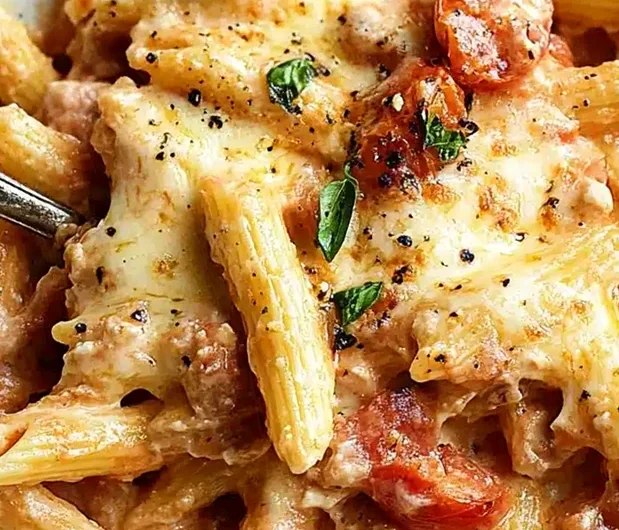
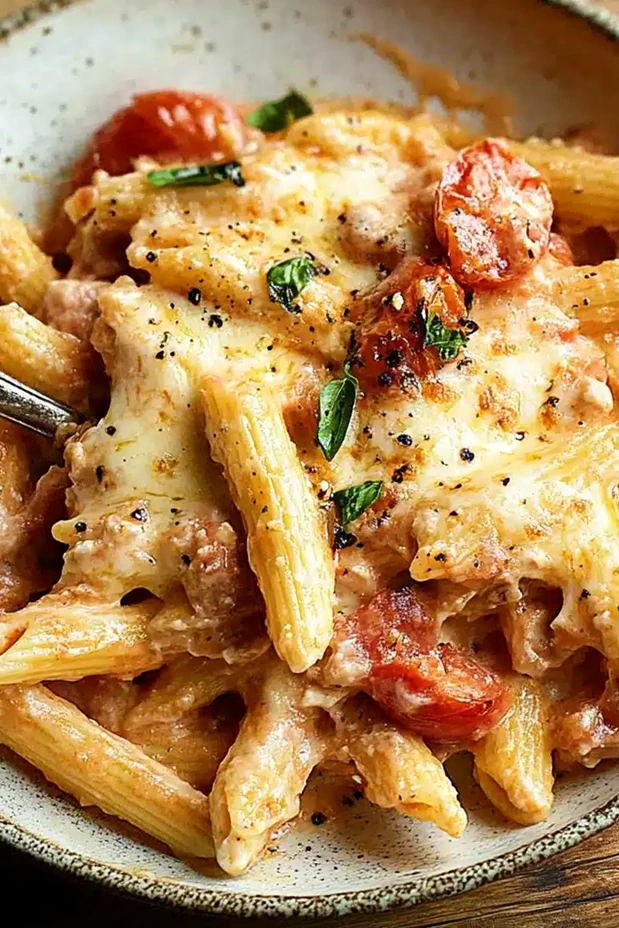
This creamy tomato ricotta pasta is a fast, satisfying meal that pairs fresh produce with a rich, velvety cheese sauce. It takes only 15 minutes from start to finish, making it a practical choice for healthy weeknight dinners.
List of ingredients
- 12 ounces pasta (penne, rigatoni, or spaghetti) – choose a shape that holds sauce well.
- 2 tablespoons olive oil – used for sautéing the aromatics.
- 3 cloves garlic, minced – provides a sharp, savory base.
- 2 cups cherry tomatoes, halved – these burst to create a natural sauce.
- ½ teaspoon red pepper flakes (optional) – adds a subtle heat.
- 1 teaspoon Italian seasoning – a blend of herbs for authentic flavor.
- 1 cup ricotta cheese (whole milk) – creates the creamy body of the dish.
- ½ cup pasta water (reserved) – essential for emulsifying the sauce.
- ½ cup fresh basil, chopped – adds a fresh, peppery finish.
- ½ cup Parmesan cheese, grated – adds saltiness and depth.
- Salt and black pepper to taste – for fundamental seasoning.
- 1 cup shrimp (optional) – for a protein-rich variation.
- 1 cup zucchini, diced (optional) – for added vegetable nutrition.
- 1 cup broccoli florets (optional) – for a textural contrast.
- ½ cup fresh mozzarella, torn (optional) – for additional melted cheese.
step-by-step instructions
- Cook the Pasta: Bring a large pot of salted water to a boil. Cook the pasta according to the package directions until it reaches an al dente texture. Reserve ½ cup of the starchy pasta water, then drain the pasta and set it aside.
- Sauté the Tomatoes: Heat olive oil in a large skillet over medium heat. Add the minced garlic and sauté for about 30 seconds until it becomes fragrant. Add the cherry tomatoes, red pepper flakes, Italian seasoning, salt, and black pepper. Cook for 5 minutes, stirring occasionally, until the tomatoes soften and release their juices.
- Make the Ricotta Sauce: Reduce the skillet heat to low. Stir in the ricotta cheese and the reserved pasta water, mixing continuously until the sauce is smooth and creamy. The starchy water helps bind the cheese to the oil and tomato juices.
- Toss the Pasta: Add the cooked pasta to the skillet and toss gently to ensure every piece is coated in the sauce. Stir in the grated Parmesan cheese and chopped fresh basil, then immediately remove the skillet from the heat.
- Serve and Enjoy: Divide the pasta into serving bowls. Top with additional Parmesan, a few fresh basil leaves, and a drizzle of olive oil. Serve the dish immediately while hot.
Selecting the Ideal Pasta Shape
Using Rigatoni or Penne for Sauce Retention
Rigatoni and penne are excellent choices because their hollow centers and exterior ridges capture the thick ricotta sauce. This ensures that you get a balanced amount of sauce and pasta in every bite. These shapes maintain their structure well when tossed with heavier ingredients.
Opting for Spaghetti or Fettuccine for a Classic Feel
Long pastas like spaghetti or fettuccine provide a different dining experience by allowing the sauce to coat the strands evenly. While they do not capture chunks of ricotta as well as tubes, they create a silky mouthfeel. Ensure you toss the long noodles thoroughly to avoid clumps of cheese.
Choosing Gluten-Free Pasta Alternatives
For a gluten-free version, brown rice or chickpea pasta works effectively in this recipe. Chickpea pasta adds extra protein and a nuttier flavor that complements the ricotta. Be careful not to overcook gluten-free noodles, as they can become mushy faster than wheat pasta.
Technical Tips for a Better Result
Prioritize Whole Milk Ricotta for Texture
Whole milk ricotta is recommended over part-skim versions because the higher fat content creates a smoother emulsion. This prevents the sauce from separating or appearing grainy when heated. The result is a more luxurious, velvety coating on the pasta.
The Importance of Reserved Pasta Water
Pasta water contains released starches that act as a natural thickening agent. When mixed with ricotta and olive oil, it creates a stable emulsion that prevents the sauce from breaking. Without this water, the sauce may feel too thick or stick unevenly to the noodles.
Managing Garlic Sauté Times
Garlic burns quickly over medium heat, which can introduce a bitter taste to the entire dish. Sautéing for only 30 seconds is sufficient to release the aromatic oils without scorching the cloves. If the pan is too hot, lower the heat before adding the garlic.
Preventing Tomato Overcooking
The goal is for cherry tomatoes to soften and burst while still retaining some of their shape. Overcooking them into a complete puree removes the visual appeal and the contrast in texture. Five minutes of cooking is usually the sweet spot for medium-sized cherry tomatoes.
Expanding the Recipe with Mix-ins
Incorporating Sautéed Shrimp
To add shrimp, sauté them in the skillet with olive oil before adding the garlic and tomatoes. Cook them for about 2 minutes per side until they turn pink and opaque. Remove them from the pan and set them aside, then stir them back in during the final tossing step.
Adding Diced Zucchini for Freshness
Diced zucchini adds a mild sweetness and a boost of nutrients. Sauté the zucchini chunks for 3 to 4 minutes until they are tender-crisp before adding the tomatoes. This ensures the zucchini is cooked through without becoming too soft.
Integrating Blanched Broccoli Florets
For a bit of crunch, add small broccoli florets to the boiling pasta water during the last 2 minutes of cooking. Drain them along with the pasta to save time. This method ensures the broccoli is vibrant green and perfectly tender.
Adding Fresh Mozzarella for Extra Melt
Torn chunks of fresh mozzarella can be stirred in at the very end after the heat is turned off. The residual heat from the pasta will melt the mozzarella slightly without turning it into a liquid. This adds a stretchy, cheesy element to the creamy ricotta base.
Substitutions and Dietary Adjustments
Swapping Ricotta for Blended Cottage Cheese
If ricotta is unavailable, you can use cottage cheese as a substitute. To achieve the same smooth consistency, blend the cottage cheese in a food processor until no curds remain. The flavor is slightly tangier, but the texture remains creamy.
Creating a Dairy-Free Version
Replace the ricotta with a plant-based ricotta alternative made from almonds or tofu. Use nutritional yeast instead of Parmesan cheese to maintain the salty, nutty profile. Ensure the dairy-free cheese is stirred in over low heat to avoid separation.
Adjusting Heat with Red Pepper Flakes
The amount of red pepper flakes can be adjusted based on your spice tolerance. For a mild heat, stick to the recommended half teaspoon or omit it entirely. For a spicier dish, increase the amount to one full teaspoon or add a pinch of cayenne pepper.
Troubleshooting Common Errors
Fixing a Sauce That Is Too Thick
If the sauce appears too thick or clumps together, stir in an additional tablespoon of pasta water or warm milk. Do this slowly while stirring over low heat until the desired consistency is reached. This thins the sauce without diluting the flavor.
Avoiding Grainy Cheese Texture
Graininess often occurs if the ricotta is boiled or overheated. Always reduce the heat to low before stirring in the cheese. Mixing the ricotta into the sauce gently prevents the proteins from tightening and separating.
Preventing Mushy Pasta
Cooking pasta past the al dente stage results in noodles that break apart when tossed in the skillet. Drain the pasta about one minute before the package instructions suggest. The pasta will finish cooking slightly as it absorbs the ricotta sauce.
Long-term Storage and Proper Reheating
Refrigerating Leftovers Safely
Store any remaining pasta in an airtight glass container in the refrigerator for up to three days. Let the pasta cool slightly before sealing the lid to prevent excessive condensation. This helps maintain the texture of the tomatoes and basil.
Reviving the Sauce on the Stovetop
The best way to reheat this dish is in a pan over medium-low heat. Add a splash of water or milk to the pan to loosen the thickened ricotta sauce. Stir gently until the pasta is heated through and the sauce becomes creamy again.
Using the Microwave for Quick Reheating
If using a microwave, heat the pasta in 30-second intervals. Stir the pasta between each interval to ensure the heat is distributed evenly. Adding a teaspoon of water before heating helps prevent the sauce from drying out.
Pairing and Presentation Ideas
Serving with Toasted Garlic Bread
A side of crispy garlic bread is ideal for scooping up the leftover ricotta sauce from the bowl. Brush a baguette with melted butter and minced garlic, then toast until golden brown. This provides a crunchy contrast to the soft pasta.
Pairing with a Light Arugula Salad
The richness of the ricotta is balanced well by a peppery arugula salad. Toss fresh arugula with lemon juice, olive oil, and a pinch of salt. The acidity of the lemon cuts through the creaminess of the cheese.
Using Fresh Lemon to Brighten Flavor
A squeeze of fresh lemon juice over the final plated dish enhances the flavor of the tomatoes and basil. The citric acid brightens the overall taste profile and makes the dish feel lighter. Use a wedge of lemon for an elegant presentation.
Frequently Asked Questions
Can I use frozen tomatoes instead of fresh?
You can use frozen cherry tomatoes, but they will release more water than fresh ones. Sauté them longer to reduce the excess liquid before adding the ricotta to ensure the sauce does not become too watery.
Is it possible to freeze this pasta?
Freezing is not recommended for this recipe because ricotta cheese can change texture and become grainy upon thawing. It is best to enjoy the dish fresh or store it in the refrigerator for a few days.
What is the best way to store fresh basil?
Store unused fresh basil by placing the stems in a glass of water at room temperature. Avoid putting basil in the refrigerator, as the cold can cause the leaves to turn black. Wrap the leaves loosely in a plastic bag for longer freshness.
Print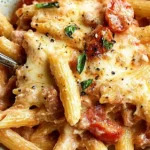
Quick and Creamy Tomato Ricotta Pasta
- Total Time: 15 minutes
- Yield: 4 servings 1x
- Diet: Vegetarian
Description
If you’re looking for a quick, creamy, and flavorful pasta dish, this Tomato Ricotta Pasta is the perfect choice!
Ingredients
- 12 ounces pasta (penne, rigatoni, or spaghetti)
- 2 tablespoons olive oil
- 3 cloves garlic, minced
- 2 cups cherry tomatoes, halved
- ½ teaspoon red pepper flakes (optional)
- 1 teaspoon Italian seasoning
- 1 cup ricotta cheese
- ½ cup pasta water (reserved)
- ½ cup fresh basil, chopped
- ½ cup Parmesan cheese, grated
- Salt & black pepper to taste
- 1 cup shrimp (optional)
- 1 cup zucchini, diced (optional)
- 1 cup broccoli florets (optional)
- ½ cup fresh mozzarella, torn into chunks (optional)
Instructions
- Cook the Pasta: Bring a large pot of salted water to a boil. Cook the pasta according to package instructions until al dente. Reserve ½ cup of pasta water, then drain the pasta and set aside.
- Sauté the Tomatoes: In a large skillet, heat olive oil over medium heat. Add the minced garlic and sauté for 30 seconds until fragrant. Add the cherry tomatoes, red pepper flakes, Italian seasoning, salt, and black pepper. Cook for 5 minutes, stirring occasionally, until the tomatoes soften and release their juices.
- Make the Ricotta Sauce: Reduce the heat to low. Stir in the ricotta cheese and reserved pasta water, mixing until smooth and creamy.
- Toss the Pasta: Add the cooked pasta to the skillet, tossing gently to coat in the ricotta sauce. Stir in the Parmesan cheese and fresh basil, then remove from heat.
- Serve & Enjoy: Divide into bowls and top with extra Parmesan, basil, and a drizzle of olive oil. Serve immediately!
Notes
Use whole milk ricotta for the best texture. Ensure pasta is al dente to hold up in the sauce. Use the reserved pasta water to help emulsify the sauce and prevent it from drying out.
- Prep Time: 5 minutes
- Cook Time: 10 minutes
- Category: Dinner
- Method: Stovetop
- Cuisine: Italian
Nutrition
- Serving Size: 1 serving
- Calories: 320 kcal
- Sugar: 6 g
- Sodium: 580 mg
- Fat: 9 g
- Saturated Fat: 4 g
- Unsaturated Fat: 5 g
- Trans Fat: 0 g
- Carbohydrates: 30 g
- Fiber: 1 g
- Protein: 8 g
- Cholesterol: 45 mg
Keywords: creamy tomato ricotta pasta, quick italian dinner, 15 minute pasta, easy ricotta sauce