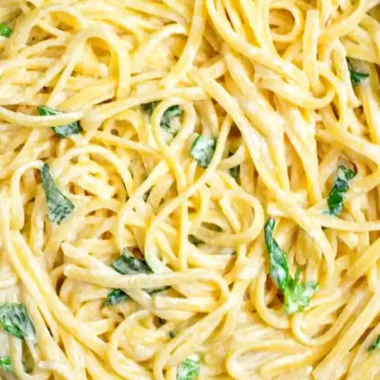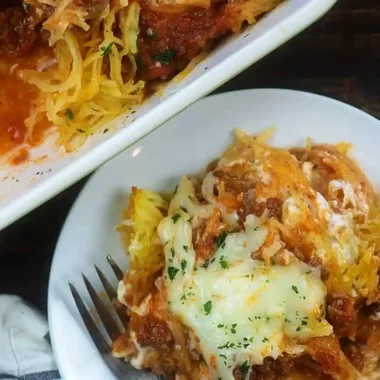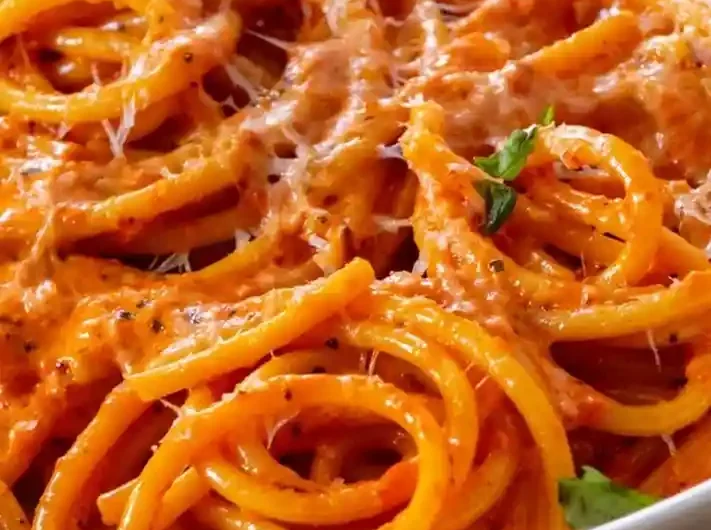
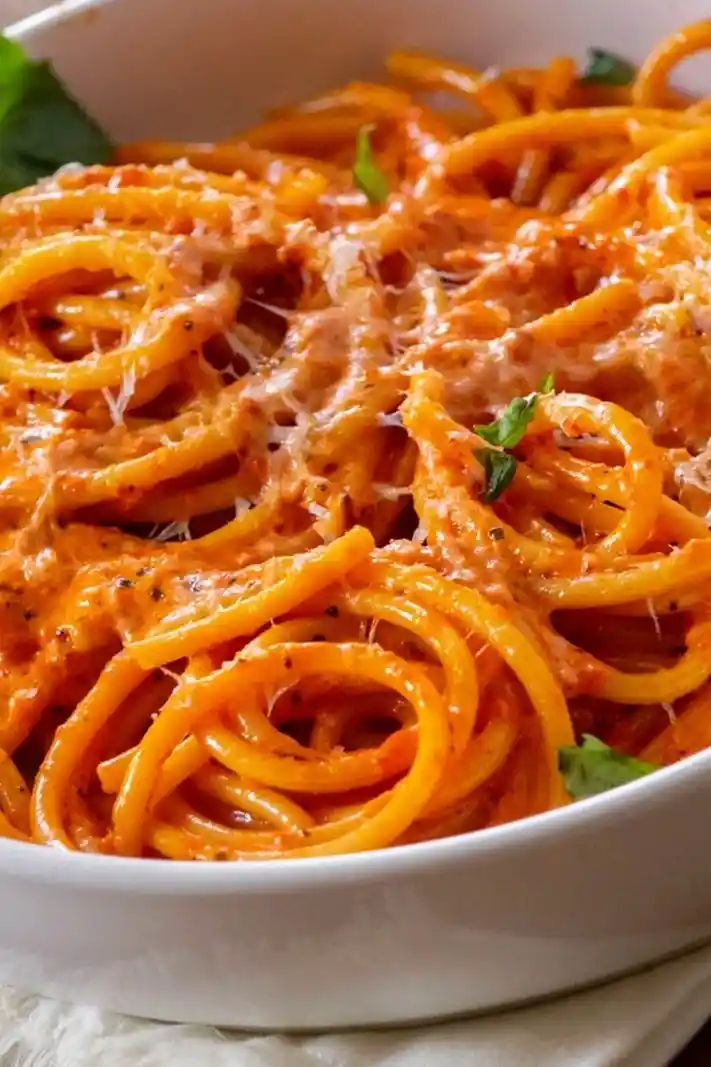
This rich and velvety roasted red pepper pasta is a professional-grade dinner that comes together in under 30 minutes. It uses simple pantry staples to create a decadent sauce that pairs perfectly with various pasta shapes or proteins.
List of ingredients
- 2 tbsp butter – used for sautéing garlic and adding a rich base.
- 1 cup marinated roasted red peppers – include 1-2 tbsp of the marinating liquid for a flavor boost.
- 3 cloves garlic, crushed/minced – provides a deep aromatic foundation.
- salt and fresh ground pepper, to taste – essential for balancing the flavors.
- 1 tsp dried basil – adds a subtle earthy sweetness.
- 1 cup heavy cream – creates the thick, silky consistency of the sauce.
- 1/2 lb pasta – any variety of your choice.
- 1/2 cup reserved pasta water, as needed – used to adjust the final thickness.
step-by-step instructions
- Puree the Pepper Base: Combine the jarred roasted red peppers, minced garlic, and the marinating juices in a blender or food processor. Blend until the mixture is completely smooth.
- Melt the Butter: Place a small saucepan over medium-low heat and melt the butter until it begins to bubble slightly.
- Sauté the Garlic: Add the fresh crushed garlic to the melted butter. Sauté for approximately 1 minute until the garlic is fragrant but not browned.
- Cook the Puree: Stir in the pureed pepper mixture along with salt and pepper. Continue cooking for about 2 minutes, stirring occasionally, until the sauce thickens slightly.
- Simmer with Cream: Add the dried basil and heavy cream to the pan. Cook for 6-10 minutes, stirring occasionally, until the sauce reaches a slightly thickened, velvety consistency.
- Combine with Pasta: Transfer cooked and drained al dente pasta into the sauce. Allow the pasta to finish cooking in the sauce for a few moments, adding reserved pasta water as needed, and finish with a generous amount of grated parmesan cheese.
Sauce Preparation Strategies
Blend Until Completely Smooth
Use a high-speed blender or a food processor to ensure the roasted pepper skins are fully broken down. This process eliminates any remaining chunks and creates a professional, silky texture. A smooth puree allows the sauce to cling better to the pasta strands for a consistent taste in every bite.
Save Starchy Pasta Water
Always reserve at least a half cup of the pasta cooking water before draining your noodles. This starchy liquid acts as an emulsifier, helping the creamy sauce bind more effectively to the pasta. It is the best tool for adjusting the viscosity of the sauce without adding more fat.
Prevent Garlic From Burning
Keep the heat at a steady medium-low when cooking the garlic in butter. Burnt garlic develops a bitter flavor that can overpower the natural sweetness of the roasted red peppers. Sautéing for just one minute is sufficient to release the aromatics without scorching the cloves.
Slow Simmer for Emulsion
Allow the sauce to simmer gradually after adding the cream rather than boiling it aggressively. A slow simmer ensures that the fats and liquids emulsify properly, resulting in a velvety finish. This method prevents the cream from separating or breaking during the thickening process.
Ingredient Alternatives
Plant-Based Butter Options
You can substitute the butter with a high-quality vegan butter or a neutral-flavored plant-based spread. This maintains the richness required for sautéing the garlic while making the dish dairy-free. Ensure the substitute has a high smoke point to avoid burning.
Cashew Cream Substitutes
For a dairy-free version of the sauce, replace the heavy cream with homemade cashew cream. Soak raw cashews in water, then blend them with a small amount of fresh water until completely smooth. This provides a similar thickness and creaminess without the use of animal products.
Using Fresh Basil Leaves
If you prefer fresh basil over dried, stir in finely chopped leaves at the very end of the cooking process. Fresh basil is delicate and loses its bright, peppery flavor if it is simmered for too long. This addition provides a fresh aromatic lift to the finished dish.
Processing Homemade Peppers
When using homemade roasted peppers, ensure all charred skins are meticulously peeled off before blending. Since homemade peppers lack the oil found in marinated jars, add a tablespoon of olive oil to the blender. This ensures the puree reaches the same smooth consistency as store-bought versions.
Custom Flavor Profiles
Adding Red Pepper Flakes
Stir in a pinch of crushed red pepper flakes during the garlic sauté step for a subtle heat. The spiciness cuts through the richness of the heavy cream and adds depth to the red pepper base. Adjust the amount based on your preference for a mild or spicy kick.
Folding in Fresh Spinach
Add two cups of fresh baby spinach to the sauce during the final minute of simmering. The residual heat will wilt the greens perfectly without overcooking them. This adds a boost of nutrients and a vibrant color contrast to the red sauce.
Integrating Sun-Dried Tomatoes
Finely chop a few sun-dried tomatoes and add them to the pan along with the garlic. These tomatoes provide a concentrated, tart sweetness that complements the roasted peppers. This variation adds a more intense, Mediterranean flavor profile to the pasta.
Adding Lemon Zest
Grate a small amount of fresh lemon zest over the pasta just before serving. The citrus acidity cuts through the heavy cream and brightens the overall flavor of the dish. This is an excellent way to balance the richness of the parmesan cheese.
Ideal Pasta Selection
Choosing Tubular Pasta
Penne, rigatoni, or ziti are excellent choices because their hollow centers trap the creamy sauce. This ensures that every bite is filled with the pepper puree and cream. These shapes are sturdy and hold up well when finished directly in the pan.
Using Long Pasta Strands
Bucatini, spaghetti, or linguine provide a classic presentation and a different mouthfeel. The sauce coats the long strands evenly, creating a balanced ratio of pasta to sauce. Bucatini is particularly effective due to its hollow center and thicker texture.
Opting for Spiral Pasta
Fusilli, rotini, or cavatappi are ideal for gripping thick, creamy sauces. The twists and turns of the pasta maximize the surface area, allowing the sauce to cling to every curve. These shapes are particularly satisfying for those who prefer a sauce-heavy meal.
Suggested Meal Pairings
Pairing with Seared Scallops
The sweetness of the roasted red pepper sauce pairs beautifully with the delicate flavor of seared scallops. Place the scallops on top of the plated pasta for an elegant seafood dinner. The creaminess of the sauce complements the caramelized crust of the scallops.
Adding Grilled Chicken
For a heartier meal, add sliced grilled chicken breast or roasted chicken thighs. Sauté the chicken separately and toss it into the sauce along with the pasta. This adds lean protein and makes the dish more filling for a family dinner.
Serving with Garlic Bread
Serve the pasta with toasted garlic bread or a crusty sourdough baguette. The bread is perfect for scooping up any extra sauce remaining on the plate. This addition provides a crunchy texture that contrasts with the creamy pasta.
Adding a Side Arugula Salad
A simple arugula salad with a lemon-olive oil vinaigrette is the best side dish for this recipe. The peppery greens and acidic dressing cleanse the palate between bites of the rich sauce. This prevents the meal from feeling overly heavy.
Preservation and Reheating
Refrigeration Containers
Store leftover pasta or sauce in a glass airtight container in the refrigerator for up to four days. Keeping the sauce separate from the pasta can help prevent the noodles from absorbing too much liquid. Ensure the container is fully sealed to maintain freshness.
Freezing Vegan Versions
While dairy-based cream sauces are not recommended for freezing due to separation, vegan versions freeze well. If using cashew cream and vegan butter, store the sauce in a freezer-safe container for up to two months. Thaw slowly in the refrigerator before reheating.
Loosening Reheated Sauce
When reheating the sauce, it will likely have thickened significantly in the fridge. Add a splash of milk, cream, or water to the pan over low heat to restore the original consistency. Stir constantly to ensure the sauce reheats evenly without scorching.
Common Sauce Fixes
Thickening a Thin Sauce
If the sauce appears too thin, simmer it for an additional three to five minutes without a lid. This allows more moisture to evaporate, concentrating the flavors and thickening the texture. Adding an extra tablespoon of grated parmesan cheese also helps to bind the sauce.
Correcting Sauce Separation
If the sauce separates and looks oily, whisk in a teaspoon of cornstarch mixed with a tablespoon of cold water. Heat the mixture over low heat while stirring vigorously to re-emulsify the fats. This creates a smooth, unified texture once again.
Adjusting Overly Thick Texture
If the sauce becomes too thick, stir in small amounts of reserved pasta water one tablespoon at a time. Continue stirring until the sauce reaches a pourable, silky consistency. Avoid adding too much liquid at once to prevent the sauce from becoming watery.
Frequently Asked Questions
Can I use canned peppers instead of jarred?
Yes, you can use canned roasted peppers, but ensure they are well-drained. Since canned peppers are often packed in brine rather than oil, you may need to add an extra tablespoon of olive oil to the blender for a smoother puree.
How do I prevent the cream from curdling?
Avoid bringing the sauce to a rolling boil once the heavy cream has been added. Maintain a gentle simmer over medium-low heat. Using full-fat heavy cream also helps provide stability and prevents the sauce from breaking.
Can I make this sauce ahead of time?
Yes, the sauce can be prepared a day in advance and stored in the refrigerator. When ready to serve, simply reheat it slowly on the stove and toss in freshly cooked pasta. This is a great time-saving strategy for dinner parties.
What are the best alternative cheese options?
While parmesan is the standard choice, Pecorino Romano provides a saltier and more pungent flavor. For a richer and meltier finish, try using a small amount of Gruyere or white cheddar mixed into the sauce.
Print
Creamy Roasted Red Pepper Pasta
- Total Time: 20 minutes
- Yield: 6 servings 1x
- Diet: General
Description
Creamy Roasted Red Pepper Pasta Sauce with pureed jarred marinated roasted bell peppers, fresh garlic, butter, basil, and heavy cream, ready in 10 minutes!
Ingredients
- 2 tbsp butter
- 1 cup marinated roasted red peppers (include 1–2 tbsp marinating liquid)
- 3 cloves garlic, crushed/minced
- salt and fresh ground pepper, to taste
- 1 tsp dried basil
- 1 cup heavy cream
- 1/2 lb pasta
- 1/2 cup reserved pasta water, as needed
Instructions
- Step 1: Puree peppers/garlic and juices from jar in a food processor or blender until smooth.
- Step 2: In a small saucepan over medium-low heat, melt butter.
- Step 3: Once butter is melted, add fresh crushed garlic and sauté until fragrant, 1 minute.
- Step 4: Add puréed peppers and salt and pepper to taste. Continue to cook until slightly thickened, stirring occasionally, 2 minutes.
- Step 5: Add the dried basil and cream, and cook sauce 6-10 minutes, stirring occasionally, until slightly thickened.
- Step 6: If serving with pasta, transfer cooked and drained al dente pasta into sauce and allow to finish cooking in sauce for best results. Add reserved pasta water as needed, and finish with plenty of grated parmesan cheese!
Notes
Store cooled sauce or pasta in an airtight container in the refrigerator for 3-4 days. To reheat, add a splash of water, cream, or milk to loosen the sauce.
- Prep Time: 5 minutes
- Cook Time: 15 minutes
- Category: Dinner
- Method: Simmering
- Cuisine: American
Nutrition
- Serving Size: 1 serving
- Calories: 315 kcal
- Sugar: 2 g
- Sodium: 363 mg
- Fat: 19 g
- Saturated Fat: 12 g
- Unsaturated Fat: 6 g
- Trans Fat: 0.2 g
- Carbohydrates: 31 g
- Fiber: 2 g
- Protein: 6 g
- Cholesterol: 55 mg
Keywords: heavy cream, red pepper, red pepper sauce, roasted red pepper, sauce