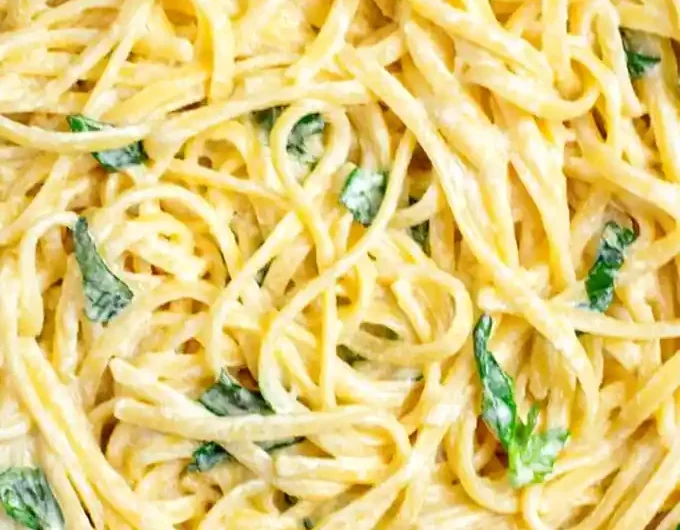
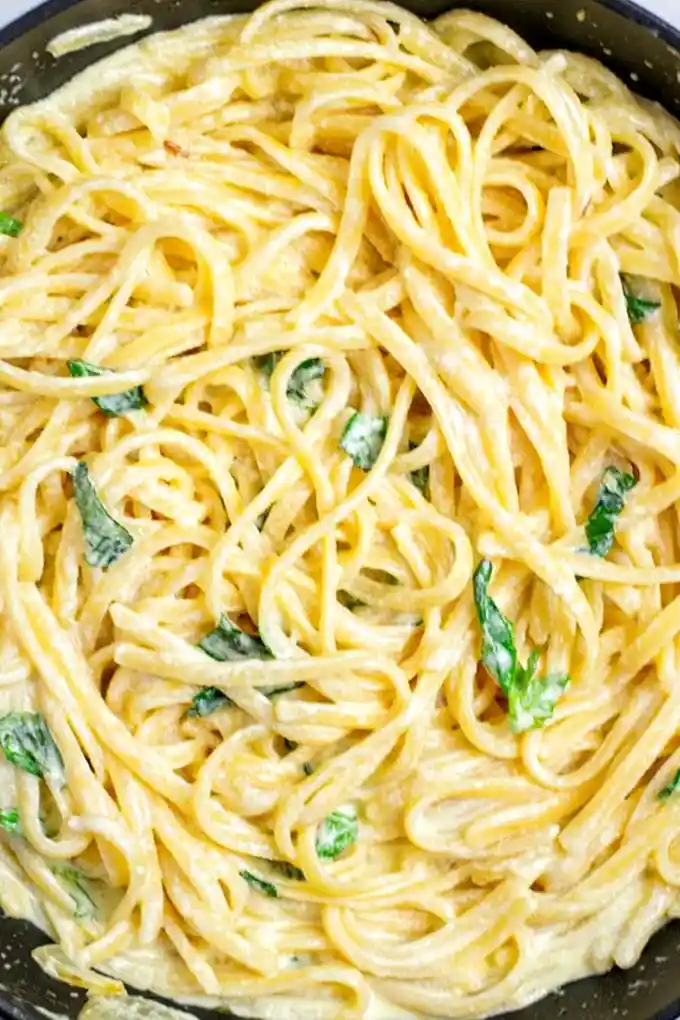
This zesty pasta dish combines fresh lemon and coconut milk for a rich, dairy-free experience. It is a fast, budget-friendly meal that works perfectly for quick weeknight dinners or utilizing leftover noodles.
List of ingredients
- 4 cups cooked pasta – use gluten-free varieties if needed for dietary restrictions.
- 1/4 cup olive oil – used for sautéing the garlic.
- 2 lemons, juiced – provides the primary tangy flavor base.
- 2 teaspoons lemon zest – adds a concentrated, aromatic citrus punch.
- 1 cup full-fat coconut milk – creates the creamy, rich texture without dairy.
- 3 cloves garlic, roughly chopped – adds a savory, aromatic foundation.
- Vegan Parmesan – adds a salty, nutty finish to the sauce.
- Salt and pepper to taste – used for final seasoning and balance.
step-by-step instructions
- Sauté Garlic: Heat the olive oil in a skillet or casserole over medium heat. Add the roughly chopped garlic and fry for 1 minute until fragrant but not browned.
- Add Citrus: Remove the skillet from the heat source. Stir in the fresh lemon juice and lemon zest to blend the flavors without over-reducing the juice.
- Simmer Coconut Milk: Pour the full-fat coconut milk into the skillet. Return the pan to medium heat and let the mixture simmer for another minute.
- Thicken and Season: Stir the vegan parmesan into the sauce until fully incorporated. Season the mixture with salt and pepper according to your preference.
- Combine and Finish: Add the cooked pasta to the lemon sauce. Cook for an additional 4 minutes, stirring occasionally, to allow the pasta to absorb the flavors before serving.
Optimal Pasta Selections
Using Long Pasta Varieties
Spaghetti, linguine, and fettuccine are excellent choices for this recipe. The long strands provide a large surface area for the creamy lemon sauce to cling to, ensuring a balanced flavor in every bite.
Choosing Short Pasta Shapes
Fusilli, penne, and farfalle are highly effective because their ridges and hollow centers trap the thick coconut milk sauce. These shapes are particularly useful if you plan to add small vegetables like peas to the dish.
Selecting Gluten-Free Alternatives
Brown rice pasta or chickpea pasta work well as substitutes for traditional wheat noodles. Ensure you cook them slightly under al dente, as they can soften quickly when simmered in the sauce for the final 4 minutes.
Enhancing the Flavor Profile
Integrating Fresh Herbs
Fresh basil, parsley, or chives added at the very end provide a bright contrast to the richness of the coconut milk. Chop the herbs finely and sprinkle them over the plated pasta to maintain their color and aroma.
Adding Green Vegetables
Fresh spinach or frozen peas can be stirred in during the last two minutes of cooking. Broccoli florets and asparagus tips should be blanched separately and folded in at the end to avoid overcooking.
Incorporating Plant-Based Proteins
To make the meal more filling, add sautéed tofu cubes or canned chickpeas. These proteins complement the citrus notes of the lemon and the creaminess of the coconut milk without overpowering the dish.
Achieving the Perfect Sauce Consistency
Prioritizing Full-Fat Coconut Milk
Using full-fat coconut milk is essential for achieving a velvety, thick texture. Lite coconut milk is too watery and may result in a thin sauce that does not coat the pasta effectively.
Utilizing Starchy Pasta Water
If the sauce becomes too thick during the final simmering stage, add a tablespoon of reserved pasta cooking water. The starch in the water helps emulsify the fats and creates a smoother, glossier finish.
Managing Heat to Prevent Separation
Always remove the pan from the heat when adding acidic components like lemon juice. This prevents the coconut milk from curdling or separating, ensuring the sauce remains homogeneous.
Storage and Meal Prep Guide
Refrigerating Leftovers
Store any remaining pasta in an airtight container once it has cooled to room temperature. This prevents condensation from forming inside the container, which can make the pasta mushy.
Maximizing Fridge Shelf Life
When stored correctly in the refrigerator, this creamy lemon pasta remains fresh for up to 7 days. Ensure the seal is tight to prevent the sauce from absorbing other odors from the fridge.
Freezing for Long-Term Use
This dish can be frozen for up to 4 months if the pasta was originally cooked al dente. Use individual freezer bags or airtight containers, removing as much air as possible to prevent freezer burn.
Reheating for Best Quality
Stovetop Reheating Method
Place the pasta in a casserole or skillet over low heat. Add a splash of water or a teaspoon of olive oil to loosen the sauce, gradually increasing to medium heat until warmed through.
Oven Warming Process
Preheat your oven to 170°F and place the pasta in an oven-safe dish. Cover the dish with foil to retain moisture and warm slowly until the center is hot.
Quick Microwave Instructions
Transfer the pasta to a microwave-safe dish and cover it loosely. Heat in short intervals of 30 to 60 seconds, stirring between each session to distribute the heat evenly.
Troubleshooting and Fixes
Correcting Overly Tart Sauce
If the lemon flavor is too intense, stir in a small amount of additional coconut milk or a pinch of salt. This helps neutralize the acidity and balances the overall flavor profile.
Fixing a Thin or Watery Sauce
Simmer the sauce for an extra minute before adding the pasta to reduce the liquid. Alternatively, stir in an extra tablespoon of vegan parmesan to thicken the consistency through coagulation.
Preventing Burnt Garlic
Keep the heat at a medium level and stir the garlic constantly during the first minute. If the garlic turns dark brown, it will taste bitter, so it is better to start over or remove the burnt pieces.
Frequently Asked Questions
Can I use a different dairy-free milk?
Cashew cream or almond milk can be used, but they lack the thickness of full-fat coconut milk. You may need to add a cornstarch slurry or more vegan parmesan to achieve the same creaminess.
How do I zest a lemon without the white pith?
Use a fine grater or a microplane to remove only the yellow outer layer of the peel. The white pith underneath is bitter and can ruin the delicate flavor of the sauce.
Can I use bottled lemon juice?
Freshly squeezed lemon juice is highly recommended for the best flavor. If using bottled juice, reduce the amount slightly as it is often more concentrated and acidic than fresh juice.
What is a good substitute for vegan parmesan?
A mixture of nutritional yeast, ground cashews, and salt creates a similar savory flavor. Ensure the substitute is finely ground so it incorporates smoothly into the coconut milk sauce.
Why does my sauce look grainy?
Graininess usually occurs if the coconut milk was boiled too aggressively or if the vegan parmesan didn’t melt. Stirring the sauce over low heat and whisking vigorously usually resolves this issue.
Print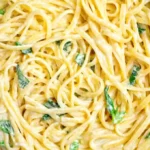
Creamy Vegan Lemon Pasta
- Total Time: 10 minutes
- Yield: 2 servings 1x
- Diet: Vegan
Description
This Lemon Pasta is budget friendly, creamy, tangy and ready in just 10 minutes. It is a vegan, family-friendly meal with fresh flavors that is incredibly easy to prepare.
Ingredients
- 4 cups pasta, cooked
- 1/4 cup olive oil
- 2 lemons, juiced
- 2 teaspoon lemon zest
- 1 cup full fat coconut milk
- 3 cloves garlic, roughly chopped
- Vegan Parmesan
- salt, pepper to taste
Instructions
- Step 1: Heat olive oil in a skillet or casserole, add sliced garlic and fry for 1 minute.
- Step 2: Remove from heat and stir in the lemon juice and zest.
- Step 3: Stir in the coconut milk, then bring back to medium heat for another minute.
- Step 4: Add vegan parmesan to the sauce, stir well, and season with salt and pepper.
- Step 5: Add cooked pasta to the lemon sauce and cook for 4 minutes more.
Notes
Store leftovers in an airtight container for up to 7 days. Can be frozen for up to 4 months. Use reserved starchy pasta water to thin the sauce if needed. Optional additions include herbs like basil, parsley, or chives, or vegetables like peas, spinach, broccoli, and asparagus.
- Prep Time: 2 minutes
- Cook Time: 8 minutes
- Category: Main Course
- Method: Stove-top
- Cuisine: Mediterranean
Nutrition
- Serving Size: 2 cups
- Calories: 540 kcal
- Sugar: 1.2 g
- Sodium: 197 mg
- Fat: 15.9 g
- Saturated Fat: 1.3 g
- Unsaturated Fat: 9.8 g
- Trans Fat: 0 g
- Carbohydrates: 63 g
- Fiber: 5.3 g
- Protein: 13 g
- Cholesterol: 0 mg
Keywords: lemon pasta, vegan pasta, creamy lemon sauce, easy vegan dinner, budget friendly recipe