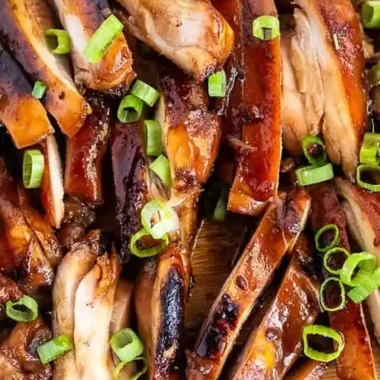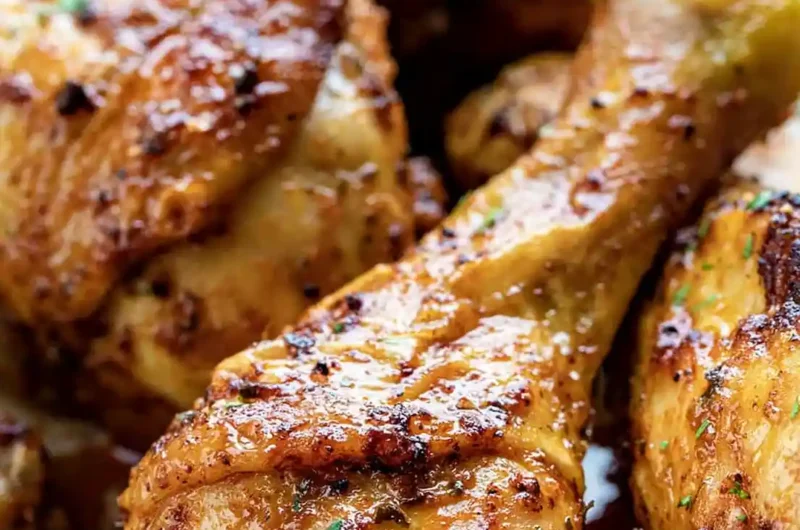
This recipe provides a straightforward method for achieving golden, crispy skin on chicken legs using a high-heat oven technique. It is an efficient way to prepare a protein-rich main course or a crowd-pleasing appetizer with minimal active preparation time.
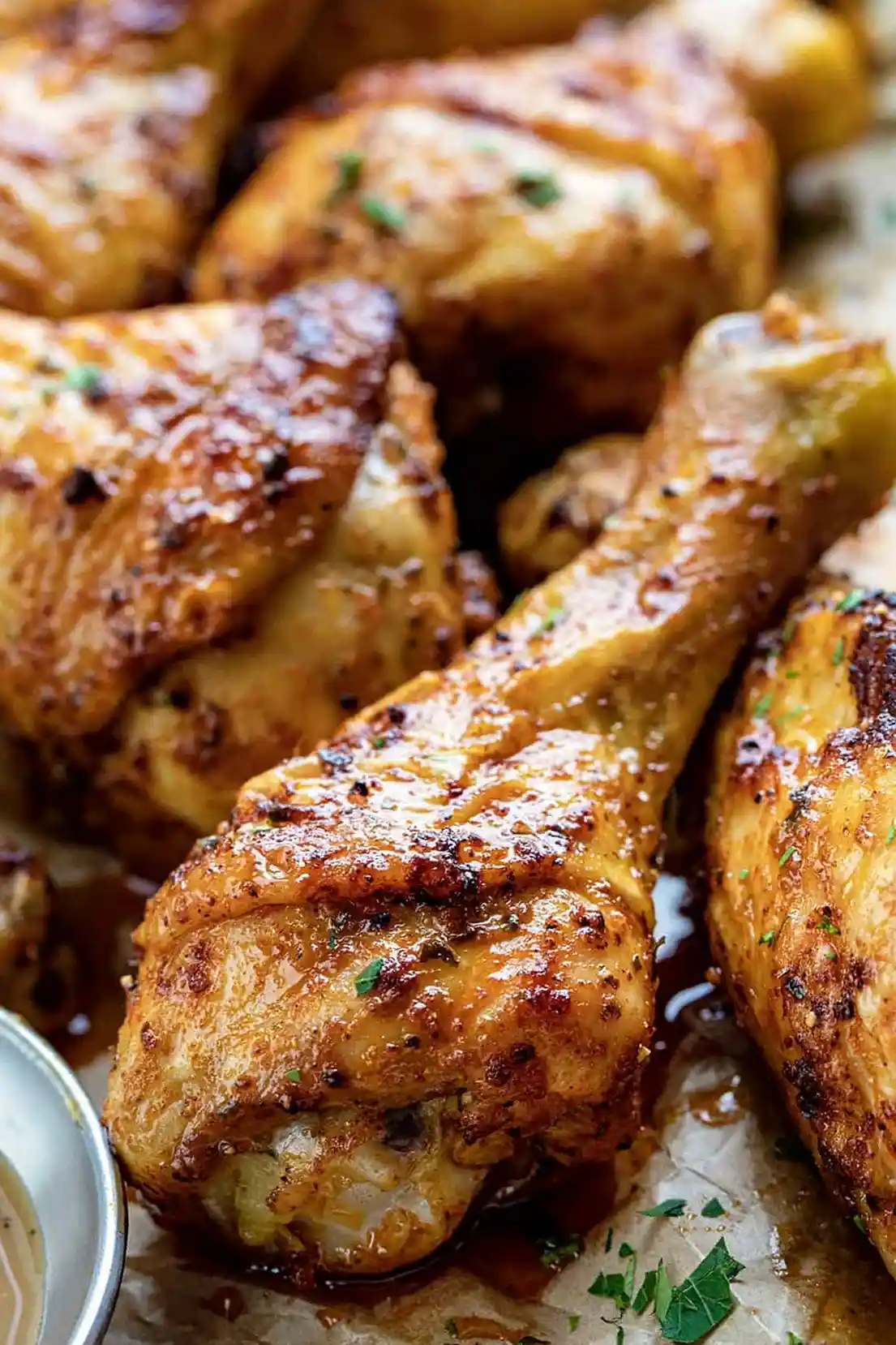
List of ingredients
- 8 chicken legs (approximately 2 pounds) – ensures uniform cooking times.
- 2 tablespoons extra virgin olive oil – acts as a binder for spices and aids crisping.
- 2 teaspoons paprika – adds a rich red color and mild sweetness.
- 1 teaspoon garlic powder – provides a consistent savory flavor without burning.
- 1 teaspoon onion powder – adds depth and a subtle sweetness to the rub.
- ½ teaspoon dried parsley – contributes a hint of herbal flavor and visual contrast.
- ½ teaspoon kosher salt – enhances all other seasonings and helps draw out moisture.
- ½ teaspoon ground pepper – provides a mild heat and aromatic quality.
step-by-step instructions
- Prepare the Oven: Preheat your oven to 425°F. Line a baking sheet with aluminum foil and lightly coat it with nonstick cooking spray to prevent sticking.
- Mix Seasonings: In a large mixing bowl, combine the olive oil, paprika, garlic powder, onion powder, dried parsley, salt, and pepper until well blended.
- Dry and Coat: Pat the chicken legs thoroughly dry with paper towels to remove surface moisture. Toss the legs into the seasoning bowl, ensuring every piece is evenly coated in the oil and spice mixture.
- Arrange the Chicken: Place the legs in a single layer on the prepared baking sheet, leaving enough space between each piece for air circulation. Optionally, place the legs on an oven-safe wire rack set atop the baking sheet for maximum airflow.
- Bake: Roast for 40-45 minutes. The chicken is done when the skin is golden brown and the internal temperature reaches 165°F when measured with a meat thermometer.
- Rest: Remove the pan from the oven and allow the chicken legs to rest for a few minutes before serving to allow the juices to redistribute.
Techniques for Maximum Crispiness
The Importance of Patting Skin Dry
Surface moisture is the primary obstacle to achieving a crispy exterior. When the skin is damp, the oven’s energy is spent evaporating that water through steam rather than browning the skin. Patting the chicken dry ensures the oil and spices adhere better and the Maillard reaction occurs more quickly.
Using a Wire Cooling Rack
Elevating the chicken on a wire rack allows hot air to circulate underneath the meat. Without a rack, the bottom side of the leg often sits in rendered fat, which steams the skin instead of roasting it. This technique ensures an even, crunchier texture on all sides.
Maintaining High Oven Temperature
Baking at 425°F provides the intense heat necessary to render the fat in the chicken skin quickly. Lower temperatures often result in rubbery skin because the fat melts too slowly. High heat creates a rapid sear that locks in juices while crisping the surface.
Preventing Pan Overcrowding
Leaving ample space between chicken legs prevents the pieces from steaming each other. When legs are too close, moisture becomes trapped between them, leading to pale, soft spots. Proper spacing allows the hot oven air to hit every surface of the meat.
Alternative Cooking Methods
Air Fryer Instructions
Coat the chicken legs in the seasoned oil as directed in the main recipe. Place them in a single layer in the air fryer basket and cook at 400°F for 18 minutes. Flip the legs halfway through the cooking time to ensure a uniform golden color.
Convection Oven Adjustments
If using a convection oven with a fan, you can reduce the temperature to 400°F. The forced air increases heat transfer, which may cook the chicken faster. Monitor the internal temperature closely to avoid overcooking the meat.
Ingredient Substitutions
Oil Alternatives
Avocado oil is an excellent substitute for olive oil due to its higher smoke point. Grapeseed oil also works well for high-heat roasting. Avoid using butter as a primary binder, as the milk solids can burn at 425°F.
Paprika Varieties
Smoked paprika can be used to add a deep, wood-fired flavor to the chicken. Sweet paprika provides a milder, more traditional taste. For those who prefer more heat, a small amount of hot paprika can be blended in.
Salt Options
If you do not have kosher salt, you can use fine table salt, but reduce the quantity slightly. Table salt has a denser crystal structure and can be easier to over-salt. Sea salt is another viable alternative for a cleaner mineral taste.
Dried Herb Substitutions
If dried parsley is unavailable, dried oregano or thyme are suitable replacements. These herbs provide an earthy profile that complements the garlic and onion powders. Ensure the herbs are finely ground to avoid clumps on the skin.
Recommended Side Dish Pairings
Potato-Based Sides
Mashed potatoes provide a creamy contrast to the crispy chicken skin. Roasted potato wedges cooked on the same tray are also a practical option. For a different texture, consider cheesy scalloped potatoes prepared in a slow cooker.
Roasted Vegetable Options
Asparagus and green beans roast quickly at high temperatures and pair well with the savory rub. Carrots can be tossed in olive oil and honey to provide a sweet balance to the paprika. Brussels sprouts shredded and roasted are another nutritious addition.
Grains and Starches
White or brown rice serves as a neutral base that absorbs the juices from the chicken. Macaroni and cheese offers a rich, comforting accompaniment for a family meal. Fluffy buttermilk biscuits are ideal for cleaning up the plate.
Storage and Preservation
Refrigerator Storage
Store leftover chicken legs in an airtight container once they have cooled to room temperature. They will remain safe for consumption for 3 to 4 days. Ensure the container is sealed tightly to prevent the meat from drying out.
Freezing Cooked Chicken
Cooked chicken legs can be frozen for up to three months. Wrap them individually in foil and place them in a freezer-safe bag to prevent freezer burn. Thaw them in the refrigerator overnight before reheating.
Reheating Best Practices
Oven Reheating
Place the legs on a baking sheet at 350°F for about 10-15 minutes. This method is the best for restoring the crispiness of the skin. Avoid covering the chicken with foil during this process.
Air Fryer Reheating
Reheat at 375°F for 3-5 minutes. The air fryer is the fastest way to regain the original texture of the skin. Be careful not to overcook, as the meat can dry out quickly.
Microwave Reheating
Use a microwave for speed, though the skin will become soft. Heat on medium power in short intervals. This method is best if the chicken is being used in a sandwich or soup.
Make-Ahead Advice
Marinating in Advance
You can coat the chicken in the oil and seasoning mixture several hours before cooking. Store the coated legs in the refrigerator to allow the flavors to penetrate the meat. This process acts as a dry brine, improving the final flavor.
Pre-mixing the Dry Rub
Combine the paprika, garlic powder, onion powder, parsley, salt, and pepper in a jar. This pre-mixed rub can be stored in the pantry for several weeks. Simply add olive oil to the desired amount of rub when you are ready to cook.
Troubleshooting Common Issues
Dealing with Rubbery Skin
Rubbery skin is usually caused by low oven temperatures or excess moisture. Ensure the oven is fully preheated before the chicken goes in. Always use paper towels to remove all visible moisture from the skin before adding oil.
Preventing Burnt Seasoning
If the spices burn before the chicken is cooked, check your oven’s hot spots. Rotating the pan halfway through cooking can prevent one side from over-browning. Ensure the oil is evenly distributed to protect the spices from direct heat.
Ensuring Even Cooking
If some legs are done before others, check the size of the chicken pieces. Try to use legs of similar weight and thickness. Arrange the larger pieces closer to the back of the oven where the heat is often more intense.
Avoiding Dry Meat
Overcooking is the primary cause of dry chicken. Use a digital meat thermometer to pull the chicken out exactly at 165°F. Allowing the meat to rest for five minutes helps the juices settle, preventing them from leaking out upon the first cut.
Frequently Asked Questions
Can I use chicken thighs instead?
Yes, you can use chicken thighs with this seasoning blend. However, thighs may require an additional 5-10 minutes of cooking time depending on their thickness. Use a thermometer to ensure they reach the safe internal temperature.
How do I know when the chicken is done?
The most reliable method is using a meat thermometer in the thickest part of the leg, avoiding the bone. The internal temperature must reach 165°F. The skin should also be a deep golden brown and feel firm to the touch.
Should I leave the skin on?
Yes, the skin is essential for this recipe as it protects the meat from drying out and provides the primary texture. Removing the skin will change the cooking time and result in a less flavorful exterior.
Can I use a different temperature?
You can cook at 400°F, but it will take longer to achieve a crispy skin. Cooking below 375°F is not recommended for this specific recipe as the skin will likely remain soft and rubbery.
Can I use frozen chicken legs?
No, frozen chicken must be completely thawed before baking. Baking frozen chicken leads to uneven cooking and prevents the skin from crisping. Thaw them slowly in the refrigerator for the best results.
Is it necessary to use a wire rack?
While not mandatory, a wire rack significantly improves the results. It prevents the chicken from boiling in its own juices. If you don’t have one, flipping the chicken halfway through is a necessary alternative.
What can I use instead of paprika?
If you lack paprika, a small amount of cayenne pepper mixed with brown sugar can mimic the color and sweetness. Alternatively, a generic poultry seasoning blend can be used, though the color will be less vibrant.
Print
Crispy Oven-Baked Chicken Legs
- Total Time: 50 minutes
- Yield: 8 chicken legs 1x
- Diet: General
Description
Chicken Legs are seasoned chicken legs that are baked in the oven until the skin is crispy and golden brown. It’s a delicious appetizer or main dish that is easy to make and just as delicious to enjoy!
Ingredients
- 8 chicken legs, about 2 pounds
- 2 tablespoons extra virgin olive oil
- 2 teaspoons paprika
- 1 teaspoon garlic powder
- 1 teaspoon onion powder
- ½ teaspoon dried parsley
- ½ teaspoon kosher salt
- ½ teaspoon ground pepper
Instructions
- Preheat: Preheat the oven to 425°F. Line a baking sheet with aluminum foil and spray with nonstick cooking spray.
- Mix: In a large bowl, mix together the oil, paprika, garlic powder, onion powder, parsley, salt, and pepper.
- Coat: Pat the chicken dry with paper towels. Then, toss the chicken legs into the bowl to coat them with the oil and seasonings mixture.
- Arrange: Arrange the chicken legs in a single layer on the lined baking sheet, leaving some space between each. (Optional, place chicken legs on an oven-safe wire rack on the baking sheet.)
- Bake: Bake for about 40-45 minutes, or until the chicken legs are cooked through and the skin is crispy and golden brown. Chicken is fully cooked when it reaches an internal temperature of 165°F.
- Rest: Once cooked, remove the chicken legs from the oven and let them rest for a few minutes before serving.
Notes
Air Fryer Instructions: Coat the chicken legs in the seasoned oil. Place the chicken legs in a single layer into the basket of the air fryer. Air fry at 400°F for 18 minutes, flipping the legs halfway through cooking time. Chicken is fully cooked when it reaches an internal temperature of 165°F.
- Prep Time: 10 minutes
- Cook Time: 40 minutes
- Category: Appetizer, Main Course
- Method: Baking
- Cuisine: American
Nutrition
- Serving Size: 1 chicken leg
- Calories: 277 kcal
- Sugar: 1 g
- Sodium: 380 mg
- Fat: 16 g
- Saturated Fat: 5 g
- Unsaturated Fat: 11 g
- Trans Fat: 0 g
- Carbohydrates: 3 g
- Fiber: 1 g
- Protein: 24 g
- Cholesterol: 85 mg
Keywords: Chicken Legs, Baked Chicken, Crispy Chicken