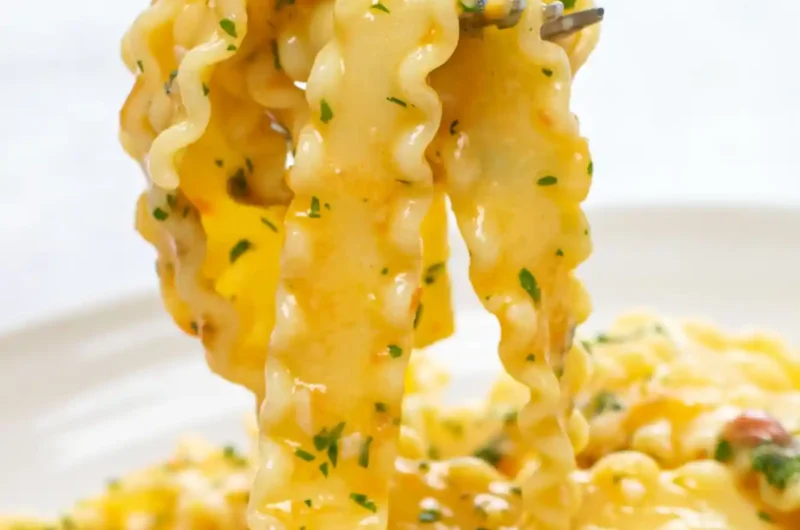
This recipe combines the richness of a butter-emulsified tomato sauce with the brightness of a fresh citrus herb topping. It is a quick yet sophisticated meal that utilizes a clever grating technique for the vegetables.
List of ingredients
- 6 Plum Tomatoes – grated for the sauce base.
- 160g Butter – used for creating a rich emulsion.
- 1 Lemon – zest only for the fresh topping.
- 2 Cloves Garlic – finely chopped for the gremolata.
- 15g Parsley – fresh and finely minced.
- 500g Pasta – Mafaldine is recommended for its ruffled edges.
- 30g Parmesan – finely grated for serving.
- Salt – for seasoning the sauce and the pasta water.
- Black Pepper – for final seasoning to taste.
step-by-step instructions
- Prepare the Tomato Base: Use the coarse side of a box grater to grate the plum tomatoes directly into a saucepan, discarding the skins as you reach them. Add the butter to the pan and place it over medium heat to bring the mixture to a simmer.
- Simmer and Emulsify: Cook the mixture gently for approximately 10 minutes. The tomato juice should reduce and intensify in color and flavor while emulsifying with the melted butter. Season the sauce with salt and black pepper.
- Make the Gremolata: Use a peeler to remove the lemon zest and chop it finely. Peel and finely mince the garlic cloves and the fresh parsley. Mix all three chopped ingredients together in a small bowl.
- Boil the Pasta: Bring a large pot of water to a boil and season heavily with salt. Add the mafaldine pasta and stir to prevent sticking. Cook until the pasta is al dente.
- Toss and Coat: Keep the tomato butter on low heat and stir in some starchy pasta water halfway through the pasta’s cooking time to loosen the sauce. Transfer the cooked pasta directly into the sauce using tongs, adding another ladle of pasta water. Toss over heat until the sauce boils and coats the noodles thoroughly.
- Final Finishing: Remove the pan from the heat and stir in the grated parmesan. Add 2 tablespoons of the prepared gremolata and mix well. Serve immediately with additional gremolata and parmesan sprinkled on top.
Optimizing Your Ingredient Selection
Selecting the Best Plum Tomatoes
Choose plum tomatoes that are firm but deeply red to ensure a balance of acidity and sweetness. Ripe tomatoes provide more juice, which is essential for the emulsification process with the butter. Avoid overly soft tomatoes as they may collapse too quickly during the grating process.
Using High-Quality Unsalted Butter
Using unsalted butter allows you to control the salt level of the sauce more precisely. High-fat European-style butter can provide a creamier texture and a richer mouthfeel. Ensure the butter is added at the start so it can melt and integrate with the tomato juices slowly.
Choosing the Right Pasta Shape
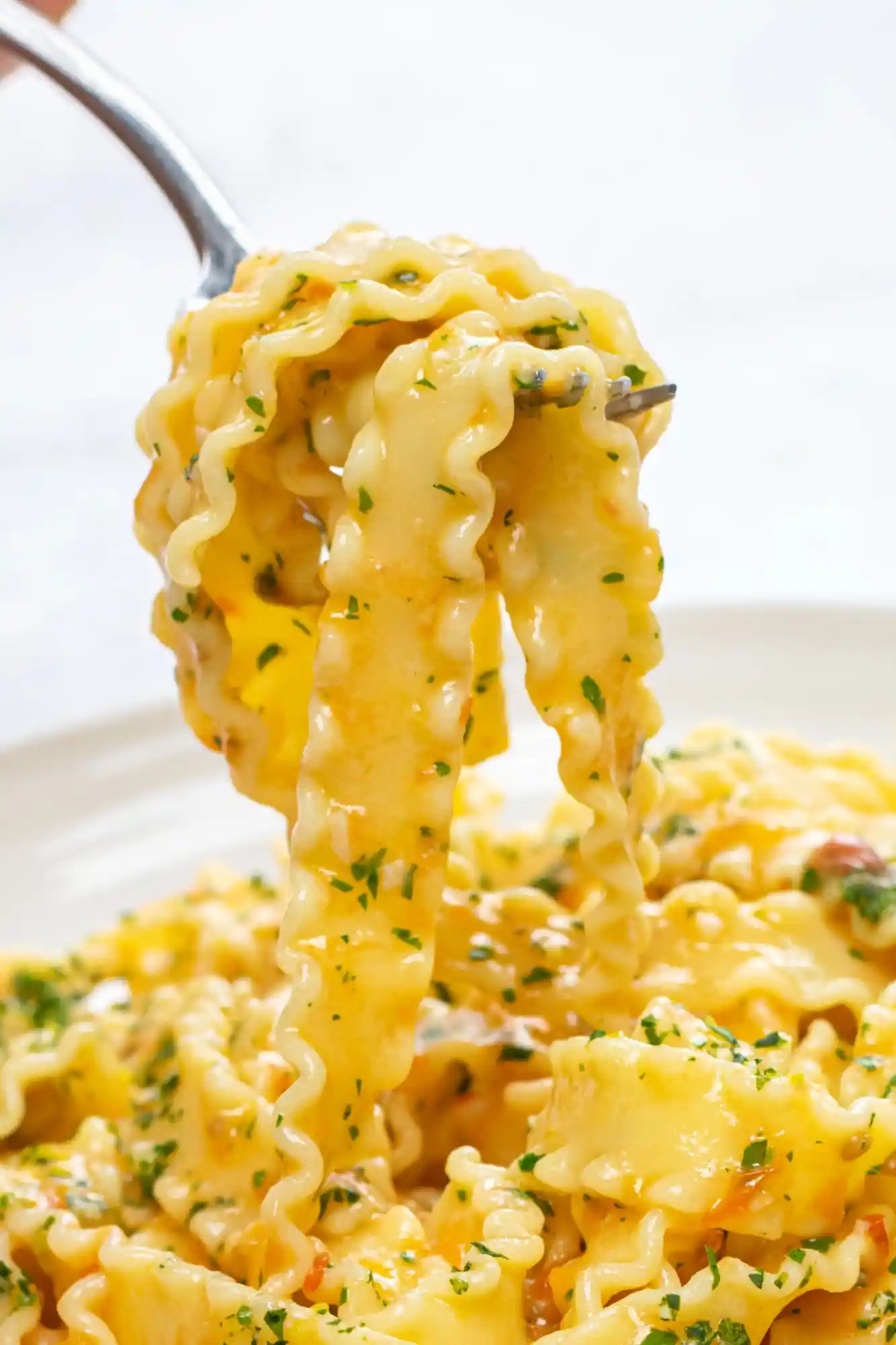
Mafaldine is ideal because its ruffled edges capture the butter sauce and small bits of gremolata perfectly. If you cannot find mafaldine, look for other ruffled or wide ribbons. The surface area of the pasta is key to ensuring the sauce adheres well to every bite.
Mastering the Gremolata Topping
Removing Lemon Zest Without the Pith
Use a sharp peeler or a microplane to remove only the bright yellow outer layer of the lemon. Avoid the white pith underneath, as it contains a bitter flavor that can overpower the fresh herbs. If you accidentally include some pith, gently scrape it away with a knife before chopping.
Achieving a Fine Garlic Mince
To prevent raw garlic from dominating the dish, mince it as finely as possible. Using a microplane can create a paste-like consistency that distributes the flavor evenly throughout the topping. If using a knife, ensure the pieces are uniform and tiny.
Preventing Parsley from Bruising
Dry your parsley thoroughly after washing before you begin chopping. Wet herbs tend to clump and bruise, leading to a dark, muddy appearance. Use a very sharp knife and a clean chopping motion to keep the leaves vibrant and green.
Pasta Cooking and Finishing Techniques
Salting the Pasta Water Correctly
The water should be salted enough to taste like the sea, as this is the only chance to season the pasta itself. Use a generous amount of coarse sea salt once the water reaches a rolling boil. This enhances the overall flavor profile of the final dish.
Utilizing Starchy Pasta Water
Pasta water contains released starches that act as a natural thickening agent. Adding a ladle of this water to the butter sauce helps create a stable emulsion and prevents the sauce from separating. It also helps the sauce cling to the pasta more effectively.
Achieving the Perfect Al Dente Texture
Begin testing the pasta two minutes before the package directions suggest. The pasta should have a slight resistance or ‘bite’ in the center. Since the pasta finishes cooking in the sauce, undercooking it slightly in the water prevents it from becoming mushy.
Serving and Presentation Suggestions
Plating for Visual Appeal
Use tongs to twirl the mafaldine into a nest in the center of a shallow bowl. This height makes the dish look more professional and keeps the pasta warm. Pour any remaining sauce from the pan over the top before adding the garnishes.
Adding Fresh Pepper Garnish
Finish the dish with a generous amount of freshly cracked black pepper. The sharp heat of the pepper cuts through the richness of the butter and parmesan. This adds a subtle layer of complexity to the flavor profile.
Pairing with a Side Salad
Serve this pasta with a simple side of peppery arugula or rocket. A light lemon-vinaigrette dressing on the greens complements the citrus notes in the gremolata. This provides a fresh, acidic contrast to the creamy butter sauce.
Storage and Reheating Advice
Storing Leftovers in Airtight Containers
Place leftover pasta in an airtight container and refrigerate for up to two days. The pasta will likely absorb most of the sauce as it sits in the fridge. Store the remaining gremolata in a separate small container to keep it fresh.
Reviving the Sauce During Reheating
When reheating, avoid the microwave as it can cause the butter to separate. Instead, place the pasta in a pan over low heat and add a tablespoon of water or broth. Stir gently until the sauce becomes creamy and the pasta is heated through.
Preventing Overcooking While Reheating
Keep the heat low and only warm the pasta until it is just hot. High heat can break the emulsion of the tomato butter and make the pasta overly soft. Add a fresh sprinkle of parmesan after reheating to restore the flavor.
Common Troubleshooting Solutions
Fixing a Broken Butter Emulsion
If the sauce looks oily or the butter has separated from the tomato, whisk in a small amount of starchy pasta water. Keep the pan over medium heat and stir vigorously. The starch helps the fat and water bind together into a smooth sauce again.
Balancing High Acidity in Tomatoes
If the tomatoes are too acidic, add a tiny pinch of granulated sugar to the sauce. This neutralizes the sharp acidity without making the dish sweet. Taste the sauce frequently during the reduction phase to adjust the balance.
Thinning Out an Overly Thick Sauce
If the sauce becomes too thick or sticky, add pasta water one tablespoon at a time. Continue tossing the pasta over heat until the desired consistency is achieved. The sauce should coat the pasta thinly and glossily, not clump together.
Frequently Asked Questions
Can I use cherry tomatoes instead?
Yes, but you cannot grate them. Instead, halve the cherry tomatoes and sauté them in butter until they burst and soften, then mash them slightly with a fork to create a similar consistency.
What is the best dairy-free butter substitute?
Use a high-quality plant-based butter stick that is designed for cooking. Avoid soft tub margarines, as they have a higher water content and may not emulsify as well with the tomato juice.
How to store gremolata for later use?
Store extra gremolata in a small jar and cover the top with a thin layer of olive oil. This prevents the parsley from oxidizing and keeps the garlic and lemon flavors fresh for up to three days in the fridge.
Can I use other hard cheeses?
Pecorino Romano is a great substitute for Parmesan if you prefer a saltier, sharper taste. Grana Padano is another excellent option for a more mellow flavor profile.
Print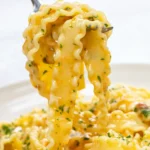
Tomato Butter Mafaldine with Gremolata
- Total Time: 20 minutes
- Yield: 4 servings 1x
- Diet: Vegetarian
Description
The pasta queen Rosie MacKean shows us a beautiful, simple pasta dish. Grated tomatoes and butter make a ridiculously tasty sauce, topped with punchy gremolata.
Ingredients
- 6 plum tomatoes
- 160g butter
- 1 lemon
- 2 cloves garlic
- 15g parsley
- 500g mafaldine pasta
- 30g microbial-rennet parmesan
- Salt
- Black pepper
Instructions
- Step 1: Using the coarse side of a box grater, grate the tomatoes straight into a saucepan, discarding the skin when you get to it. Add in your butter, then place the pan on a medium heat and bring to a simmer.
- Step 2: Cook gently for 10 mins, until the tomato has reduced a bit and intensified in flavour and colour, and the juice has emulsified with the butter. Season to taste with salt and pepper.
- Step 3: Make your gremolata. Peel off your lemon zest with a peeler, then finely chop the zest. Peel and finely chop your garlic cloves. Very finely chop your parsley. Combine all the chopped ingredients together in a bowl.
- Step 4: Bring a large pan of water to the boil and season well with salt. Once bubbling, add your mafaldine and stir well. Cook until al dente.
- Step 5: Keep the tomato butter on a low heat, and add some of the starchy pasta water to loosen the sauce about halfway through the cooking of the pasta. When the pasta is done, use tongs to transfer it straight into the pan of sauce, along with another ladleful of pasta water. Toss well to combine with the sauce and continue to cook, until the sauce comes back to the boil and is coating the pasta well.
- Step 6: Remove from the heat, then grate in your parmesan and mix, adding a bit more pasta water if necessary. Finally add 2 tbsp of gremolata and mix well. Serve immediately sprinkled with more gremolata and more parmesan.
Notes
If you aren’t confident in chopping, you can use a fine microplane for the garlic and lemon zest.
- Prep Time: 5 minutes
- Cook Time: 15 minutes
- Category: Pasta
- Method: Stovetop
- Cuisine: Italian
Nutrition
- Serving Size: 1 portion
- Calories: 785 kcal
- Sugar: 4 g
- Sodium: 1500 mg
- Fat: 35 g
- Saturated Fat: 21 g
- Unsaturated Fat: 14 g
- Trans Fat: 0 g
- Carbohydrates: 69 g
- Fiber: 3 g
- Protein: 19 g
- Cholesterol: 120 mg
Keywords: tomato butter pasta, mafaldine, gremolata, Italian pasta