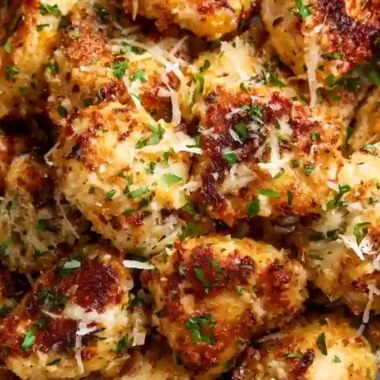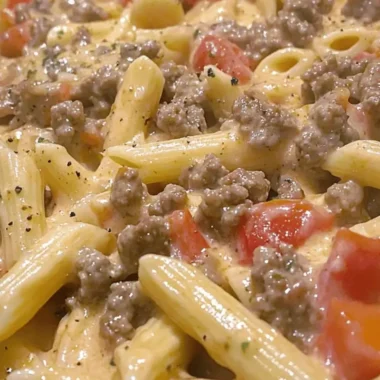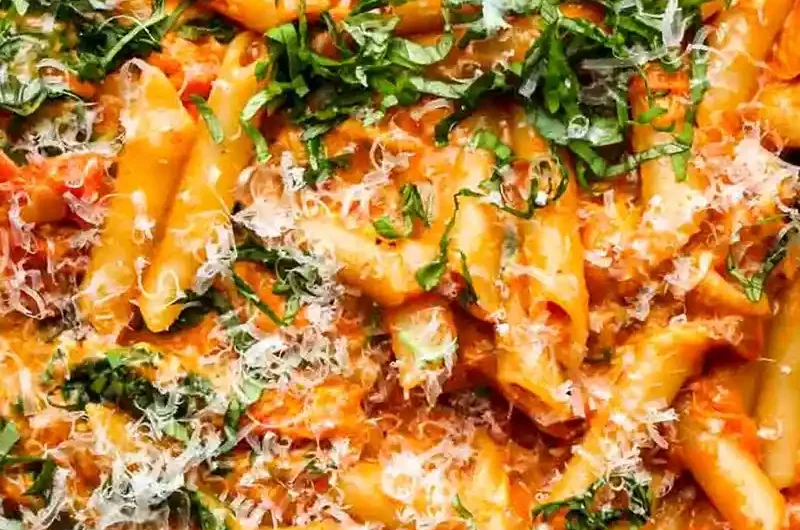
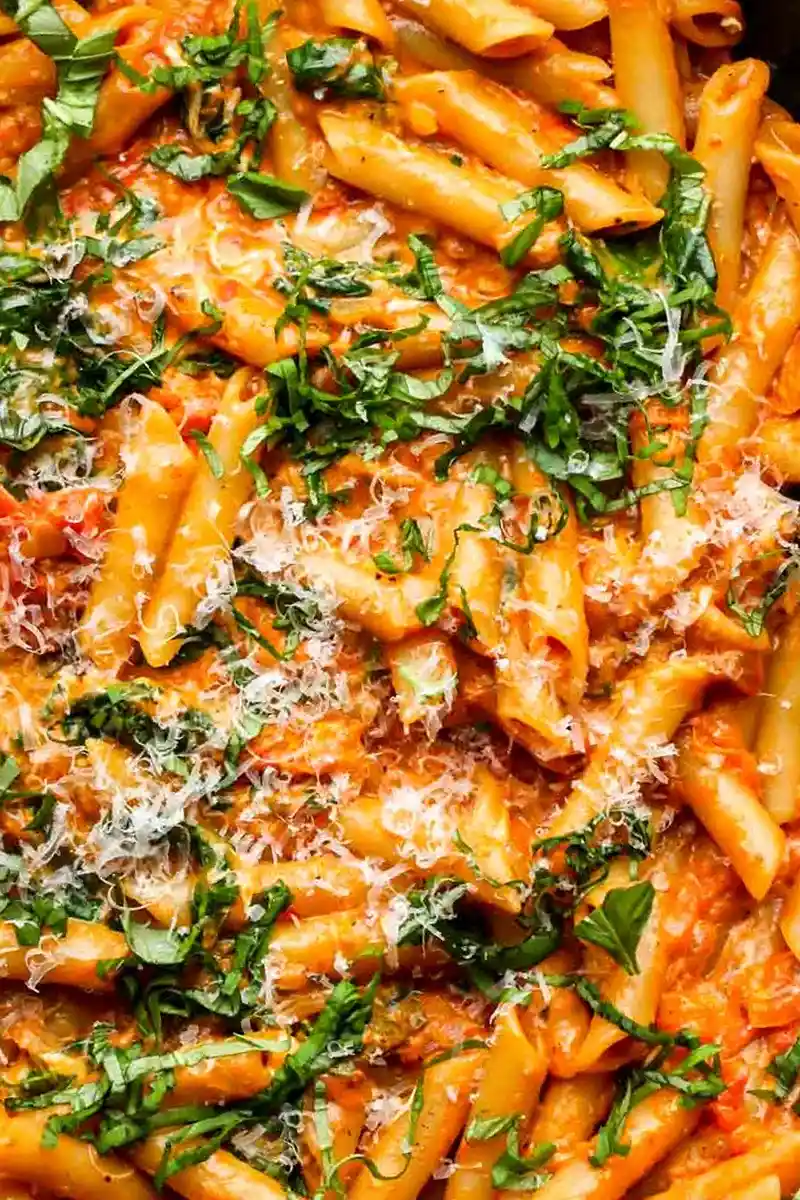
This creamy tomato pasta combines rich sauce, fresh baby spinach, and melted mozzarella in a single skillet. It is a convenient meal solution that delivers a hearty dinner with minimal cleanup in under 30 minutes.
List of ingredients
- 2 Tbsp. extra-virgin olive oil – used for sautéing the aromatics.
- 1 cup diced yellow onion – provides a sweet, savory base.
- 1 pint cherry tomatoes, halved – these break down to create a jammy sauce.
- 8 oz. dry penne pasta – the primary starch for the dish.
- 1 cup marinara sauce – adds deep tomato flavor and richness.
- 2 cups water – used to simmer and cook the pasta.
- 1/2 tsp. garlic powder – provides a concentrated savory taste.
- 1/2 tsp. dried oregano – adds traditional Mediterranean herbal notes.
- 1/2 tsp. kosher salt – enhances all the flavors in the pan.
- 1/2 tsp. cracked black pepper – provides a subtle spicy contrast.
- 2 to 3 generous handfuls fresh baby spinach – adds color and nutrients.
- 1/3 cup heavy cream – creates a smooth and creamy texture.
- 1/2 cup shredded mozzarella cheese (microbial-rennet) – adds melty goodness.
- 1/4 cup chopped fresh basil leaves – used for a fresh aromatic finish.
- Grated Parmesan cheese (microbial-rennet) for garnish – an optional salty addition.
step-by-step instructions
- Sauté the base: Heat 2 Tbsp. oil in a large skillet with a fitted lid over medium heat. Add onion and tomatoes; cook 7 to 8 minutes, until the onion is soft and tomatoes are broken down and jammy. (Tip: Use a heavy skillet to prevent the onions from burning).
- Simmer the pasta: Add pasta, marinara sauce, water, garlic powder, oregano, salt, and pepper. Increase heat to medium-high and bring mixture to a simmer. Cover and cook, stirring occasionally, until the pasta is al dente, 10 to 12 minutes. (Tip: Stirring every few minutes prevents the pasta from sticking to the bottom).
- Finish with cream and cheese: Remove lid and stir in heavy cream, spinach, and cheese. Stir continuously until spinach wilts and cheese melts, about 2 minutes. Garnish with fresh basil and Parmesan, if using. (Tip: Add the basil at the very end to keep its color bright).
Pro Cooking Techniques for One-Pan Pasta
Utilize a Tight-Fitting Lid
A tight lid is critical for this recipe because it traps steam inside the skillet. This environment allows the dry pasta to hydrate and cook through without requiring an excessive amount of liquid. If your lid is loose, you may need to add a small splash of extra water to prevent the sauce from drying out.
Achieving the Perfect Jammy Tomatoes
Sautéing the cherry tomatoes until they burst is the key to a deep flavor profile. When the tomatoes break down, they release their natural sugars and juices, which blend with the olive oil to create a thick base. Avoid rushing this step, as the caramelization adds a complexity that store-bought sauce alone cannot provide.
Preventing Pasta Sticking
Because the pasta cooks directly in the sauce rather than in a large pot of boiling water, the starch stays in the pan. This makes the sauce creamier, but it also increases the risk of the noodles sticking together. Stirring occasionally during the simmering phase ensures the pasta remains separated and cooks evenly.
Monitoring the Al Dente Texture
Check the pasta a minute or two before the timer goes off to ensure it does not overcook. Since you will be stirring in cream and cheese at the end, the pasta will continue to cook slightly from the residual heat. Removing it from the heat while it still has a slight bite prevents a mushy final result.
Ingredient Substitutions and Swaps
Choosing Different Pasta Shapes
While penne is recommended for its ability to hold onto creamy sauce, other short shapes like fusilli or rigatoni work equally well. Avoid using long noodles like spaghetti or linguine in this specific skillet method, as they can clump together more easily. Short, tubular pasta ensures a balanced ratio of sauce to noodle in every bite.
Gluten-Free and High-Protein Alternatives
Chickpea pasta is an excellent substitute for those seeking more protein or a gluten-free option. Brown rice pasta also works well, though you should monitor the liquid levels as some gluten-free varieties absorb water differently. Adjust the simmering time based on the specific package instructions for your alternative pasta.
Whole Wheat Pasta for Extra Fiber
Whole wheat penne adds a subtle nuttiness and increases the fiber content of the meal. Because whole wheat pasta can have a stronger flavor, the acidity of the tomatoes helps balance the taste. Be mindful that whole wheat pasta often takes a minute or two longer to reach the desired tenderness.
Lighter Cream Alternatives
If you prefer a lighter sauce, you can substitute the heavy cream with half-and-half or whole milk. For a dairy-free version, full-fat coconut milk or a cashew-based cream provides a similar richness. Note that plant-based creams may change the flavor profile slightly, adding a hint of nuttiness or coconut.
Using Alternative Cheeses
Crumbled feta can be used instead of mozzarella for a saltier, tangier flavor profile. Fresh goat cheese also provides a creamy, tart contrast to the sweet tomatoes. If you prefer a sharper taste, increase the amount of Parmesan and reduce the mozzarella.
Swapping Fresh Tomatoes for Pantry Options
If fresh cherry tomatoes are unavailable, you can use sun-dried tomatoes packed in oil. Use about a half-cup of sliced sun-dried tomatoes and reduce the sauté time since they are already concentrated. This creates a more intense, savory tomato flavor in the final dish.
Ways to Add Protein
Incorporating Ground Poultry
To make this a high-protein meal, add 12 ounces of ground turkey or chicken to the pan. Sauté the meat with the onions and tomatoes until fully browned before adding the pasta and liquids. This ensures the meat is cooked through and contributes its juices to the overall sauce.
Adding Sautéed Shrimp
Shrimp is a quick addition that pairs well with tomato and basil. Sauté the shrimp separately in a bit of olive oil until pink, then stir them into the pasta during the final two minutes of cooking. Adding them at the end prevents the shrimp from becoming rubbery.
Using Plant-Based Protein Sources
Canned chickpeas, rinsed and drained, can be stirred in during the simmering phase for a vegetarian protein boost. Firm tofu cubes, sautéed until golden, can also be added for texture. These options keep the meal hearty while remaining plant-forward.
Adding Sliced Vegetarian Sausage
Plant-based Italian-style sausages can be sliced and browned at the beginning of the recipe. The spices in the sausage complement the oregano and garlic powder. Ensure the sausage is well-browned to add a smoky depth to the creamy sauce.
Vegetable Variations for Extra Nutrition
Adding Earthy Mushrooms
Sliced cremini or button mushrooms add a savory umami depth to the pasta. Add them to the skillet at the same time as the onions and cook until they release their moisture and brown. This adds a meaty texture and enhances the richness of the sauce.
Incorporating Diced Zucchini
Zucchini is a great way to add volume and nutrients without altering the flavor significantly. Add diced zucchini just before you add the pasta and liquid. It will simmer along with the noodles, becoming tender and absorbing the tomato flavors.
Using Fennel for a Sweet Contrast
Finely diced fennel bulb can be sautéed with the onions to provide a subtle anise-like sweetness. This flavor pairs exceptionally well with the acidity of the marinara and the creaminess of the mozzarella. It adds a sophisticated, aromatic layer to the dish.
Swapping Spinach for Hearty Greens
If you prefer a bolder green, replace the baby spinach with chopped kale or Swiss chard. Since these greens are tougher, stir them in a few minutes earlier than you would with spinach. This ensures they are tender by the time the cheese is melted.
Serving Suggestions and Pairings
Pairing with a Peppery Arugula Salad
A fresh arugula salad with a simple lemon vinaigrette balances the richness of the cream and cheese. The bitterness of the arugula cuts through the heavy sauce, refreshing the palate. Add some shaved radish or cucumber for extra crunch.
Serving with Toasted Garlic Bread
Warm, buttery garlic bread is the perfect accompaniment for soaking up the remaining creamy tomato sauce. Use a French baguette sliced lengthwise, spread with garlic butter, and toasted until golden. This adds a satisfying crunch to the meal.
Adding a Side of Roasted Brussels Sprouts
Roasted Brussels sprouts provide a charred, earthy flavor that complements the sweetness of the cherry tomatoes. Toss them in olive oil and salt, then roast at 400 degrees Fahrenheit until crisp. Their texture provides a great contrast to the soft pasta.
Complementing with a Light Vinaigrette Side
A side of sliced cucumbers and tomatoes tossed in a light balsamic vinaigrette adds brightness. The acidity of the vinegar helps balance the fat from the heavy cream and mozzarella. It keeps the meal feeling light despite the creamy components.
Storage and Reheating Instructions
Safe Refrigeration Practices
Store any leftover pasta in an airtight container in the refrigerator for up to five days. Because the sauce contains cream, ensure it is cooled slightly before sealing to prevent excess condensation. Keep the container tightly sealed to maintain the moisture of the noodles.
Freezing for Long-Term Storage
This pasta can be frozen in zip-top bags or freezer-safe containers for up to two months. Be aware that cream-based sauces can sometimes separate slightly during the freezing process. To thaw, move the pasta to the refrigerator overnight before reheating.
Best Method for Stovetop Reheating
For the best texture, reheat the pasta in a covered pot over medium-low heat. Add a tablespoon of water or a splash of milk to loosen the sauce as it warms. Stir occasionally to ensure the cheese remelts evenly without burning the bottom.
Quick Microwave Reheating Tips
For individual portions, microwave the pasta in a microwave-safe dish. Cover the dish with a damp paper towel to trap steam and prevent the pasta from drying out. Heat in short intervals, stirring in between, until the dish is steaming throughout.
Troubleshooting Common Pasta Issues
Fixing a Sauce That is Too Thin
If the sauce seems too watery after the pasta is cooked, remove the lid and simmer for an additional two to three minutes. This allows the excess liquid to evaporate and the sauce to reduce. Stir frequently to ensure the pasta does not overcook during this process.
Addressing Overcooked Pasta
If the pasta becomes too soft, it is likely due to simmering for too long or stirring too aggressively. To prevent this in the future, check the noodles a few minutes early. Once overcooked, the best fix is to serve the dish immediately so it does not soften further.
Solving a Sauce That is Too Thick
If the sauce becomes too thick or clumps together, stir in a tablespoon of pasta water or warm milk. This helps emulsify the fats from the cheese and cream, creating a smooth consistency again. Add the liquid gradually until the desired creaminess is achieved.
Preventing Spinach Clumping
To avoid clumps of spinach, add the leaves in small batches rather than dumping them in all at once. Stir constantly as you add them to ensure they are evenly distributed. This ensures every serving has a balanced amount of greens.
Frequently Asked Questions
Can I use a different pasta?
Yes, any short pasta shape like rotini or bowtie will work. Avoid long noodles like spaghetti, as they are harder to stir in a single skillet and may clump together.
Do I need to pre-boil the pasta?
No, this is a one-pan recipe where the pasta cooks directly in the sauce. This method allows the pasta to absorb the flavors of the tomatoes and spices, resulting in a tastier noodle.
How do I make this recipe vegan?
Replace the heavy cream with coconut cream or a cashew-based alternative. Use a vegan mozzarella and Parmesan substitute, and ensure the marinara sauce contains no dairy products.
Can I use frozen spinach?
Yes, you can use frozen spinach, but it must be thawed and squeezed very dry first. Adding frozen spinach directly to the pan can release too much water and thin out the sauce.
Print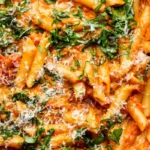
Easy One-Pot Creamy Tomato and Spinach Pasta
- Total Time: 30 minutes
- Yield: 4 servings 1x
- Diet: Vegetarian
Description
One Pan Creamy Tomato Pasta with spinach and mozzarella will become your savior on busy weeknights. Ready in under 30 minutes and picky eater-approved, this skillet pasta is a crowd favorite.
Ingredients
- 2 Tbsp. extra-virgin olive oil
- 1 cup diced yellow onion
- 1 pint cherry tomatoes, halved
- 8 oz. dry penne pasta
- 1 cup marinara sauce
- 2 cups water
- 1/2 tsp. garlic powder
- 1/2 tsp. dried oregano
- 1/2 tsp. kosher salt
- 1/2 tsp. cracked black pepper
- 2 to 3 generous handfuls fresh baby spinach
- 1/3 cup heavy cream
- 1/2 cup shredded mozzarella cheese
- 1/4 cup chopped fresh basil leaves
- Grated Parmesan cheese for garnish (optional)
Instructions
- Sauté: Heat 2 Tbsp. oil in a large skillet with a fitted lid over medium heat. Add onion and tomatoes; cook 7 to 8 minutes, until the onion is soft and tomatoes are broken down and jammy.
- Simmer: Add pasta, marinara sauce, water, garlic powder, oregano, salt, and pepper. Increase heat to medium-high and bring mixture to a simmer. Cover and cook, stirring occasionally, until the pasta is al dente, 10 to 12 minutes.
- Finish: Remove lid and stir in heavy cream, spinach, and cheese. Stir continuously until spinach wilts and cheese melts, about 2 minutes. Garnish with fresh basil and Parmesan, if using.
Notes
Store in an airtight container in the fridge for up to 5 days. Freeze in zip-top bags or freezable containers for up to 2 months. Reheat on the stovetop over medium heat in a covered pot or microwave individual portions.
- Prep Time: 10 minutes
- Cook Time: 20 minutes
- Category: Entree
- Method: Skillet
- Cuisine: Mediterranean
Nutrition
- Serving Size: 1.5 cups
- Calories: 447 kcal
- Sugar: 9 g
- Sodium: 620 mg
- Fat: 22 g
- Saturated Fat: 8 g
- Unsaturated Fat: 14 g
- Trans Fat: 0 g
- Carbohydrates: 54 g
- Fiber: 5 g
- Protein: 14 g
- Cholesterol: 70 mg
Keywords: one pan pasta, creamy tomato pasta, skillet pasta, easy dinner, vegetarian pasta