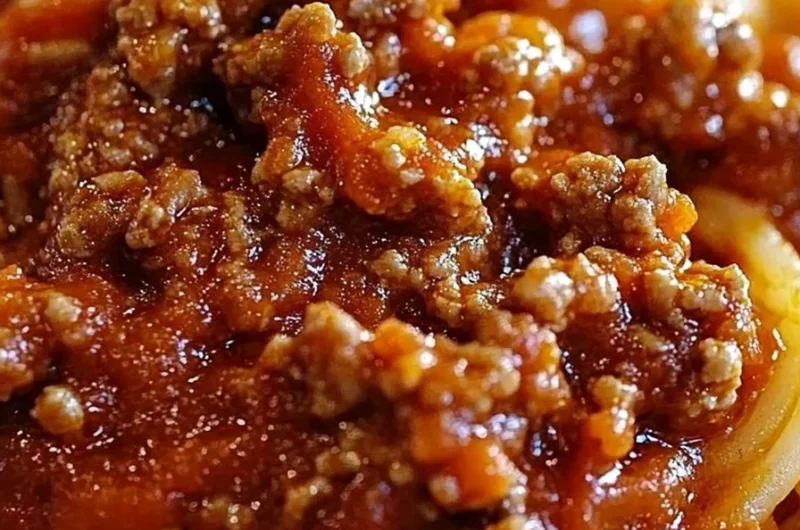
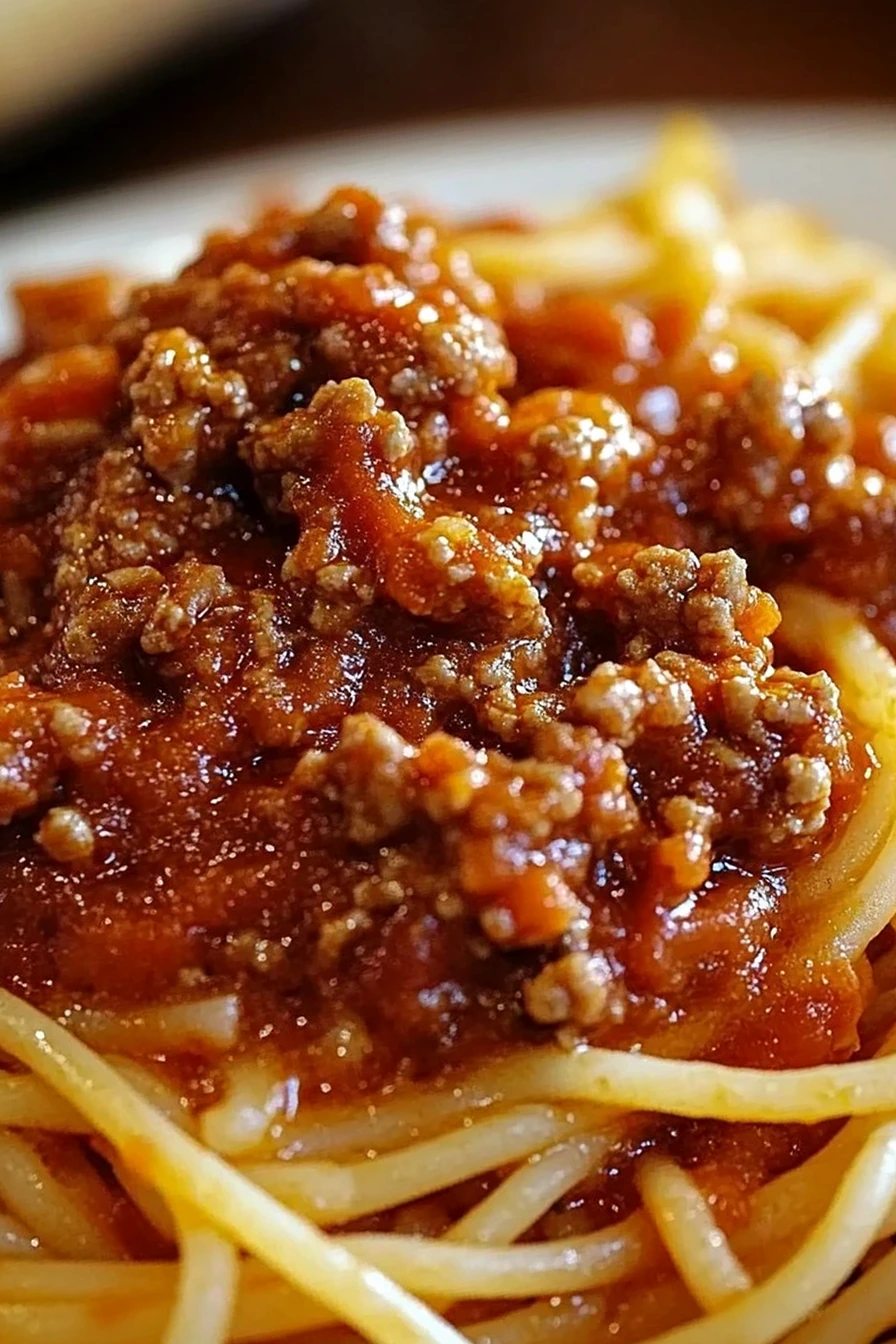
This recipe provides a hearty and satisfying pasta meal featuring a rich, savory beef sauce. It is designed for simplicity and efficiency, making it an ideal choice for busy weeknight dinners.
List of ingredients
- 12 oz spaghetti noodles – provide the base for the dish.
- 1 lb ground beef – adds protein and richness to the sauce.
- 1 medium onion, chopped – provides a sweet, aromatic foundation.
- 2 cloves garlic, minced – adds sharp, savory depth.
- 15 oz canned tomato sauce – creates a smooth sauce consistency.
- 14.5 oz canned diced tomatoes – adds texture and acidity.
- 1 tsp Italian seasoning – a blend of dried herbs for classic flavor.
- Salt and pepper to taste – essential for seasoning balance.
- Grated Parmesan cheese (microbial-rennet) (optional) – for a salty, nutty finish.
step-by-step instructions
- Cook the Spaghetti: Bring a large pot of salted water to a boil. Add the spaghetti noodles and cook according to the package instructions until al dente. Drain and set aside.
- Prepare the Meat Sauce: In a large skillet over medium heat, add the ground beef. Cook until browned, breaking it apart with a spatula as it cooks. Drain any excess fat.
- Add Aromatics: Add the chopped onion and minced garlic to the skillet. Sauté until the onion is tender and translucent, about 5 minutes.
- Combine the Sauces: Stir in the canned tomato sauce and diced tomatoes. Add Italian seasoning, plus salt and pepper to taste.
- Simmer: Reduce the heat and let the sauce simmer for 20-30 minutes, stirring occasionally. This allows the flavors to marry beautifully.
- Serve: To serve, plate the spaghetti and generously ladle the meat sauce over it. Top with grated Parmesan cheese if desired.
Recommended Side Dishes
Fresh Mixed Green Salad
Pair this heavy pasta dish with a light green salad. Use a mixture of romaine and spinach topped with a sharp balsamic vinaigrette to cut through the richness of the meat sauce.
Homemade Garlic Toast
Toasted baguette slices brushed with garlic butter provide a crunchy contrast. Bake them in the oven until golden brown to serve as a vessel for extra sauce.
Steamed Broccoli Florets
Adding a side of steamed broccoli provides necessary nutrients and a fresh color to the plate. Season with a squeeze of lemon juice and a pinch of salt for brightness.
Roasted Root Vegetables
Carrots and parsnips roasted with olive oil and thyme offer a sweet complement to the savory beef. This addition makes the meal more filling and balanced.
Chilled Lemonade
A tart, cold lemonade helps cleanse the palate between bites of savory pasta. The acidity of the lemon balances the heavy fats in the ground beef.
Iced Black Tea
Unsweetened iced tea is a refreshing, low-calorie beverage option. It provides a clean finish that doesn’t compete with the bold flavors of the Italian seasoning.
Protein and Vegetable Substitutions
Ground Turkey Alternative
Substitute ground beef with ground turkey for a leaner protein option. You may need to add a tablespoon of olive oil to the skillet as turkey has less natural fat for browning.
Plant-Based Crumbles
Use plant-based meat alternatives to make the dish vegan or vegetarian. Most plant-based crumbles mimic the texture of beef and work well with tomato-based sauces.
Adding Diced Carrots
Finely dice carrots and sauté them along with the onions. This adds a subtle sweetness and increases the vitamin content of the meat sauce.
Incorporating Bell Peppers
Adding diced red or green bell peppers provides a mild sweetness and a pop of color. Sauté them until softened before adding the tomato products.
Adding Fresh Spinach
Stir in a handful of fresh spinach during the last two minutes of simmering. The heat will wilt the leaves quickly, adding iron and nutrients without changing the flavor profile.
Substituting Zucchini
Small cubes of zucchini can be simmered in the sauce for added volume. This is a great way to incorporate more vegetables for children or picky eaters.
Whole Wheat Spaghetti
Swap white pasta for whole wheat spaghetti to increase fiber. Whole wheat pasta has a nuttier taste that pairs well with a robust meat sauce.
Gluten-Free Pasta Options
Use brown rice or chickpea-based pasta for those with gluten sensitivities. Ensure you cook these according to their specific package directions to avoid mushiness.
Penne or Fusilli Shapes
If you prefer a different texture, use penne or fusilli. These shapes are excellent for trapping the meat sauce in their ridges and holes.
Adding Red Lentils
For extra heartiness, stir in cooked red lentils. They blend into the meat sauce, adding protein and a thicker consistency to the final product.
Technical Cooking Tips
Salting the Pasta Water
Always add a generous amount of salt to the boiling water. This is the only chance to season the pasta itself, ensuring the final dish isn’t bland.
Achieving Al Dente Texture
Remove the pasta from the heat one minute before the package suggests. The residual heat will finish the cooking process, preventing the noodles from becoming overcooked.
Browning the Meat Properly
Allow the beef to sear without stirring constantly. This creates a brown crust through the Maillard reaction, which significantly enhances the depth of the sauce.
Sautéing Aromatics Correctly
Cook the onions until they are translucent rather than browned. This ensures a sweet, mellow flavor that doesn’t overpower the tomato base.
Managing Garlic Heat
Add the minced garlic only after the onions have softened. Garlic burns quickly at high temperatures, and burnt garlic can taste bitter.
The Role of Simmering
Simmering the sauce on low heat allows water to evaporate and flavors to concentrate. This transforms a thin liquid into a rich, cohesive meat sauce.
Effective Fat Drainage
Use a colander or a spoon to remove excess grease after browning the beef. This prevents the final dish from feeling oily on the palate.
Emulsifying the Sauce
If the sauce separates, stir in a tablespoon of the starchy pasta cooking water. The starch helps bind the fat and liquid together for a smoother texture.
Preventing Pasta Sticking
Toss the drained spaghetti with a small amount of olive oil or a ladle of sauce immediately. This prevents the noodles from clumping together as they cool.
Controlling the Flame
Keep the sauce at a gentle bubble rather than a rolling boil. High heat can cause the tomato sauce to break down or scorch at the bottom of the pan.
Preservation and Reheating
Airtight Container Storage
Store leftovers in BPA-free airtight containers to maintain freshness. Separating the sauce from the pasta can prevent the noodles from absorbing too much liquid.
Refrigeration Timelines
The prepared spaghetti and meat sauce will stay fresh in the refrigerator for up to three days. Ensure the food is cooled slightly before sealing the container.
Freezing the Meat Sauce
Freeze the meat sauce in portions using freezer-safe bags or containers. The sauce remains high quality for up to three months when frozen flat.
Thawing Procedures
Thaw frozen sauce in the refrigerator overnight for the safest results. Alternatively, place the sealed bag in a bowl of cold water for a faster thaw.
Stovetop Reheating
Reheat the sauce in a saucepan over low heat. Add a splash of water or beef broth to restore the original consistency if it has thickened too much.
Microwave Reheating Tips
Place the pasta and sauce in a microwave-safe bowl and cover it with a damp paper towel. This creates steam, preventing the pasta from drying out.
Refreshing Overcooked Pasta
If the pasta feels too soft after reheating, rinse it quickly with hot water. This removes excess starch and can slightly improve the texture.
Avoiding Repeated Freezing
Do not refreeze sauce that has already been thawed. This degrades the texture of the meat and can lead to food safety concerns.
Sauce Troubleshooting
Correcting Excessive Acidity
If the tomato sauce tastes too tart, add a pinch of granulated sugar. The sweetness neutralizes the acid without making the sauce taste like dessert.
Fixing a Watery Sauce
Simmer the sauce without a lid to allow more moisture to evaporate. This naturally thickens the consistency and concentrates the beef flavor.
Thinning an Overly Thick Sauce
Stir in a small amount of water or unsalted beef broth. Add the liquid one tablespoon at a time until the desired consistency is reached.
Reducing High Salt Levels
If the sauce is too salty, add a diced potato and simmer for ten minutes before removing it. The potato helps absorb excess sodium from the liquid.
Preventing Garlic Bitterness
If you notice the garlic turning dark brown, immediately add the tomato sauce. The liquid will drop the temperature of the pan and stop the garlic from burning.
Improving Meat Texture
Use a potato masher or a whisk while browning the beef. This ensures the meat is broken into fine crumbles rather than large, chewy chunks.
Frequently Asked Questions
Can the sauce be made in a slow cooker?
Yes, combine the browned beef and all sauce ingredients in a slow cooker. Cook on low for 6-8 hours for a deeper, more developed flavor.
Which ground beef fat percentage is best?
An 80/20 lean-to-fat ratio is ideal for flavor and moisture. If using 90/10, add a small amount of oil to prevent the meat from becoming dry.
How can I prevent the pasta from sticking?
Stir the noodles frequently during the first few minutes of boiling. Adding a small amount of oil to the water is optional, but stirring is more effective.
Can I use fresh tomatoes instead of canned?
Fresh tomatoes work well but require longer simmering to break down. You may need to add a tablespoon of tomato paste to achieve the same thickness.
Is it possible to make this recipe dairy-free?
Yes, simply omit the Parmesan cheese. The sauce is naturally dairy-free and retains its flavor without the cheese topping.
How long does the prepared sauce last?
The sauce lasts 3-4 days in the refrigerator. Always ensure it is stored at or below 40 degrees Fahrenheit to maintain safety.
Can I add fresh herbs at the end?
Adding fresh basil or parsley just before serving enhances the aroma. Fresh herbs lose their potency if cooked for a long time.
Is batch cooking this recipe efficient?
Yes, the meat sauce freezes exceptionally well. Making a double batch allows you to have quick meals ready for future weeknights.
Print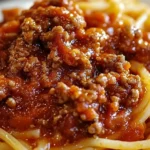
School Cafeteria Spaghetti & Meat Sauce
- Total Time: 70 minutes
- Yield: 6 servings 1x
- Diet: General
Description
A nostalgic, creamy, and hearty School Cafeteria Spaghetti & Meat Sauce that brings back cherished lunchroom memories with its comforting flavors.
Ingredients
- 12 oz spaghetti noodles
- 1 lb ground beef
- 1 medium onion, chopped
- 2 cloves garlic, minced
- 15 oz canned tomato sauce
- 14.5 oz canned diced tomatoes
- 1 tsp Italian seasoning
- Salt and pepper to taste
- Grated Parmesan cheese (optional)
Instructions
- Cook the Spaghetti: Bring a large pot of salted water to a boil. Add the spaghetti noodles and cook according to the package instructions until al dente. Drain and set aside.
- Prepare the Meat Sauce: In a large skillet over medium heat, add the ground beef. Cook until browned, breaking it apart with a spatula as it cooks. Drain any excess fat.
- Add Aromatics: Add the chopped onion and minced garlic to the skillet. Sauté until the onion is tender and translucent, about 5 minutes.
- Combine the Sauces: Stir in the canned tomato sauce and diced tomatoes. Add Italian seasoning, plus salt and pepper to taste.
- Simmer: Reduce the heat and let the sauce simmer for 20-30 minutes, stirring occasionally.
- Serve: Plate the spaghetti and generously ladle the meat sauce over it. Top with grated Parmesan cheese if desired.
Notes
For a lighter option, ground turkey or plant-based meat can be substituted for beef. Store leftovers in an airtight container in the refrigerator for up to three days or freeze for up to three months.
- Prep Time: 30 minutes
- Cook Time: 40 minutes
- Category: Main Course
- Method: Stovetop
- Cuisine: American
Nutrition
- Serving Size: 1 serving
- Calories: 520 kcal
- Sugar: 10 g
- Sodium: 950 mg
- Fat: 18 g
- Saturated Fat: 7 g
- Unsaturated Fat: 11 g
- Trans Fat: 0 g
- Carbohydrates: 45 g
- Fiber: 5 g
- Protein: 28 g
- Cholesterol: 75 mg
Keywords: spaghetti, meat sauce, school cafeteria, nostalgic, comfort food, easy dinner