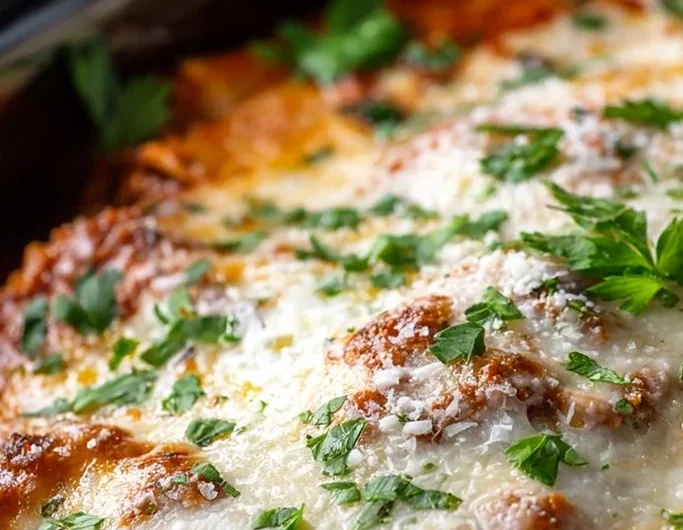
Prepare a hearty, comforting meal with minimal effort using this slow cooker method. This recipe layers savory beef, rich marinara, and creamy cheeses for a satisfying dinner. It is an ideal solution for busy weeknights when you want a home-cooked meal without spending hours at the stove.
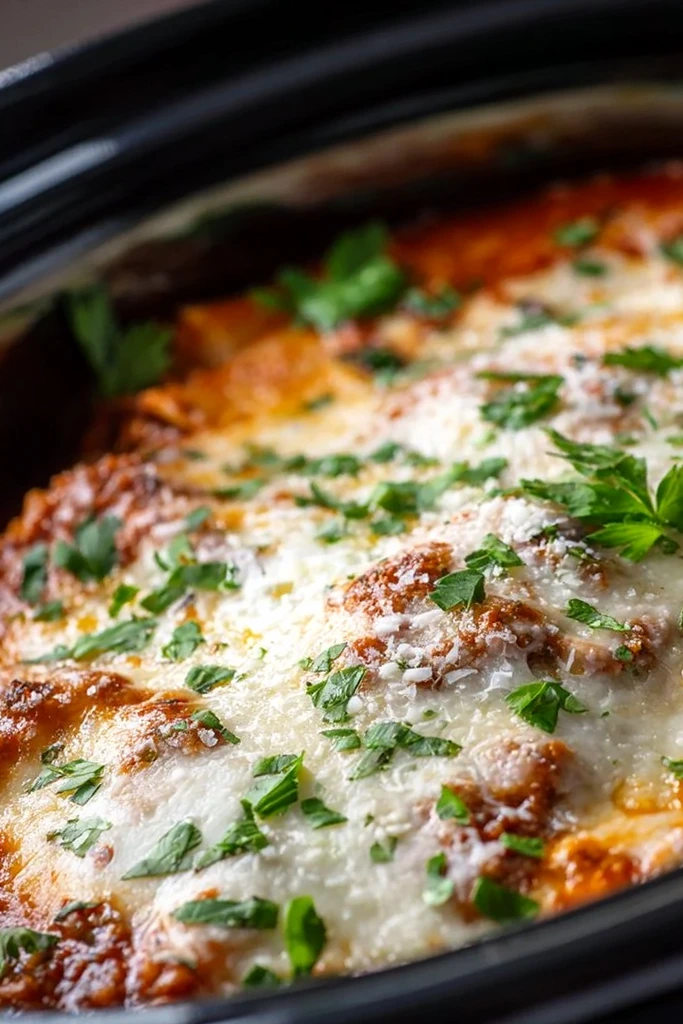
List of ingredients
- 1 pound ground beef – browned and drained of excess fat.
- 9-12 lasagna noodles – uncooked, broken to fit the pot.
- 3 cups marinara sauce – your favorite store-bought or homemade variety.
- 3 cups ricotta cheese – well-blended for a creamy consistency.
- 2 cups shredded mozzarella cheese – for gooey, melted layers.
- 1 cup grated Parmesan cheese – adds a salty, nutty depth.
- Italian seasoning – for classic herb flavoring.
- Garlic powder – to enhance the savory profile.
- Salt – used to taste for seasoning the meat.
step-by-step instructions
- Brown the beef: Cook the ground beef in a skillet over medium heat until fully browned, then drain any excess fat.
- Base layer: Spread a thin layer of marinara sauce on the bottom of the crockpot to prevent sticking.
- First noodle layer: Place uncooked lasagna noodles over the sauce, breaking them into pieces as needed to fit the pot’s shape.
- Cheese and meat: Spread half of the ricotta cheese over the noodles, followed by half of the cooked ground beef.
- Cheese topping: Add a layer of mozzarella cheese and sprinkle with Parmesan.
- Repeat layers: Repeat the layering process until all ingredients are used, finishing with a final top layer of marinara sauce and cheeses.
- Slow cook: Cover the crockpot and cook on low for 4-6 hours, or until the noodles are tender and the cheese is melted and bubbly.
Professional Cooking Tips for Best Results
Prevent Noodle Sticking
Always start with a layer of marinara sauce at the bottom of the crockpot. This creates a moisture barrier that prevents the bottom noodles from sticking to the ceramic surface. It also ensures the bottom layer absorbs flavor as it cooks.
Manage the Meat Fat
Ensure the ground beef is thoroughly drained after browning in the skillet. Excess fat can pool at the bottom of the slow cooker, resulting in a greasy texture. Using a colander or absorbent paper towels helps maintain a clean flavor profile.
Optimize the Pot Size
Use a slow cooker that allows for clear layering without overfilling. If the pot is filled to the absolute brim, the heat may not circulate evenly, leading to undercooked center noodles. Leave about an inch of space at the top for the best results.
Stir the Ricotta Blend
Before layering, stir the ricotta cheese to break up any lumps. You can also mix in a pinch of salt or a teaspoon of Italian seasoning directly into the cheese. This ensures a consistent, creamy texture throughout every bite.
Avoid Frequent Lid Opening
Keep the lid closed throughout the cooking process to maintain a steady internal temperature. Every time the lid is lifted, a significant amount of heat escapes, which can add 15-30 minutes to the total cook time. Only open the lid at the very end to check for doneness.
Let the Lasagna Set
Allow the lasagna to rest for 10-15 minutes after turning off the heat. This settling period allows the layers to firm up and the sauce to thicken slightly. It makes slicing and serving much cleaner, preventing the layers from sliding apart.
Ingredient Substitutions and Swaps
Use Ground Turkey for Leaner Protein
You can replace the ground beef with ground turkey or ground chicken for a lighter version of this dish. Turkey provides a similar texture but contains less saturated fat. Be sure to season the turkey well with extra garlic powder to maintain the savory depth.
Swap Ricotta for Cottage Cheese
If ricotta is unavailable, small-curd cottage cheese is an excellent alternative. For a smoother consistency, pulse the cottage cheese in a food processor for a few seconds. It offers a similar creaminess with a slightly different tang.
Use Provolone for a Stronger Flavor
To add a sharper taste, substitute half of the mozzarella with shredded provolone cheese. Provolone melts well and provides a more robust, piquant flavor. This variation is particularly good if you are using a milder marinara sauce.
Alternative Sauce Options
While marinara is traditional, you can use a vegetable-based tomato sauce or a chunky garden sauce. If using a very thick sauce, add a small splash of water or vegetable broth to the pot. This ensures there is enough moisture to cook the uncooked noodles.
Creative Recipe Variations
Incorporate Fresh Spinach
Add a layer of fresh or sautéed spinach between the ricotta and the meat. Spinach adds a pop of color and a boost of nutrients without overpowering the other flavors. Squeeze out any excess water from cooked spinach to avoid a watery lasagna.
Add Sliced Mushrooms
Sauté sliced cremini or button mushrooms with the ground beef for an earthier taste. Mushrooms add a meaty texture and depth that complements the Parmesan cheese. This is a great way to increase the volume of the filling.
Low-Carb Zucchini Layers
Replace some or all of the pasta noodles with thinly sliced zucchini planks. Salt the zucchini slices and let them sit for 10 minutes, then pat them dry before layering. This reduces the carbohydrate content while maintaining the structure of the dish.
Spicy Pepper Additions
For those who prefer heat, stir red pepper flakes into the marinara sauce or add diced jalapeños to the meat mixture. The creaminess of the ricotta and mozzarella balances the spice perfectly. Start with a small amount and adjust to your preference.
Three-Cheese Blend Mix
Create a custom cheese blend by mixing mozzarella, Parmesan, and a bit of Pecorino Romano. The addition of Pecorino adds a salty, sharp edge that cuts through the richness of the beef. Use equal parts for a balanced flavor profile.
Serving and Pairing Suggestions
Pair with Garlic Bread
Serve each slice of lasagna with a piece of toasted garlic bread. The crunch of the bread provides a great textural contrast to the soft noodles and cheese. Use a baguette brushed with garlic butter and toasted until golden brown.
Serve with a Balsamic Side Salad
A fresh arugula or mixed greens salad with a balsamic vinaigrette is the perfect accompaniment. The acidity of the vinegar helps cleanse the palate between rich bites of cheese and meat. Keep the salad dressing light to balance the meal.
Garnish with Fresh Herbs
Finish the dish with a sprinkle of freshly chopped basil or Italian parsley. Fresh herbs add a bright, aromatic quality that lifts the heavy flavors of the slow cooker. It also makes the presentation look more professional.
Plating for Presentation
Use a wide spatula to lift square portions carefully from the pot. Place the slice in the center of a warm plate to keep the cheese melted. Drizzle a small amount of extra marinara on top for a polished look.
Comprehensive Storage and Reheating Guide
Refrigeration Timeframes
Store leftover lasagna in an airtight container in the refrigerator for up to three to four days. Ensure the lasagna has cooled slightly before sealing to prevent excess condensation. Keep the container on a middle shelf for consistent temperature.
Proper Freezing Techniques
Cut the lasagna into individual portions and wrap them tightly in plastic wrap to prevent freezer burn. Place the wrapped portions into a heavy-duty freezer bag and squeeze out all the air. They can be stored in the freezer for up to three months.
Oven Reheating Instructions
For the best texture, reheat individual slices in the oven at 350°F. Cover the slice with aluminum foil to lock in moisture and prevent the cheese from burning. Bake for 15-20 minutes until the center is hot.
Microwave Reheating Tips
When using a microwave, place the slice on a microwave-safe plate and add a teaspoon of water to the side. Cover the dish with a damp paper towel to steam the noodles. Heat on medium power in one-minute intervals until warmed through.
Thawing Methods
Thaw frozen portions overnight in the refrigerator for the safest results. Avoid thawing at room temperature to prevent bacterial growth. If you are in a hurry, use the defrost setting on your microwave before finishing in the oven.
Common Troubleshooting Solutions
Fixing Mushy Pasta
If the noodles are too soft, try reducing the cooking time by 30 minutes next time. You can also use a slightly thicker marinara sauce to limit the amount of liquid the noodles absorb. Ensure you are using the low setting rather than high.
Solving Dry Top Layers
Dry edges often occur if the lid is not sealing properly or if the sauce is too thick. Add a tablespoon of water around the edges of the pot before starting the cook cycle. This creates steam that keeps the top layer moist.
Reducing Excess Liquid
If the lasagna is too watery, it may be due to the vegetables or a thin sauce. To fix this, let the lasagna rest longer before serving to allow the sauce to set. Next time, ensure all meat is well-drained and vegetables are pre-sautéed.
Ensuring Even Heat Distribution
If the center remains cold while the edges are overcooked, your slow cooker may have hot spots. Try rotating the pot if possible, or use a smaller batch of ingredients. Using a slow cooker with an oval shape often distributes heat more evenly for lasagna.
Frequently Asked Questions
Can I make this lasagna ahead of time?
Yes, you can assemble the layers a day in advance and store the pot in the refrigerator. When you are ready to cook, place it in the slow cooker. Note that it may require an additional 30-60 minutes of cook time since it starts cold.
Do I need to pre-cook the noodles?
No, this recipe is designed to use uncooked noodles that cook directly in the sauce. The slow cooking process provides enough moisture and time for the pasta to become tender. This saves time and reduces the number of pots used.
How do I know when it is fully cooked?
The lasagna is done when the noodles are tender when pierced with a fork and the cheese is melted. If you have a food thermometer, the internal temperature should reach 165°F. The sauce should be bubbling around the edges.
Can I use no-boil noodles?
Yes, no-boil noodles work well in this recipe. However, since they are designed to absorb more liquid, you may need to add an extra 1/2 cup of water or marinara sauce. This prevents the noodles from remaining hard or dry.
Can I cook this on the high setting?
It is recommended to use the low setting to prevent the noodles from becoming mushy. If you must use high, reduce the cooking time to 2-3 hours. Check the noodles frequently to ensure they do not overcook.
Print
Easy Slow Cooker Beef Lasagna
- Total Time: 6 hours 15 minutes
- Yield: 8 servings 1x
- Diet: General
Description
Effortless slow cooker lasagna with layers of meat, cheese, and sauce for a hearty family meal.
Ingredients
- 1 pound ground beef
- 9–12 lasagna noodles
- 3 cups marinara sauce
- 3 cups ricotta cheese
- 2 cups shredded mozzarella cheese
- 1 cup grated Parmesan cheese
- Italian seasoning
- garlic powder
- salt
Instructions
- Step: Brown the ground beef in a skillet over medium heat until fully cooked, then drain any excess fat.
- Step: Spread a thin layer of marinara sauce on the bottom of the crockpot.
- Step: Layer uncooked lasagna noodles over the sauce, breaking them to fit as needed.
- Step: Spread half of the ricotta cheese over the noodles, followed by half of the cooked ground beef.
- Step: Add a layer of mozzarella and sprinkle with Parmesan.
- Step: Repeat these layers until all ingredients are used, finishing with a top layer of sauce and cheeses.
- Step: Cover the crockpot and cook on low for 4-6 hours or until the noodles are tender and the cheese is melted and bubbly.
Notes
Garnish with fresh basil or Italian parsley. Serve with garlic bread and a side salad.
- Prep Time: 15 minutes
- Cook Time: 6 hours
- Category: Main Course
- Method: Slow Cooking
- Cuisine: Italian
Nutrition
- Serving Size: 1 serving
- Calories: 720 kcal
- Sugar: 12 g
- Sodium: 1100 mg
- Fat: 35 g
- Saturated Fat: 18 g
- Unsaturated Fat: 17 g
- Trans Fat: 0 g
- Carbohydrates: 45 g
- Fiber: 4 g
- Protein: 38 g
- Cholesterol: 110 mg
Keywords: comfort food, CrockPot recipes, easy dinner, lasagna, slow cooker meals