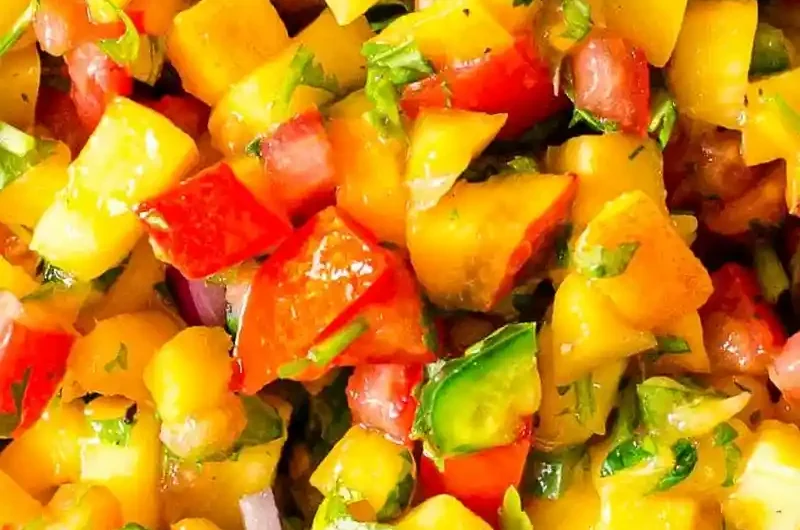
This refreshing peach salsa combines the natural sweetness of summer fruit with a zesty, spicy kick. It serves as a versatile condiment for grilled proteins or a bright appetizer when paired with crunchy chips.
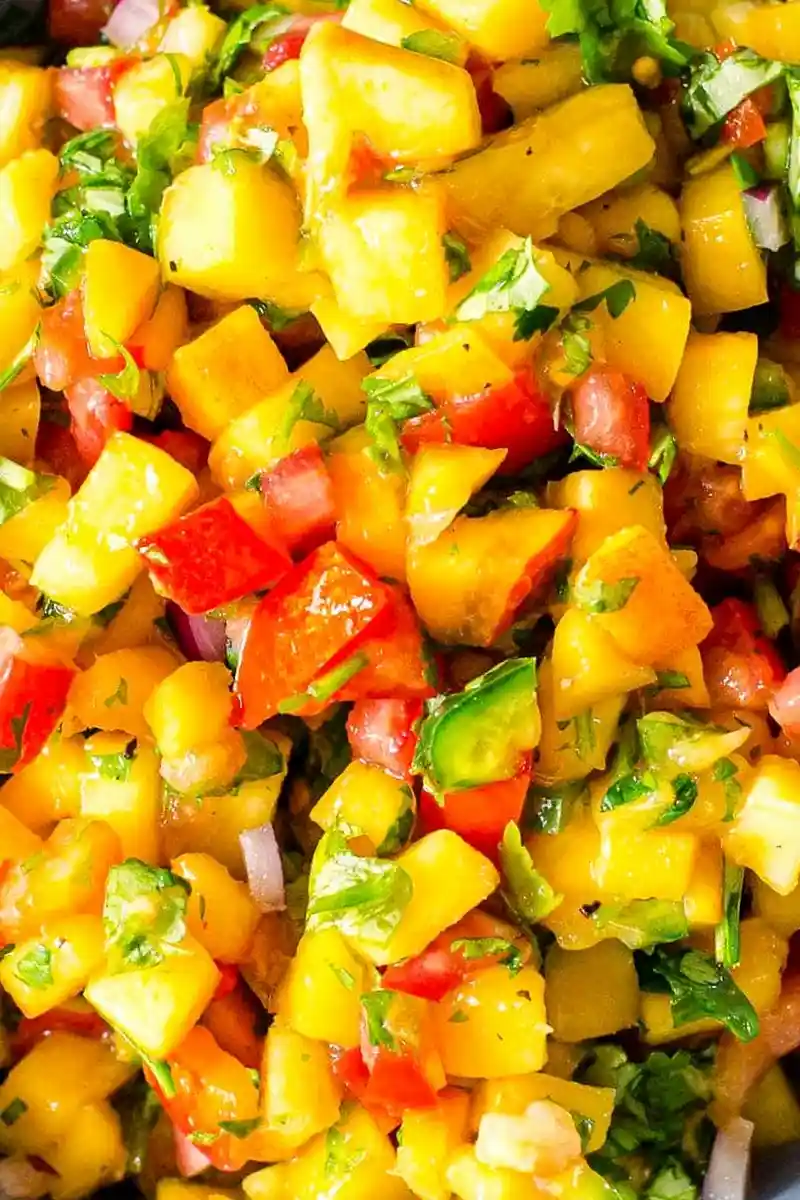
List of ingredients
- 2 lbs peaches – rinsed, dried, and diced.
- 1 lb ripe tomatoes – diced into small pieces.
- 1 small bunch cilantro – finely chopped.
- 1/3 cup red onion – minced for a sharp bite.
- 1 lime – freshly squeezed juice.
- 1 jalapeño – seeded and minced.
- 1/2 tsp salt – to enhance all flavors.
- Ground black pepper – added to taste.
step-by-step instructions
- Dice the peaches: Cut each peach into quarters by slicing all the way to the pit. Carefully remove the slices from the pit, dice them into uniform pieces, and place them in a large mixing bowl.
- Prepare the aromatics: Finely chop the tomatoes, red onion, cilantro, and jalapeño. Aim for a consistent size across all ingredients to ensure a balanced distribution of flavor in every spoonful.
- Combine ingredients: Add the prepared tomatoes, red onion, jalapeño, and cilantro to the bowl with the peaches. Pour in the fresh lime juice and stir in the salt and ground black pepper.
- Chill and adjust: Cover the bowl and refrigerate for approximately 15 minutes to allow the flavors to meld. Taste the salsa and add more salt, pepper, or a pinch of chili powder if you prefer a spicier profile.
- Serve: Spoon the salsa over tortilla chips, grilled meats, or fish, or use it as a topping for tacos.
Guide to Selecting the Best Produce
Choosing the Right Peaches
Select peaches that give slightly when pressed gently with your thumb. They should be fragrant and have a deep yellow or orange color without too many green patches. Avoid peaches that are mushy or have bruised skin, as these will break down too quickly in the salsa.
Picking Ripe Tomatoes
Use firm but ripe tomatoes, such as Roma or vine-ripened varieties. Roma tomatoes are often preferred for salsa because they have thicker walls and fewer seeds, which prevents the mixture from becoming too watery. Ensure the skins are smooth and the color is a deep, consistent red.
Preparing Fresh Cilantro
Wash the cilantro thoroughly under cold water and pat it dry with a paper towel. Only use the leaves and the tender upper parts of the stems, as the lower stems can be woody and bitter. Chop the leaves finely to ensure the herb is distributed evenly throughout the salsa.
Handling the Jalapeño
For a mild heat level, slice the jalapeño lengthwise and scrape out all the seeds and white membranes. The majority of the capsaicin is concentrated in these areas. For those who prefer a spicier salsa, leave some of the seeds intact before mincing the pepper finely.
Advanced Flavor Customization
Increasing the Heat Level
If the jalapeño does not provide enough spice, stir in a small amount of chili powder or cayenne pepper during the final seasoning step. You can also substitute the jalapeño with a habanero pepper for a significantly more intense heat. Always taste after each addition to avoid overpowering the sweetness of the peaches.
Adding Natural Sweetness
Depending on the ripeness of the peaches, you may find the salsa needs more balance. If the lime juice makes the mixture too tart, stir in a teaspoon of honey or maple syrup. This helps bridge the gap between the acidity of the lime and the savory notes of the onion.
Experimenting with Other Citrus
While lime is the traditional choice for a Mexican-style salsa, lemon juice can provide a brighter, more floral acidity. You can also use a combination of both for a complex citrus profile. Always use fresh-squeezed juice rather than bottled concentrates to avoid a metallic aftertaste.
Incorporating Additional Spices
A pinch of smoked paprika can add a subtle depth and a woody aroma to the salsa. Cumin is another option that complements the red onion and tomato, giving the dish a more traditional savory base. Use these spices sparingly so the fresh fruit remains the primary flavor.
Recommended Serving Pairings
Pairing with Grilled Salmon
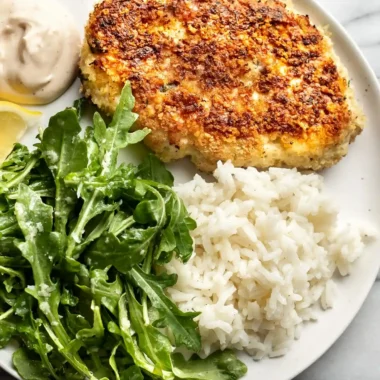
Place a generous scoop of peach salsa on top of a grilled salmon fillet. The acidity of the lime and the sweetness of the peach cut through the richness of the fatty fish. This combination is particularly effective when the salmon is seasoned simply with salt and pepper.
Serving with Grilled Chicken
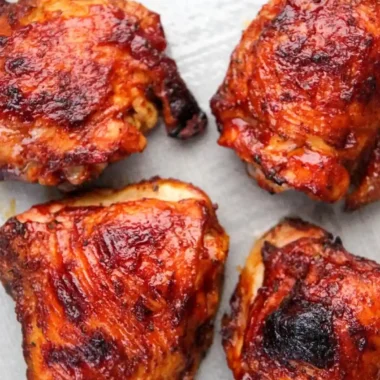
Use the salsa as a topping for grilled chicken breasts or cilantro-lime grilled thighs. The fresh ingredients provide moisture to the lean meat, making it a great alternative to heavy sauces. It also works well in chicken wraps or salads.
Using as a Taco Topper
Spoon the salsa over fish tacos or shrimp tacos to replace traditional cabbage slaw. The crunch of the red onion and the juicy nature of the peaches add a layer of texture and flavor. Pair it with a dollop of Greek yogurt or sour cream for added creaminess.
Healthy Dipping Alternatives
If you want to avoid fried tortilla chips, serve the salsa with sliced cucumbers, jicama sticks, or zucchini rounds. These vegetable options provide a refreshing crunch and keep the appetizer low in calories. Bell pepper strips are also an excellent vessel for the salsa.
Storage and Preservation Techniques
Refrigeration Guidelines
Store the peach salsa in an airtight container or a glass Mason jar to keep it fresh. Keep the container in the coldest part of the refrigerator, away from the door. The salsa will maintain its quality for up to four days when stored properly.
Preventing Excess Liquid
Salt draws moisture out of fresh fruits and vegetables through osmosis, which can lead to a pool of liquid at the bottom of the bowl. To manage this, you can strain the salsa through a coarse mesh sieve before serving. Alternatively, use a slotted spoon when transferring the salsa to a serving platter.
Make-Ahead Strategy
To keep the salsa as fresh as possible for a party, prep the diced peaches, tomatoes, and onions ahead of time. Keep them in a bowl without adding the salt or lime juice. Stir in the seasonings and citrus just before serving to prevent the vegetables from softening too much.
Freezing Considerations
This salsa is not suitable for freezing because the high water content in the peaches and tomatoes causes the cell walls to collapse. Once thawed, the texture becomes mushy and the flavors lose their vibrancy. It is always best to make this recipe fresh from raw ingredients.
Troubleshooting Common Issues
Managing Too Much Juice
If the salsa becomes too watery, avoid adding more salt, which will only draw out more liquid. Instead, add a few more diced pieces of firm peach or tomato to absorb the excess juice. You can also stir in a tablespoon of finely diced bell pepper for added structure.
Balancing High Acidity
If the lime juice is too overpowering, you can neutralize the acid by adding a small amount of fat or sugar. A few diced pieces of avocado can add a creamy texture that balances the tartness. Alternatively, a pinch of salt can sometimes mask the sharpness of the lime.
Fixing a Bland Flavor Profile
If the salsa tastes flat, it usually indicates a lack of salt or acidity. Start by adding a small pinch of salt and stirring well, then taste again. If it still lacks punch, add another squeeze of fresh lime juice to brighten the overall flavor.
Correcting Inconsistent Texture
If some pieces are too large and others too small, the flavor distribution will be uneven. To fix this, use a sharp knife to further dice the larger chunks. Consistency in size ensures that you get a bit of every ingredient in a single bite.
Frequently Asked Questions
Can I peel the peaches?
Peeling the peaches is not necessary for this recipe. The skin is thin and softens during the chilling process, becoming virtually undetectable in texture. Keeping the skin also preserves more nutrients and adds a slight color contrast to the dish.
How long does the salsa last in the fridge?
The salsa lasts for up to four days in an airtight container. However, it is most vibrant during the first 24 to 48 hours. After that, the vegetables will release more water and the texture will soften.
Can I use frozen peaches?
You can use frozen peaches, but the texture will be softer and less crisp than fresh ones. Thaw the peaches completely and drain any excess liquid before dicing them. Be aware that frozen fruit may release more moisture into the salsa.
What can I use instead of cilantro?
If you do not like cilantro, fresh flat-leaf parsley is a suitable substitute. Parsley provides a similar green, fresh note without the specific flavor profile associated with cilantro. You can use the same quantity as listed in the recipe.
Is it possible to make this without onions?
Yes, you can omit the red onion or replace it with finely diced green onions for a milder flavor. The onion provides a necessary sharp contrast to the sweet peaches, so consider adding a bit more lime juice if you remove it.
Can I use a food processor to dice the ingredients?
Using a food processor is not recommended as it often pulverizes the ingredients into a puree rather than a chunky salsa. To maintain the correct texture, dicing by hand with a sharp knife is the best method.
Print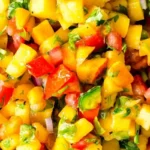
Fresh Peach Salsa
- Total Time: 20 minutes
- Yield: 10 servings 1x
- Diet: Vegetarian
Description
Peach Salsa is sweet and spicy salsa that goes well with chips, on top of fish or meat, or spooned over tacos. It is true summer in a bowl!
Ingredients
- 2 lbs peaches (rinsed & dried)
- 1 lb ripe tomatoes (diced)
- 1 small bunch cilantro (finely chopped)
- 1/3 cup red onion (minced)
- 1 lime (juice of)
- 1 jalapeño (seeded & minced)
- 1/2 tsp salt
- Ground black pepper (to taste)
Instructions
- Dice peaches: Cut each peach in quarters all the way to the pit, then remove slices off of the pit. Dice and add to a large bowl.
- Combine: Add tomatoes, red onion, jalapeno, lime juice, salt and pepper.
- Marinate: Stir, cover and refrigerate for about 15 minutes, if you have time. Taste and adjust any seasonings, if you wish. For more heat, add chili powder.
- Serve: Serve with tortilla chips or pile up on top of grilled meats and fish, or spoon over tacos.
Notes
If you want salsa to be more spicy, do not seed the jalapenos. Store in an airtight container or Mason jar for up to 4 days. For maximum freshness, add diced ingredients to a bowl without stirring or adding salt until ready to serve.
- Prep Time: 20 minutes
- Cook Time: 0 minutes
- Category: Appetizer
- Method: Mixing
- Cuisine: Mexican
Nutrition
- Serving Size: 1 cup
- Calories: 48 kcal
- Sugar: 9 g
- Sodium: 119 mg
- Fat: 1 g
- Saturated Fat: 1 g
- Unsaturated Fat: 0 g
- Trans Fat: 0 g
- Carbohydrates: 12 g
- Fiber: 2 g
- Protein: 1 g
- Cholesterol: 0 mg
Keywords: peach salsa, fruit salsa, summer appetizer, Mexican cuisine, fresh salsa