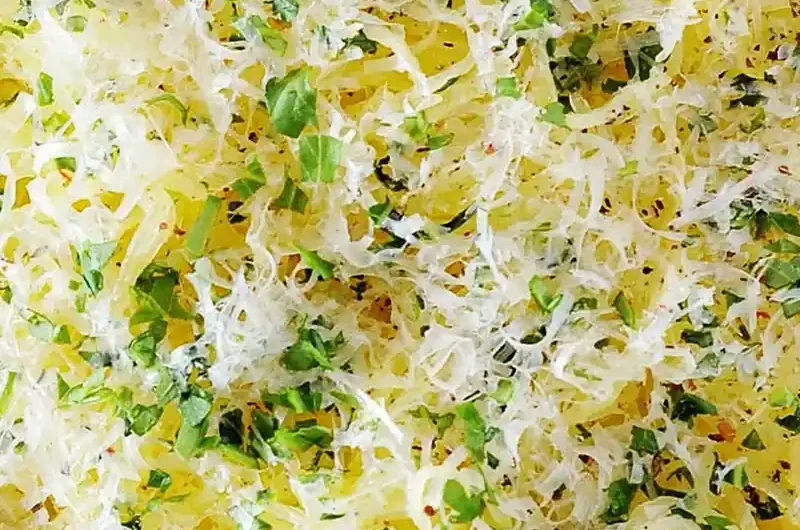
This easy garlic parmesan spaghetti squash is a versatile, nutrient-dense side dish that offers a satisfying texture and deep, savory flavor. By utilizing simple oven-roasting techniques, you can transform a firm winter squash into tender, pasta-like strands that pair perfectly with garlic and salty parmesan cheese. It is a fantastic way to incorporate more vegetables into your routine without sacrificing the comfort of a warm, cheesy side dish.
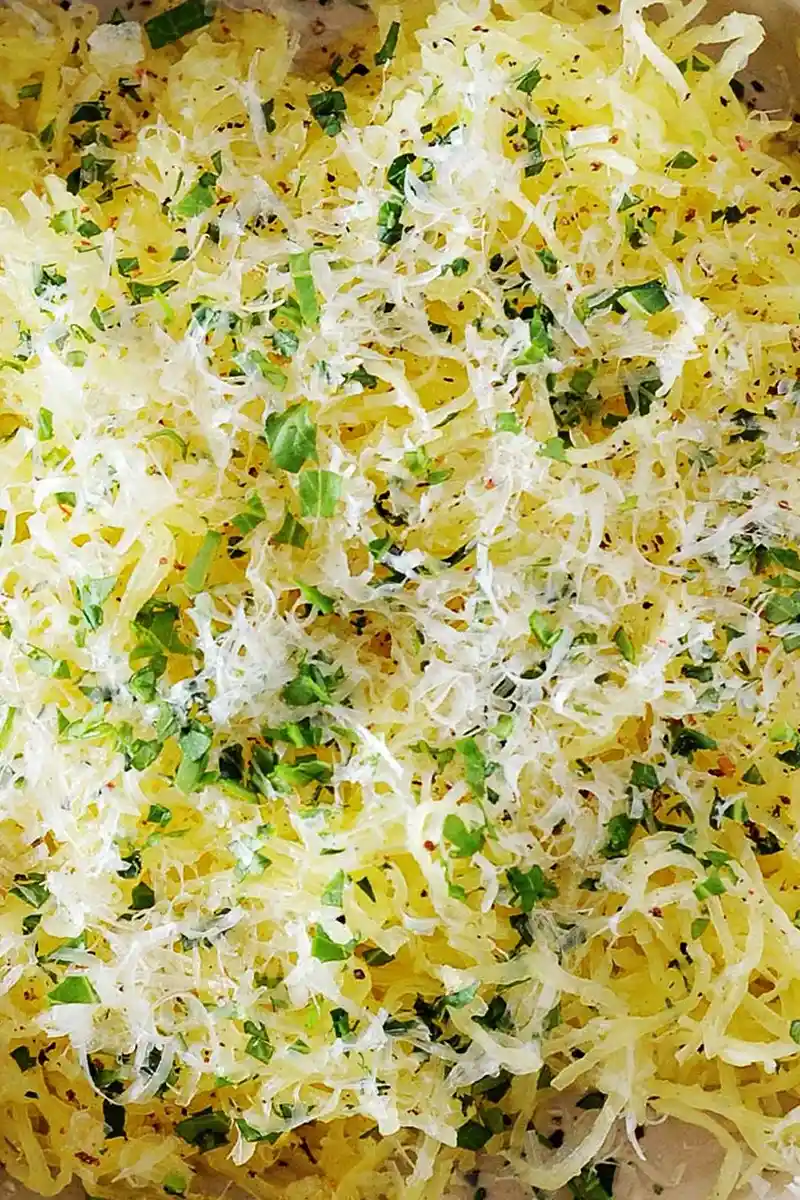
List of ingredients
- 1 spaghetti squash
- 1-2 tablespoons olive oil
- 1/2 teaspoon salt (divided)
- 1/2 teaspoon black pepper (divided)
- 2 tablespoons butter
- 1 teaspoon garlic powder
- 1/4 cup grated Parmesan cheese (divided)
- Chopped parsley (for garnish)
step-by-step instructions
- Prep: Preheat the oven to 400F and grease a baking dish with olive oil or cooking spray. Wash the spaghetti squash, dry the skin completely, and cut it in halves. With a fork, pierce the skin of the squash 6 to 7 times to ensure even cooking. Drizzle olive oil onto the flesh of each squash half and season with salt and pepper.
- Bake: Place each half flesh-side down into the baking dish and bake for 30 to 40 minutes or until the flesh is tender.
- Serve: Once the spaghetti squash is fork-tender, shred the squash meat into a large serving bowl. Top with butter, garlic powder, 2 tablespoons Parmesan cheese, salt, and black pepper. Toss to combine, serve, and top with parsley and remaining Parmesan cheese.
Practical Preparation Techniques
Ensuring Even Cooking Through Proper Cutting
When halving the spaghetti squash, stability is essential for a clean cut. Place a damp kitchen towel underneath your cutting board to prevent it from sliding during the process. If the squash feels particularly hard, you can microwave it for two to three minutes first to soften the outer skin just enough to make slicing safe and manageable.
Maximizing Surface Caramelization
To achieve the best texture, avoid overcrowding your baking sheet. Providing enough airflow around the squash halves ensures that moisture evaporates rather than condensing, which keeps the resulting strands firm rather than mushy. The goal is to achieve a slight golden brown hue on the edges of the strands where they contact the pan.
Releasing Steam for Better Texture
After you pull the roasted squash from the oven, do not cover it tightly. Allowing it to rest cut-side up for five minutes allows excess steam to dissipate, which prevents the strands from becoming watery when you apply the butter and cheese. If you skip this step, the residual heat and moisture will quickly dissolve the parmesan rather than allowing it to cling to the vegetable strands.
Substitutions and Ingredient Adjustments
Alternative Fats for Flavor Variation
While butter provides a classic, rich flavor profile, you can swap it for ghee or clarified butter if you prefer a nuttier, more intense buttery aroma. For a dairy-free version, replace the butter and parmesan with a high-quality extra virgin olive oil and toasted breadcrumbs or nutritional yeast. This keeps the dish savory and complex without relying on traditional dairy products.
Enhancing the Garlic Profile
If you prefer a punchier flavor, use fresh minced garlic instead of garlic powder. Sauté the minced garlic in the butter for one minute until fragrant before pouring the mixture over the shredded squash. This method infuses the garlic oil into every strand of the squash, providing a more robust, professional finish compared to the milder profile of garlic powder.
Storing and Reheating Essentials
Proper Refrigeration for Leftovers
Store any leftover spaghetti squash in an airtight container in the refrigerator for up to four days. To maintain the best texture, store the squash strands separately from any liquid seasonings if possible. If the squash has already been tossed with butter and cheese, simply cover it tightly to prevent it from absorbing other odors in your refrigerator.
Gentle Reheating Techniques
When reheating, avoid the microwave if possible, as it can quickly turn the delicate strands into a watery mess. Instead, heat a small non-stick skillet over medium heat and toss the squash for two to three minutes. This process re-evaporates excess moisture and allows the Parmesan cheese to melt evenly once more without overcooking the vegetable fibers.
Serving Ideas and Pairings
Incorporating Protein for a Balanced Meal
This squash serves as an excellent low-carb base for heartier proteins. Serve it alongside pan-seared chicken breast seasoned with lemon and herbs, or place it under grilled fish like salmon to soak up the juices. The neutral, slightly sweet flavor of the squash complements almost any savory protein choice effectively.
Adding Texture with Toppings
To add a contrasting crunch, sprinkle toasted walnuts or pine nuts over the final dish. The natural oils in the nuts work harmoniously with the Parmesan cheese, while the crunch provides a nice textural counterpoint to the soft, tender threads of the squash. You can also finish the dish with a light squeeze of fresh lemon juice, which brightens the heavy garlic and butter notes.
Addressing Common Challenges
Managing Excess Moisture
If you find that your squash is releasing too much water after roasting, place the raw squash halves cut-side down on paper towels for ten minutes before roasting. This draws out a portion of the surface moisture that otherwise ends up inside your baking dish. Properly blotting the skin before seasoning also prevents the squash from stewing in its own liquid while in the oven.
Troubleshooting Under-Cooked Squash
If the squash remains hard after the initial cooking time, ensure that your oven temperature is accurate by using an oven thermometer. If the strands are still too firm, place the halves back in the oven for an additional ten minutes. Always test the thickest part of the neck of the squash, as this area usually takes the longest to soften compared to the hollow center.
Frequently Asked Questions
Can I freeze cooked spaghetti squash?
Yes, you can freeze cooked spaghetti squash for up to three months. To do this, allow the strands to cool completely, then drain off any excess liquid before sealing them in a freezer-safe bag. When ready to use, thaw it in the refrigerator overnight and reheat it gently in a pan with a small amount of butter to restore the desired texture.
Does the type of Parmesan cheese affect the outcome?
The quality of the cheese is vital for this recipe. Use high-quality, aged Parmesan cheese that you grate yourself rather than pre-grated varieties, which often contain anti-caking agents that prevent smooth melting. Authentic aged cheese provides a deeper umami flavor that elevates the simple squash to a gourmet-style side dish.
What is the best way to handle a very large squash?
Large squashes can be dangerous to cut. If you find the skin is too thick to pierce safely, bake the whole squash for 15 minutes to slightly soften the rind. Remove it from the oven, let it cool enough to handle, and then cut it safely before proceeding with the remainder of the roasting time, adjusting your final bake time accordingly to ensure it does not overcook.
Print
Garlic Parmesan Spaghetti Squash
- Total Time: PT40M
- Yield: 4 1x
- Diet: Vegetarian
Description
This recipe for spaghetti squash with garlic and Parmesan is a delicious healthy side dish that pairs great with any protein.
Ingredients
- 1 spaghetti squash
- 1–2 tablespoons olive oil
- 1/2 teaspoon salt (divided)
- 1/2 teaspoon black pepper (divided)
- 2 tablespoons butter
- 1 teaspoon garlic powder
- 1/4 cup grated Parmesan cheese (divided)
- Chopped parsley (for garnish)
Instructions
- Prep: Preheat the oven to 400F and grease a baking dish with olive oil or cooking spray. Wash the spaghetti squash, dry the skin completely, and cut it in halves. With a fork, pierce the skin of the squash 6 to 7 times to ensure even cooking. Drizzle olive oil onto the flesh of each squash half and season with salt and pepper.
- Bake: Place each half flesh-side down into the baking dish and bake for 30 to 40 minutes or until the flesh is tender.
- Serve: Once the spaghetti squash is fork-tender, shred the squash meat into a large serving bowl. Top with butter, garlic powder, 2 tablespoons Parmesan cheese, salt, and black pepper. Toss to combine, serve, and top with parsley and remaining Parmesan cheese.
Notes
Prevent the spaghetti squash from getting soggy by cooking it meat-side down on the baking sheet and removing it from the oven as soon as it’s cooked. When you shred it with a fork, let the steam release before adding butter and seasonings.
- Prep Time: PT10M
- Cook Time: PT30M
- Category: Dinner
- Method: Baking
- Cuisine: American
Nutrition
- Serving Size: 1 serving
- Calories: 176 kcal
- Sugar: 7 g
- Sodium: 429 mg
- Fat: 12 g
- Saturated Fat: 5 g
- Unsaturated Fat: 6 g
- Trans Fat: 0 g
- Carbohydrates: 17 g
- Fiber: 4 g
- Protein: 3 g
- Cholesterol: 21 mg
Keywords: spaghetti squash, garlic, parmesan, side dish, healthy, low-carb