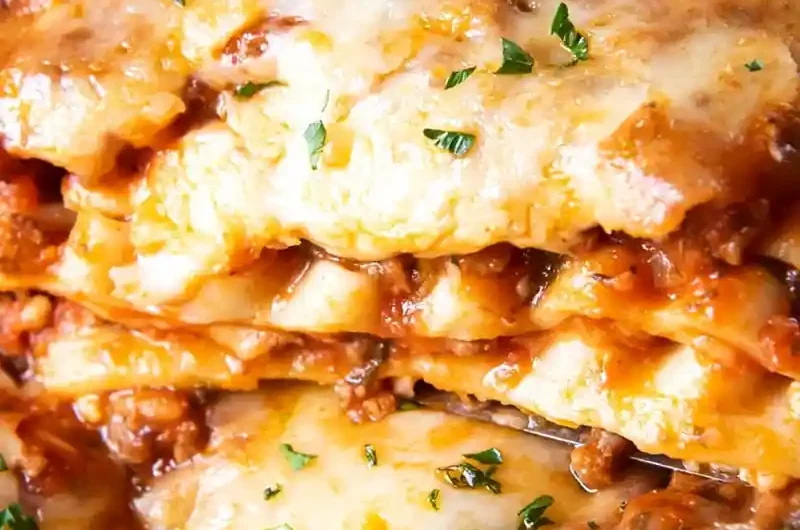
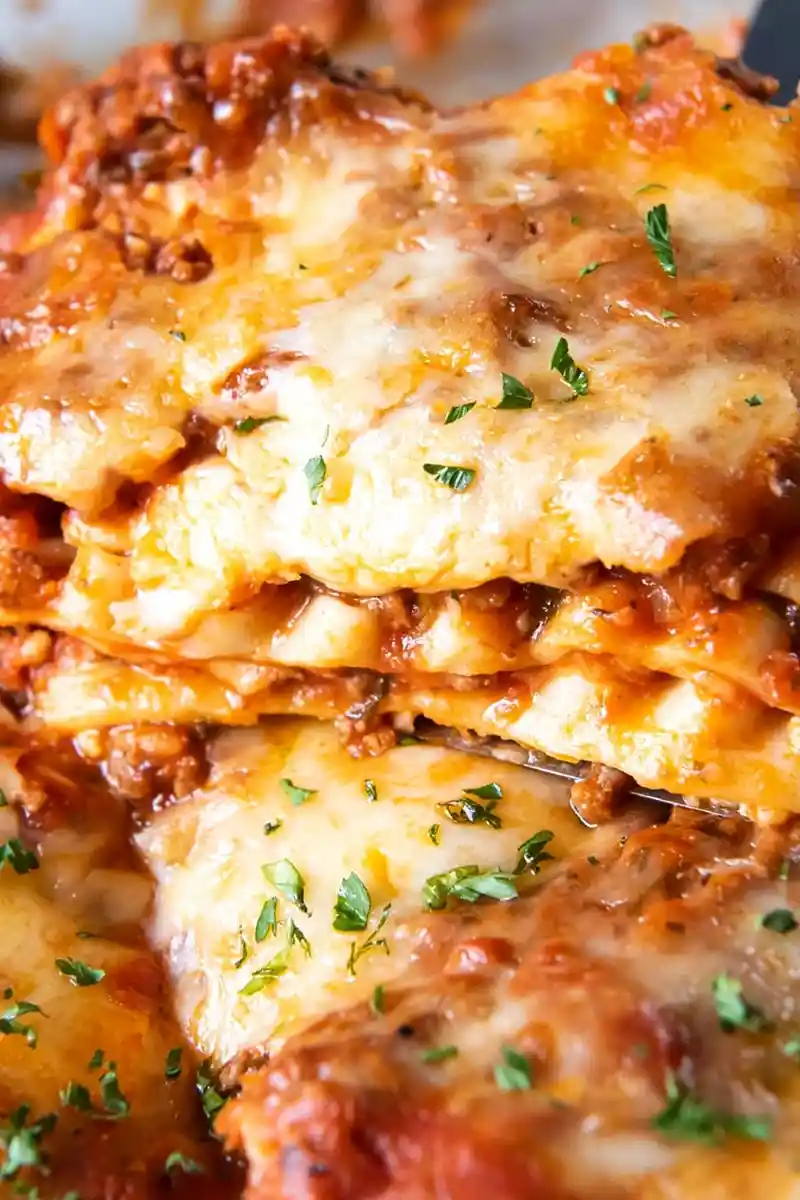
This classic baked pasta dish features layers of rich meat sauce, creamy ricotta, and melted mozzarella. It is a satisfying meal that is easy to prepare in large batches for family gatherings.
List of ingredients
- 9 lasagna noodles – standard dried noodles.
- 1 tablespoon olive oil – for sautéing aromatics.
- 3/4 cup chopped yellow onion – finely diced.
- 1 pound ground beef – lean 80/20 or 90/10.
- Salt and pepper – to taste for seasoning.
- 3 cloves garlic, minced – for depth of flavor.
- 48 ounces marinara sauce – approximately 6 cups.
- 1 teaspoon dried Italian seasoning – for herb notes.
- 1/4 cup chopped fresh parsley – to brighten the sauce.
- 1 egg – used as a binder for the cheese.
- 15 ounces ricotta cheese – whole milk for richness.
- 16 ounces shredded mozzarella cheese – approximately 4 cups.
- 1/2 cup grated Parmesan cheese – for a salty finish.
step-by-step instructions
- Prep the oven and water: Preheat your oven to 375° F. Bring a large pot of salted water to a rolling boil.
- Cook the noodles: Add the lasagna noodles to the water and cook for the minimum time recommended on the package. Drain them and rinse with cold water immediately. You may lay them on parchment paper to prevent them from sticking.
- Sauté aromatics: Heat olive oil in a large skillet over medium-high heat. Add the chopped onion and cook for 3 to 4 minutes until softened, stirring occasionally.
- Brown the beef: Add the ground beef to the skillet and cook, crumbling the meat with a spoon, until it is fully browned. Drain any excess grease from the pan and season with salt and pepper.
- Add garlic: Stir in the minced garlic and cook for 30 seconds until fragrant.
- Simmer the sauce: Pour in the marinara sauce and stir in the Italian seasoning and fresh parsley. Bring the mixture to a simmer, then reduce heat to low and cook for 10 to 15 minutes.
- Prepare the cheese mix: In a medium bowl, beat one egg lightly with a fork. Mix the ricotta cheese into the egg until well combined. Shred the mozzarella cheese if using a block.
- Initial layering: Spread 1 cup of meat sauce in the bottom of a 9×13-inch baking dish. Place 3 noodles in an even layer over the sauce. Spread 1/3 of the remaining meat sauce over the noodles.
- Add first cheese layer: Spoon 1/2 of the ricotta mixture over the sauce. Sprinkle 1/3 of the mozzarella and 1/3 of the Parmesan cheese on top.
- Repeat layering: Place another 3 noodles on top. Spread 1/2 of the remaining sauce over them. Add the rest of the ricotta mixture, then 1/2 of the remaining mozzarella and 1/2 of the remaining Parmesan.
- Final top layer: Lay the final 3 noodles on top. Spread the remaining meat sauce over the noodles and finish with the rest of the mozzarella and Parmesan.
- Cover and bake: Spray the underside of a piece of aluminum foil with cooking spray and cover the dish tightly. Bake for 35 minutes.
- Brown the cheese: Remove the foil and bake for an additional 10 to 15 minutes until the cheese is bubbly and lightly browned.
- Rest and serve: Allow the lasagna to rest for 10 minutes before slicing to ensure the layers stay intact.
Noodle Preparation Guide
Cook Noodles Slightly Under the Package Directions
Cooking the noodles for the minimum time or one minute less than al dente is crucial. They will continue to cook as they absorb moisture from the sauce during the baking process. This prevents the final texture from becoming mushy.
Use Cold Water to Stop the Cooking Process
Rinsing the noodles in cold water immediately after draining removes excess surface starch. This step stops the cooking process instantly and prevents the pasta from overcooking. It also helps the noodles slide apart more easily.
Utilize Parchment Paper for Storage
Laying cooked noodles in a single layer on parchment paper prevents them from sticking together. This makes the assembly process much faster and keeps the noodles from tearing. If parchment is unavailable, a small amount of olive oil can be used.
Meat Sauce Optimization
Maximize Flavor Through Proper Browning
Ensure the ground beef is fully browned and slightly caramelized before adding the sauce. This develops a deeper flavor profile through the Maillard reaction. Draining the excess grease prevents the final lasagna from becoming oily.
Simmer for Flavor Integration
Allowing the sauce to simmer on low heat for 15 minutes allows the dried herbs and garlic to infuse into the marinara. This reduces the raw taste of the garlic and creates a more cohesive flavor. Stir occasionally to prevent the bottom from scorching.
Adjusting Sauce Consistency
If the sauce appears too thick, add a small amount of water or vegetable broth to loosen it. A slightly looser sauce is beneficial as the noodles will absorb some of the liquid. Ensure it is not too watery, or the layers may slide.
Cheese Component Selection
Use Whole Milk Mozzarella for Texture
Choosing whole milk mozzarella over part-skim provides a better melt and a stretchier texture. Avoid using fresh mozzarella balls as they release too much water, which can make the lasagna soggy. Shredded mozzarella provides the most consistent coverage.
Substitute Cottage Cheese for Ricotta
If ricotta is unavailable, small-curd cottage cheese is an effective substitute. It provides a similar creamy texture and tang. For a smoother consistency, you can pulse the cottage cheese in a food processor for a few seconds.
Bind the Ricotta with Egg
Adding a lightly beaten egg to the ricotta acts as a stabilizer. This prevents the cheese from becoming runny or separating during the baking process. It helps the cheese layer hold its shape when the lasagna is sliced.
Precision Layering Techniques
Establish a Sauce Base
Always start with a thin layer of meat sauce at the bottom of the baking dish. This creates a barrier that prevents the bottom layer of noodles from sticking to the pan. It also ensures the bottom noodles are well-hydrated.
Apply Ricotta in Small Dollops
Instead of spreading the ricotta in one large mass, place it in small spoonfuls across the meat sauce. This makes it easier to spread the cheese evenly without disturbing the noodle layer. It also ensures a balanced distribution of cheese in every bite.
Maintain Noodle Alignment
Lay the noodles side-by-side with minimal overlap to ensure the lasagna is the same height across the pan. Overlapping too many noodles can create thick, doughy spots. Ensure the noodles are fully covered by sauce to prevent the edges from drying out.
Baking and Finishing Procedures
Protect the Cheese with Greased Foil
Spraying the underside of the aluminum foil prevents the melted mozzarella from sticking to the metal. This allows you to remove the cover without pulling off the top layer of cheese. Ensure the foil is sealed tightly to trap steam.
Manage the Uncovered Baking Phase
The final 10 to 15 minutes of baking without foil are essential for browning the cheese. Use this time to monitor the top for a golden-brown color. If the cheese browns too quickly, you can loosely tent the pan with foil.
Importance of the Resting Period
Letting the lasagna sit for 10 minutes after removing it from the oven allows the internal structure to set. This prevents the layers from sliding apart when you cut into it. It also ensures the sauce is properly distributed.
Serving and Pairing Ideas
Balance with Acidic Salads
A crisp green salad with a vinaigrette dressing provides a necessary acidic contrast to the rich cheese and beef. Use ingredients like arugula, cherry tomatoes, and cucumbers. A light lemon-olive oil dressing works best.
Pair with Toasted Garlic Bread
Warm garlic bread adds a crunchy texture that complements the softness of the lasagna. Use a baguette or Italian loaf brushed with garlic butter and parsley. Toast it in the oven for 5 to 8 minutes until golden.
Include Steamed Green Vegetables
Serving the meal with steamed broccoli or sautéed spinach adds nutritional balance. The bitterness of the greens cuts through the richness of the ricotta and mozzarella. Lightly season them with salt and lemon juice.
Storage and Preservation
Refrigerating Leftovers
Store leftover lasagna in an airtight container in the refrigerator for up to 4 days. Ensure the lasagna has cooled slightly before sealing to prevent excessive condensation. Keep the slices stacked to maintain moisture.
Freezing Unbaked Lasagna
You can assemble the lasagna and freeze it before baking for up to 3 months. Wrap the dish tightly in plastic wrap followed by a layer of heavy-duty aluminum foil. Thaw in the refrigerator for 24 hours before following the baking instructions.
Freezing Pre-baked Portions
Wrap individual slices of baked lasagna in freezer-safe wrap and store in a freezer bag. This is an efficient way to create quick single-serve meals. Thaw overnight in the refrigerator before reheating.
Reheating Instructions
Microwave Reheating for Speed
Place a slice on a microwave-safe plate and cover it with a damp paper towel. Heat on medium power in 1-minute intervals until steaming. The damp towel helps keep the noodles from drying out.
Oven Reheating for Quality
Place slices in a baking dish and cover with foil to lock in moisture. Heat at 325° F for 15 to 20 minutes. This method better preserves the texture of the cheese and noodles compared to the microwave.
Safe Thawing Process
Always thaw frozen lasagna in the refrigerator rather than on the counter. This ensures the meat and cheese stay at a safe temperature. If baking from a chilled state, add 15 minutes to the initial covered baking time.
Troubleshooting Common Issues
Preventing a Watery Lasagna
Wateriness often occurs from using fresh mozzarella or not draining the ground beef. Ensure you use shredded mozzarella and drain all grease from the meat. If the sauce is too thin, simmer it longer to reduce the liquid.
Solving Burnt Top Cheese
If the cheese browns too quickly, lower the oven temperature by 25° F. Alternatively, keep the foil on for a few more minutes before uncovering. You can also sprinkle a little extra sauce on top to keep it moist.
Handling Stuck Noodles
If noodles stick together despite rinsing, gently separate them under a stream of warm water. To avoid this in the future, ensure you use plenty of salted water in the boiling pot. A small drizzle of oil in the boiling water can also help.
Common Lasagna Questions
Can I use no-boil noodles?
Yes, you can use no-boil noodles, but you must increase the amount of sauce to ensure they hydrate. No-boil noodles absorb more liquid, so adding an extra cup of marinara is recommended. They will have a slightly different texture than boiled noodles.
How do I make this vegetarian?
Replace the ground beef with 1 pound of finely chopped mushrooms or a plant-based meat substitute. Sauté the mushrooms with the onions until their moisture has evaporated. The rest of the recipe remains the same.
Which baking pan works best?
A 9×13-inch rectangular ceramic or glass baking dish is ideal. These materials distribute heat evenly and allow you to see the layers. Ensure the dish is at least 2 to 3 inches deep to prevent the sauce from bubbling over.
Print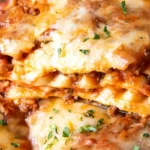
Hearty Homemade Beef Lasagna
- Total Time: 1 hour 35 minutes
- Yield: 12 servings 1x
- Diet: General
Description
This is the best lasagna I’ve ever made! It’s easy to make with simple ingredients and comes out of the oven hot and bubbly, with melty cheese, golden edges and a flavorful meat sauce. Perfect for feeding a crowd and it makes amazing leftovers!
Ingredients
- 9 lasagna noodles
- 1 tablespoon olive oil
- ¾ cup chopped yellow onion
- 1 pound ground beef
- salt and pepper
- 3 cloves garlic, minced
- 48 ounces marinara sauce
- 1 teaspoon dried Italian seasoning
- ¼ cup chopped fresh parsley
- 1 egg
- 15 ounces ricotta cheese
- 16 ounces shredded mozzarella cheese
- ½ cup grated Parmesan cheese
Instructions
- Step: Preheat oven to 375° F.
- Step: Boil lasagna noodles according to package directions for minimum cook time, then drain and rinse with cold water.
- Step: Heat olive oil in a skillet over medium-high heat; sauté onion until softened, add ground beef and cook until browned, then drain grease and season with salt, pepper, and minced garlic.
- Step: Stir in marinara sauce, Italian seasoning, and parsley; simmer on low for 10 to 15 minutes.
- Step: Beat one egg in a bowl and stir in ricotta cheese.
- Step: Spread 1 cup of meat sauce in a 9×13-inch baking dish, layer 3 noodles, ⅓ of the remaining sauce, ½ of the ricotta mixture, ⅓ of the mozzarella, and ⅓ of the Parmesan.
- Step: Repeat the layer with 3 noodles, ½ of the remaining sauce, the rest of the ricotta, ½ of the remaining mozzarella, and ½ of the remaining Parmesan.
- Step: Top with the remaining 3 noodles, remaining sauce, and the rest of the mozzarella and Parmesan; cover with greased foil.
- Step: Bake covered for 35 minutes, uncover and bake for another 10 to 15 minutes until bubbly, then let rest for 10 minutes before serving.
Notes
For extra flavor, you can add 1/2 pound of beef sausage in addition to the ground beef. This lasagna can be assembled up to 24 hours in advance and refrigerated. Leftovers stay fresh in the refrigerator for 3 to 4 days or can be frozen for up to 3 months.
- Prep Time: 45 minutes
- Cook Time: 50 minutes
- Category: Main Course
- Method: Baking
- Cuisine: Italian
Nutrition
- Serving Size: 1 serving
- Calories: 386 kcal
- Sugar: 6 g
- Sodium: 957 mg
- Fat: 20 g
- Saturated Fat: 11 g
- Unsaturated Fat: 9 g
- Trans Fat: 0 g
- Carbohydrates: 25 g
- Fiber: 3 g
- Protein: 26 g
- Cholesterol: 90 mg
Keywords: lasagna, Italian, dinner, meat sauce, family meal, comfort food