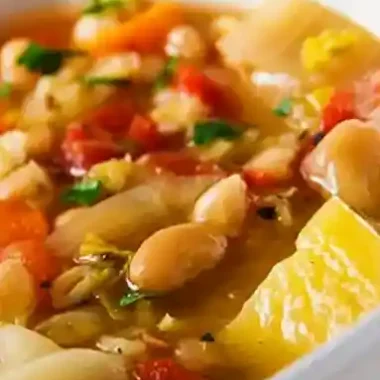
This nourishing stew combines root vegetables, white beans, and barley for a filling, plant-based meal. It can be prepared in a slow cooker for convenience or on the stove for a faster result.

List of ingredients
- 1 large onion, chopped – provides a savory aromatic base.
- 3 ribs celery, chopped – adds depth and traditional flavor.
- 2 to 3 cloves garlic, minced – enhances the overall savory profile.
- ½ head cabbage, chopped – the primary hearty green vegetable.
- 4 carrots, sliced – adds natural sweetness and color.
- 1 to 1½ pounds potatoes, cut in large dice – thickens the stew and adds substance.
- 1 bay leaf – provides a subtle herbal undertone.
- 1 teaspoon dried thyme – adds earthy, aromatic notes.
- ½ teaspoon caraway seeds – a signature spice for traditional Irish flavor.
- ½ teaspoon dried rosemary, crushed – adds a fragrant, piney quality.
- ½ teaspoon freshly ground black pepper – adds a hint of warmth and spice.
- &frac1}{3} cup pearled barley (optional or substitute with gluten-free grain) – adds texture and natural thickness.
- 6-8 cups vegetable broth or low-sodium vegetable broth – the liquid base for the stew.
- 3 cups cooked great northern beans (2 cans, drained) – provides plant-based protein and creaminess.
- 14.5-ounce can diced tomatoes – adds necessary acidity and a tang.
- 1 tablespoon chopped fresh parsley – used for a bright, fresh finish.
- salt to taste – essential for balancing and enhancing all flavors.
step-by-step instructions
- Crock Pot Method – Initial Phase: Place the chopped onion, celery, garlic, cabbage, carrots, diced potatoes, bay leaf, thyme, caraway seeds, crushed rosemary, pepper, and barley into a slow cooker with at least a 5-quart capacity.
- Crock Pot Method – Liquid Addition: Pour in 6 to 8 cups of vegetable broth, ensuring that the vegetables are just covered. Cover the pot and cook on low heat for 7 hours.
- Crock Pot Method – Final Additions: Stir in the cooked great northern beans, diced tomatoes, fresh parsley, and salt. Check the seasonings and add more herbs if you prefer a stronger flavor.
- Crock Pot Method – Finishing: Cover the pot once more and cook for one additional hour before serving.
- Stovetop Method – Initial Simmer: Combine the onion, celery, garlic, cabbage, carrots, potatoes, bay leaf, thyme, caraway seeds, rosemary, pepper, barley, and vegetable broth in a large stockpot.
- Stovetop Method – Cooking Vegetables: Cover the pot and simmer over medium-low heat until the vegetables are tender, which typically takes about 45 minutes.
- Stovetop Method – Adding Final Ingredients: Stir in the cooked great northern beans, diced tomatoes, fresh parsley, and salt. Adjust the herbs to your tasting preference.
- Stovetop Method – Thickening: Simmer the stew uncovered for at least 15 minutes to allow the liquid to reduce and thicken before serving.
Optimization and Cooking Tips
Sauté Aromatics for Deeper Flavor
Instead of adding the raw vegetables directly to the pot, sauté the onion, celery, and carrots first. Heat a small amount of vegetable broth or oil in a pan and cook them until the onions are translucent. This caramelization process unlocks natural sugars and creates a more complex flavor profile for the final stew.
Selecting the Right Potato Variety
Use waxy potatoes like Yukon Gold or red potatoes if you prefer the chunks to remain intact throughout the long cooking process. If you prefer a thicker, creamier broth, Russet potatoes are a better choice as they release more starch. The choice depends on whether you value distinct vegetable pieces or a more cohesive, porridge-like consistency.
Adjusting Broth for Consistency
The amount of liquid can vary based on how thick you like your stew. Start with 6 cups of broth and add more if you prefer a soupier texture. If the stew is too thin after cooking, simmer it uncovered for an extra 15 to 20 minutes to reduce the liquid through evaporation.
Managing Sodium Levels
To keep the stew healthy, use low-sodium vegetable broth and add salt at the very end. This allows you to control the saltiness more accurately. Since canned beans and tomatoes can also contain salt, tasting the dish before adding extra salt is highly recommended.
Ingredient Substitutions
Gluten-Free Grain Options
If you cannot use pearled barley, quinoa, brown rice, or wild rice are excellent alternatives. Quinoa cooks much faster than barley, so add it during the last 20 minutes of stovetop cooking or the last hour of slow cooking. Wild rice requires a longer simmer time and should be added at the start with the potatoes.
Alternative Bean Varieties
Cannellini beans are a great one-to-one substitute for Great Northern beans due to their similar color and creaminess. Pinto beans offer a slightly earthier taste, while chickpeas provide a firmer texture. Regardless of the bean choice, always rinse canned beans thoroughly to remove excess sodium and starches.
Replacing Caraway Seeds
For those who find the flavor of caraway too strong, fennel seeds are a suitable replacement as they offer a similar anise-like note. If you dislike this flavor profile entirely, you can omit the caraway and add a pinch of extra thyme or dried oregano to maintain the herbal depth of the dish.
Cabbage Alternatives
Savoy cabbage is a wonderful alternative to green cabbage, offering softer leaves and a milder taste. If you want a more nutrient-dense green, you can use chopped kale or collard greens. Be mindful that kale and collards are heartier and should be added toward the end of the cooking process to avoid overcooking.
Creating a Tomato-Free Version
To omit tomatoes, increase the vegetable broth by one cup to maintain the volume. To replace the acidity that tomatoes provide, stir in one tablespoon of lemon juice or apple cider vinegar just before serving. This ensures the stew does not taste flat or overly heavy.
Customizing the Stew
Introducing Smoked Flavors
To add a depth of flavor reminiscent of smoked meats, stir in one teaspoon of smoked paprika or a few drops of liquid smoke. This addition works particularly well in the slow cooker, where the smoky notes meld with the root vegetables over several hours. It transforms the dish into a richer, more robust meal.
Incorporating Extra Leafy Greens
Adding two cups of fresh spinach or chopped Swiss chard during the final 10 minutes of cooking increases the nutritional value. These greens wilt quickly and do not require the long simmering time that cabbage does. They add a vibrant pop of color and a fresh mineral taste to the stew.
Boosting Plant Protein
If you want a more protein-dense meal, increase the amount of white beans from three cups to five. You can also incorporate a cup of cooked brown lentils, which blend seamlessly into the broth. Lentils add an earthy richness and make the stew significantly more filling for main-course dining.
Adding a Spicy Element
For a touch of heat, add half a teaspoon of red pepper flakes during the initial seasoning phase. If you prefer a more lingering warmth, a pinch of cayenne pepper can be mixed with the black pepper. These spices contrast beautifully with the sweetness of the carrots and cabbage.
Serving Suggestions
Pairing with Crusty Breads
This stew is best served with a side of toasted sourdough or a thick slice of rye bread. The natural acidity of sourdough helps cut through the density of the beans and barley. For extra flavor, brush the bread with olive oil and garlic before toasting it in the oven.
Topping with Fresh Herbs
While parsley is cooked into the dish, adding a garnish of freshly chopped chives or cilantro on top of each bowl enhances the presentation. These fresh herbs provide a bright, aromatic contrast to the deep, slow-cooked flavors of the root vegetables.
Complementary Side Salads
A crisp green salad with a light lemon-tahini dressing or a simple balsamic vinaigrette balances the heartiness of the stew. The freshness and crunch of raw vegetables provide a necessary textural contrast to the soft potatoes and grains.
Storage and Preservation
Refrigeration Guidelines
Store leftovers in airtight glass containers in the refrigerator for up to five days. Note that the barley will continue to absorb liquid as it sits, which will naturally thicken the stew over time. You may need to add a splash of broth when reheating.
Freezer-Safe Methods
To freeze this stew, let it cool completely before transferring it to freezer-safe bags or containers. Leave about an inch of headspace at the top of the container to allow the liquid to expand as it freezes. Properly stored, the stew will maintain its quality for two to three months.
Maintaining Grain Texture During Freezing
If you plan to freeze the stew, consider slightly undercooking the barley during the initial preparation. This prevents the grains from becoming too mushy or disintegrating when the stew is thawed and reheated, ensuring a better mouthfeel.
Reheating Instructions
Stovetop Reheating Process
Place the chilled or frozen stew in a pot over medium-low heat. Add a small amount of water or vegetable broth to loosen the thickened liquid. Stir occasionally to ensure the heat is distributed evenly and the barley does not stick to the bottom of the pot.
Microwave Reheating Method
Transfer the stew to a microwave-safe bowl and cover it with a lid or a damp paper towel to retain moisture. Heat in two-minute intervals, stirring between each cycle to avoid hot spots and ensure the stew is heated uniformly throughout.
Troubleshooting Common Issues
Fixing a Thin Broth
If the stew is too watery, simmer it uncovered for an additional 20 minutes on the stovetop. This allows the excess moisture to evaporate and the starches from the potatoes and barley to thicken the liquid. Avoid adding too much flour or cornstarch, as it can mask the natural flavors.
Correcting Bland Flavors
If the stew tastes flat, it likely needs more salt or an acid component. Add a squeeze of fresh lemon juice or a teaspoon of apple cider vinegar to brighten the flavors. Increasing the amount of black pepper or adding a pinch of smoked paprika can also add missing depth.
Preventing Mushy Vegetables
To avoid overcooked vegetables, ensure that the canned beans and diced tomatoes are added toward the end of the cooking process as specified. Adding pre-cooked beans at the start of a 7-hour slow-cook cycle will cause them to lose their structure and turn into a paste.
Frequently Asked Questions
Can I use a pressure cooker for this recipe?
Yes, you can use a pressure cooker like an Instant Pot. Use the high-pressure setting for approximately 10-15 minutes for the hard vegetables and barley. Once the pressure is released, stir in the beans and tomatoes and heat for another 5 minutes using the sauté function.
Is this recipe suitable for meal prep?
This stew is ideal for meal prep because the flavors often improve after a day of refrigeration. It is highly stable, freezes well, and provides a complete meal in a single bowl, making it perfect for weekday lunches.
Why is pearled barley used in this stew?
Pearled barley is used for both its chewy texture and its ability to act as a natural thickener. As the barley simmers, it releases starches into the broth, creating a silky consistency that makes the stew feel more substantial and satisfying.
Can I use frozen vegetables instead of fresh?
Yes, frozen sliced carrots and celery can be used. Add them at the same time as the other fresh vegetables. Since they are often blanched before freezing, they will cook through perfectly in either the slow cooker or the stockpot.
Print
Hearty Irish White Bean and Cabbage Stew
- Total Time: 1 hour
- Yield: 6 large servings 1x
- Diet: Vegan
Description
A hearty and healthy Irish-inspired vegan stew made with white beans, cabbage, potatoes, and pearled barley.
Ingredients
- 1 large onion, chopped
- 3 ribs celery, chopped
- 2 to 3 cloves garlic, minced
- ½ head cabbage, chopped
- 4 carrots, sliced
- 1 to 1-½ pounds potatoes, cut in large dice
- 1 bay leaf
- 1 teaspoon dried thyme
- ½ teaspoon caraway seeds
- ½ teaspoon dried rosemary, crushed
- ½ teaspoon freshly ground black pepper
- 1⁄3 cup pearled barley (optional or substitute with gluten-free grain)
- 6–8 cups vegetable broth
- 3 cups cooked great northern beans (2 cans, drained)
- 14.5-ounce can diced tomatoes
- 1 tablespoon chopped fresh parsley
- salt to taste
Instructions
- Step: For Crock Pot: Place the vegetables, seasonings, and barley into a large (at least 5 quart) slow cooker.
- Step: Add enough vegetable broth to just cover the vegetables (start with 6 cups and add more as needed).
- Step: Cover and cook on low heat for 7 hours.
- Step: Add beans, tomatoes, parsley, and salt to taste.
- Step: Check seasonings and add more herbs if necessary.
- Step: Cover and cook for another hour.
- Step: For Stovetop: Place vegetables, seasonings, barley, and broth into a large stockpot.
- Step: Cover and simmer until vegetables are tender, about 45 minutes.
- Step: Add beans, tomatoes, parsley, and salt to taste.
- Step: Check seasonings and add more herbs if necessary.
- Step: Simmer uncovered for at least 15 minutes before serving.
Notes
This stew can be made gluten-free by substituting pearled barley with quinoa or another gluten-free grain. It freezes well for 2 to 3 months when stored in portion-sized containers.
- Prep Time: 20 minutes
- Cook Time: 40 minutes
- Category: Vegan Soups & Stew Recipes
- Method: Slow Cooker or Stovetop
- Cuisine: Irish
Nutrition
- Serving Size: 1/6 of recipe
- Calories: 274 kcal
- Sugar: 7.8 g
- Sodium: 197 mg
- Fat: 0.9 g
- Saturated Fat: 0.2 g
- Unsaturated Fat: 0.7 g
- Trans Fat: 0 g
- Carbohydrates: 54 g
- Fiber: 13.9 g
- Protein: 14.6 g
- Cholesterol: 0 mg
Keywords: Irish stew, white bean stew, cabbage soup, vegan, healthy, Crock Pot, St. Patrick’s Day