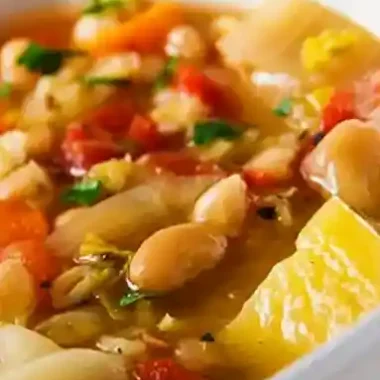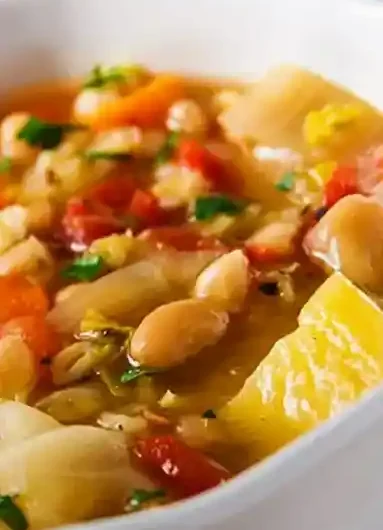
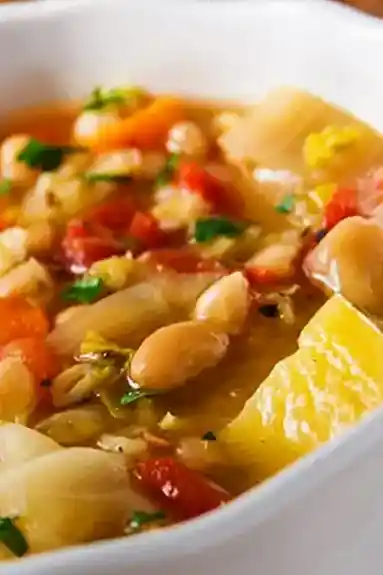
This hearty stew draws inspiration from the rustic traditions of Irish home cooking, combining humble, nutrient-dense vegetables into a warming bowl of comfort. With the satisfying texture of pearled barley and the protein punch of great northern beans, this dish serves as a robust and filling meal on its own. It is an ideal choice for chilly evenings or when you need a batch-friendly dinner that stores beautifully for the week ahead.
List of ingredients
- 1 large onion, chopped
- 3 ribs celery, chopped
- 2 to 3 cloves garlic, minced
- ½ head cabbage, chopped
- 4 carrots, sliced
- 1 to 1-½ pounds potatoes, cut in large dice
- 1 bay leaf
- 1 teaspoon dried thyme
- ½ teaspoon caraway seeds
- ½ teaspoon dried rosemary, crushed
- ½ teaspoon freshly ground black pepper
- 1⁄3 cup pearled barley
- 6-8 cups vegetable broth
- 3 cups cooked great northern beans (2 cans, drained)
- 14.5-ounce can diced tomatoes
- 1 tablespoon chopped fresh parsley
- salt to taste
step-by-step instructions
- Crock Pot: Place the vegetables, seasonings, and barley into a large slow cooker. Add enough vegetable broth to just cover the vegetables. Cover and cook on low heat for 7 hours. Add beans, tomatoes, parsley, and salt to taste. Cover and cook for another hour.
- Stovetop: Place vegetables, seasonings, barley, and broth into a large stockpot. Cover and simmer until vegetables are tender, about 45 minutes. Add beans, tomatoes, parsley, and salt to taste. Simmer uncovered for at least 15 minutes before serving.
Refining the Flavor Profile
Balancing the Herbal Intensity
Because this stew relies on plant-forward ingredients, the dried herbs act as the main vehicle for depth. If you find the flavor too subtle after the initial simmer, do not be afraid to add an extra pinch of rosemary or thyme. Crushing the dried herbs between your fingers before adding them helps release their essential oils more effectively.
Adjusting Salt and Acidity
The sodium content of your chosen vegetable broth can significantly change the salt requirements of the finished dish. Always taste the stew at the final stage before adding more salt, as the tomatoes also contribute a small amount of acidity that can mimic the effect of seasoning. If you desire a brighter punch, a teaspoon of mild vinegar can be added alongside the salt to lift the earthy tones of the root vegetables.
Preparation and Cooking Tactics
Managing Barley and Grain Alternatives
Pearled barley is excellent for thickening because it releases starches into the broth as it cooks. If you prefer to substitute the grain, consider using a gluten-free option like quinoa or millet, but adjust the cooking time accordingly. Quinoa cooks much faster than barley, so if you are using it, add it during the final 20 minutes of the stovetop simmer to prevent it from becoming mushy.
Texture Control for Cabbage
Cabbage can range from crisp to very soft depending on your preference. To keep the cabbage from disappearing into the broth, slice it into slightly larger ribbons rather than a fine shred. This helps it maintain its structural integrity through the long simmering process required for the potatoes and carrots.
Storage and Reheating Advice
Optimizing Freezer Storage
This stew freezes exceptionally well, making it a perfect candidate for meal prepping. Store the cooled stew in airtight, freezer-safe containers, leaving a small amount of headspace to allow for expansion. It will maintain its quality for up to three months in a standard home freezer.
Effective Reheating Techniques
When you are ready to enjoy frozen portions, it is best to thaw the stew in the refrigerator overnight. Reheat it slowly on the stovetop over low heat, adding a splash of water or extra broth if the barley has absorbed too much moisture. Avoid high-heat boiling during reheating, as this can break down the tender potatoes and beans.
Addressing Common Cooking Queries
Why did my broth turn out thin?
If you prefer a thicker, creamier consistency, you can remove a ladle or two of the potatoes and beans once cooked, mash them into a paste, and stir them back into the pot. This creates a natural thickening agent without the need for additional starches. Ensuring you use the full amount of barley also helps create a naturally velvety broth as the grains hydrate.
Can I swap the beans?
While Great Northern beans are traditional for their soft, creamy texture, you can absolutely swap them for Cannellini, pinto, or even chickpeas. If you decide to use a heartier bean like a chickpea, ensure they are thoroughly cooked beforehand, as they have a firmer bite that holds up well during the long simmer.
What is the benefit of adding tomatoes at the end?
Adding the tomatoes toward the final stages of cooking allows them to retain some of their identity and prevents the acidity of the tomatoes from toughening the skin of the potatoes or carrots too early. This sequence ensures you get distinct textures while still enjoying the integrated flavor of the tomato-infused broth.
Can I use root vegetables other than potatoes?
If you prefer a lower-starch profile, parsnips or rutabaga are excellent substitutes for white potatoes. They offer a similar density but provide a more complex, slightly sweet flavor that complements the earthiness of the cabbage and carrots. Simply peel and dice them to the same size as the potatoes for uniform cooking time.
Is it necessary to remove the bay leaf?
While the bay leaf is vital for infusing the broth with a subtle, woody note, it should be removed before serving. The leaf does not soften during cooking and can be a choking hazard if left in the bowl. A quick stir before serving usually helps you locate and retrieve it easily.
How do I make this more filling for athletes?
For those requiring higher caloric density, serving this stew with a slice of dense, crusty whole-grain bread is a common pairing. Alternatively, you can double the amount of beans added in the final step to significantly increase the protein and fiber content of each bowl. Adding a handful of hearty greens like kale or Swiss chard during the final minutes of cooking also adds nutrient density without significantly changing the stew’s flavor profile.
Print
Irish White Bean and Cabbage Stew
- Total Time: 60 minutes
- Yield: 6 large servings 1x
- Diet: Vegan
Description
A hearty, plant-based Irish-inspired stew featuring tender potatoes, carrots, cabbage, and white beans simmered with aromatic herbs and barley.
Ingredients
- 1 large onion, chopped
- 3 ribs celery, chopped
- 2 to 3 cloves garlic, minced
- ½ head cabbage, chopped
- 4 carrots, sliced
- 1 to 1-½ pounds potatoes, cut in large dice
- 1 bay leaf
- 1 teaspoon dried thyme
- ½ teaspoon caraway seeds
- ½ teaspoon dried rosemary, crushed
- ½ teaspoon freshly ground black pepper
- 1⁄3 cup pearled barley
- 6–8 cups vegetable broth
- 3 cups cooked great northern beans (2 cans, drained)
- 14.5-ounce can diced tomatoes
- 1 tablespoon chopped fresh parsley
- salt to taste
Instructions
- Crock Pot: Place the vegetables, seasonings, and barley into a large slow cooker. Add enough vegetable broth to just cover the vegetables. Cover and cook on low heat for 7 hours. Add beans, tomatoes, parsley, and salt to taste. Cover and cook for another hour.
- Stovetop: Place vegetables, seasonings, barley, and broth into a large stockpot. Cover and simmer until vegetables are tender, about 45 minutes. Add beans, tomatoes, parsley, and salt to taste. Simmer uncovered for at least 15 minutes before serving.
Notes
Nutritional information is an estimate. This stew freezes well for up to 3 months. You may substitute quinoa or other grains for the barley if preferred.
- Prep Time: 20 minutes
- Cook Time: 40 minutes
- Category: Vegan Soups & Stew Recipes
- Method: Stewing
- Cuisine: Irish
Nutrition
- Serving Size: 1/6 of recipe
- Calories: 274 kcal
- Sugar: 7.8 g
- Sodium: 197 mg
- Fat: 0.9 g
- Saturated Fat: 0.2 g
- Unsaturated Fat: 0.7 g
- Trans Fat: 0 g
- Carbohydrates: 54 g
- Fiber: 13.9 g
- Protein: 14.6 g
- Cholesterol: 0 mg
Keywords: stew, irish, vegan, plant-based, hearty, comfort food, vegetables, beans, barley