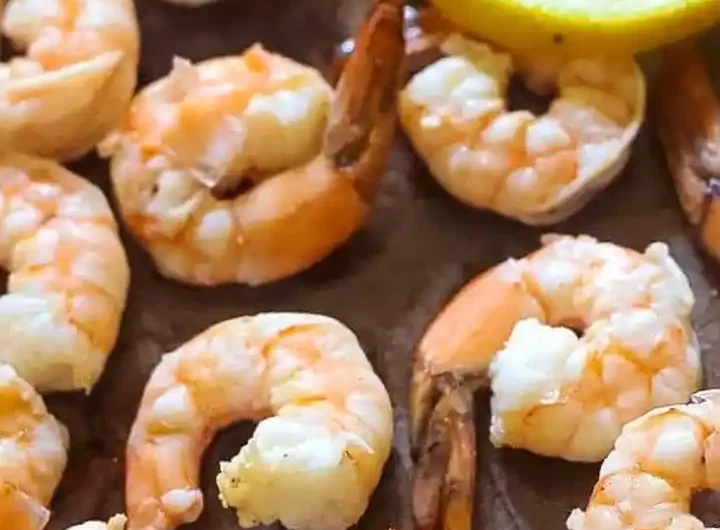
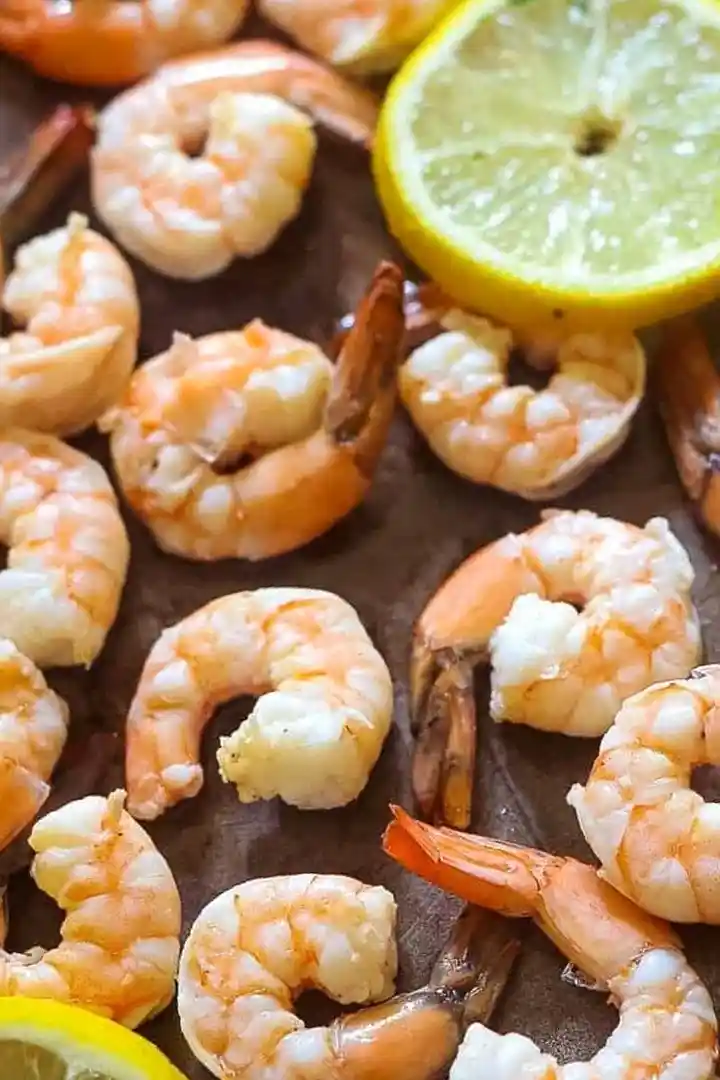
Mastering the art of poaching shrimp allows you to create a high-quality, elegant appetizer right in your own kitchen for a fraction of the cost of store-bought platters. This method ensures your shrimp remain incredibly juicy and tender, avoiding the common pitfalls of overcooking that lead to a rubbery texture. With just a few aromatics and a quick ice bath, you can achieve professional results in under thirty minutes.
List of ingredients
- 1 pound extra large raw shrimp, peeled and deveined
- 5 cups cold water
- 10 whole black peppercorns
- 5 sprigs fresh parsley
- 1 large lemon, juiced
- 1 large lemon, cut in half
- 1 teaspoon kosher salt
- 1 bay leaf
- Homemade cocktail sauce
step-by-step instructions
- Step: In a large pot, over medium-high heat, add water, black peppercorns, fresh parsley, lemon juice, lemon halves, Kosher salt, and bay leaf.
- Step: Bring the water to a rapid boil.
- Step: Add the shrimp to the water. Remove the pot from the heat and cover with a lid.
- Step: Let the shrimp poach in the liquid about 5 minutes. Shrimp will be cooked through and pink in color.
- Step: While the shrimp poaches, prepare a large bowl of ice water. Set aside.
- Step: Use a wire mesh strainer or slotted spoon to remove the shrimp to the bowl of ice water.
- Step: Let shrimp cool for about 10 minutes before removing from the ice bath with a slotted spoon.
- Step: Serve shrimp with a dipping sauce such as cocktail sauce, make shrimp salad, add to pasta salads, etc.
Refining Your Poaching Technique
Controlling the Residual Heat
The secret to perfect poached shrimp is relying entirely on the residual heat of the liquid rather than keeping the pot on the burner. Keeping the stove on during the poaching phase often leads to the temperature climbing too high, which quickly toughens the delicate proteins. By removing the pot from the heat as soon as the shrimp enter the water, you maintain a gentle environment that cooks them through while keeping them succulent.
Selecting the Right Shrimp Size
Using extra large shrimp, often labeled as 26/30, provides a generous size that feels substantial on a platter or in a salad. These sizes are hardy enough to handle the poaching process without falling apart or shrinking into tiny bits. If you happen to use smaller shrimp, reduce the poaching time by one to two minutes to ensure they do not overcook while the pot is covered.
Importance of the Ice Bath
An ice bath is not a optional step; it is the most critical component for achieving that signature snap in the flesh. When you pull the shrimp out of the hot liquid, they continue to cook internally for a brief window. Placing them immediately into freezing cold water halts this residual cooking instantly, which is the difference between rubbery, overcooked seafood and tender, high-end quality.
Practical Ingredient Substitutions
Finding Alternatives for Fresh Aromatics
If you lack fresh parsley or whole peppercorns, you can easily adapt the poaching liquid to suit what you have in your pantry. A pinch of dried parsley flakes or a dash of ground black pepper can serve as a suitable replacement, though fresh ingredients will always provide a cleaner, more vibrant flavor profile. Remember that ground pepper may cloud your poaching liquid slightly, so use it sparingly to keep the infusion clear.
Customizing the Citrus Base
While lemon is the classic choice for seafood, you can substitute it with lime or even a combination of orange and lemon for a sweeter citrus note. The acidity is the primary goal here, as it helps tenderize the proteins and balance the natural brininess of the shrimp. Ensure you use fresh citrus rather than bottled juice to maintain the purity of the poaching stock.
Serving Ideas and Plating
Arranging a Classic Cocktail Platter
To serve these as a classic appetizer, arrange the chilled shrimp in a circle around a central bowl filled with your favorite cocktail sauce. Adding a few fresh lemon wedges and sprigs of parsley to the platter provides a professional look that mirrors restaurant presentation. Keep the platter sitting on a bed of crushed ice if you are serving it outdoors to ensure the shrimp remain perfectly chilled throughout the event.
Incorporating Poached Shrimp into Salads
If you have leftover shrimp, they make an excellent addition to cold pasta salads or a refreshing Mediterranean-style grain bowl. Toss the chilled, cooked shrimp with cooked quinoa, cucumber, cherry tomatoes, and a light vinaigrette for a balanced meal. The neutral flavor of the poached shrimp allows it to absorb the dressing, making it a versatile ingredient for lunch or dinner.
Storage and Freshness
Refrigeration Best Practices
Once you have finished the cooling process, store your cooked shrimp in an airtight container to prevent them from drying out or absorbing other odors from the refrigerator. For the best flavor and texture, aim to consume the shrimp within 48 hours of preparation. If the shrimp have been sitting out at room temperature for more than two hours, it is safer to discard them rather than trying to store them for later use.
Proper Defrosting Methods
If you are starting with frozen raw shrimp, ensure they are fully thawed before they enter the poaching liquid. The fastest way to thaw them is to place the frozen shrimp in a colander under cool running water, stirring them gently until they are soft to the touch. Avoid using warm or hot water, as this can start the cooking process unevenly and potentially degrade the quality of the raw seafood before you even begin.
Troubleshooting Common Issues
What to Do If the Shrimp Are Rubbery
Rubberiness is almost always a result of leaving the shrimp in the hot water for too long or failing to use an ice bath. If you find your shrimp have become tough, they are still safe to eat but are better utilized in dishes with a sauce, such as a creamy shrimp salad or folded into a pasta dish. The sauce will help mask the texture while adding much-needed moisture back into the meat.
Ensuring Uniform Cooking
If your batch of shrimp comes in varying sizes, it can be difficult to get them all to the perfect texture at the same time. Try to group your shrimp by size before cooking, or aim to buy bags that are uniform in weight and count. If you notice some shrimp are significantly smaller than others, remove the smaller ones from the pot a minute earlier than the rest to keep them from becoming overcooked.
Frequently Asked Questions
Can I reuse the poaching liquid for a second batch?
It is generally not recommended to reuse the poaching liquid, as the flavor profile will have already been extracted by the first batch. Furthermore, the liquid may contain residual proteins from the first set of shrimp, which can alter the taste of the second batch. It is best to use fresh water and aromatics for each individual cooking session.
Is it necessary to keep the tails on?
Leaving the tails on is entirely a preference based on how you intend to serve the dish. If you are serving a formal shrimp cocktail, the tails provide a helpful handle for dipping and look elegant on the plate. If you are using the shrimp for a salad or an pasta mix where they will be mixed in with other ingredients, removing the tails beforehand makes the meal much easier to eat.
How do I know for sure if the shrimp is cooked through?
The visual cue of the shrimp turning from a translucent grey to a solid, opaque pink is your best indicator of doneness. They should also curl into a loose ‘C’ shape; if they curl so tightly that they form a complete ‘O’ shape, they have likely been in the heat for too long. Checking the color and the curl is the most reliable way to monitor the cooking progress without needing a thermometer.
Can this recipe be prepared ahead of time?
Yes, these shrimp are excellent for make-ahead planning, making them a stress-free choice for hosting. You can poach and chill the shrimp up to one day in advance, keeping them in a sealed container in the refrigerator. This allows the flavors to settle, and you can simply assemble your platter or salad right before guests arrive, saving you valuable time on the day of your event.
Print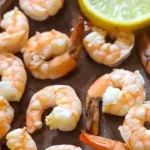
How to Make Tender Poached Shrimp
- Total Time: 20 minutes
- Yield: 4 servings 1x
- Diet: Pescatarian
Description
Learn how to make the most tender poached shrimp every time. It is so easy to make poached shrimp at home with just a few easy steps. This is the perfect shrimp to make an amazing shrimp cocktail recipe.
Ingredients
- 1 pound extra large raw shrimp, peeled and deveined
- 5 cups cold water
- 10 whole black peppercorns
- 5 sprigs fresh parsley
- 1 large lemon, juiced
- 1 large lemon, cut in half
- 1 teaspoon kosher salt
- 1 bay leaf
- Homemade cocktail sauce
Instructions
- Step: In a large pot, over medium-high heat, add water, black peppercorns, fresh parsley, lemon juice, lemon halves, Kosher salt, and bay leaf.
- Step: Bring the water to a rapid boil.
- Step: Add the shrimp to the water. Remove the pot from the heat and cover with a lid.
- Step: Let the shrimp poach in the liquid about 5 minutes. Shrimp will be cooked through and pink in color.
- Step: While the shrimp poaches, prepare a large bowl of ice water. Set aside.
- Step: Use a wire mesh strainer or slotted spoon to remove the shrimp to the bowl of ice water.
- Step: Let shrimp cool for about 10 minutes before removing from the ice bath with a slotted spoon.
- Step: Serve shrimp with a dipping sauce such as cocktail sauce, make shrimp salad, add to pasta salads, etc.
Notes
I use extra large shrimp 26/30 size, which averages about 26 shrimp per pound. If whole black peppercorns are not available, use 1 teaspoon black pepper. Cooked shrimp can keep in the refrigerator in an air tight covered container for up to 2 days.
- Prep Time: 5 minutes
- Cook Time: 5 minutes
- Category: Appetizer
- Method: Poaching
- Cuisine: American
Nutrition
- Serving Size: 8 shrimp
- Calories: 121 kcal
- Sugar: 0 g
- Sodium: 1479 mg
- Fat: 1 g
- Saturated Fat: 0 g
- Unsaturated Fat: 0.5 g
- Trans Fat: 0 g
- Carbohydrates: 1 g
- Fiber: 0 g
- Protein: 23 g
- Cholesterol: 285 mg
Keywords: poached shrimp, shrimp cocktail, appetizer, seafood, easy shrimp recipe