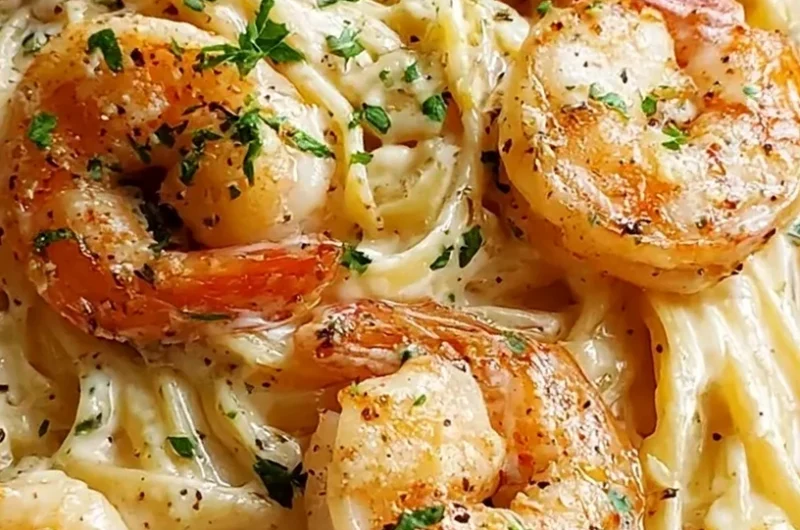
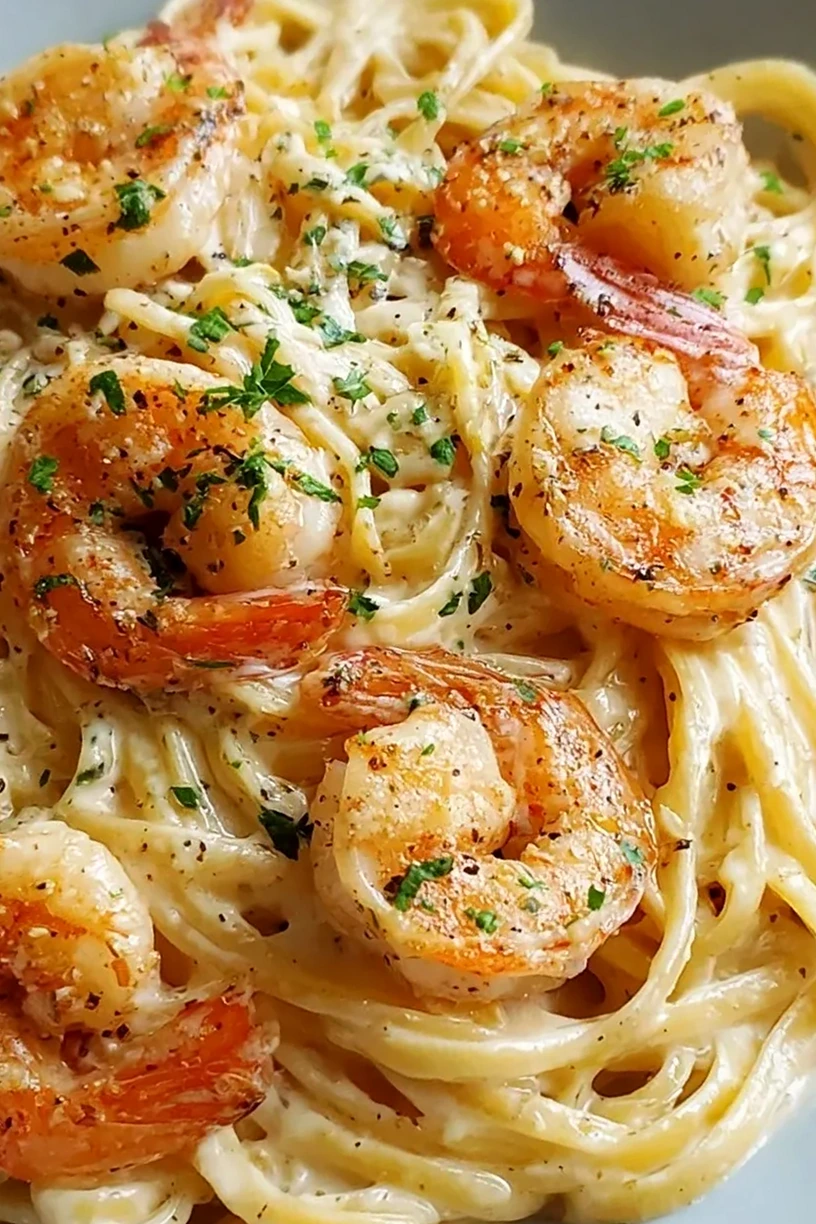
This high-protein pasta combines lean shrimp with a creamy Greek yogurt sauce for a nutrient-dense meal. It is designed for quick preparation without sacrificing rich flavor or texture.
List of ingredients
- 8 oz high-protein chickpea or lentil rotini pasta – provides a dense source of plant-based protein.
- 1 lb large shrimp, peeled and deveined – the primary lean protein source.
- 1 cup plain non-fat Greek yogurt, room temperature – creates a creamy base without heavy cream.
- 1/2 cup low-sodium chicken broth – used to thin the sauce and add depth.
- 4 cloves garlic, minced – essential for the aromatic base.
- 1 tbsp extra virgin olive oil – used for searing the shrimp.
- 1/2 cup freshly grated parmesan cheese (microbial-rennet) – adds saltiness and thickness.
- 1 tsp crushed red pepper flakes – introduces a mild heat.
- 1/2 tsp kosher salt – enhances overall flavor profiles.
- 1/4 tsp ground black pepper – provides a subtle spicy undertone.
- 2 cups fresh baby spinach – adds vitamins and color to the dish.
- 1 tbsp fresh Italian parsley, finely chopped – used as a fresh garnish.
step-by-step instructions
- Boil Pasta: Bring a large pot of salted water to a boil and cook the high-protein pasta according to package directions until al dente. Drain the pasta, but reserve 1/4 cup of the cooking water for later use.
- Sear Shrimp: Heat olive oil in a large non-stick skillet over medium-high heat. Season shrimp with salt and pepper, add them to the skillet, and sear for 2 minutes per side until they are pink and opaque. Remove shrimp from the pan and set them aside on a plate.
- Sauté Aromatics: Reduce the skillet heat to medium. Add the minced garlic and red pepper flakes, sautéing for about 60 seconds until they become fragrant.
- Build the Sauce: Slowly whisk in the chicken broth and room-temperature Greek yogurt. Maintain medium-low heat to prevent the yogurt from curdling.
- Melt Cheese: Stir in the grated parmesan cheese until the sauce is smooth and the cheese has completely melted.
- Wilt Greens: Add the baby spinach to the sauce and stir until the leaves are just wilted.
- Combine Ingredients: Return the cooked shrimp and the pasta to the skillet. Toss all ingredients together until everything is thoroughly coated.
- Adjust Consistency: If the sauce is too thick, add the reserved pasta water one tablespoon at a time until you reach the desired consistency.
- Final Touch: Garnish with chopped parsley and serve immediately.
Professional Cooking Tips
Prevent Yogurt Curdling with Temperature Control
Greek yogurt can separate if it hits a boiling pan. Always use room temperature yogurt and keep your burner on medium-low when whisking it into the broth to maintain a smooth emulsion.
Achieve a Golden Sear on Shrimp
Moisture is the enemy of searing. Pat your shrimp completely dry with paper towels before seasoning and adding them to the oil to ensure they brown rather than steam.
Utilize Starchy Pasta Water
The reserved pasta water contains starch that acts as a binder. Adding it at the end helps the sauce cling to the rotini noodles rather than pooling at the bottom of the bowl.
Avoid Burning the Garlic
Garlic burns quickly at high heat, which creates a bitter taste. Sauté it just until fragrant, usually about 60 seconds, before adding the liquids to stop the cooking process.
Select the Right High-Protein Pasta
Chickpea pasta tends to be slightly nuttier, while lentil pasta is often denser. Both work well, but be careful not to overcook them, as legume pastas can turn mushy faster than wheat pasta.
Ingredient Substitutions
Swap Shrimp for Other Proteins
If you prefer poultry, grilled chicken breast chunks are an excellent substitute. For a plant-based version, use firm tofu cubes or canned chickpeas, searing them in the same manner as the shrimp.
Low-Carb Pasta Alternatives
Zucchini noodles (zoodles) or spiralized spaghetti squash are great low-carb options. Note that these release more water, so you may need to simmer the sauce longer to maintain thickness.
Dairy-Free Creamy Bases
Replace Greek yogurt with a thick cashew cream or a plain unsweetened soy yogurt. Use a nutritional yeast-based parmesan alternative to keep the dish entirely plant-based.
Vegetable Green Swaps
If you do not have baby spinach, chopped kale or Swiss chard are sturdy alternatives. These greens may require an extra minute of sautéing to soften compared to baby spinach.
Broth Variations for Flavor
Vegetable broth is a seamless replacement for chicken broth. For a more intense savory flavor, you can use a low-sodium mushroom broth.
Flavor Variations
Integrate Citrus Elements
Adding a squeeze of fresh lemon juice or a teaspoon of lemon zest at the end brightens the heavy notes of the yogurt. This acidity cuts through the richness of the parmesan.
Increase the Spice Level
For those who prefer more heat, increase the red pepper flakes to 2 teaspoons. You can also add a pinch of cayenne pepper or finely diced fresh jalapeños during the garlic sauté step.
Add Sun-Dried Tomatoes
Chopped sun-dried tomatoes add a concentrated sweetness and umami depth. Stir them in along with the baby spinach for an extra layer of flavor.
Incorporate Roasted Red Peppers
Dice jarred roasted red peppers and stir them into the sauce. This adds a smoky sweetness that complements the garlic and shrimp perfectly.
Experiment with Fresh Herbs
While parsley is the standard garnish, fresh basil or oregano provide a more Mediterranean profile. Stir these in at the very last second to preserve their bright color.
Serving and Pairing Suggestions
Optimal Side Vegetable Pairings
Roasted broccoli or charred asparagus provide a crisp contrast to the creamy pasta. These vegetables can be cooked in the oven while the pasta is simmering.
Complementary Bread Options
Serve with warm, toasted whole-grain bread or a garlic baguette. This allows you to scoop up any remaining sauce from the plate.
Plating for Presentation
Use shallow wide bowls to showcase the rotini and shrimp. Place a few larger shrimp on top of the pasta mound and finish with a fresh sprinkle of parsley.
Storage and Preservation
Refrigeration Guidelines
Store leftovers in an airtight glass container in the refrigerator for up to two days. Ensure the pasta is completely cooled before sealing to prevent excess moisture buildup.
Freezing Limitations
This dish is not recommended for freezing. The Greek yogurt sauce is likely to break and separate upon thawing, resulting in a grainy texture.
Reheating Methods
Stovetop Reheating Process
Gently warm the pasta in a skillet over low heat. Add a tablespoon of water or chicken broth to loosen the sauce and prevent the shrimp from overcooking.
Microwave Precautions
Avoid high power settings in the microwave, as this can cause the yogurt to curdle. Use a medium power setting and stir every 60 seconds until heated through.
Make-Ahead Strategies
Prepping Aromatics
Mince the garlic and chop the parsley a day in advance. Store them in small containers in the fridge to shave minutes off your active cooking time.
Preparing Shrimp in Advance
You can peel and devein the shrimp ahead of time. Keep them in a sealed container on a bed of ice or in the coldest part of the fridge until ready to sear.
Pre-Cooking the Pasta
Cook the pasta slightly under al dente and toss it with a drizzle of olive oil. Store it in the fridge and add it to the sauce at the end to finish cooking.
Troubleshooting the Sauce
Fixing a Thin Sauce
If the sauce feels too watery, simmer it for another two minutes before adding the pasta. Adding an extra tablespoon of parmesan cheese will also help thicken the consistency.
Correcting an Overly Thick Sauce
If the sauce becomes too pasty, whisk in the reserved pasta water one tablespoon at a time. This restores the creamy flow without diluting the flavor.
Adjusting Salt Balance
If the dish tastes flat, add a pinch more kosher salt. If it is too salty due to the parmesan and broth, stir in an extra dollop of plain Greek yogurt to mellow it out.
Frequently Asked Questions
Can I use frozen shrimp?
Yes, frozen shrimp work well. Ensure they are fully thawed and patted dry with paper towels before searing to avoid steaming them in the pan.
Is Greek yogurt a good substitute for cream?
Yes, it provides a similar creamy mouthfeel with significantly more protein and fewer calories. It also adds a subtle tang that balances the garlic.
Why use chickpea pasta instead of wheat?
Chickpea pasta increases the protein and fiber content of the meal. It also makes the dish suitable for those avoiding gluten while maintaining a satisfying texture.
How to avoid overcooking the shrimp?
Shrimp cook very quickly. Remove them from the pan as soon as they turn opaque and form a ‘C’ shape; if they curl into a tight ‘O’, they are overcooked.
Can I make this recipe vegan?
Yes, by using chickpea pasta, vegan yogurt, nutritional yeast or vegan parmesan, and vegetable broth. Substitute the shrimp with tofu or cauliflower florets.
Print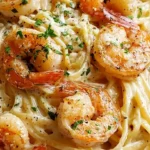
High Protein Creamy Garlic Shrimp Pasta
- Total Time: 25 minutes
- Yield: 4 servings 1x
- Diet: High Protein
Description
A creamy, high-protein dinner featuring golden seared shrimp and chickpea pasta tossed in a rich, garlic-infused Greek yogurt sauce with fresh baby spinach.
Ingredients
- 8 oz high-protein chickpea or lentil rotini pasta
- 1 lb large shrimp, peeled and deveined
- 1 cup plain non-fat Greek yogurt, room temperature
- 1/2 cup low-sodium chicken broth
- 4 cloves garlic, minced
- 1 tbsp extra virgin olive oil
- 1/2 cup freshly grated parmesan cheese
- 1 tsp crushed red pepper flakes
- 1/2 tsp kosher salt
- 1/4 tsp ground black pepper
- 2 cups fresh baby spinach
- 1 tbsp fresh Italian parsley, finely chopped
Instructions
- Step: Bring a large pot of salted water to a boil and cook the high-protein pasta according to package directions until al dente. Drain, reserving 1/4 cup of the pasta cooking water.
- Step: Heat olive oil in a large non-stick skillet over medium-high heat.
- Step: Season shrimp with salt and pepper, then add to the skillet. Sear for 2 minutes per side or until pink and opaque. Remove shrimp from the pan and set aside.
- Step: Reduce the skillet heat to medium. Add the minced garlic and red pepper flakes, sautéing for 60 seconds until fragrant.
- Step: Slowly whisk in the chicken broth and Greek yogurt. Maintain medium-low heat to ensure the yogurt does not curdle.
- Step: Stir in the grated parmesan cheese until the sauce is smooth and the cheese has melted.
- Step: Add the baby spinach to the sauce and stir until the leaves are just wilted.
- Step: Return the cooked shrimp and the pasta to the skillet.
- Step: Toss all ingredients together to coat thoroughly. If the sauce is too thick, add the reserved pasta water one tablespoon at a time until the desired consistency is reached.
- Step: Garnish with chopped parsley and serve immediately.
Notes
Use room temperature Greek yogurt to prevent the sauce from curdling. Pat shrimp dry before searing to achieve a golden crust. If reheating, do so gently on low heat with a splash of broth to keep the shrimp tender.
- Prep Time: 10 minutes
- Cook Time: 15 minutes
- Category: Main Course
- Method: Sautéing
- Cuisine: Mediterranean
Nutrition
- Serving Size: 1 serving
- Calories: 420 kcal
- Sugar: 6 g
- Sodium: 720 mg
- Fat: 12 g
- Saturated Fat: 4 g
- Unsaturated Fat: 8 g
- Trans Fat: 0 g
- Carbohydrates: 35 g
- Fiber: 8 g
- Protein: 28 g
- Cholesterol: 185 mg
Keywords: high protein, creamy garlic shrimp pasta, Greek yogurt sauce, healthy dinner, chickpea pasta