This simple dry rub blends sweetness and smokiness to enhance the natural flavor of fish fillets. It is a versatile seasoning suitable for grilling, baking, or air frying salmon.
List of ingredients
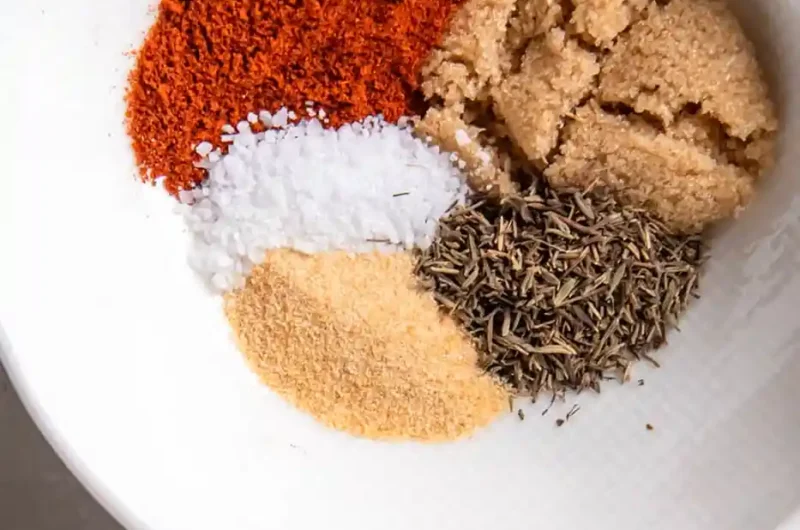
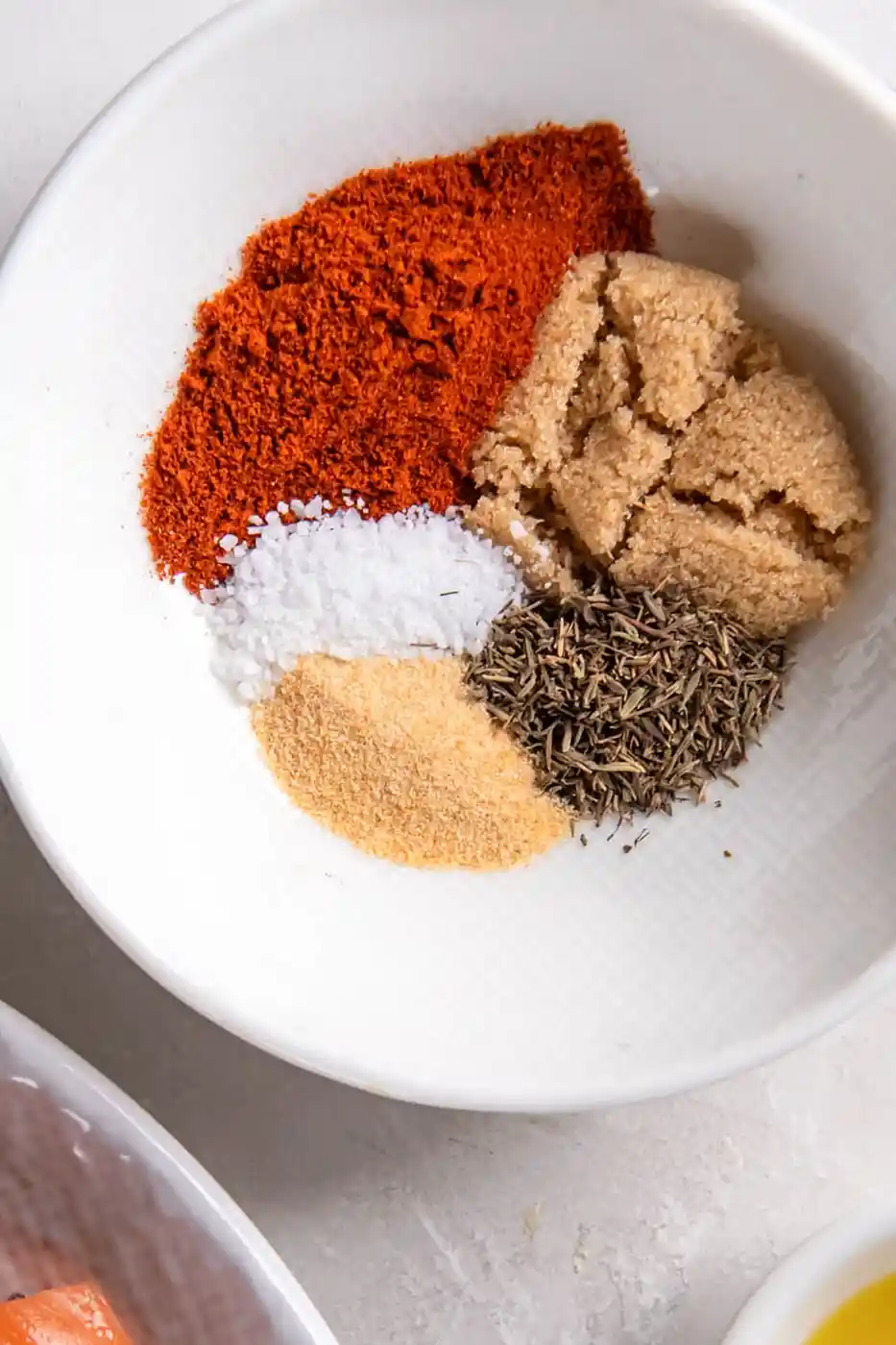
- 1 tablespoon brown sugar – provides a touch of sweetness and aids in caramelization.
- 2 teaspoons smoked paprika – adds a rich, smoky depth to the flavor profile.
- 1 teaspoon dried thyme – contributes an earthy, herbal aromatic quality.
- ¾ teaspoon kosher salt – enhances all the other seasoning flavors.
- ½ teaspoon garlic powder – adds a consistent, savory garlic taste without the moisture of fresh cloves.
step-by-step instructions
- Mix Seasoning: Combine the brown sugar, smoked paprika, dried thyme, kosher salt, and garlic powder in a small bowl. Whisk or stir the ingredients until they are well combined and evenly distributed.
- Storage: Use the rub immediately or transfer it to an airtight container. Store in a cool, dry place at room temperature for up to 6 months.
- Prepare Salmon: Rub approximately 2 teaspoons of olive oil over 4 salmon fillets to help the spices adhere to the fish.
- Apply Rub: Sprinkle the seasoning mixture over the flesh of the salmon. Gently rub the spices into the fish until it is evenly coated.
- Marinate: Let the seasoned salmon rest at room temperature for 15-20 minutes. This allows the flavors to penetrate the fish and ensures it cooks more evenly.
- Cook: Cook the salmon on a grill, in the oven, in an air fryer, or on a stovetop according to your preference.
- Serve: Serve the cooked salmon immediately with fresh lemon wedges for a bright finish.
Optimal Cooking Methods for Seasoned Salmon
Baking Salmon in the Oven
Preheat your oven to 400°F (200°C). Place the seasoned fillets on a baking sheet lined with parchment paper to prevent sticking and make cleanup easier. Bake for 12-15 minutes, depending on the thickness of your fillets. The salmon is done when it flakes easily with a fork and reaches an internal temperature of 135°F to 145°F.
Grilling Salmon on an Outdoor Grill
Preheat your grill to medium-high heat and lightly oil the grates. Place the seasoned fillets skin-side down first to protect the flesh. Grill for about 4-6 minutes per side. Avoid flipping the fish too often to prevent the seasoned crust from breaking or sticking to the grill.
Using an Air Fryer for Quick Results
Set your air fryer to 380°F (190°C). Place the seasoned fillets in the air fryer basket, ensuring they are not overlapping. Cook for 7-10 minutes depending on the thickness of the cut. The air fryer creates a slightly crispier exterior while keeping the center moist.
Pan-Searing Salmon on the Stovetop
Heat a tablespoon of oil in a non-stick or cast-iron skillet over medium-high heat. Place the salmon fillets in the pan and sear for 4-5 minutes without moving them to develop a crust. Flip the fillets and cook for another 3-5 minutes. Use a meat thermometer to ensure the center reaches the desired doneness.
Customizing Your Salmon Rub
Adding Heat with Red Pepper Flakes
For a spicier profile, add a few pinches of crushed red pepper flakes to the seasoning blend. To ensure the heat is distributed evenly, chop the flakes more finely before mixing. You can also substitute a teaspoon of chili powder for a different, earthier heat level.
Making the Seasoning Sugar-Free
If you prefer a savory rub without sweetness, omit the brown sugar entirely. The smoked paprika and garlic powder still provide enough depth to flavor the fish. You may add a pinch more salt or a dash of onion powder to compensate for the lost complexity.
Substituting Thyme for Other Herbs
While thyme is traditional, dried oregano or dried dill can provide a fresh alternative. Dill is particularly well-suited for salmon and adds a classic seafood flavor. Use the same quantity of 1 teaspoon for these substitutions.
Adjusting the Salt Level for Dietary Needs
To reduce the sodium content, replace the kosher salt with a salt-free seasoning blend or omit it entirely. You can add a squeeze of fresh lime or lemon juice after cooking to brighten the flavors. This provides a similar flavor lift without the added sodium.
Professional Salmon Preparation Tips
Pat Salmon Dry Before Applying Oil
Use paper towels to pat the salmon fillets completely dry before adding the olive oil. Removing surface moisture prevents the fish from steaming and allows the oil and spices to adhere better. This step is crucial for achieving a proper sear or crust.
Achieving the Correct Internal Temperature
Use a digital meat thermometer to check the thickest part of the fillet. For a moister, more tender texture, remove the salmon from the heat when it hits 135°F (57°C). For those who prefer a firmer texture, cook it to the USDA recommendation of 145°F (63°C).
Resting the Fish After Cooking
Let the salmon rest for 3-5 minutes before serving. This allows the juices to redistribute throughout the fillet, ensuring the fish remains succulent. Covering the fish loosely with foil during this time prevents it from cooling too quickly.
Selecting the Right Cut of Salmon
Center-cut fillets provide a uniform thickness, which leads to more consistent cooking times. Skin-on fillets are recommended as the skin acts as a barrier, preventing the fish from overcooking. Ensure the fish is fresh and has a vibrant color without any off-smelling odors.
Storage and Preservation
Using Glass Jars for Long-Term Storage
Store the dry seasoning in a small glass jar with a tight-sealing lid. Glass is non-reactive and prevents the spices from absorbing odors from other items in the pantry. Ensure the jar is completely dry before filling to prevent clumping.
Labeling Your Spice Blends
Always label your container with the name of the rub and the date it was created. Since the rub contains brown sugar, it can look similar to other spice blends over time. Proper labeling ensures you use the seasoning within its 6-month shelf life.
Keeping the Seasoning Dry
Avoid using a spoon that has touched wet ingredients to scoop the seasoning. Moisture introduced into the jar can cause the brown sugar to clump and may lead to spoilage. If clumping occurs, use a fork to break the mixture back down into a powder.
Serving and Pairing Suggestions
Pairing with Fresh Greens
Serve the seasoned salmon alongside a crisp garden salad or sautéed spinach. A light vinaigrette with lemon and olive oil complements the smoky notes of the rub. Steamed asparagus or roasted broccoli also provide a healthy, textural contrast.
Choosing the Best Side Grains
Quinoa, wild rice, or farro are excellent choices for absorbing the flavors of the salmon. For a lighter option, try cauliflower rice or a wild rice pilaf. These grains provide a nutty base that balances the sweetness of the brown sugar.
Using Lemon to Balance Richness
Fresh lemon wedges are essential for serving with this recipe. The acidity of the lemon juice cuts through the richness of the salmon and the sweetness of the rub. Squeeze the juice over the fish immediately before eating for maximum brightness.
Creating a Complete Meal Plate
For a balanced dinner, place the salmon fillet atop a bed of sautéed kale and a side of roasted sweet potatoes. This combination offers a mix of proteins, healthy fats, and complex carbohydrates. Garnish with fresh parsley for a professional presentation.
Common Salmon Cooking Questions
How long can I marinate salmon?
Salmon should be marinated for 15-20 minutes at room temperature. Marinating for too long, especially with acidic ingredients, can break down the protein and make the fish mushy. Room temperature marinating also helps the fish cook more evenly.
Can I use this rub on other fish?
Yes, this rub works well on other hearty fish like trout, mahi-mahi, or halibut. Because of the smoky and sweet profile, it is particularly effective for fish that can withstand high-heat cooking. Adjust the amount of rub based on the size of the fillet.
Why did my salmon stick to the pan?
Sticking usually occurs if the pan is not hot enough or if not enough oil was used. Ensure the oil is shimmering before adding the fish and avoid moving the fillet until a natural crust has formed. Using a non-stick or well-seasoned cast-iron pan also helps.
What is the best oil for rubbing salmon?
Olive oil is a great choice for flavor and health. For high-heat searing, you can use avocado oil or grapeseed oil, which have higher smoke points. This prevents the oil from burning and creating a bitter taste.
How do I know when the salmon is perfectly done?
The most reliable method is using a meat thermometer to check for an internal temperature of 135°F to 145°F. Visually, the fish should change from translucent to an opaque pink color. When pressed lightly with a finger, the flesh should flake easily along the natural lines.
Print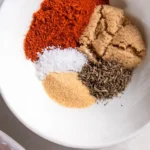
Homemade Smoky Salmon Rub
- Total Time: 5 minutes
- Yield: 4 servings 1x
- Diet: Dairy Free, Gluten Free
Description
This Salmon Seasoning brings the best flavor to salmon! Use it for grilled salmon, baked salmon, air fryer salmon or pan seared salmon. With just a few ingredients, this easy recipe is sure to become a favorite!
Ingredients
- 1 tablespoon brown sugar
- 2 teaspoons smoked paprika
- 1 teaspoon dried thyme
- ¾ teaspoon kosher salt
- ½ teaspoon garlic powder
Instructions
- Combine: Combine all seasoning ingredients in a small bowl. Whisk or stir until well combined. Use right away, or store in an airtight container in a cool, dry place at room temperature for up to 6 months.
- Season: To season salmon, first rub a little olive oil over the salmon (I use 2 teaspoons for 4 salmon fillets). Then sprinkle on the salmon seasoning and gently rub until it evenly coats the flesh of the fish. Let marinate at room temperature for 15-20 minutes.
- Cook: Cook salmon on the grill, in the oven, in the air fryer, or on the stove, as desired. Serve salmon with lemon wedges.
Notes
This recipe makes enough seasoning for 2 pounds of salmon, or about 5 (6-ounce each) fillets.
- Prep Time: 5 minutes
- Cook Time: 0 minutes
- Category: Seasoning
- Method: Mixing
- Cuisine: American
Nutrition
- Serving Size: 1 serving
- Calories: 16 kcal
- Sugar: 3 g
- Sodium: 438 mg
- Fat: 0.2 g
- Saturated Fat: 0.03 g
- Unsaturated Fat: 0.12 g
- Trans Fat: 0 g
- Carbohydrates: 4 g
- Fiber: 0.5 g
- Protein: 0.2 g
- Cholesterol: 0 mg
Keywords: salmon seasoning, dry rub, fish rub, easy salmon seasoning