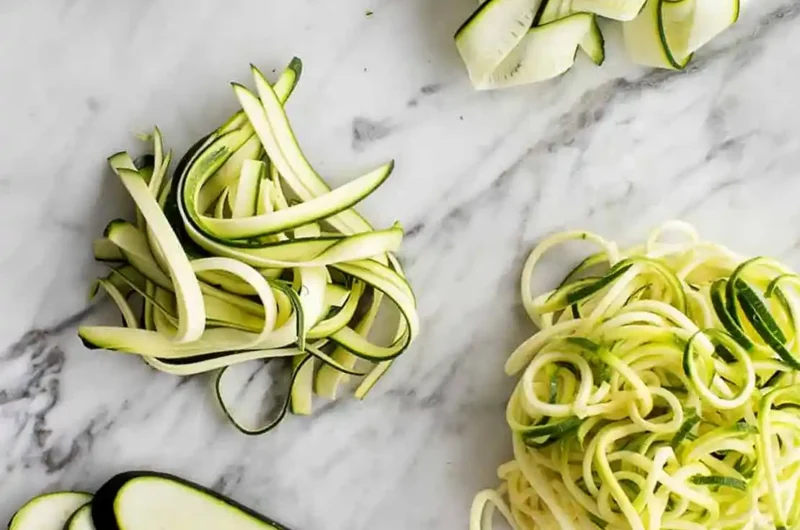
Transform fresh zucchini into versatile pasta alternatives using common kitchen tools. These nutrient-dense noodles work perfectly in warm dishes, cold salads, or as a low-carb base for your favorite sauces.
List of ingredients
- 3 medium zucchini – choose firm, straight vegetables for easier cutting.
- Extra-virgin olive oil – optional, used for light brushing of the pan.
- Marinara sauce – a classic red sauce option for a hearty meal.
- Pesto – a fresh, herbal choice for a brighter flavor.
- Lemon vinaigrette – ideal for raw, chilled noodle salads.
- Roasted tomatoes – adds a concentrated, sweet acidity.
- Grilled or roasted veggies – provides additional texture and nutrients.
- Freshly grated Parmesan cheese – ensure the use of microbial-rennet variety.
- Fresh herbs (such as basil or mint) – used for garnish and aroma.
step-by-step instructions
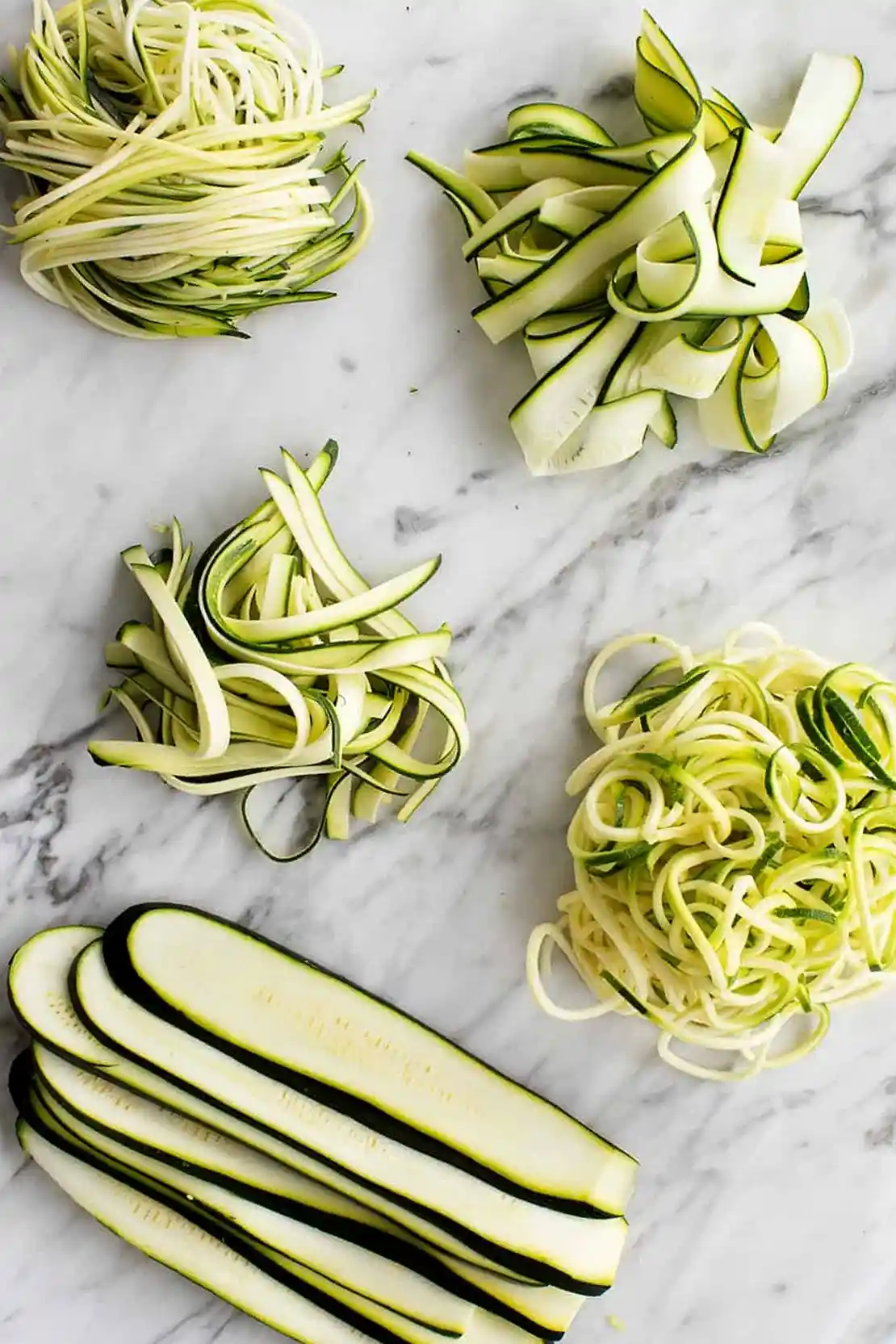
- Select your noodle shape: Determine which tool you have available and follow the specific method for that style of noodle.
- Make curly spaghetti: Clamp a countertop spiralizer to your work surface. Trim the end of the zucchini, secure it against the blade, and turn the handle to create spirals.
- Make straight angel hair: Hold the zucchini firmly and pull a julienne peeler across the vegetable to create thin, straight strips.
- Make fettuccine: Use a mandoline to slice the zucchini into thin, longitudinal planks. Use a sharp knife to cut these planks into flat, wide strips.
- Make pappardelle: Use a standard vegetable peeler to peel wide, thin ribbons vertically from the zucchini.
- Cook the noodles: Heat a skillet over medium heat and brush with olive oil. Add the noodles and sauté for exactly 1 minute until just warmed through.
- Final Assembly: Remove the noodles from the heat immediately. Serve with your chosen sauce and toppings to prevent overcooking.
- Raw Alternative: Skip the skillet and serve the noodles raw. Pour a hot sauce over them to let the residual heat soften them without losing their bite.
Optimal Tools for Vegetable Spirals
Countertop Spiralizers
These devices clamp directly to your kitchen counter, providing stability during the spiraling process. They are generally easier to clean than electric versions and store well in most cabinets. The manual handle allows you to control the length of the noodles precisely.
KitchenAid Spiralizer Attachments
Electric attachments offer more power and are ideal for those who frequently make veggie noodles. They are especially useful for tougher vegetables like butternut squash or sweet potatoes. While more expensive, they significantly reduce the arm strength required for high-volume production.
Julienne Peelers
A julienne peeler is a compact, budget-friendly tool that creates straight, thin strands. Because of their size, they fit easily into any kitchen drawer. Note that the blades may dull over time and should be replaced annually for the best cuts.
Mandoline Slicers
Mandolines produce perfectly uniform planks of zucchini. Once sliced, these planks are easily transformed into fettuccine-style noodles with a knife. Always use the safety guard provided with the mandoline to avoid injuries during slicing.
Standard Vegetable Peelers
A basic Y-peeler or swivel peeler is sufficient for creating pappardelle-style ribbons. By peeling vertically, you create wide, flat noodles that hold onto thick sauces well. This is the most accessible method for those who do not wish to buy specialized equipment.
Chef’s Knives
A sharp chef’s knife is the primary tool for creating lasagna-style zucchini planks. Slice the zucchini vertically into thin, consistent sheets. These sheets are structural enough to be layered in baked dishes without falling apart.
Professional Preparation and Cooking Tips
Preventing Watery Noodles
Zucchini has a high water content, which can lead to a diluted sauce. To prevent this, you can sprinkle the raw noodles with a pinch of salt and let them sit in a colander for ten minutes. Gently pat them dry with a paper towel before adding them to the pan.
Timing the Sauté Process
The most common mistake is overcooking the noodles. Zucchini should only be heated for about 60 seconds over medium heat. Any longer and the cell walls break down, releasing water and turning the noodles mushy.
Serving Raw for Texture
Serving zoodles raw preserves the most nutrients and provides a crisp, refreshing bite. When using this method, ensure your sauce is piping hot. The heat from the sauce will gently wilt the noodles without compromising their structural integrity.
Maintaining Color and Vibrancy
Avoid over-stirring the noodles in the pan to prevent bruising the vegetable. Use a gentle tossing motion to coat them in oil or sauce. This ensures the bright green color remains intact for a more appealing presentation.
Sauce and Flavor Pairings
Rich Marinara and Basil
A thick marinara sauce provides a traditional pasta experience. Combine the noodles with a garlic-heavy red sauce and top with freshly torn basil leaves. The acidity of the tomatoes balances the mild sweetness of the zucchini.
Fresh Basil Pesto
Pesto is an excellent pairing because it adheres well to curly spiralized noodles. Use a blend of basil, pine nuts, olive oil, and microbial-rennet Parmesan. This combination creates a vibrant, nutty meal that works well served warm or cold.
Zesty Lemon Vinaigrette
For a lighter, salad-style dish, toss raw noodles with a lemon vinaigrette. Combine fresh lemon juice, extra-virgin olive oil, salt, and black pepper. This is an ideal pairing for adding grilled shrimp or chickpeas.
Roasted Vegetable Medleys
Mix your zucchini noodles with roasted bell peppers, eggplant, and cherry tomatoes. The contrast between the lightly cooked zoodles and the caramelized roasted vegetables adds depth to the dish. Finish with a drizzle of balsamic glaze for extra flavor.
Storage and Preservation Methods
Short-Term Refrigeration
Store unused zucchini noodles in an airtight container in the refrigerator for up to three to five days. To keep them crisp, place a clean paper towel at the bottom of the container to absorb excess moisture. Avoid adding salt or sauce before storing, as this will accelerate breakdown.
Freezing Zucchini Noodles
To freeze zoodles, blanch them in boiling water for 30 seconds and immediately plunge them into an ice bath. Pat them completely dry before placing them in freezer-safe bags. This process stops enzyme activity and helps maintain the texture after thawing.
Proper Thawing Techniques
Thaw frozen zucchini noodles in the refrigerator overnight. Once thawed, place them in a fine-mesh colander and press gently to remove excess water. Sauté them quickly in a hot pan to restore some of the original firmness.
Creative Recipe Variations
Low-Carb Zucchini Lasagna
Replace traditional pasta sheets with vertically sliced zucchini planks. Layer these planks with ricotta, marinara, and microbial-rennet mozzarella. Bake as usual, but be aware that the zucchini will release moisture, so you may need a slightly longer baking time.
Garden Vegetable Noodle Soup
Add zucchini noodles to a simmering vegetable broth during the final minute of cooking. This ensures the noodles remain al dente while absorbing the flavors of the soup. Pair them with carrots, celery, and a pinch of turmeric.
Cold Pasta Salads
Mix raw julienned zucchini with cherry tomatoes, olives, and cubes of feta cheese. Toss with a light vinaigrette and fresh mint. This makes a refreshing side dish that stays crisp longer than traditional wheat-based pasta salads.
Reducing Kitchen Waste
Blending Scraps into Hummus
Do not discard the ends or small bits of zucchini left over from spiraling. Blend these scraps into a batch of hummus for added creaminess and nutrition. The mild flavor of the zucchini blends seamlessly with chickpeas and tahini.
Incorporating Zucchini into Smoothies
Frozen zucchini scraps make an excellent thickener for smoothies. They add a creamy texture similar to a banana but with significantly less sugar. Combine them with spinach, pineapple, and almond milk for a nutrient-dense breakfast.
Zucchini Soup Base
Collect all vegetable trimmings and simmer them with onions and garlic to create a light vegetable stock. Strain the liquid and use it as a base for other soups or as a cooking liquid for grains. This maximizes the utility of every vegetable.
Adding Scraps to Frittatas
Finely dice any remaining zucchini pieces and sauté them before adding them to a whisked egg mixture. Bake the frittata until set for a protein-rich meal. The small pieces of zucchini provide pops of color and moisture to the eggs.
Troubleshooting Common Issues
Solving the Mushy Texture
If your noodles are too soft, you likely cooked them for too long or used too much heat. Reduce the sauté time to 30-60 seconds. If they are already mushy, try adding a splash of lemon juice to brighten the flavor, though the texture cannot be reversed.
Dealing with Dull Blades
If the julienne peeler or spiralizer is tearing the zucchini rather than slicing it, the blade is dull. Sharpen the blade if possible or replace the tool. A sharp blade is essential for achieving the clean, noodle-like strands that characterize this dish.
Managing Excess Liquid in the Pan
If a pool of water forms in your skillet, you may be overcrowding the pan. Cook the noodles in smaller batches to ensure they sauté rather than steam. Alternatively, drain the liquid immediately and stir in a small amount of cornstarch slurry to thicken the remaining sauce.
Frequently Asked Questions
Can I make these without a spiralizer?
Yes, you can use a julienne peeler, a mandoline, or a standard vegetable peeler. Even a sharp chef’s knife can create wide planks or thin strips depending on the desired shape.
How long do they last in the fridge?
Freshly cut zucchini noodles typically stay fresh for three to five days when stored in an airtight container with a paper towel to absorb moisture.
Do I need to peel the zucchini first?
No, the skin is edible and provides the characteristic green color and essential nutrients. However, if you prefer a very pale noodle, you can peel the skin off before spiraling.
Which zucchini size is best for noodles?
Medium-sized zucchini are ideal. They are typically straighter and have a consistent diameter, which makes them easier to secure in a spiralizer and easier to peel into long strips.
Print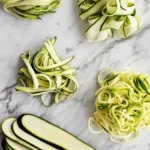
Homemade Zucchini Noodles: A Complete Guide to Shapes and Cooking
- Total Time: 15 minutes
- Yield: 2 servings 1x
- Diet: Vegetarian
Description
Learn how to make zucchini noodles in different shapes!
Ingredients
- 3 medium zucchini
- Extra-virgin olive oil, optional
- marinara sauce
- pesto
- lemon vinaigrette
- roasted tomatoes
- grilled or roasted veggies
- Freshly grated microbial-rennet Parmesan cheese
- Fresh herbs (such as basil or mint)
Instructions
- Choose: Choose the type of noodle you would like to make and follow the corresponding instructions.
- Spaghetti: Clamp the spiralizer to your countertop. Trim off the tip of the zucchini and secure it between the blade and the teeth of the spiralizer. Turn the handle to make the noodles.
- Angel Hair: Simply hold the zucchini with one hand and pull the julienne peeler across the zucchini to make strips.
- Fettucine: Slice thin zucchini planks with the mandoline, and then cut those planks into fettuccine-sized strips.
- Pappardelle: Use the peeler to simply peel thin strips of zucchini.
- Cook: Heat a skillet to medium heat and brush with olive oil. Add the noodles and cook for 1 minute, or until just warmed through. Remove from the heat and serve with desired sauce and toppings.
- Alternative: Serve the zucchini noodles raw with a warm sauce.
Notes
Fresh zucchini noodles are a great healthy substitute for pasta. Zucchini scraps can be blended into hummus, smoothies, or soup.
- Prep Time: 14 minutes
- Cook Time: 1 minute
- Category: noodles
- Method: Slicing
- Cuisine: American
Nutrition
- Serving Size: 1 serving
- Calories: 120 kcal
- Sugar: 5 g
- Sodium: 280 mg
- Fat: 7 g
- Saturated Fat: 2 g
- Unsaturated Fat: 5 g
- Trans Fat: 0 g
- Carbohydrates: 10 g
- Fiber: 3 g
- Protein: 5 g
- Cholesterol: 8 mg
Keywords: zucchini noodles, zoodles, vegetable noodles, healthy pasta alternative