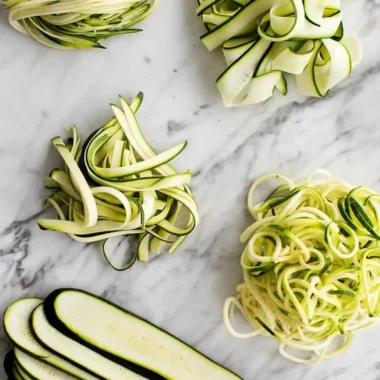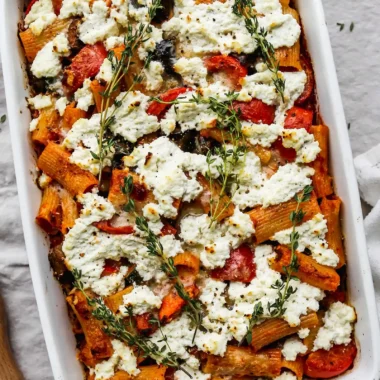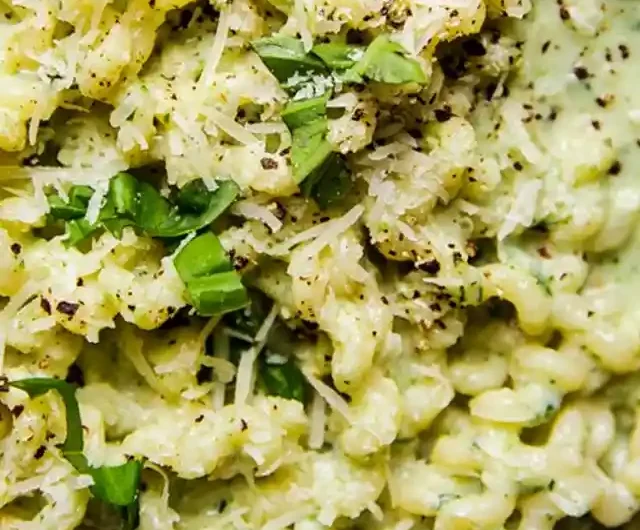
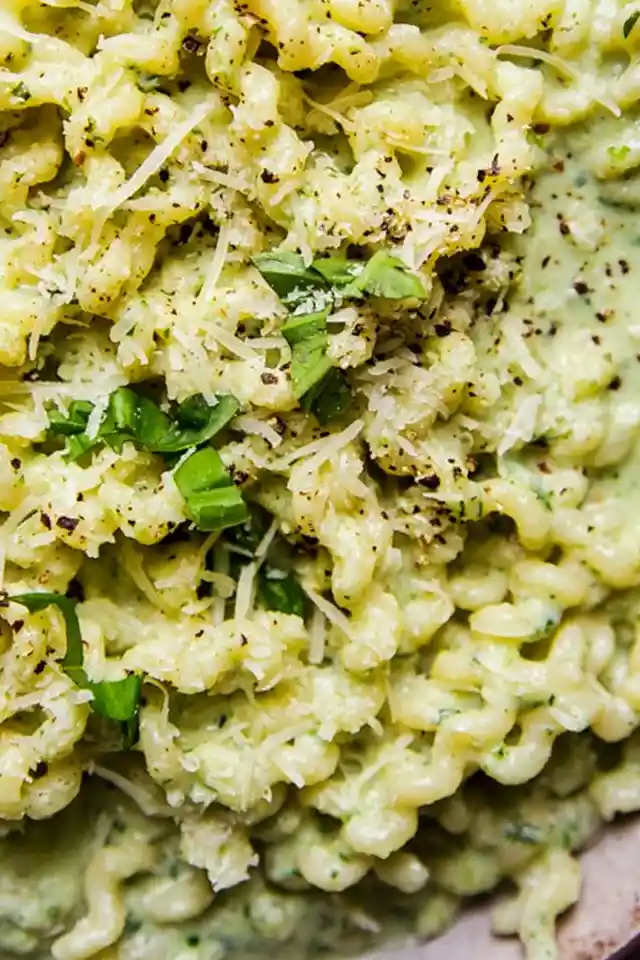
This recipe transforms fresh zucchini into a rich, velvety sauce that clings perfectly to your favorite pasta. It is a quick, vegetarian meal that makes the most of garden-fresh squash while delivering a luxurious texture.
List of ingredients
- 1/4 cup extra-virgin olive oil – used for sautéing vegetables for a fruity base.
- 3 cups diced zucchini – approximately 2-3 medium zucchinis, providing the bulk of the sauce.
- 2 medium shallots, sliced – about 1 cup, for a mild, sweet onion flavor.
- 1 tablespoon minced garlic – adds aromatic depth to the vegetable base.
- 1 pound long pasta – such as spaghetti, fusilli, or bucatini, depending on preference.
- 1/2 cup pasta water – reserved from the pot to emulsify the sauce.
- 1 cup heavy cream – creates the rich, creamy consistency.
- 20 basil leaves – fresh leaves for a bright, herbaceous finish.
- 1 teaspoon sea salt – plus additional amounts to taste.
- 1/2 teaspoon freshly cracked black pepper – plus more for serving.
- 3/4 cup grated Parmesan cheese – microbial-rennet version, plus more for topping.
step-by-step instructions
- Boil Water: Bring a large pot of salted water to a rolling boil.
- Sauté Aromatics: Heat the olive oil in a medium saucepan over medium heat. Add the diced zucchini and sliced shallots, cooking until they are softened, which usually takes about 8-10 minutes.
- Add Garlic: Stir in the minced garlic and cook for 1 more minute until it becomes fragrant.
- Cook Pasta: Add the pasta to the boiling salted water and cook until al dente, according to the package directions (typically 8-10 minutes).
- Simmer Sauce: While the pasta cooks, stir the heavy cream, fresh basil leaves, salt, pepper, and Parmesan cheese into the zucchini mixture. Bring the sauce to a gentle simmer and cook, stirring frequently, until it has thickened for about 5 minutes.
- Blend Sauce: Add 1/2 cup of the reserved pasta water to the zucchini sauce and drain the noodles. Use an immersion blender to blend the sauce until mostly smooth, or transfer the cooled mixture to a high-speed blender and blend on high. Season with additional salt to taste.
- Combine and Serve: Add the cooked noodles to the pot with the blended sauce and toss thoroughly to coat. Serve immediately topped with extra Parmesan cheese and cracked black pepper.
Optimization for Texture and Flavor
Consistent Dicing for Even Cooking
Ensure your zucchini is diced into uniform cubes. This prevents some pieces from turning to mush while others remain undercooked, ensuring a consistent texture before the blending process.
Controlling Cream Temperature
Always bring the cream sauce to a gentle simmer rather than a hard boil. Boiling cream too vigorously can cause the fats to separate, which may lead to a grainy texture in your final sauce.
Leveraging Pasta Water Starch
Do not forget to reserve the pasta water before draining. The starch released from the pasta acts as a natural emulsifier, helping the cream and oil bind together so the sauce clings to the noodles instead of pooling at the bottom of the plate.
Selecting the Ideal Pasta Shape
While spaghetti is classic, using fusilli or bucatini can enhance the experience. The spirals of fusilli catch the blended sauce in their grooves, while the hollow center of bucatini allows the sauce to coat the inside of the noodle.
Ingredient Substitutions and Alternatives
Dairy-Free Cream Options
For a plant-based version, replace heavy cream with an equal amount of full-fat coconut cream or blended soaked cashews. If using cashew cream, you may need to add a teaspoon of lemon juice to mimic the slight tang of dairy cream.
Using Onions Instead of Shallots
If shallots are unavailable, finely diced yellow or red onion is a suitable replacement. Use slightly less than the amount of shallots called for, as standard onions can have a more pungent flavor profile.
Alternative Herb Combinations
While basil is the primary herb, you can substitute it with baby spinach for a deeper green color and earthy taste. Fresh parsley or a combination of thyme and oregano also work well, though they provide a more Mediterranean flavor.
Cheese Alternatives
If you prefer a different salty element, a hard aged Pecorino (microbial-rennet) can be used instead of Parmesan. This will result in a slightly saltier, sharper sauce, so taste before adding extra salt.
Serving and Pairing Suggestions
Adding Complementary Proteins
To make this a more hearty meal, add grilled chicken breast or sautéed shrimp. For a vegetarian protein boost, stir in canned chickpeas or pan-seared tofu cubes just before serving.
Fresh Side Dish Pairings
Pair this rich pasta with a crisp arugula salad dressed in lemon vinaigrette. The acidity of the lemon and the bitterness of the greens balance the heaviness of the cream sauce.
Garnishing for Visual Appeal
Beyond the Parmesan and pepper, garnish the dish with a drizzle of high-quality olive oil or a few small, whole basil leaves. A pinch of lemon zest added at the end can also brighten the overall flavor profile.
Bread Accompaniments
Serve the pasta with toasted ciabatta or a garlic baguette. This allows you to scoop up any remaining sauce from the plate, ensuring none of the blended zucchini cream goes to waste.
Storage and Reheating Advice
Refrigeration Guidelines
Store leftover pasta in an airtight container in the refrigerator for up to 3-4 days. Because the sauce is cream-based, it may thicken significantly as it cools.
Best Reheating Methods
Reheat the pasta on the stovetop over medium-low heat. Add a splash of milk, water, or vegetable broth and stir constantly to re-emulsify the sauce and restore its silky consistency.
Microwave Reheating Tips
If using a microwave, heat the pasta in short intervals, stirring between each 30-second burst. Adding a tablespoon of water before heating helps prevent the cream from breaking or drying out.
Freezing the Sauce
It is recommended to freeze only the zucchini cream sauce, not the cooked pasta. Freeze the sauce in airtight portions for up to 3 months, then thaw in the refrigerator and reheat slowly on the stove before tossing with fresh pasta.
Common Troubleshooting Solutions
Fixing a Sauce That Is Too Thin
If the sauce remains too liquid after blending, return it to the heat and simmer for another 2-3 minutes. Alternatively, stir in an extra tablespoon of grated Parmesan cheese to thicken the consistency through reduction and solids.
Correcting an Overly Thick Sauce
If the sauce becomes too thick or paste-like, whisk in additional reserved pasta water one tablespoon at a time. This will thin the sauce while maintaining the starchy bond that keeps it creamy.
Preventing Sauce Curdling
Curdling usually happens when the sauce is heated too quickly or the cheese is added to boiling liquid. Keep the heat at a medium-low simmer and stir the cheese in gradually to ensure it melts smoothly into the cream.
Handling Blender Pressure
When blending hot sauce in a traditional blender, never fill it to the top and always vent the lid. The steam can build up pressure and push the lid off, causing hot liquid to splash.
Frequently Asked Questions
Can I peel the zucchini before blending?
There is no need to peel the zucchini. The skin blends smoothly into the sauce and provides a more vibrant green color and essential nutrients.
Is it possible to make this sauce ahead of time?
Yes, you can prepare the sauce a day in advance. Store it in the fridge and reheat it over low heat, stirring constantly, and add a touch of cream if it has thickened too much.
Can I use milk instead of heavy cream?
Whole milk can be used, but the sauce will be much thinner. To achieve a similar thickness, you may need to simmer the sauce longer or add a small cornstarch slurry (cornstarch mixed with cold water).
Which blender is best for this recipe?
An immersion blender is the most convenient tool as it allows you to blend directly in the saucepan. However, a high-speed countertop blender will yield an even smoother, more professional finish.
Can I use dried basil instead of fresh?
Dried basil can be used, but the flavor is more concentrated and less bright. Use about 1 teaspoon of dried basil for every tablespoon of fresh leaves, and add it earlier in the simmering process.
Print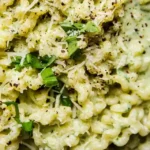
Silky Zucchini Cream Pasta
- Total Time: 28 minutes
- Yield: 6 servings 1x
- Diet: Vegetarian
Description
Creamy zucchini pasta is our latest favorite way to use up our annual backyard squash deluge.
Ingredients
- ¼ cup extra-virgin olive oil
- 3 cups diced zucchini, from (2–3 medium)
- 2 medium shallots, sliced (about 1 cup)
- 1 tablespoon minced garlic
- 1 pound long pasta, such as spaghetti fusilli or bucatini
- ½ cup pasta water
- 1 cup heavy cream
- 20 basil leaves
- 1 teaspoon sea salt, plus more to taste
- ½ teaspoon freshly cracked black pepper, plus more for serving
- ¾ cup grated Parmesan cheese, plus more for serving
Instructions
- Boil: Bring a large pot of salted water to a boil.
- Sauté: Heat the olive oil in a medium saucepan, over medium heat.
- Cook Vegetables: Add the zucchini and shallots and cook until softened, about 8-10 minutes. Add the garlic and cook until fragrant, 1 more minute.
- Cook Pasta: Add the pasta to the water and cook until al dente, according to the package instructions, about 8-10 minutes.
- Simmer Sauce: Meanwhile, stir the heavy cream, basil leaves, salt, pepper and parmesan cheese into the zucchini mixture. Bring to a simmer and cook, stirring until the sauce has thickened, about 5 minutes.
- Blend: Add ½ cup of the pasta water to the zucchini sauce. Drain the noodles. Using an immersion blender, blend the sauce until mostly smooth. Alternatively, let the zucchini mixture cool slightly and transfer it to a high speed blender, blend on high until mostly smooth. Season with salt to taste.
- Combine: Add the noodles to the pot with the sauce and toss to coat. Serve topped with parmesan and pepper.
Notes
Use an immersion blender for the easiest way to get a smooth sauce. If reheating, do so over low heat to avoid curdling the cream.
- Prep Time: 8 minutes
- Cook Time: 20 minutes
- Category: Dinner
- Method: Stovetop
- Cuisine: American
Nutrition
- Serving Size: 1 serving
- Calories: 555 kcal
- Sugar: 4 g
- Sodium: 212 mg
- Fat: 29 g
- Saturated Fat: 12 g
- Unsaturated Fat: 17 g
- Trans Fat: 0 g
- Carbohydrates: 63 g
- Fiber: 4 g
- Protein: 15 g
- Cholesterol: 63 mg
Keywords: creamy zucchini pasta, vegetarian dinner, summer squash recipe, 30-minute meals